Could Your Pet Have a Food Intolerance?

If your pet is experiencing diarrhoea, persistent itching, excessive flatulence, hair loss, fatigue, or frequently eats grass to induce vomiting, they may have an undiagnosed food or environmental intolerance.

Our painless and straightforward fur-sample test quickly identifies up to 500 common pet food and environmental sensitivities, delivering clear results that help you take immediate action.

Stop guessing and start helping—discover what’s causing your pet’s discomfort today.

Pet Intolerance Tests

Our specialised pet intolerance tests uncover potential food and environmental sensitivities using advanced bio-resonance analysis.

With precise, easy-to-understand results, you’ll gain the insights needed to effectively improve your pet’s comfort and overall wellbeing.

UK’S NO.1 PET
INTOLERANCE TEST

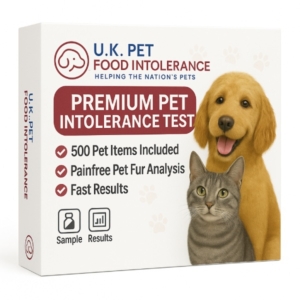
Premium Test

500 Pet Food & Non-Food Items

£ 40.00

RRP: £ 99.99

What’s Tested

500 Food, Liquids & Non-Foods

Metal Sensitivities

Vitamin & Minerals

Environmental Sensitivities

Additives & e-Numbers

What You Receive

Results Processed in 3 to 5 Working Days

Bespoke Elimination Diet for Your Pet

24/7 Customer Support and Live Chat

Fast-Track 48-Hour Results Service (Optional)

Multibuy Savings for 2+ Pets

100% Money-Back Guarantee

10% off with Code: WELCOME10

BASIC PET
INTOLERANCE TEST

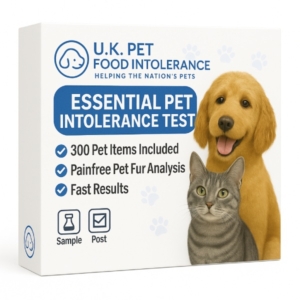
Essential Test

300 Pet Food & Non-Food Items

£ 25.00

RRP: £ 49.99

What’s Tested

300 Food, Liquids & Non-Foods

Metal Sensitivities

Vitamin & Minerals

Environmental Sensitivities

Additives & e-Numbers

What You Receive

Results Processed in 3 to 5 Working Days

Bespoke Elimination Diet for Your Pet

24/7 Customer Support and Live Chat

Fast-Track 48-Hour Results Service (Optional)

Multibuy Savings for 2+ Pets

100% Money-Back Guarantee

10% off with Code: WELCOME10

How it Works

FAQ’S

What are the signs of food intolerance in dogs and cats?

Food intolerance in pets can present in a variety of ways. Common signs include itching, scratching, ear infections, digestive issues such as diarrhoea or vomiting, excessive licking of paws, and skin irritation. Some pets may also show behavioural changes due to ongoing discomfort.

If symptoms are persistent, it may be worth exploring whether certain foods could be contributing.

What foods are dogs most commonly intolerant to?

Some of the most common food intolerance triggers in dogs include:

  • beef
  • chicken
  • dairy
  • wheat
  • soy
  • eggs

These ingredients are widely used in pet food, which means pets are frequently exposed to them. Identifying potential trigger foods may help support your pet’s comfort and wellbeing.

How do I know if my pet has a food intolerance?

It can be difficult to identify food intolerance because symptoms often develop gradually. If your pet experiences ongoing itching, digestive upset or recurring ear infections, diet may be a factor.

Keeping track of symptoms and exploring food intolerance testing can help provide insight into potential triggers.

What is a pet food intolerance test?

A pet food intolerance test is designed to help identify ingredients that your pet may be reacting to. The results provide insight into potential food sensitivities, helping you make more informed decisions about your pet’s diet.

This can be particularly helpful for pets with ongoing or unexplained symptoms.

Can food intolerance cause itching in dogs?

Yes, itching is one of the most common signs associated with food intolerance in dogs. This may include scratching, licking paws or rubbing against surfaces.

If itching is ongoing and not linked to fleas or environmental factors, food may be worth investigating.

Can food intolerance cause ear infections in dogs?

Recurring ear infections can sometimes be linked to food intolerance. Inflammation triggered by certain foods may affect the ears, leading to repeated irritation or infection.

If ear infections keep returning, identifying potential dietary triggers may help.

Can cats have food intolerances?

Yes, cats can also develop food intolerances. Symptoms in cats may include vomiting, diarrhoea, skin irritation or excessive grooming.

Common triggers in cats include fish, chicken and dairy.

How long does it take to see improvement after changing my pet’s diet?

Every pet is different, but some owners notice improvements within a few weeks of removing potential trigger foods.

Consistency is important, and identifying the correct foods is key to seeing results.

What is the difference between food allergy and food intolerance in pets?

Food allergies involve the immune system and may cause more immediate reactions. Food intolerance is usually related to digestion and tends to cause slower, ongoing symptoms such as bloating, itching or digestive discomfort.

Both can affect your pet’s comfort, but intolerance is more commonly linked to chronic symptoms.

Why should I consider a pet food intolerance test?

If your pet is experiencing ongoing symptoms such as itching, digestive issues or skin irritation, identifying potential food triggers may help improve their comfort and wellbeing.

A food intolerance test provides insight into how your pet may be responding to different ingredients, helping you make more informed dietary choices.

Is a pet food intolerance test worth it?

Many pet owners turn to food intolerance testing when they have tried multiple foods without success.

Understanding potential trigger ingredients can help reduce guesswork and support a more targeted approach to your pet’s diet.

Why choose a fur sample test over a blood test?

Fur sample testing is a convenient, non-invasive alternative to traditional blood testing. It allows you to collect a sample easily at home without causing stress or discomfort to your pet.

Unlike blood tests, there is no need for vet appointments, needles or additional costs, making it a simpler and more accessible option for many pet owners.

With fast results and an easy process, fur testing provides a practical way to explore potential food intolerances and better understand your pet’s dietary needs.

Is a pet food intolerance test accurate?

Our tests are designed to provide insight into potential food sensitivities, helping you better understand how your pet may be responding to certain ingredients.

While no single method can provide a complete picture on its own, many pet owners use testing alongside dietary changes to make more informed decisions about their pet’s nutrition.

Will this test definitely solve my pet’s symptoms?

Every pet is different, and symptoms can have multiple causes. A food intolerance test is designed to help identify possible dietary triggers, which may be contributing to ongoing issues.

Many pet owners find that understanding these triggers helps them take a more targeted approach to improving their pet’s comfort and wellbeing.

Is the test safe for my pet?

Yes, the test is completely non-invasive and stress-free. It simply requires a small fur sample, meaning there is no discomfort or risk to your pet.

This makes it a popular option for owners who want to explore potential food intolerances without invasive procedures.

What if my pet is already on a special diet?

Even if your pet is on a specific or limited diet, testing may still provide useful insight into ingredients that could be contributing to symptoms.

This can help refine your pet’s diet further and ensure you are choosing the most suitable foods for their needs.

How is this different from trying different foods myself?

Trying different foods can take weeks or months and often involves a lot of trial and error.

A food intolerance test helps provide structured insight into potential trigger ingredients, allowing you to take a more targeted and efficient approach rather than guessing.

Is this better than an elimination diet?

Elimination diets can be effective but often require strict control over your pet’s food for several weeks or months.

A food intolerance test can provide a starting point by highlighting potential trigger ingredients, helping reduce the time and guesswork involved in finding the right diet.

What customers say…

Results arrived promptly, I also had a few questions which Sara kindly answered and explained everything clearly.

I now know what to avoid to ensure my dog is happy 🙂

Jeanette

I Would just like to thank the whole team at pet food intolerance Sara was amazing she was on hand to answer any questions or queries that I had and as for the test was really good and helped us with food choices and other stuff regarding allergies definitely recommend 5⭐️

Tophat

My dog had been on medication from the vet for itchy, sore skin and ears which came back as soon as the medication was stopped. Since the intolerance test we changed her diet and she has been SO much better. Medication has now been stopped and skin and ears are totally clear. The results came back quicker than expected and quick response to emails.

Claire

10/10 brilliant service! Received test quick and then results very quick and now on the road to managing my dogs intolerances. I had a query on the results and Lillie was very fast to respond and explain the answer very clearly so that I understood. Thank you so much!

Jem

So glad I got this done. My Bengal has been suffering with scabs on her head for some time. Done this test and came back sensitive for Rabbit. I have been feeding her rabbit for so long! Hopefully see improvements soon 🙂

Moran

My dog has been itching and biting his skin and nothing I’ve tried has helped. Without the knowledge of this test he would have had to be put on a 12 week kibble only food trial by the vet, which I didn’t want to do as he loves his food! Now I know exactly what to eliminate. Easy process and detailed results delivered really quickly, thank you!

Gemma

Meet the Team

Lauren
Senior Bioresonance Technician

Lauren is passionate about helping devoted pet owners understand their fur babies better through bio-resonance testing. Known for her calm, reassuring approach, she helps clients (and their pets) feel at ease even when they’re feeling overwhelmed. 

Sophie
Bioresonance Technician

Sophie brings warmth and a great sense of humour to her role, making even first-time pet owners feel instantly comfortable. She’s especially passionate about uncovering the root causes of lingering symptoms. 

Amber
Bioresonance Technician

Amber takes a gentle, holistic approach to wellbeing, helping pet parents explore their pet's symptoms without pressure. Her sessions are calm, focused, and supportive. 

Nadia
Bioresonance Technician

Nadia specialises in helping pet owners get clear on how their beloved pets' food and environmental factors affect energy, mood, and digestion. She takes a non-restrictive, down-to-earth approach to pet nutrition that puts empowerment first. 

Accredited Bioresonance Testing

We test your pet’s fur, a stress-free option.

Our bioresonance testing uses a small fur sample to screen against 500 pet items, making it:

Stress-free for your pet 

No needles or blood draws are necessary, just a simple fur sample.

Broad testing options 

With bioresonance testing, we can test against a broader range of items compared to traditional blood tests.

Quick and convenient 

Get fast results delivered straight to your email.

Affordable 

Hair testing is faster in the laboratory and involves fewer steps, resulting in lower costs for you.

You Can Trust Our Service…

For UK Pets Health

UK-Based Laboratory and
Customer Service

Created by UK Scientists

All Tests Devised, Built and Perfected by UK only scientists

UK-based Testing Facility

Proud to be testing from
UK since 2009

UK Customer Support

Supporting UK with dedicated UK-based customer support

9 to 5:30pm – Monday to Friday

CUSTOMER SUPPORT

PO Box 1431, LINCOLN, LN5 5AP

UK Pet Food Intolerance HQ

[email protected]

1 HOUR RESPONSE – MONDAY TO FRIDAY