
Understanding Cat Food Intolerance Test Cost UK: A Practical Guide
You’ve probably stared at the price tag of a cat food intolerance test and wondered if it’s worth it. The truth is, the cost can feel high, but it’s a clear step toward ending endless bouts of upset tummy, itchy skin, or puzzling gas.
First, list the symptoms you see – loose stools, scratching, vomiting – and note how long they’ve lasted. Next, set a budget. Tests range from basic kits that cover around 60 items to premium versions that check up to 200 triggers. A basic kit usually sits under £70, while the premium option can run close to £130. Both include postage, lab work, and a report delivered to your inbox.
Then, compare what you get for the price. Look for a kit that offers a quick turnaround (most deliver results in 2‑5 days) and clear guidance on how to adjust your cat’s diet. If you’re unsure which level you need, a good rule of thumb is to start simple – many cats react to just a few common ingredients.
Want a deeper dive into what each cost covers? Check out Understanding uk pet intolerance test cost: A Practical Guide for UK Pet Owners for a breakdown of fees, lab work, and result timelines.
Once you’ve chosen a kit, follow the simple at‑home steps: collect a few strands of fur, seal the sample, and send it off. Within days you’ll have a clear list of foods to avoid, letting you start a targeted diet that can calm your cat’s discomfort.
Step 1: Recognise the Signs of Food Intolerance in Your Cat
First thing you’ll notice is a pattern. Your cat might be scratching more than usual, or you may spot a few loose stools after meals. It can be easy to blame a stray hairball, but when the same signs repeat over several days, it’s worth pausing.
Look for these tell‑tale clues:
- Vomiting that isn’t linked to a sudden diet change
- Itchy skin, especially around the ears or belly
- Frequent gas or a sour smell in the litter box
- Weight loss despite a normal appetite
If any of these pop up, write them down. A simple notebook or phone note works. Note when each symptom started and what you fed your cat that day. This little log becomes the backbone of any test you decide to try.
Now, a quick reality check: not every upset tummy means intolerance. Parasites, infections, or stress can cause similar signs. That’s why a vet visit is still the first step if the problem is severe or lasting more than a week.
Assuming you’ve ruled out urgent medical issues, the next move is to watch the diet. Many cats react to common ingredients like dairy, wheat, or certain fish proteins. Spotting a link between a new treat and a flare‑up can save you time and money.
Here’s a handy habit: after each meal, glance at the litter box and give a quick pat to your cat’s belly. If you see a change, jot it. Over a week you’ll start to see a pattern emerge.
Does this feel like a lot? It isn’t. You’re just being a detective for your pet’s comfort.
Below is a short video that walks you through the basics of spotting intolerance signs and what to note before you order a test.
When you’ve gathered enough clues, you’ll be ready to choose the right cat food intolerance test cost uk option that fits your budget and needs. The clearer your notes, the clearer the test results will be.
Step 2: Compare Test Options and Their Costs
Now that you’ve logged the symptoms, it’s time to look at the kits on the market and see what you actually pay for. The price tag can feel steep, but breaking it down helps you decide what you need and what you can skip.
Most cat food intolerance tests fall into three buckets. The first is a basic kit that checks around 60 common triggers – things like chicken, dairy and wheat. It usually sits under £70 and includes postage, lab work and a PDF report.
The middle tier expands the panel to roughly 200 items, covering exotic proteins, grain‑free additives and a few environmental allergens. Expect to spend close to £130. You still get a quick turnaround (2‑5 days) and clear guidance on how to tweak the diet.
At the high end some providers offer a premium service that looks at up to 300‑plus ingredients, plus a detailed elimination guide. Those can climb toward £180, but they also promise the most comprehensive picture if your cat reacts to multiple foods.
Here’s a quick way to compare:
| Option | Items Tested | Typical Cost | Result Time |
|---|---|---|---|
| Essential Kit | ~60 common foods | £70 – £80 | 2‑5 days |
| Standard Kit | ~200 ingredients | £120 – £140 | 2‑5 days |
| Premium Kit | 300+ items + elimination guide | £170 – £190 | 48 hours – 5 days |
Tip: If you’ve only seen a handful of symptoms, start with the essential kit. Many cats only react to one or two proteins, so a larger panel may just add cost without extra value.
What about hidden fees? Some kits charge extra for express shipping or for a printed hard‑copy report. Always read the fine print before you click ‘Buy’. A good rule of thumb is to ask yourself whether the added speed or paper copy will actually change how you act on the results.
For a real‑world price snapshot, Which? notes that home food intolerance kits typically range from £70 to £200, with cheaper hair‑sample kits often lacking clinical validation.Which? price guide
So, what’s your next move? Grab a notebook, pick the kit that matches the symptom severity you’ve logged, and place the order. Once the sample is in the lab, you’ll have a clear list of foods to avoid – and a budget you actually understand.
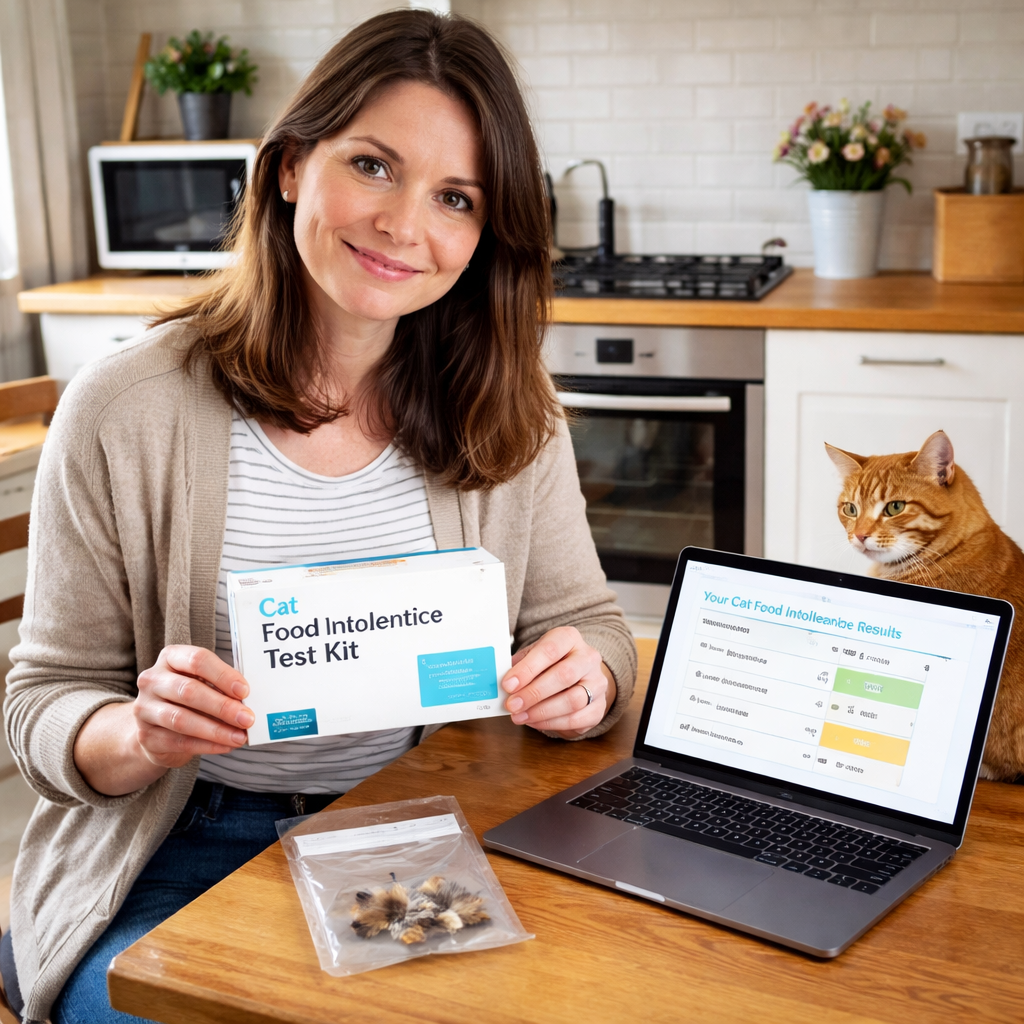
Step 3: How to Use an At‑Home Cat Food Intolerance Test
Now that you’ve got the box, let’s walk through what you actually do. No fancy lab gear, just a few simple steps you can do at the kitchen table.
Gather your kit
Open the package and lay out the tube, the sealable bag, the instruction sheet and a pen. Make sure you have a clean surface and a pair of tweezers if the kit includes them. A quick glance at the official sample guide helps you know where each part goes.
Collect the fur sample
Pick a spot where your cat likes to groom – the chin, cheek or back works well. Use the tweezers to pull out 4-5 fine strands of fur. Try to get hair that still has a bit of skin attached; that gives the lab the best chance to detect any reaction.
Seal and send
Drop the strands into the small tube, snap the lid shut and place the tube into the pre-paid envelope. Seal the envelope tightly and tape it if you feel it needs extra security. Most providers ship the sample to a UK-based accredited lab within two business days.
Track the shipment
Write the tracking number on your notebook – the same place you logged your symptoms. Knowing when the sample is on its way lets you plan the diet change ahead of the result.
Read the results
Within 2-5 days you’ll get an email with a clear list of foods your cat reacts to. The report usually groups items into “high”, “moderate” and “low” sensitivity. Use the list to swap out the problematic ingredients first – you don’t need to overhaul the whole diet at once.
Tip: Keep a simple food diary for the next two weeks. Note each new ingredient you try and any change in your cat’s behaviour. This makes it easy to confirm that the test findings line up with real‑world improvement.
Avoid common pitfalls
Don’t wash the fur before you cut it, soap can hide the proteins the lab is looking for. Also, try not to collect hair that’s been sitting in a litter box; it may be contaminated with dust or food particles. Finally, send the sample as soon as possible; a delay of more than a week can reduce accuracy.
Step 4: Interpreting Results and Planning the Next Diet Change
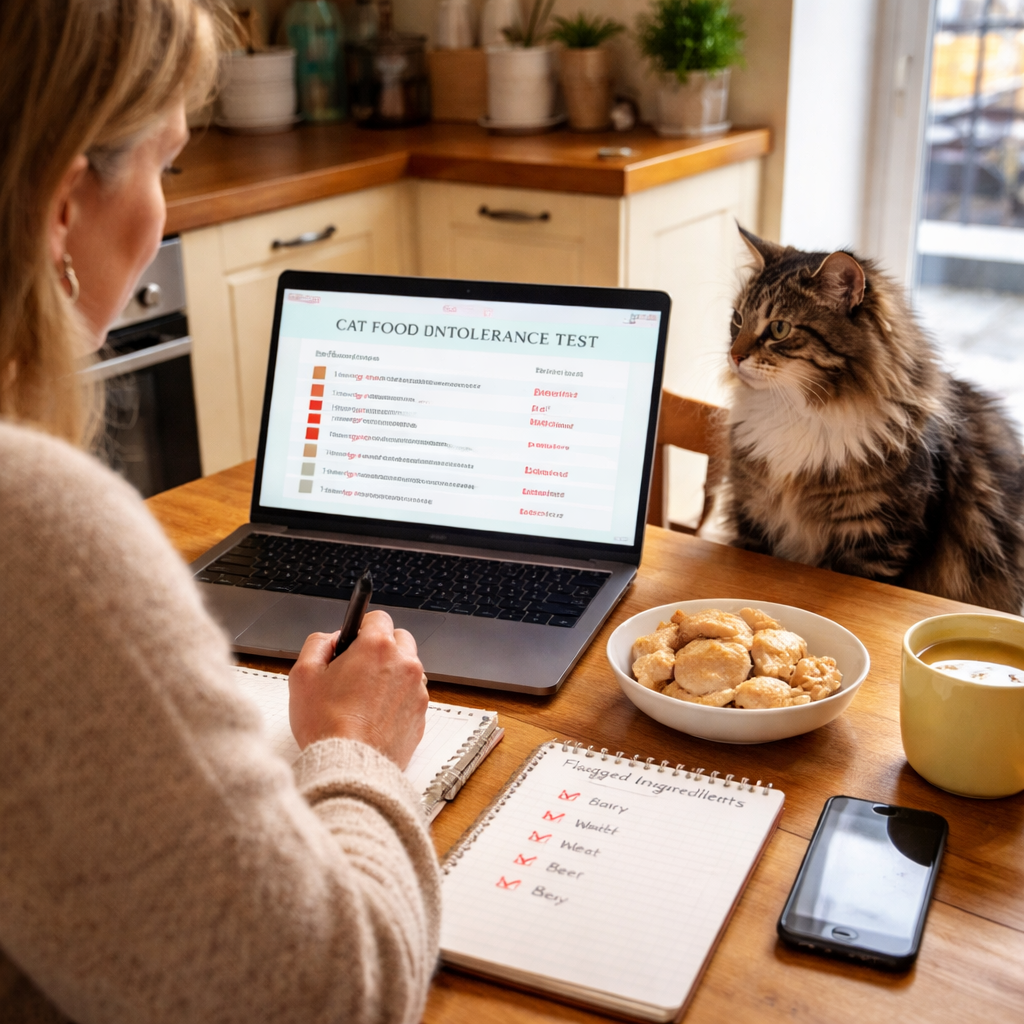
When the email lands, you’ll see three colour‑coded groups – high, moderate and low. That’s your map. The higher the rating, the sooner you should drop that ingredient.
Match the list to what you feed
Grab your food diary. Does the high‑sensitivity list include chicken? If you’re still feeding a chicken‑based kibble, swap it for a novel protein like rabbit. If the list flags wheat but you use a grain‑free wet food, you’re already safe there.
Plan a short‑term elimination trial
Pick one “high” item and replace it with a bland, single‑protein diet for 7‑10 days. Keep water plain – no milk or broth. Track any change in stool, itching or energy.
FirstVet explains that a strict elimination diet helps confirm the trigger and avoids accidental re‑exposure food‑trial guide. Stick to the new food, no treats, no table scraps.
Watch for setbacks
If symptoms improve, you’ve likely hit the right spot. If they stay the same, move to the next high‑sensitivity ingredient. Keep the diary tight – note the day you made the switch and any tiny flare‑up.
Don’t rush to change everything at once. A step‑by‑step approach lets you see which change actually helped, saving you from unnecessary diet overhauls and extra cat food intolerance test cost uk later on.
Plan the next diet change
Once you’ve confirmed a culprit, look for a commercial hypoallergenic diet that omits it. Many UK brands label “limited ingredient” or “hydrolysed protein” on the bag. If you prefer homemade meals, work with a vet to keep the nutrition balanced.
Tip: Keep a spare bag of the new diet on hand. Running out forces a slip‑up and can reset the trial.
Remember, the goal isn’t to make life harder for your cat. It’s to give you a clear, affordable path forward – one that fits your budget and your cat’s palate.
When you’ve settled on a safe diet, you can stop worrying about the next cat food intolerance test cost uk and focus on enjoying calmer evenings with a happier pet.
Conclusion
You’ve walked through spotting signs, picking a kit, sending a sample, and tweaking the diet. The process keeps the focus on one thing: getting your cat feeling better without blowing your budget.
Remember, the cat food intolerance test cost uk can range from about £70 for a basic kit to around £130 for a fuller panel. It’s a small spend compared with ongoing vet visits or endless trial‑and‑error meals.
If you’ve logged the symptoms and sent the fur, the next step is simple, swap the high‑risk ingredients one at a time and watch the improvement. Keep a spare bag of the new food and note any tiny flare‑ups.
So, what’s the bottom line? A modest test can give you clear direction, save you money and peace of mind. Ready to take the next step? Grab a kit that fits your budget and start the journey to a calmer, happier cat.
FAQ
What is the cat food intolerance test cost uk?
The cat food intolerance test cost uk varies by kit. A basic essential kit that checks about 60 common foods usually sits between £70 and £80. A standard kit covering around 200 items costs roughly £120 to £140. The premium option, which looks at 300‑plus triggers, can be £170 to £190. All prices include postage, lab work and an online report, so you know exactly what you’re paying for.
How long does it take to get results from a cat food intolerance test?
Once you send the fur sample, most UK labs return results within two to five working days. If you chose a rapid‑service option, you might see an email in 48 hours. The report comes as a simple list that groups foods into high, moderate and low sensitivities. You can then plan the next diet change without waiting weeks for a vet appointment.
Can I use the test if my cat is on medication?
Yes, you can still send a sample while your cat is on medication, but keep a note of any drugs you’re using. Some medicines, especially steroids, can mask or alter the immune response that the lab looks for. Write the drug name in your diary and mention it when you fill the online form. The lab may flag results as tentative, so you might need a follow‑up test after the meds finish.
Do I need a vet’s referral to order a cat food intolerance test?
You don’t need a vet’s referral to buy a kit from UK Pet Food Intolerance. The test is designed for home use, so you can order it straight from the website. However, many owners find it helpful to discuss the results with their vet, especially if the cat has ongoing health issues. The vet can confirm that any diet changes are balanced and safe.
What items are included in the essential cat food intolerance test?
The essential kit looks at roughly 60 of the most common food triggers for cats. You’ll get results for proteins like chicken, beef and fish, plus dairy, wheat, soy and a few additives such as carrageenan. The list also covers common allergens found in treats and wet food sauces. While it doesn’t test exotic proteins, it catches the majority of everyday ingredients that cause problems.
How can I keep the test affordable?
To keep the cat food intolerance test cost uk low, start with the essential kit and only upgrade if you need more detail. Look for promo codes on the UK Pet Food Intolerance site or sign up for their newsletter – they sometimes share discounts. Buying a single kit instead of a bundle also avoids extra fees. Track your cat’s symptoms carefully so you know exactly which kit level you need.