
Cat itchy skin after eating UK: A practical guide for pet owners
If your cat starts scratching its skin right after a meal, you’re probably wondering if the food is to blame.
It isn’t rare, many UK owners notice red patches, a greasy coat, or a sudden bout of itching within minutes of dinner.
The skin reaction often ties back to a food intolerance, not a true allergy. Intolerances can spark digestive upset, excess gas, and then the skin flare‑up you see.
A quick way to spot the pattern is to keep a simple log. Write down the brand, flavour, and any new ingredient each time you feed, then note any itch, redness or hair loss that follows.
If the diary shows a clear link, say a chicken‑based kibble that always triggers a rash, you’ve found a suspect. The next step is to test that suspicion.
One practical way to confirm is an at‑home food intolerance test. You collect a small stool sample, send it to an accredited lab, and get a clear report that points out which proteins or additives are causing the trouble.
Armed with those results you can switch to a hypo‑allergenic recipe or a limited‑ingredient brand, watching the skin calm down over the next few weeks.
If you need a quick reference on what signs to watch, check out our guide on Understanding cat food intolerance symptoms, it breaks down the common skin clues and how they link to diet.
Remember, any persistent itch deserves a vet check, the test helps you narrow down food triggers, but it isn’t a substitute for professional advice.
Common Food Triggers That Can Cause Itchy Skin
If your cat starts scratching right after a bowl, chances are something in the food is the culprit.
Most cats react to certain proteins. Chicken, fish and beef are common offenders. When a cat is sensitive, even a small bite can set off an itchy rash.
Dairy can be a hidden trigger. Many wet foods use cheese or milk powder as flavour boosters. A splash of dairy can cause redness that looks like a rash.
Grains such as wheat, corn or rice may seem harmless, but some felines develop a gut upset that shows up as skin irritation. Switching to a grain‑free recipe often helps.
Additives and preservatives are another sneaky cause. Colourings, flavour enhancers and artificial sweeteners can irritate a cat’s skin from the inside out.
Eggs and soy are often used as binders in kibble. Some cats find them hard to digest, which can surface as itchy patches on the chin or ears.
To spot the pattern, print a simple food‑log and mark any itch after each meal. A quick print job from Jiffy Print Online gives you a handy sheet you can stick on the fridge.
If you suspect a food trigger, an at‑home intolerance test can give you a clear picture. Services like UK Pet Food Intolerance let you send a small stool sample to a lab, then get results online that point out the specific proteins to avoid.
Keep your cat’s diet simple while you test. A single protein source, like turkey, mixed with water lets you see if the skin calms down. If it does, you’ve narrowed the list.
Look for repeat offenders and cut them out for a couple of weeks. If the itching eases, you’ve likely found a trigger. For more detailed guidance, you might read the advice on Lyndsey Crawford about pet nutrition, or explore the French resource from CV Adapt that lists common allergens.
How to Observe and Record Your Cat’s Symptoms
When your cat starts scratching after dinner, the first thing to do is to watch and write down what happens.
Step 1: Pick a place to log. Grab a small notebook, a spreadsheet, or a note‑taking app on your phone. Keep it near the feeding area so you can add details straight away.
Step 2: Record the meal. Write the date, the exact time you served the food, the brand name, the flavour and any new ingredient you notice. A short line like “10 am – Tuna pâté, new pea fibre” is enough.
Step 3: Note the cat’s reaction. Within the next hour, jot down any itching, redness, hair loss, ear rubbing or sudden grooming. Use simple words: “itching behind ears”, “red patch on belly”, “excessive licking”. If you see the behaviour later in the day, add a second entry with the time.
Step 4: Keep track for at least a week. Do this for every meal, even the ones that seem fine. After seven days you’ll start to see if certain foods line up with flare‑ups.
Tip: Snap a photo. A quick phone picture of any rash or hair loss gives you a visual record you can compare day by day. Store the image in the same folder as your notes.
Here’s a tiny table you can copy:
- Date / Time
- Food (brand + flavour)
- New ingredient?
- Symptom observed
- Time of symptom
When the pattern becomes clear, you’ll have solid evidence to show a vet or to try a limited‑ingredient trial. And if you need a more scientific read‑out, a home food intolerance test from UK Pet Food Intolerance can turn those notes into a lab‑backed report.
By sticking to this simple log, you’ll spot triggers faster and give your cat a calmer, happier life.
Comparison of Hypoallergenic Cat Foods
If your cat shows itchy skin after eating, a hypoallergenic diet can be a game changer. Below are three solid options you can find in most UK pet shops.
Option 1: Hydrolysed protein formula
This type breaks the protein into tiny pieces your cat can’t recognise as an allergen. It’s often recommended when other diets have failed. Look for a label that says “hydrolysed chicken” or “hydrolysed fish”.
Option 2: Single‑source novel protein
Choose a recipe that uses only one new protein, like rabbit or venison, and no other animal meals. The idea is to give your cat a clean slate and see if the itch fades.
Option 3: Grain‑free limited‑ingredient
These kibbles keep fillers to a minimum and swap wheat or corn for peas or sweet potato. They’re useful if you suspect a grain is part of the problem.
What should you check on the bag? First, the protein source. Second, any added colourings or flavour enhancers – they can still irritate skin. Third, the guaranteed analysis: look for low ash and low filler levels.
And remember, a diet change is only one piece of the puzzle. If you’ve logged meals for a week and the itch still shows up, a test from UK Pet Food Intolerance can point out the exact protein or additive that’s the culprit.
Here’s a quick side‑by‑side view to help you compare:
| Food type | Main protein | Key hypoallergenic feature |
|---|---|---|
| Hydrolysed protein formula | Hydrolysed chicken or fish | Protein broken into tiny fragments |
| Single‑source novel protein | Rabbit or venison | Only one new animal protein |
| Grain‑free limited‑ingredient | Pea or sweet potato based | Minimal fillers, no wheat/corn |
Pick the one that matches your cat’s taste and your budget. Keep tracking symptoms for a week after the switch. If the rash eases, you’ve likely found the trigger. If not, consider a professional test to get clearer answers.
Managing Itchy Skin at Home
First, give your cat a calm space. A quiet room with a soft blanket lets them settle when the itch hits.
Next, check the skin. Look for red patches, flakes, or hair loss. If you spot more than a few spots or your cat is scratching more than four times a day, note it – the PDSA says excessive scratching can signal a deeper issue.
Then, try a gentle bath. Use a mild, hypo‑allergenic cat shampoo that rinses clean. Warm water, a few short strokes, and a towel‑dry will calm the surface. Avoid human soaps or strong fragrances.
After the bath, apply a soothing wipe. A wipe with aloe or oatmeal can reduce irritation without needing a prescription. Many owners find these wipes helpful for quick relief.
Give your cat a short diet trial. Switch to a limited‑ingredient formula for seven days, watching the skin each evening. Keep a simple log: date, food, any new ingredient, and what you see on the coat. If the rash fades, you may have found the trigger.
Consider an at‑home intolerance test if the itch persists despite the bath and diet trial. A test from UK Pet Food Intolerance can turn your notes into a lab‑backed report, pointing out the exact protein or additive that’s bothering your cat.
A cool compress can bring instant relief. Wrap a clean, damp cloth in a thin towel, chill it in the fridge for a few minutes, then gently press it on the itchy area for 5‑10 minutes. This simple trick can calm inflammation without any chemicals.
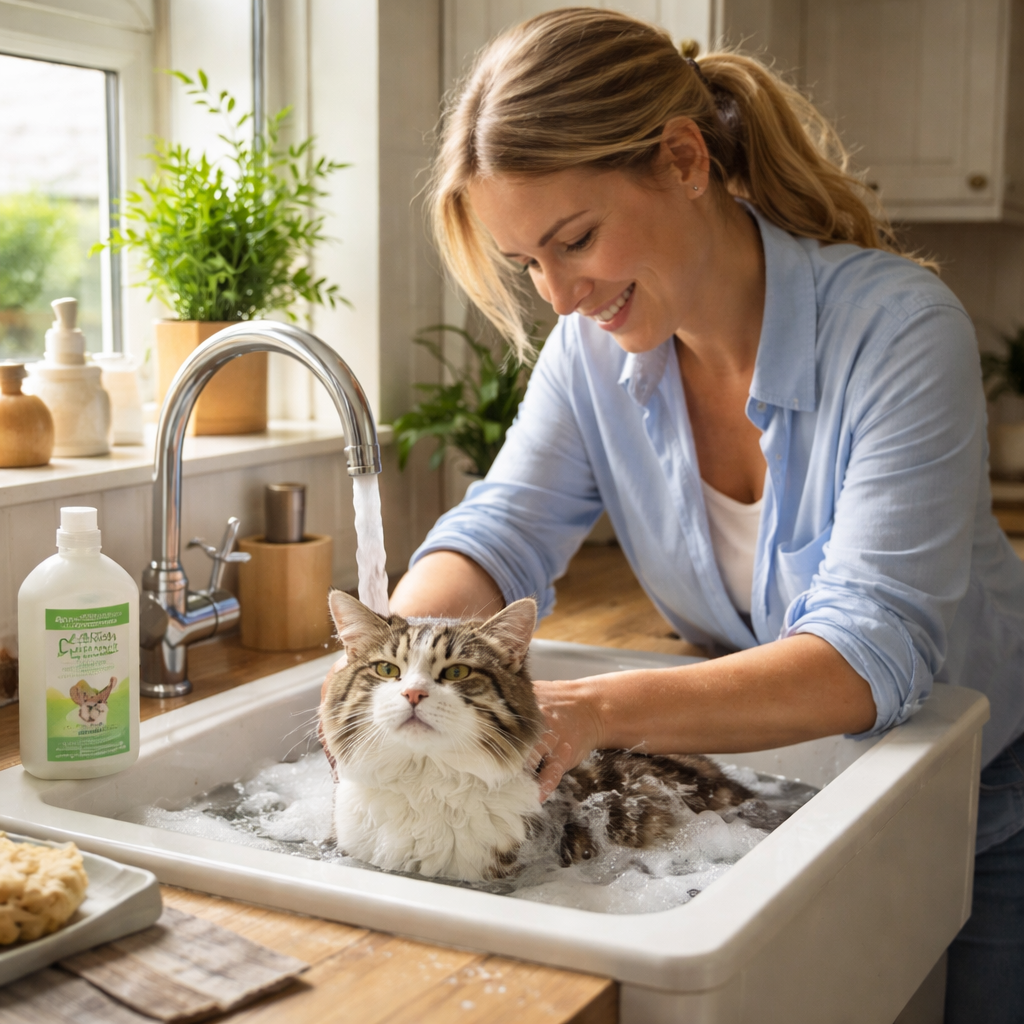
Finally, keep the environment tidy. Regularly wash bedding, vacuum carpets, and wipe down feeding bowls. Reducing dust and residue helps stop secondary irritation.
If the skin still looks sore after two weeks, book a vet appointment. Home steps can ease mild flare‑ups, but a professional check is essential for chronic problems.
When to Seek Veterinary Advice
If your cat keeps scratching right after a meal, you might wonder whether it’s time to call the vet.
A few red spots that fade in a day or two are usually okay, but anything that lasts longer needs professional eyes.
Here’s a quick checklist: if you see any of these, book an appointment today.
Persistent redness or swelling: the skin stays pink or puffy for more than 48 hours.
Excessive grooming: your cat spends more than a few minutes each session licking or biting a spot.
Open sores or oozing: you can see crusts, blood, or a foul smell.
Changes in appetite or litter habits: the cat eats less, vomits, or has soft stools alongside the itch.
Fever, lethargy or weight loss: the cat feels weak, sleeps a lot, or seems to be dropping pounds.
Veterinarians will first rule out common culprits like fleas, mites or bacterial infections. The PDSA notes that these are the usual first steps before looking at food sensitivities PDSA explains. If the vet finds no parasite or infection, they may suggest a food trial or an at‑home intolerance test to pinpoint the trigger.
If the vet prescribes medication, follow the dosage exactly and keep a log of any side‑effects. Note when the itch eases or flares again, that record helps the vet decide if diet, medication or a mix is best.
A quick phone call can also give you advice on whether the cat needs an urgent visit or can wait a day or two. Vets often ask for the same log you’ve been keeping, so having it ready speeds up the process.
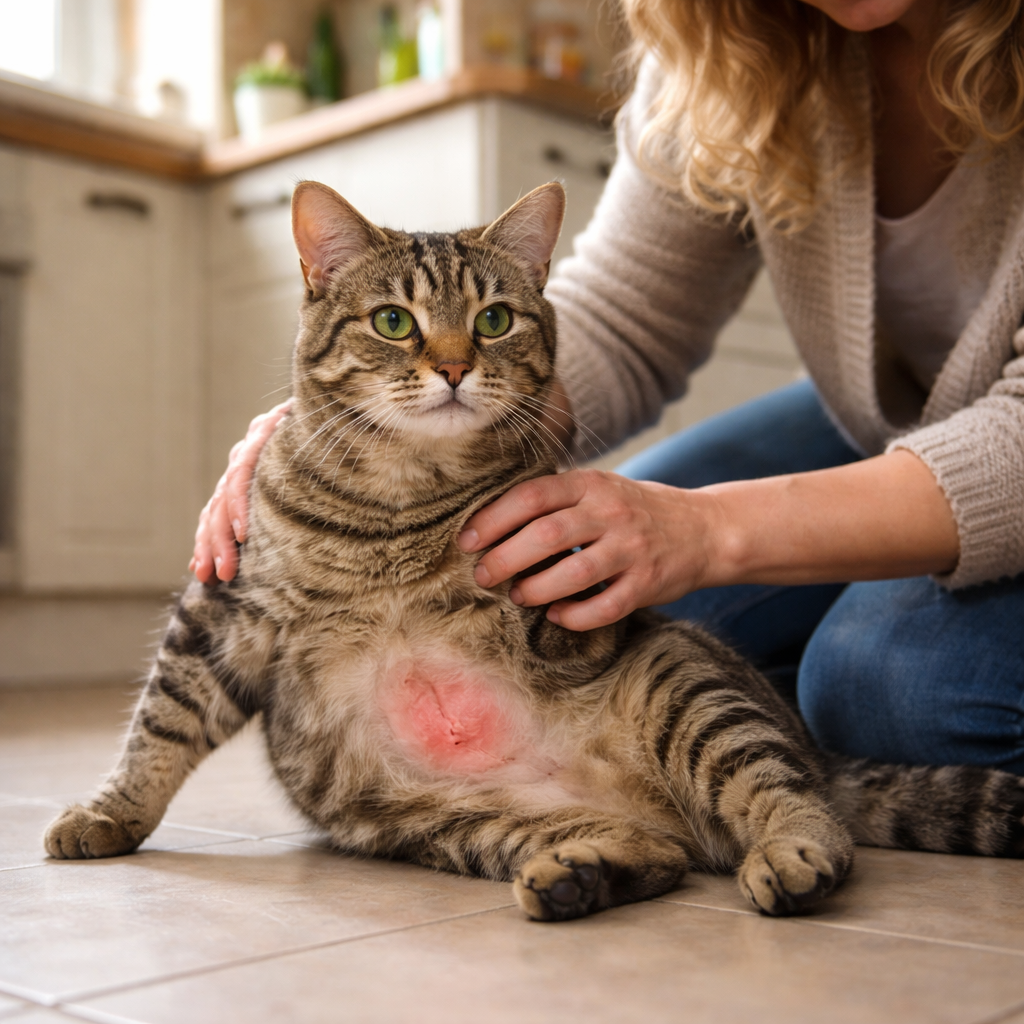
Bottom line: don’t wait for weeks. If any of the warning signs above appear, get a vet in within a couple of days. Early help stops the problem from getting worse and gets your cat back to a calm, happy life.
Conclusion
Dealing with cat itchy skin after eating uk can feel like a mystery you never solve. But you’ve now got the basics: watch, log, test, and act.
Keep a simple diary for a week. If the rash eases when you switch to a limited‑ingredient diet, you’ve likely found the trigger.
When the itch stubbornly returns, a home food intolerance test from UK Pet Food Intolerance can turn those notes into clear, lab‑backed guidance.
Remember, a vet’s eye is still the gold standard for any persistent problem. Use the vet’s advice together with your own observations for the best outcome.
So, what’s the next step? Grab a notebook, note the next meal, and watch the skin. A few small actions today can spare weeks of scratching tomorrow.
FAQ
What causes my cat’s itchy skin right after a meal?
Most of the time the itch is a food intolerance. When a cat eats a protein or additive it can’t break down, the gut makes gas and the skin reacts. Common triggers in the UK are cheap chicken kibble, fish meals, dairy treats and grain fillers like wheat or corn. The reaction can show up within minutes or a few hours, so watching the timing helps you spot the link.
How long should I keep a food diary to see if the diet is the problem?
Keep a simple diary for at least seven days. Write down the date, time, brand, flavour and any new ingredient, then note any itch, red patch or extra grooming you see in the next hour. A week gives enough repeats to spot patterns, especially if you rotate between a few foods. If the same meal shows up every time the skin flares, you’ve likely found the trigger.
What should I do if the itch continues even after switching to a limited-ingredient diet?
When the rash stays after a diet change, it may be a hidden additive or a secondary issue like parasites. First, check the new food label for any colourings, flavour enhancers or small amounts of grain. If nothing obvious shows, a home food intolerance test from UK Pet Food Intolerance can give lab-backed results that point out the exact protein or additive causing trouble.
Can stress or environment cause itchy skin, or is it always food?
Stress can make a cat scratch more, but it usually won’t cause a red rash right after a meal. Environmental irritants like dusty bedding or harsh cleaning sprays can add to the problem, especially if the skin is already sensitive. Look at the whole picture: if the itching appears only after eating, food is the likely cause; otherwise, check the litter, grooming tools and any recent changes at home.
Is an at-home test reliable, and do I need a vet’s go-ahead?
An at-home test is reliable for spotting which proteins or additives the cat reacts to, because a lab analyses the stool sample with proven methods. It isn’t a medical diagnosis, so you still need a vet to rule out infections, mites or other skin diseases. Use the test results as a guide for the next diet trial, then bring the log and report to the vet for a full check-up.
How often should I re-test if my cat’s diet changes?
If you switch to a new food, wait at least four weeks before re-testing. That gives the gut time to settle and any lingering skin signs to fade. After the trial, collect a fresh stool sample and send it in. Regular re-testing every few months can help you catch new sensitivities, especially if you add treats or change the protein source often.