

Understanding cat food intolerance symptoms: a practical guide for UK owners
Ever watched your cat stare at the bowl, then suddenly dash off to the litter tray with a look that says “something’s not right”?
Maybe you’ve noticed a patch of dry skin behind the ears, or a persistent itch that turns a calm mouser into a furry tornado. Those moments feel like a secret language only your pet is speaking – and the words are “food intolerance”.
Cat food intolerance symptoms can be sneaky. The most common signs are soft, greasy stools or occasional diarrhoea, but you might also see occasional vomiting, excessive flatulence, or a noticeable loss of appetite. When the skin gets involved, it’s usually a red, flaky rash on the neck, paws or tail base, and your feline might spend hours grooming, leaving you with a carpet of fur.
So, how do you know if it’s truly an intolerance and not a fleeting tummy upset? Think about the pattern: does the issue flare up after you introduce a new treat, or after switching to a different brand of wet food? Do the symptoms linger for more than a day or two? If the answer is yes, you’re probably looking at a food‑related trigger.
Many cat owners try the classic elimination diet, but that can take weeks of bland meals and careful re‑introductions – not exactly a weekend project. That’s where a simple at‑home test can save you time and guess‑work. At UK Pet Food Intolerance we’ve seen owners get clear, lab‑backed results in under a week, so they can pinpoint the exact ingredients that set off the sniffles, the itch, or the upset tummy.
Imagine you’ve just discovered that your cat reacts to a common protein like chicken. Armed with that knowledge, you can switch to a novel‑protein diet, watch the symptoms fade, and finally enjoy a calm cuddle session without the constant scratching.
Ready to stop guessing and start understanding? Let’s dive deeper into the specific signs you should be watching, and how a quick fur‑sample can give you the answers you need.
TL;DR
If your cat keeps showing soft, greasy stools, occasional vomiting, or itchy, flaky patches behind the ears, those are classic cat food intolerance symptoms that often linger longer than a simple tummy upset.
A quick at‑home fur sample test can pinpoint the exact ingredients causing the trouble, letting you switch to a suitable diet and finally enjoy calm cuddle sessions without the guessing game.
Step 1: Recognise digestive signs of cat food intolerance
First thing’s first – if your feline looks like they’ve just taken a sudden detour to the litter tray after a mealtime, pause and ask yourself: is this a one‑off upset or a pattern?
We’ve all had those moments when the cat‑bowel drama seems to come out of nowhere – a soft, greasy stool one day, a little vomit the next, and then a day of “nothing’s wrong”. The trick is to spot the consistency in the chaos.
Typical digestive red flags
- Soft, greasy or foamy stools that linger longer than 24‑48 hours.
- Occasional vomiting that isn’t tied to hairballs or a sudden change in diet.
- Excessive flatulence – yes, you can actually hear it in a quiet living‑room.
- Frequent, small trips to the loo rather than a single, solid dump.
- Loss of appetite or sudden pickiness that wasn’t there before.
Notice how many of these symptoms overlap? That’s because they often share the same underlying trigger – a food ingredient your cat’s gut just can’t tolerate.
Take a moment to picture the stool. Is it pale, almost butter‑like, or does it have a slick, oily sheen? Those visual clues are gold when you’re trying to differentiate a simple stomach upset from an intolerance.
Vomiting can be tricky. If it’s a single episode after a new treat, it might just be a hiccup. But when you start seeing a pattern – say, after you switch to a new wet food – that’s a sign the protein or filler could be the culprit.
Flatulence isn’t just embarrassing; it signals that the cat’s digestive enzymes are struggling to break down something. A bloated belly or an uncomfortable “puffed‑up” look often accompanies it.
Appetite swings are another tell‑tale sign. If your cat suddenly snubs their favourite pâté or refuses to finish a bowl they used to love, their gut might be sending a distress signal.
How to track the clues
Grab a simple notebook or use a notes app on your phone. Jot down the date, what you fed, any observed stool changes, vomiting, or unusual behaviour. Over a week or two, patterns will emerge – maybe a particular brand of kitten food, or a new dental treat.
We’ve found that most cat owners who keep a quick log can spot the trigger within ten days, especially when they combine the diary with an at‑home fur‑sample test. Platforms like UK Pet Food Intolerance make sending a sample painless, and the lab results usually arrive within a few days, giving you a clear picture of which ingredients to avoid.
Below is a quick cheat‑sheet you can print out and stick on the fridge:
- Check stool colour and consistency after each meal.
- Note any vomiting – time, frequency, and what was eaten.
- Record any flatulence or bloating.
- Mark changes in appetite or drinking water.
Once you have a handful of entries, compare them against any recent diet changes. If the same ingredient shows up each time, you’ve likely found the intolerance.
Ready for a visual rundown? The short video below walks you through a typical cat‑owner’s diary set‑up and how to spot the warning signs.
Take a breather after watching – then grab that notebook and start logging. The sooner you catch the pattern, the quicker you can act, whether that means tweaking the diet or sending a fur sample for testing.

Action step: Over the next seven days, write down every meal you give your cat and any digestive reactions. At the end of the week, compare notes and decide if a specific ingredient repeats. If it does, consider using an at‑home intolerance test to confirm and then switch to a novel‑protein diet. You’ll be on your way to calmer evenings and fewer surprise trips to the litter tray.
Step 2: Identify skin‑related symptoms
If your cat’s itching seems to pop up right after meals or treats, you’re not imagining it. Skin clues are often the first sign something in the diet isn’t sitting right. Let’s look for the patterns that really matter.
Skin signs to spot
Red, inflamed patches behind the ears, on the neck, or at the base of the tail show up more often than you’d think.
Persistent scratching that turns into tiny scabs or patches of hair loss is another red flag.
A greasy or waxy coat around a rash can be a telltale sign that the skin is reacting to something in the diet.
Over‑grooming, rolling on the carpet, or rubbing the face and neck against furniture can all accompany a skin flare.
Look for hotspots that keep returning even after you treat them, especially if they recur after a new food or snack enters the scene.
When skin signs point toward food intolerance
Remember, skin symptoms can mirror other issues too. Flea bites, mites, infections, or environmental allergies can all mimic food‑related reactions. It’s not always one cause, and that’s why you need a careful approach.
True allergies in cats are less common than you might fear, but they exist and can look like a mix of skin problems. For a clear distinction between allergies and intolerances, Purina offers a helpful explanation: true allergies are rare and can look like a range of skin symptoms, which makes diagnosis tricky. Purina explains the difference between allergies and intolerances.
Alongside this, it’s wise to involve your vet to rule out other causes. The PDSA emphasises that a vet should supervise any food trials to ensure your cat still gets all the nutrients they need and to help interpret how skin changes respond to diet. PDSA on food allergies in cats.
So, what should you do next? Start with careful notes: when the flare starts, what you’ve fed that day, and any new treats or bowls you’ve introduced. Patterns are your friend here.
Next, consider a structured elimination approach under veterinary guidance. A short‑term diet change can reveal whether a specific ingredient is driving the skin reactions. If the itching eases, you’ve likely found a trigger; if not, other causes merit exploration with your vet.
For a practical testing pathway that helps you move from guesswork to clarity, read our Cat Food Sensitivity Test UK guide. Cat Food Sensitivity Test UK: A Practical Guide for UK Pet Owners.
Finally, don’t rush through this. Skin symptoms can be stubborn, and you might need to revisit the diet trial after a break or adjust the protein source. Stay calm, log everything, and prioritise your cat’s comfort and nutrition above all.
Step 3: Track stool changes and gas
Alright, you’ve already spotted the itchy patches and the occasional vomit – now it’s time to get a handle on what’s happening in the litter tray. The truth is, your cat’s stool and any noticeable flatulence are the most honest reporters of a food intolerance.
Why stool matters
When the gut can’t break down an ingredient, the leftover waste shows up as softer, greasier, or even watery poo. That’s a direct clue that something in the diet isn’t sitting right. It also tells you whether the problem is fleeting or chronic – a single loose stool might be a one‑off, but a pattern of soft stools over weeks screams “food intolerance”.
What to look for
Keep an eye on colour, consistency and scent. A normal cat stool is firm, dark brown, and only faintly odorous. If you notice:
- soft, buttery‑looking piles that cling to the litter,
- grey‑ish or pale brown messes,
- mucus ribbons or a foamy surface,
- frequent trips to the box (more than three times a day),
you’ve got a red flag.
Gas – the silent symptom
Flatulence isn’t just a funny moment; excessive gas can indicate that the microbiome is struggling with an undigested protein or carbohydrate. excessive gas in cats often accompanies the same stool changes you’re watching, so treat them as a paired symptom.
How to log it
Grab a small notebook or use a notes app on your phone – whatever feels least like a chore. Write down the date, the exact time you fed, the brand and flavour, and any treats or new toys you introduced. Then, as soon as you spot a stool, note its appearance and whether you heard a “toot”. A quick “5 pm – chicken pâté – soft, greasy, smelly – tiny gas” line is enough.
Details that make a difference
Don’t stop at food. Include:
- any medication or dewormer given that day,
- stress triggers (new cat, moving house, vet visit),
- changes to litter type or box location,
- weather – cold spells can affect gut motility.
These extra pieces help you separate a true intolerance from a temporary upset.
Turn notes into a chart
At the end of each week, transfer your entries onto a simple grid: columns for “Food”, “Stool”, “Gas”, “Other”. Highlight rows where the stool was soft or gas was noted. Patterns pop out faster when you can see them side by side.
Spotting patterns
Ask yourself: does a particular protein (say, chicken) always line up with soft stools? Do treats containing dairy show up right before a gassy episode? If the answer is yes, you’ve homed in on a suspect.
Real‑world example
Imagine Lucy, a three‑year‑old tabby, starts a new salmon pâté on Monday. By Tuesday night you record three soft, greasy stools and a faint “pfft” after each. You switch back to her old turkey diet on Thursday, and the next two days the litter box looks normal. That quick reversal tells you salmon is the trigger – a classic cat food intolerance symptom.
Tips for consistency
Make logging a ritual: right after cleaning the box, add a line to your notebook before you move on to the next task. Set a reminder on your phone if you tend to forget. The more consistent you are, the clearer the picture becomes.
When to call the vet
If you see blood, black tarry stools, or your cat loses weight despite eating, it’s time to involve a professional. Also, if the pattern persists for more than two weeks despite changing foods, a vet can rule out underlying diseases like IBD.
Bottom line: a tidy stool‑and‑gas log is your secret weapon. Spend a few minutes each day noting what you feed and what shows up in the litter, and you’ll be able to pinpoint the culprits without endless trial‑and‑error.
Take the next step now – grab that notebook, start the log, and watch the patterns emerge. Your cat’s comfort (and your sanity) will thank you.
Step 4: Observe behavioural clues and discomfort
Now that your stool and gas log is ticking along, it’s time to widen the net and tune into the more subtle signals your cat is sending you. Behavioural clues often show up before any obvious mess in the litter box, and spotting them early can save you weeks of guess‑work.
Why behaviour matters
Think about the last time your cat seemed a bit off – maybe she lingered by the food bowl longer than usual, or she started pawing at the carpet with an uneasy rhythm. Those little quirks can be the body’s way of saying “something doesn’t sit right” and are a core part of cat food intolerance symptoms.
Key behaviours to watch
- Increased grooming or a sudden binge‑grooming session, especially around the neck, tail base or paws.
- Restlessness – pacing, jumping onto furniture you normally keep off‑limits, or frequent trips to the water bowl.
- Vocal changes – a higher‑pitched meow, an extra whine after meals, or a low growl when you try to pet her.
- Changes in activity levels – a normally playful kitty becoming withdrawn or, conversely, hyper‑active.
- Reluctance to eat the usual food, sniffing then walking away, or eating much slower than normal.
Step‑by‑step observation checklist
1. Pick a consistent time slot. The best moments are right after a meal or before the evening wind‑down. Set a reminder on your phone so you don’t miss it.
2. Take a quick note. Jot down the date, the food you just served, and the exact behaviour you observed. A line like “6 pm – salmon pâté – extra grooming, tail‑base scratching” is enough.
3. Look for patterns. After a week, scan your notes. Does the extra grooming always follow a particular protein? Does the pacing spike when you introduce a new treat?
4. Cross‑reference with your stool log. If a grooming flare lines up with soft stools, you’ve got a double‑check that the food is likely the culprit.
5. Ask yourself “what else changed?” New litter, a moved feeding station, or a noisy vacuum can also cause stress‑related behaviours, so note those too.
Real‑world example
Imagine you’ve swapped to a chicken‑based wet food on a Tuesday. By Wednesday evening you notice Bella, your ginger tabby, starts scratching at the base of her tail more than usual and makes a soft whine every time you try to pet that spot. You log it, and the next day her stool turns soft and greasy. The overlap of skin‑related discomfort and digestive change points straight to the chicken as a likely trigger.
When to involve the vet
If you see any of the following, give your vet a call straight away: persistent vocal distress, sudden aggression, refusal to eat for more than 24 hours, or a noticeable weight loss despite normal food intake. Behavioural shifts can sometimes mask an underlying medical issue that needs professional attention.
Putting it all together
At the end of each week, pull your behavioural notes into a simple table alongside your stool and gas entries. Highlight any rows where two or more symptoms line up – that’s your “red flag” zone. Once you’ve identified a suspect ingredient, you can either pause that food for a few days or try a novel‑protein trial, then watch the behaviour chart for improvement.
Remember, cats are masters at hiding discomfort, so the more attentive you are to those tiny changes, the quicker you’ll pinpoint the cause. Your notebook becomes a conversation between you and your feline, translating those silent meows into actionable steps.
So, grab that notebook, keep your eyes on the little quirks, and let the behavioural clues guide you to a calmer, happier cat.
Step 5: Conduct a simple at‑home elimination trial
So you’ve got the stool log, the behaviour notes and a vague suspicion that something in the bowl isn’t sitting right. The next logical move is to run a short, controlled elimination trial right in your own kitchen. It sounds a bit like a science experiment, but trust me – it’s as straightforward as swapping one brand of wet food for another for a week.
Why bother with a trial at all? Because cat food intolerance symptoms can be sneaky. A single ingredient can trigger soft, greasy stools one day and a bout of itching the next. By isolating that ingredient, you give yourself a clear signal – and you stop guessing.
Gather your supplies
First, pull together everything you’ll need: a fresh, single‑protein, grain‑free wet food that your cat hasn’t tried before (think rabbit, venison or duck), a small container for each day’s portion, and a notebook or notes app. If you’re using an at‑home test kit from UK Pet Food Intolerance, have that kit handy too – the fur sample can be collected while the trial is running, so you get results as soon as the diet phase ends.
Pick a simple baseline diet
Choose a diet that is as bland as possible while still being nutritionally complete. In our experience, a single‑protein, limited‑ingredient formula works best because there are fewer variables to muddle the results. Make sure the new food doesn’t contain any of the usual suspects – no chicken, no dairy, no fish if those are the ingredients you suspect.
Set a clear timeline
Mark a start date on your calendar and stick to a 7‑day window. The rule of thumb is: feed only the new food for the entire period, no treats, no table scraps, no extra supplements. If you need to give medication, ask your vet for a version that won’t interfere with the trial. Consistency is the secret sauce; even a tiny nibble of the old food can reset the process.
Record daily observations
Each morning, jot down the exact amount you served, the time you fed, and any immediate reactions – did your cat sniff and walk away, or dive in happily? In the evening, note the stool’s consistency, colour, any mucus, and whether you heard a “toot”. Also record any new grooming bouts, vocalisations or changes in activity. A quick line might read: “6 pm – duck pâté – soft, buttery stool, extra chin‑scratching.”
These snippets become a timeline that lets you spot patterns without getting lost in the noise.
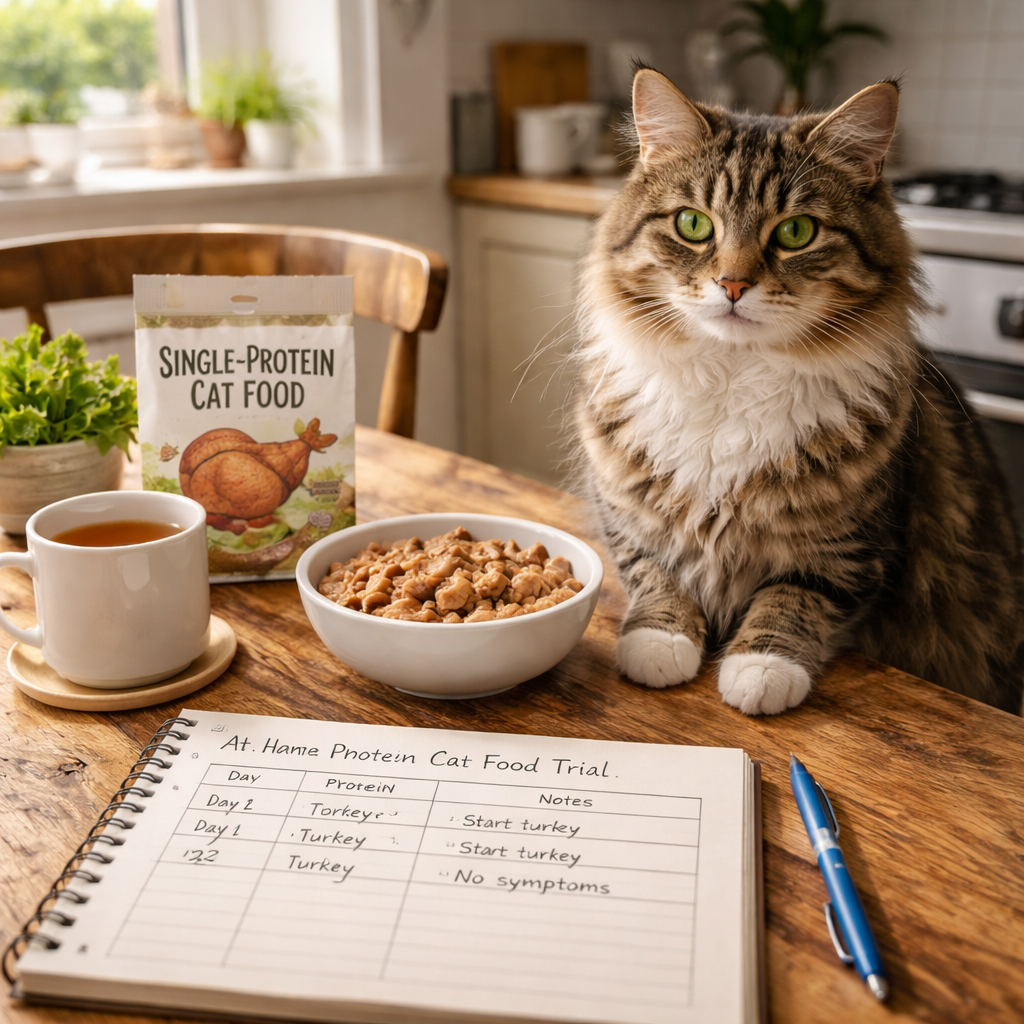
Watch for cat food intolerance symptoms
During the seven days, keep an eye out for the classic red flags: soft, greasy stools; occasional vomiting; excessive flatulence; and any new skin irritation or over‑grooming. If these symptoms fade or disappear, you’ve likely identified the offending ingredient in the previous diet. If they persist, the problem might lie elsewhere – perhaps a secondary sensitivity or a non‑dietary issue – and a vet visit is warranted.
Switch back and confirm
After the trial, re‑introduce the original food for another five days while continuing to log. If the symptoms return, you have a solid cause‑and‑effect link. If everything stays calm, you’ve probably found a tolerable alternative for the long term.
One practical tip: when you re‑introduce the old food, do it gradually – half a portion of the new food mixed with half of the old for two days, then fully back to the old. This smooth transition helps your gut adjust and gives you a final safety check.
Remember, the goal isn’t to starve your cat or to conduct a lab‑grade study. It’s simply to create a short, clear window where you can see cause and effect. If you’ve already ordered a cat intolerance test kit, you’ll have results in a few days, giving you that extra piece of the puzzle without the wait.
So grab that new protein pouch, set your timer, and start the seven‑day trial. Within a week you’ll have a much clearer picture of which cat food intolerance symptoms belong to which ingredient, and you’ll be one step closer to a calmer, healthier companion.
Comparison: Common cat food allergens and their symptoms
When you first notice your cat sneaking extra grooming sessions or making a beeline for the litter box, you might wonder whether it’s a stray hairball or something in the bowl. The truth is, many of those red‑flag moments are tied to a handful of ingredients that show up in most commercial kibbles and pâtés.
What we’re really looking at
In our experience, the culprits fall into three buckets: protein triggers, dairy or egg‑based additives, and grain‑derived fillers. Each one can set off a slightly different mix of cat food intolerance symptoms, from a rumbling tummy to an itchy, flaky rash.
Protein triggers
Chicken, fish and beef are the usual suspects. A cat that suddenly starts scratching behind the ears, develops a greasy patch on the neck, or shows soft, buttery stools after a chicken pâté is likely reacting to that protein. Fish can be a double‑edged sword – it’s a favourite flavour, but it also pops up on many allergy lists, often causing both digestive upset and skin irritation.
Dairy and egg additives
Even a tiny splash of milk powder or an egg‑based binder can turn a calm mouser into a gassy, uncomfortable one. Look for symptoms like frequent vomiting, foamy vomit, or a noticeable increase in flatulence after a treat that lists “milk solids” or “egg protein” in the ingredients.
Grain fillers
Wheat, corn and barley are cheap fillers that many cats simply can’t tolerate. The result? Loose, watery stools peppered with mucus, and sometimes a dull, patchy coat that looks less glossy than usual. If you spot a pattern of these signs whenever you switch to a budget brand, grains are probably the hidden trouble‑maker.
So, how do you tell which allergen is pulling the strings? That’s where a quick side‑by‑side look at the symptoms helps.
Quick comparison table
| Allergen | Typical digestive signs | Typical skin / coat signs |
|---|---|---|
| Chicken | Soft, greasy stools; occasional vomiting | Itchy ears, red patches on neck, over‑grooming |
| Fish | Flatulence, bloated belly; foamy vomit | Flaky rash on tail base, greasy coat patches |
| Dairy/Egg | Frequent vomiting; gas; foamy stool | Redness around muzzle, dry flaky skin |
| Grains (wheat, corn, barley) | Watery diarrhoea; mucus in stool | Dull coat, hair loss in affected areas |
Notice how the digestive clues often line up with a particular skin reaction? That overlap is a strong indicator you’re dealing with an intolerance rather than a fleeting upset.
What about the big picture? The Pet Experience points out that these allergens are the most common culprits across the UK market, and they stress the value of a limited‑ingredient diet to tease them apart. Read more about the typical allergens and how they manifest. By cutting out the suspect ingredient for a week, you’ll see whether the symptoms ease – a simple, low‑stress experiment you can run at home.
If you’re already juggling a notebook of stool logs and behaviour notes, add a column for “ingredient suspected”. When you notice a symptom spike, jot down the protein or filler you just fed. After a few days, the pattern will usually pop out like a neon sign.
And remember, you don’t have to go it alone. Platforms like UK Pet Food Intolerance make the testing part painless – just a quick fur sample and you’ll get a clear breakdown of which of these common allergens your cat reacts to. That way, you can skip the guess‑work and head straight for a hypoallergenic formula that keeps both tummy and skin happy.
Bottom line: knowing whether chicken, fish, dairy, egg or grains are the trouble‑makers lets you tailor a diet that removes the trigger, quiets the gut, and smooths out those irritating skin flare‑ups. It’s a win‑win for you and your feline friend.
If you see multiple symptoms overlapping – say, soft stools plus a persistent ear rash – it’s a strong cue to run an at‑home intolerance test. The results will pinpoint the exact protein, dairy or grain that’s causing the trouble, letting you switch to a hypoallergenic brand with confidence.
Conclusion
After wading through the gut‑grumbles, itchy spots and those tell‑tale soft stools, you’ve got a clear picture: cat food intolerance symptoms show up in more ways than one, but they always point back to something in the bowl.
So, what’s the next step? Grab that notebook, keep tracking what you feed and what shows up in the litter, and if patterns line up, consider an at‑home test. Platforms like UK Pet Food Intolerance make it easy – a simple fur‑sample and you’ll have a lab‑backed breakdown within days.
Remember, you don’t need to reinvent the wheel. A short elimination trial, a bit of patience, and a bit of data will usually reveal the culprit, whether it’s chicken, dairy, or a hidden grain.
Once you know the trigger, swapping to a limited‑ingredient or novel‑protein diet usually quiets the gut and calms the skin. Your cat will thank you with fewer bathroom trips and more cosy cuddle sessions.
If you’re still stuck or symptoms linger, a quick chat with your vet is always the safest route. They can help fine‑tune the diet and rule out any underlying conditions.
Bottom line: spotting cat food intolerance symptoms, logging the clues, and using a reliable test gives you control over your feline’s comfort – and brings peace of mind back into your home.
FAQ
What are the most common cat food intolerance symptoms I should look out for?
When you start noticing a pattern of soft, greasy stools, occasional vomiting, or a sudden increase in flatulence, those are classic red flags. You might also see a greasy or flaky patch of skin behind the ears or at the base of the tail, and your cat could be over‑grooming that area. In our experience, the combination of digestive upset and skin irritation usually points straight to a food intolerance rather than a random tummy bug.
How can I tell if my cat’s itching is caused by food rather than fleas or mites?
First, rule out external parasites by giving your cat a quick flea check and, if needed, a vet‑prescribed treatment. If the itching persists despite a clean environment, start tracking what you feed and when the flare‑ups occur. A clear link between a new protein or a dairy‑based treat and a rash that reappears after each meal is a strong sign the culprit is in the bowl. A short elimination trial can confirm it.
Is a soft, buttery stool always a sign of food intolerance?
Not always, but it’s a frequent clue. Soft, oily stools often mean the gut can’t break down a particular ingredient, especially proteins like chicken or fish. Look for other accompanying signs – like mucus in the litter or a lingering odour – and note the timing. If the stool softens within a few hours of a specific meal, that’s a solid hint that the food is the trigger.
Can I rely on an at‑home cat food intolerance test to pinpoint the problem?
Yes, an at‑home test gives you a lab‑backed breakdown of which ingredients your cat reacts to. It’s not a medical diagnosis, but it provides a clear list of sensitivities, saving you weeks of guess‑work. Pair the results with your own feeding log, and you’ll have a practical roadmap for swapping to a suitable, limited‑ingredient diet.
How long should an elimination trial last before I see results?
Give your cat at least seven days on a single‑protein, grain‑free diet with no treats or supplements. Most intolerances show a noticeable improvement within that window – softer stools firm up, vomiting stops, and the skin calms down. If after a week the symptoms linger, you might be dealing with a secondary issue, and it’s time to call the vet for further checks.
What should I do if my cat’s symptoms improve but then return after I re‑introduce their old food?
That’s a classic sign the old food contains the offending ingredient. Gradually re‑introduce it over a few days while watching the diary. If the digestive or skin symptoms flare up again, stick with the new, tolerated diet and avoid the trigger. It’s also worth updating your at‑home test results with the new data, so you have a permanent record of what to avoid.
When is it necessary to involve a vet rather than just relying on home testing?
If you notice blood in the stool, rapid weight loss, persistent vomiting, or severe skin infections, book a vet visit straight away. Those signs can indicate underlying conditions like inflammatory bowel disease or infections that need medical treatment. A vet can also help fine‑tune the elimination diet to ensure your cat stays nutritionally balanced while you continue to track the intolerance.


Leave a Reply
Want to join the discussion?Feel free to contribute!