
Managing cat chronic diarrhea caused by food intolerance UK: A practical guide
Your cat’s chronic diarrhoea might not just be a random upset—it could be a clear sign of food intolerance.
When the gut can’t break down a protein or grain, the result is watery stools, occasional vomiting, and a tired look.
The first step is to watch the pattern: note when the episodes start, what you fed, and any other symptoms like itching or flatulence.
A simple at‑home fur test can pinpoint the culprits within days, giving you a list of foods to avoid.
From there, a structured elimination diet lets you confirm the trigger. Start with a bland, single‑protein recipe for six to eight weeks, then re‑introduce one ingredient at a time while keeping a diary.
If you need a step‑by‑step plan, our Pet Food Elimination Diet guide walks you through each stage, from choosing the right base food to monitoring progress.
Remember, a test isn’t a medical diagnosis—it’s a tool to help you and your vet make smarter diet choices.
Taking a proactive health view, like the one championed by XLR8well, can keep both you and your cat feeling their best.
Step 1: Identify common signs and patterns of food‑related chronic diarrhea
First, spot the tell‑tale signs that hint a food is the culprit.
Watch for watery, soft stools that show up at the same time you change kibble or give a new treat. If the loose poo appears a few hours after a meal, note the exact food.
Look for other clues: occasional vomiting, a dull coat, or a bit of flatulence. Some cats also scratch more or develop a mild rash around the belly.
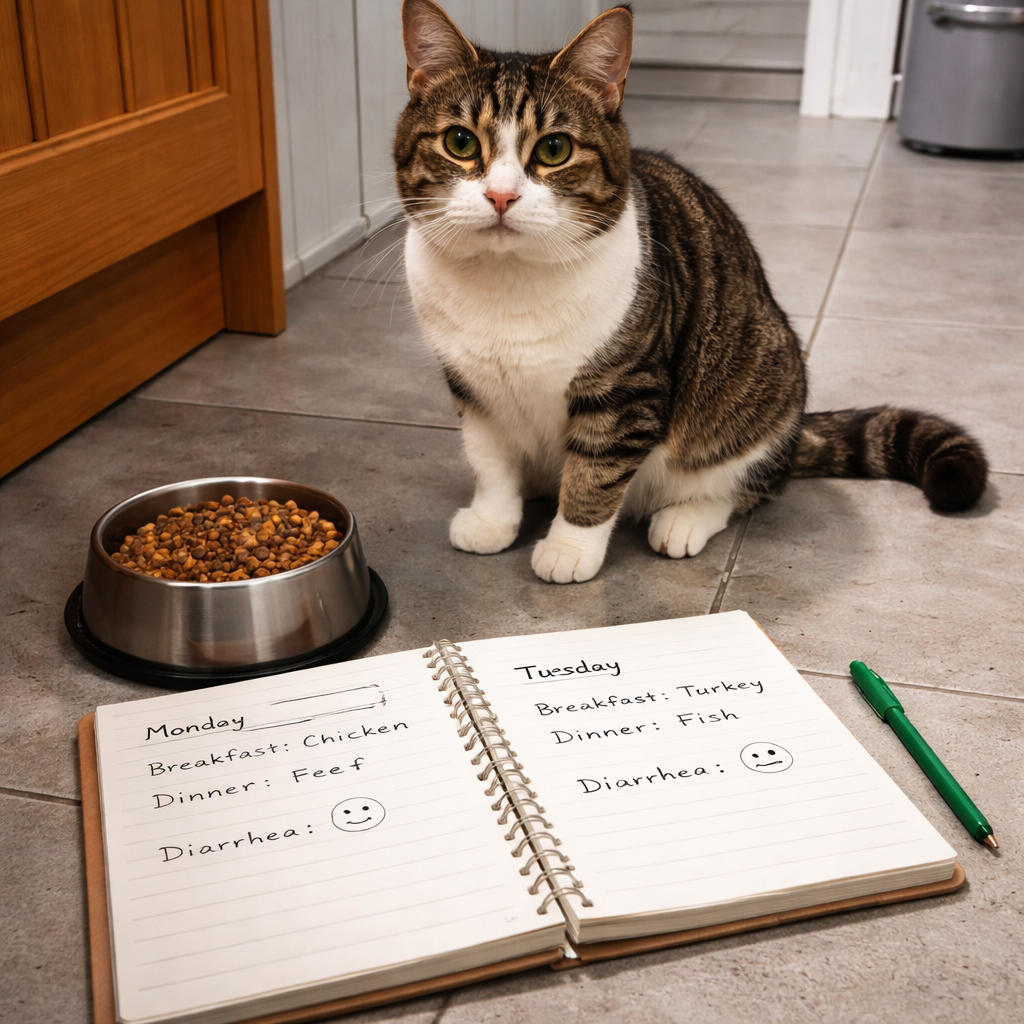
Keep a simple diary. Write the date, what you fed, and any symptom you see. Even a quick note on your phone helps you spot patterns over weeks.
Pay attention to colour and texture. A pale, almost clear stool often points to a lack of fibre, while a dark, tar‑like poop can hint at a different issue. Mucous or blood means you should call your vet right away.
A quick colour‑coded chart can help you spot trends at a glance. Mark each day with a smiley for normal, a neutral face for soft, and a frown for watery. Over a week you’ll see the pattern emerge without any fancy software.
If the diary shows a clear link, you’ve got a strong case to discuss with your vet. They may suggest an at‑home food intolerance test to narrow the list of suspects.
When you step back and review the log, you’ll often see a repeat, same food, same upset. That’s the first solid piece of evidence you need before you move on to testing.
For extra peace of mind, you can check out resources like XLR8well, which share tips on spotting diet‑related gut issues in pets.
Step 2: Keep a detailed food diary and review your cat’s diet
Now that you’ve spotted the first clues, start writing them down.
Use a notebook or phone note. Record date, time, food brand, type (wet, dry, treat) and any new supplement.
Next, note the stool: colour, texture and extra signs like gas or itching.
Add any other symptoms you see that day – dull coat, limp, vomiting.
Keep the same layout every day. A simple three‑column table works: Food | Stool | Other.
Don’t skip meals you think are harmless; even a bite of table food can matter.
After a week or two, line the pages side by side and look for repeats.
If tuna appears each time the poop is watery, that protein is likely a trigger.
Make a short checklist of the repeat offenders and mark each time you feed them.
This gives you a solid lead on cat chronic diarrhea caused by food intolerance uk.
At this stage, a home test from UK Pet Food Intolerance can confirm the sensitivities you’ve flagged, giving clear numbers to discuss with your vet.
Combine the test results with your diary to plan a six‑week elimination diet: cut the flagged foods, then re‑introduce one at a time while you keep noting changes.
When the diary shows normal stools after a food is removed, you’ve found the culprit.
Stick to this routine and turn guesswork into a clear plan.
Step 3: Implement a systematic elimination diet trial
Now that you have a list of suspect foods, it’s time to start the elimination trial. The goal is simple: feed only a single, hypo‑allergenic base for a set period and watch the stool.
Pick a protein your cat has never eaten – many vets suggest a novel source like duck or rabbit. Use a plain wet formula with no additives, no treats, and no table scraps. Keep the bowl clean and refill it at the same time each day.
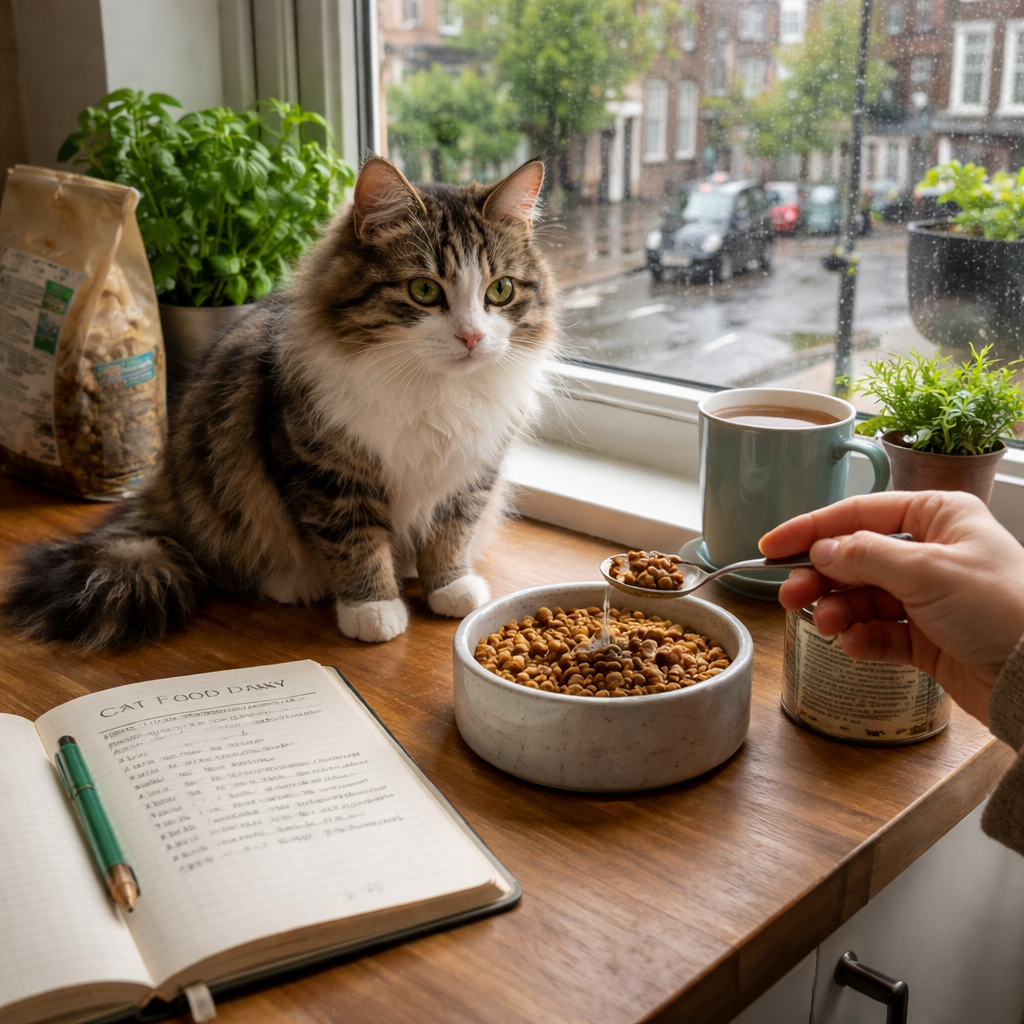
Record everything. Write the date, the exact brand, the amount, and any change in stool colour, texture or frequency. A simple three-column table works well – Food | Stool | Notes. If the stool stays firm for the full six weeks, you’ve likely ruled out that ingredient.
If you see a flare-up, stop the trial and go back to the base diet for a few days. Then re-introduce one flagged food at a time, keeping the same record format. Wait 5-7 days between each new ingredient – that’s how long a reaction usually shows up.
A solid plan looks like this: week 1-2 – base diet only; week 3-4 – add first suspect; week 5-6 – add second suspect, and so on. Keep the diary open and compare the weeks. When the stool returns to normal after a specific food is removed, that food is the likely trigger.
The protocol follows the recommendations from veterinary specialists (official trial guide) and matches the diet trial outline used by UK labs (diet trial outline). This approach helps you pin down cat chronic diarrhea caused by food intolerance uk without guesswork.
Step 4: Re‑introduce foods and track results (includes comparison table)
Now the base diet has steadied your cat’s stool, it’s time to test each suspect. The goal is simple: add one food, watch for a flare, then note the result.
Pick the first ingredient you flagged maybe tuna, dairy, or a grain. Mix a measured scoop into the usual bowl. Keep the portion the same each day for five to seven days. If the stool stays firm, move on. If it softens or you see more gas, write “reactive” in your diary.
Repeat the cycle with the next food. Use the same timing for each trial so the gut has a clear reset period. Most owners find a two day break on the base diet between foods helps the gut settle.
Here’s a quick checklist you can print:
| Food added | Days observed | Reaction |
|---|---|---|
| Tuna chunks | 7 | Soft stool |
| Duck mince | 7 | No change |
| Rice and pea mix | 7 | Increased gas |
Notice the pattern? The foods that cause a reaction are likely the triggers behind cat chronic diarrhea caused by food intolerance uk. Remove them from the permanent diet.
Real‑world example: Emma’s cat, Wessie, reacted to a commercial tuna treat within three days. The stool turned watery and the coat looked dull. After swapping to a hypoallergenic duck formula, the stool firmed up in a week.
Another case: a senior tomcat showed no change when a novel rabbit diet was tried, but a sudden flare up appeared after re adding a grain based snack. The owner cut the snack forever and the cat’s digestion stayed stable.
Tip from vets: keep water fresh and feed at the same times each day. Consistency reduces stress, which can mask food reactions.
For more guidance on choosing low allergen options, see this list of hypoallergenic cat food options.
Step 5: Know when professional veterinary assessment is needed
You’ve done the diary, the trial, the re‑introductions. If the stool still swings, or new signs pop up, it’s time to call a vet.
Look for any of these red flags: blood in the poo, weight loss, vomiting that won’t stop, or a fever. Even a sudden change in behaviour, like hiding more or losing appetite, can mean something deeper.
Another clue is when the elimination diet doesn’t settle after six weeks. If the gut keeps acting up, a vet can run blood work, imaging, or a faecal test to rule out infection, parasites, or inflammatory bowel disease.
Schedule a visit if you see any of the above, or if the diarrhoea lasts more than two weeks despite the diet changes. A quick check‑up can save weeks of guesswork.
Ask the vet to review your food diary. Bring the notes – they show the pattern and help the vet spot the trigger faster.
The vet may suggest a full health screen, including blood panels and an ultrasound. They might also run a specific food intolerance test, like the one UK Pet Food Intolerance offers, to get a clear list of problem ingredients.
Sometimes the vet will recommend a prescription diet that meets all nutritional needs while you keep testing at home.
Remember, a vet’s advice doesn’t replace your own observations, but it adds medical certainty. If you feel stuck, trust that a professional can guide you back to a calm, healthy cat.
After the vet visit, keep recording any changes for at least another week. This helps you see if the new diet or medication is working, and gives the vet clear data for the next check‑up.
For more on what vets look for, see the Cats Protection chronic diarrhoea guidelines.
FAQ
What are the most common signs of cat chronic diarrhea caused by food intolerance uk?
Typical signs include watery or soft stools that show up several times a day, a foul smell, and occasional vomiting. You might also see a dull coat, more gas, or your cat scratching more often. These clues often line up with a food trigger, especially if they appear after a new brand or treat. Keep a simple diary of food and stool – it helps spot the pattern fast.
How long should I wait before seeing improvement after changing my cat’s diet?
Most cats need about two to three weeks on a strict, single‑protein diet before you’ll notice a steadier stool. If the stool is still loose after that period, keep the diet steady for another week before adding anything back. Patience is key – jumping in too fast can mask the real trigger and send you back to square one.
When is it necessary to get a vet involved for cat chronic diarrhea caused by food intolerance uk?
Call the vet if you see blood, sudden weight loss, vomiting that won’t stop, or a fever. Also get help when the diarrhoea lasts more than two weeks despite diet changes, or if you spot a change in behaviour like hiding or loss of appetite. A vet can run blood work, imaging, or a faecal test to rule out infection or inflammatory disease.
Can an at‑home food intolerance test help pinpoint the trigger?
An at‑home test works by analysing a tiny fur sample for reactions to many common ingredients. You send the sample to an accredited lab, and within a few days you get a clear report that flags which foods gave a strong reaction. This info lets you cut the right items from the diet and saves time compared with trial‑and‑error alone.
How do I safely re‑introduce foods after an elimination diet?
When you add a food back, give your cat five to seven days to show any reaction. Use the same amount each day and note stool texture, frequency and any extra signs like gas or itching. If nothing changes, you can keep that ingredient. If you see soft stools or extra gas, drop it again and move on to the next suspect.
Are there any simple home remedies while I wait for test results?
While you wait for test results, keep feeding a bland, single‑protein diet and make sure fresh water is always available. Adding a probiotic supplement designed for cats can help settle the gut, but choose one without added grains or dairy. Keep the feeding routine consistent – same times, same bowl – to avoid stress that can worsen the stool.
Conclusion
Dealing with cat chronic diarrhea caused by food intolerance uk can feel endless, but you now have a clear path.
First, watch the stool and note any patterns. Then run a simple at-home fur test to get a list of suspect ingredients. Use a single-protein diet for six weeks, reintroduce foods one by one, and keep a tiny diary.
If the stool steadies, you’ve likely found the trigger. If not, it’s time to call your vet and share the notes.
Remember, the test isn’t a diagnosis, it’s a tool to guide your vet and help you pick the right foods. Platforms like UK Pet Food Intolerance make the test quick and the results easy to read.
Take the next step today: collect a few days of notes, order the test, and give your cat the chance to feel normal again.