
The Role of Elimination Diets in Resolving Pet Food Sensitivities
If your dog or cat is displaying symptoms such as persistent itching, diarrhoea, patches of hair loss and tiredness, they could have pet food sensitivities. But how do you find out for certain? With so many testing methods available, it can be difficult to know which option will give you the best (and fastest) results. To make the process easier, we’ve looked at the difference between pet food intolerance tests and a pet food elimination diet so you can decide which method you want to try.
What is a pet food intolerance test?
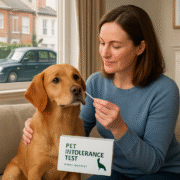
A pet food intolerance test is a simple way to determine whether your dog or cat is sensitive to any specific food items that could make them feel unwell. By sending in five individual strands of their fur to our lab, we can test their sensitivity against a number of foods, substances and materials. The results will be emailed to you within 72 hours of receiving your pet’s fur sample, with a full breakdown of which items they’re most reactive to. Once you know whether your dog or cat has any pet food sensitivities, you will have a clear idea of the ingredients they need to avoid. By eliminating these items from their diet moving forward, your pet’s symptoms should alleviate along with their health and wellbeing.
What is a pet food elimination diet?
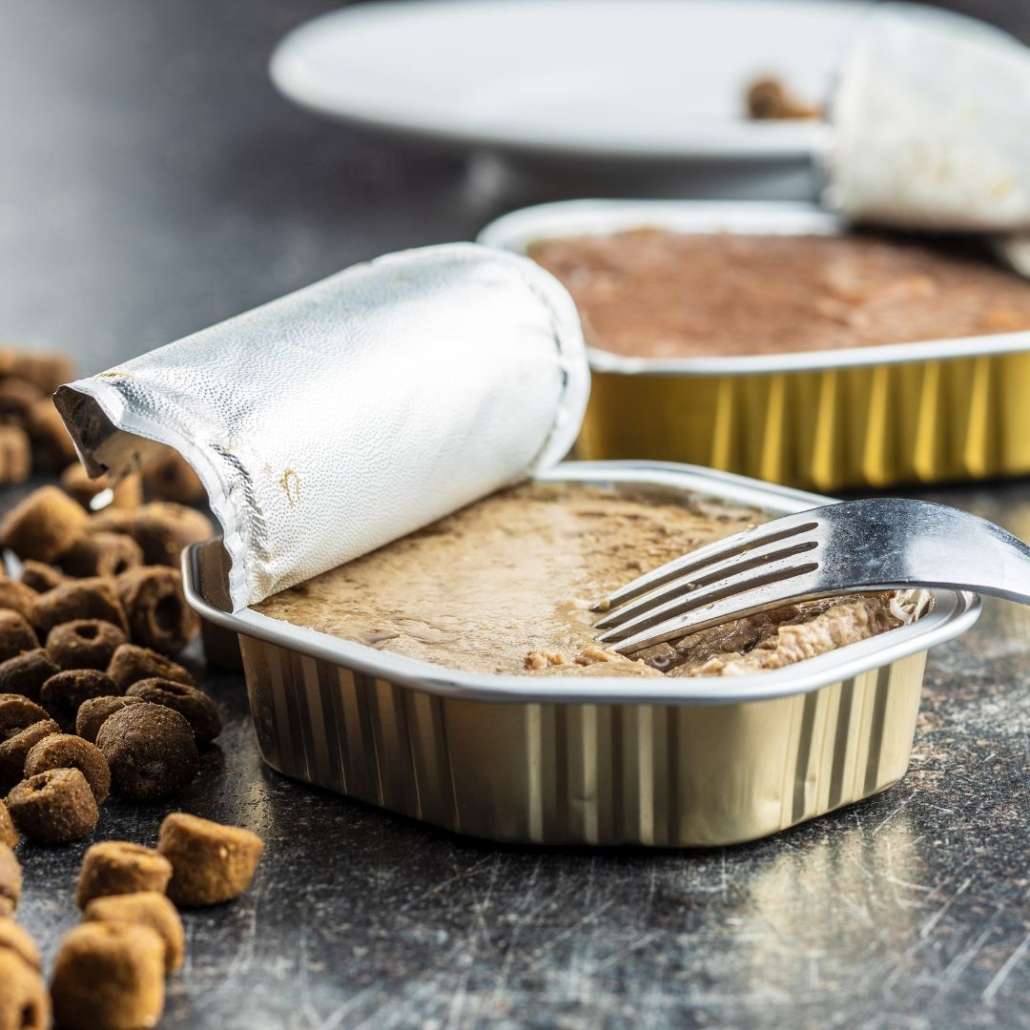
A pet food elimination diet involves cutting out foods to try and identify an offending ingredient that your pet reacts to. You would typically start by feeding them a bland diet for a set period of time, then slowly reintroduce foods until you notice their symptoms flaring up again. Once you’ve found the ingredient that your pet is sensitive to, you can speak to your vet about issuing a new diet that’s more suited to their individual needs. It’s important that elimination diets are carried out under the guidance of a vet, who will be able to make sure your pet is getting enough nutrition to support their health during the process.
Which is the best testing method for my pet?
Elimination diets can be extremely effective in diagnosing pet food sensitivities. However, they are usually a long process, so it can take a while to identify an offending ingredient. It can also be quite difficult to spot a link between a food and your pet’s response because symptoms are known to kick in hours or even days later. This association is even more difficult to spot if your pet has eaten something while they’ve been out on a walk that could upset their digestive system. Unfortunately, we don’t always know what they’ve picked up when they’re sniffing in the garden or exploring off lead, which can make it harder to distinguish what makes them unwell.
Try a pet food intolerance test for quick results
A food intolerance test is a fast way of finding out the cause of your pet’s symptoms. Once the submitted fur sample has been received at the Pet Food Intolerance lab, the results will be emailed to you within a matter of days, so you’ll know what ingredients your dog or cat needs to avoid. Unlike elimination diets, our pet food intolerance tests are very clear in their findings, and you will receive a report that details any items they are sensitive to. Because we investigate the fur’s response against 200 items, intolerance tests cover more food ingredients that you’d be able to include as part of an elimination diet. They also assess reactivity against environmental factors, so you’ll know whether you need to keep your pet away from certain plants or materials to sustain their health.
Contact us for more information about pet food intolerance tests
If you’re interested in ordering a food intolerance test or you’d like to find out more about pet food sensitivities, please look at the different options on our website. You can also email any questions you have to [email protected] or fill out our contact form. It’s important to remember that our advice should never replace that of a veterinary professional, so please get your pet booked in if you’re concerned about their health or if their symptoms persist.




Leave a Reply
Want to join the discussion?Feel free to contribute!