Managing cat chronic diarrhea caused by food intolerance UK: A practical guide

Your cat’s chronic diarrhoea might not just be a random upset—it could be a clear sign of food intolerance.

When the gut can’t break down a protein or grain, the result is watery stools, occasional vomiting, and a tired look.

The first step is to watch the pattern: note when the episodes start, what you fed, and any other symptoms like itching or flatulence.

A simple at‑home fur test can pinpoint the culprits within days, giving you a list of foods to avoid.

From there, a structured elimination diet lets you confirm the trigger. Start with a bland, single‑protein recipe for six to eight weeks, then re‑introduce one ingredient at a time while keeping a diary.

If you need a step‑by‑step plan, our Pet Food Elimination Diet guide walks you through each stage, from choosing the right base food to monitoring progress.

Remember, a test isn’t a medical diagnosis—it’s a tool to help you and your vet make smarter diet choices.

Taking a proactive health view, like the one championed by XLR8well, can keep both you and your cat feeling their best.

First, spot the tell‑tale signs that hint a food is the culprit.

Watch for watery, soft stools that show up at the same time you change kibble or give a new treat. If the loose poo appears a few hours after a meal, note the exact food.

Look for other clues: occasional vomiting, a dull coat, or a bit of flatulence. Some cats also scratch more or develop a mild rash around the belly.

Keep a simple diary. Write the date, what you fed, and any symptom you see. Even a quick note on your phone helps you spot patterns over weeks.

Pay attention to colour and texture. A pale, almost clear stool often points to a lack of fibre, while a dark, tar‑like poop can hint at a different issue. Mucous or blood means you should call your vet right away.

A quick colour‑coded chart can help you spot trends at a glance. Mark each day with a smiley for normal, a neutral face for soft, and a frown for watery. Over a week you’ll see the pattern emerge without any fancy software.

If the diary shows a clear link, you’ve got a strong case to discuss with your vet. They may suggest an at‑home food intolerance test to narrow the list of suspects.

When you step back and review the log, you’ll often see a repeat, same food, same upset. That’s the first solid piece of evidence you need before you move on to testing.
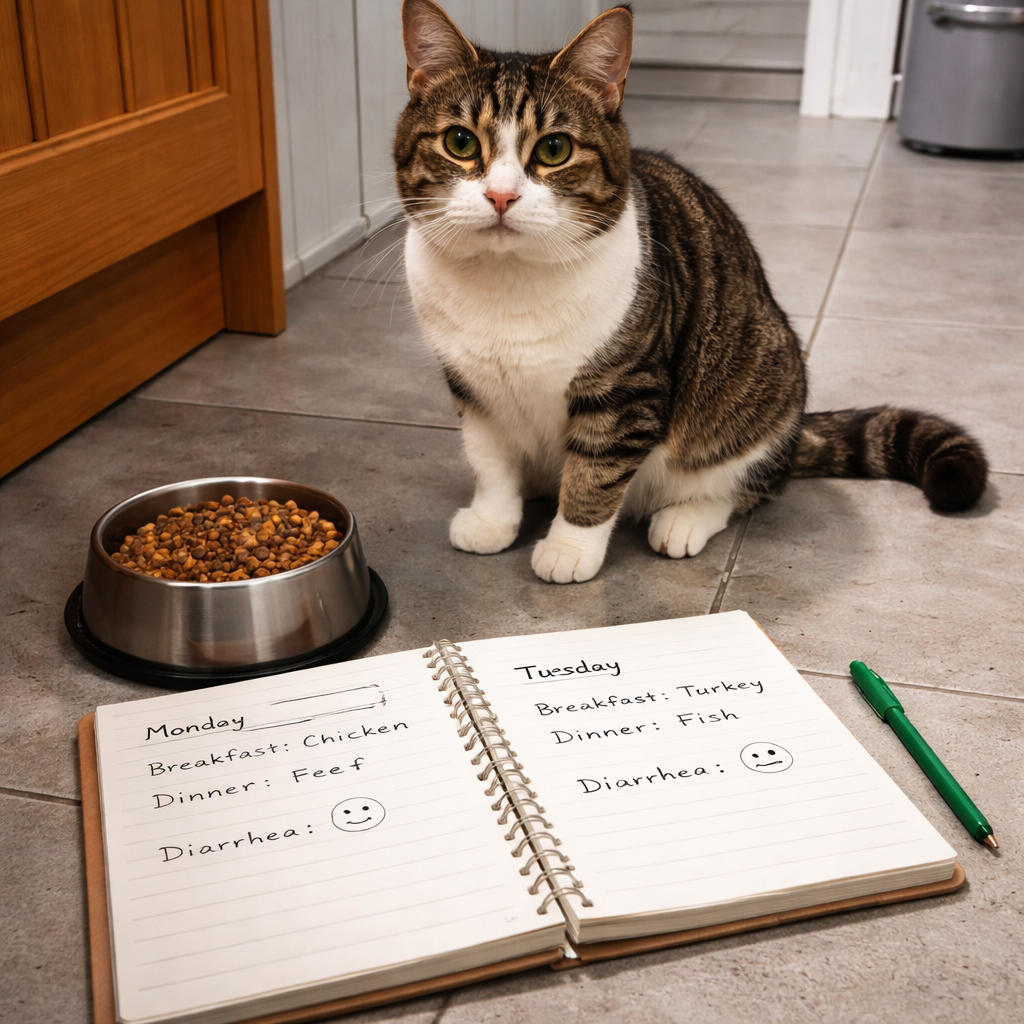
A photorealistic scene of a British cat sitting on a kitchen floor next to a bowl of kibble, with a notebook open showing a simple diary of meals and symptoms. Alt: cat chronic diarrhea caused by food intolerance UK

For extra peace of mind, you can check out resources like XLR8well, which share tips on spotting diet‑related gut issues in pets.

Step 2: Keep a detailed food diary and review your cat’s diet

Now that you’ve spotted the first clues, start writing them down.

Use a notebook or phone note. Record date, time, food brand, type (wet, dry, treat) and any new supplement.

Next, note the stool: colour, texture and extra signs like gas or itching.

Add any other symptoms you see that day – dull coat, limp, vomiting.

Keep the same layout every day. A simple three‑column table works: Food | Stool | Other.

Don’t skip meals you think are harmless; even a bite of table food can matter.

After a week or two, line the pages side by side and look for repeats.

If tuna appears each time the poop is watery, that protein is likely a trigger.

Make a short checklist of the repeat offenders and mark each time you feed them.

This gives you a solid lead on cat chronic diarrhea caused by food intolerance uk.

At this stage, a home test from UK Pet Food Intolerance can confirm the sensitivities you’ve flagged, giving clear numbers to discuss with your vet.

Combine the test results with your diary to plan a six‑week elimination diet: cut the flagged foods, then re‑introduce one at a time while you keep noting changes.

When the diary shows normal stools after a food is removed, you’ve found the culprit.

Stick to this routine and turn guesswork into a clear plan.

Step 3: Implement a systematic elimination diet trial

Now that you have a list of suspect foods, it’s time to start the elimination trial. The goal is simple: feed only a single, hypo‑allergenic base for a set period and watch the stool.

Pick a protein your cat has never eaten – many vets suggest a novel source like duck or rabbit. Use a plain wet formula with no additives, no treats, and no table scraps. Keep the bowl clean and refill it at the same time each day.

Record everything. Write the date, the exact brand, the amount, and any change in stool colour, texture or frequency. A simple three-column table works well – Food | Stool | Notes. If the stool stays firm for the full six weeks, you’ve likely ruled out that ingredient.

If you see a flare-up, stop the trial and go back to the base diet for a few days. Then re-introduce one flagged food at a time, keeping the same record format. Wait 5-7 days between each new ingredient – that’s how long a reaction usually shows up.

A solid plan looks like this: week 1-2 – base diet only; week 3-4 – add first suspect; week 5-6 – add second suspect, and so on. Keep the diary open and compare the weeks. When the stool returns to normal after a specific food is removed, that food is the likely trigger.

The protocol follows the recommendations from veterinary specialists (official trial guide) and matches the diet trial outline used by UK labs (diet trial outline). This approach helps you pin down cat chronic diarrhea caused by food intolerance uk without guesswork.

Step 4: Re‑introduce foods and track results (includes comparison table)

Now the base diet has steadied your cat’s stool, it’s time to test each suspect. The goal is simple: add one food, watch for a flare, then note the result.

Pick the first ingredient you flagged maybe tuna, dairy, or a grain. Mix a measured scoop into the usual bowl. Keep the portion the same each day for five to seven days. If the stool stays firm, move on. If it softens or you see more gas, write “reactive” in your diary.

Repeat the cycle with the next food. Use the same timing for each trial so the gut has a clear reset period. Most owners find a two day break on the base diet between foods helps the gut settle.

Here’s a quick checklist you can print:

Food added Days observed Reaction
Tuna chunks 7 Soft stool
Duck mince 7 No change
Rice and pea mix 7 Increased gas

Notice the pattern? The foods that cause a reaction are likely the triggers behind cat chronic diarrhea caused by food intolerance uk. Remove them from the permanent diet.

Real‑world example: Emma’s cat, Wessie, reacted to a commercial tuna treat within three days. The stool turned watery and the coat looked dull. After swapping to a hypoallergenic duck formula, the stool firmed up in a week.

Another case: a senior tomcat showed no change when a novel rabbit diet was tried, but a sudden flare up appeared after re adding a grain based snack. The owner cut the snack forever and the cat’s digestion stayed stable.

Tip from vets: keep water fresh and feed at the same times each day. Consistency reduces stress, which can mask food reactions.

For more guidance on choosing low allergen options, see this list of hypoallergenic cat food options.
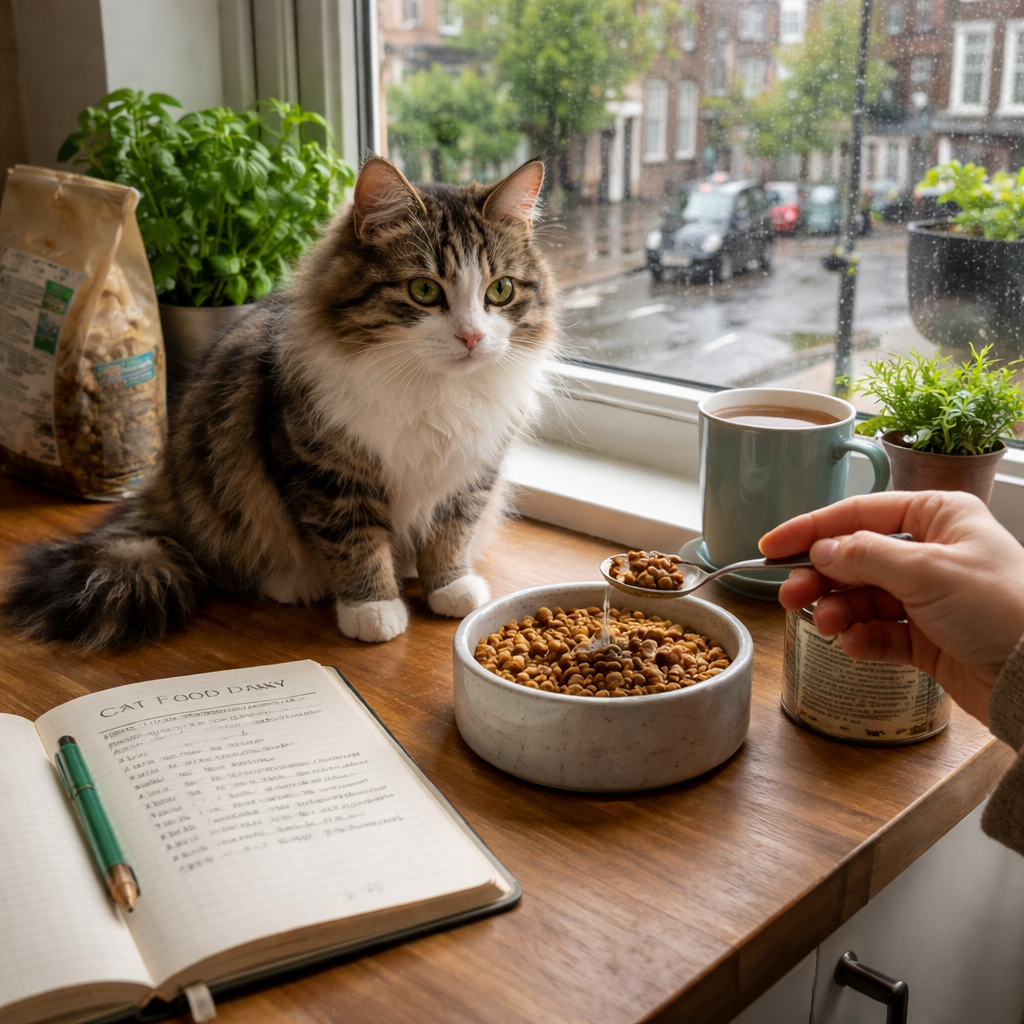
A photorealistic scene of a British kitchen countertop where a cat watches its owner add a small spoonful of new food to a bowl, a notebook with a diary open beside the bowl, soft natural light from a window overlooking a rainy UK street. Alt: cat chronic diarrhea caused by food intolerance UK tracking re‑introduction.

Step 5: Know when professional veterinary assessment is needed

You’ve done the diary, the trial, the re‑introductions. If the stool still swings, or new signs pop up, it’s time to call a vet.

Look for any of these red flags: blood in the poo, weight loss, vomiting that won’t stop, or a fever. Even a sudden change in behaviour, like hiding more or losing appetite, can mean something deeper.

Another clue is when the elimination diet doesn’t settle after six weeks. If the gut keeps acting up, a vet can run blood work, imaging, or a faecal test to rule out infection, parasites, or inflammatory bowel disease.

Schedule a visit if you see any of the above, or if the diarrhoea lasts more than two weeks despite the diet changes. A quick check‑up can save weeks of guesswork.

Ask the vet to review your food diary. Bring the notes – they show the pattern and help the vet spot the trigger faster.

The vet may suggest a full health screen, including blood panels and an ultrasound. They might also run a specific food intolerance test, like the one UK Pet Food Intolerance offers, to get a clear list of problem ingredients.

Sometimes the vet will recommend a prescription diet that meets all nutritional needs while you keep testing at home.

Remember, a vet’s advice doesn’t replace your own observations, but it adds medical certainty. If you feel stuck, trust that a professional can guide you back to a calm, healthy cat.

After the vet visit, keep recording any changes for at least another week. This helps you see if the new diet or medication is working, and gives the vet clear data for the next check‑up.

For more on what vets look for, see the Cats Protection chronic diarrhoea guidelines.

FAQ

What are the most common signs of cat chronic diarrhea caused by food intolerance uk?

Typical signs include watery or soft stools that show up several times a day, a foul smell, and occasional vomiting. You might also see a dull coat, more gas, or your cat scratching more often. These clues often line up with a food trigger, especially if they appear after a new brand or treat. Keep a simple diary of food and stool – it helps spot the pattern fast.

How long should I wait before seeing improvement after changing my cat’s diet?

Most cats need about two to three weeks on a strict, single‑protein diet before you’ll notice a steadier stool. If the stool is still loose after that period, keep the diet steady for another week before adding anything back. Patience is key – jumping in too fast can mask the real trigger and send you back to square one.

When is it necessary to get a vet involved for cat chronic diarrhea caused by food intolerance uk?

Call the vet if you see blood, sudden weight loss, vomiting that won’t stop, or a fever. Also get help when the diarrhoea lasts more than two weeks despite diet changes, or if you spot a change in behaviour like hiding or loss of appetite. A vet can run blood work, imaging, or a faecal test to rule out infection or inflammatory disease.

Can an at‑home food intolerance test help pinpoint the trigger?

An at‑home test works by analysing a tiny fur sample for reactions to many common ingredients. You send the sample to an accredited lab, and within a few days you get a clear report that flags which foods gave a strong reaction. This info lets you cut the right items from the diet and saves time compared with trial‑and‑error alone.

How do I safely re‑introduce foods after an elimination diet?

When you add a food back, give your cat five to seven days to show any reaction. Use the same amount each day and note stool texture, frequency and any extra signs like gas or itching. If nothing changes, you can keep that ingredient. If you see soft stools or extra gas, drop it again and move on to the next suspect.

Are there any simple home remedies while I wait for test results?

While you wait for test results, keep feeding a bland, single‑protein diet and make sure fresh water is always available. Adding a probiotic supplement designed for cats can help settle the gut, but choose one without added grains or dairy. Keep the feeding routine consistent – same times, same bowl – to avoid stress that can worsen the stool.

Conclusion

Dealing with cat chronic diarrhea caused by food intolerance uk can feel endless, but you now have a clear path.

First, watch the stool and note any patterns. Then run a simple at-home fur test to get a list of suspect ingredients. Use a single-protein diet for six weeks, reintroduce foods one by one, and keep a tiny diary.

If the stool steadies, you’ve likely found the trigger. If not, it’s time to call your vet and share the notes.

Remember, the test isn’t a diagnosis, it’s a tool to guide your vet and help you pick the right foods. Platforms like UK Pet Food Intolerance make the test quick and the results easy to read.

Take the next step today: collect a few days of notes, order the test, and give your cat the chance to feel normal again.

How can I calm my pet when there are fireworks?

While a lot of us look forward to celebrating bonfire night, it can be a stressful time of year if you’re a pet owner. Fireworks and animals seldom go hand-in-hand, so 5th November can present problems if you have a dog or cat who is frightened of loud noises. Here we look at the things you can do to reassure your pet and improve your dog’s wellbeing, the foods which put your pet at ease and how to help them through an anxious time.

Don’t go out after dark

If you haven’t managed to walk your dog during the day, don’t attempt to take them out for a stroll once it’s dark. Keep them inside before the fireworks start and close your curtains and windows. You could also turn the volume of the TV up or put some music on to disguise the noise. Rescue kennels often play classical music in the background because of its soothing qualities, so try something instrumental and calming as opposed to a playlist with a heavy beat.

Stay with your dog to improve your dog’s wellbeing

As much as you might want to head out to a fireworks display yourself, it’s not the time for pets to be left alone. If you’re not going to be at home in the run up to bonfire night, see if you can ask a friend or family member to pet-sit for the evening. As well as giving your dog some company, they’ll be able to reassure them if the noise gets too loud and help to ease any distress they may be feeling.

Try some foods which put your pet at ease

As humans we’re advised to consume certain foods or drinks when we’re anxious, and the same applies to dogs. Providing they don’t have a food intolerance, you could try feeding them oily fish, blueberries and pumpkin seeds. These are foods which could put your pet at ease because they all have properties that promote relaxation and reduce the effects of stress. Just be mindful that they should be given in moderation, especially if your dog hasn’t tried them before. A vet will always offer dietary advice should you need it.

Make sure your home and garden are secure

If they’re really frightened, your dog could go into flight or fight mode and make a run for it, so make sure your home is secure. As well as locking your doors and gates, it’s worth giving your fence an inspection to check there are no gaps your dog could sneak through in a desperate attempt to run away from the noise. 

Let your dog handle things their own way

All dogs have individual needs and will cope differently when they’re frightened. To help improve your dog’s wellbeing, support them by giving them some extra attention if they need it, or by letting them hide away if they want to feel safe. If they don’t seem to have noticed the fireworks going off, keep them busy by playing with them and try and stay calm yourself. Even if you’re not a fan of loud noises, do your best to relax so your dog doesn’t pick up on how you’re feeling and worry even more.

Contact UK Pet Food Intolerance to improve your dog’s wellbeing

If you’d like to make sure the foods that put your pet at ease aren’t going to trigger any food intolerance symptoms, we can help. You can order a food intolerance test from our website or email any questions you have to [email protected]. Please remember that any concerns regarding your pet’s health should always be discussed with your veterinary professional.

Manny: A dog with a food intolerance

Manny is a ten-year-old boxer/ American bulldog cross. After a rough start in life, he was adopted by his current owners six years ago, and he has undoubtedly fallen on his feet. Unfortunately, it’s his feet that have remained a problem. As well as being incredibly itchy, they have been consistently sore and a constant source of discomfort to him. Manny has also suffered from an itchy chin and ears, along with irritating spots on his body. These symptoms provided a strong argument that he was a dog with a food intolerance, but how could his owner find out for sure?

Itchy skin is a common food intolerance symptom

Because itchy skin is a common pet food intolerance symptom, Manny’s owner was advised to try him on an elimination diet. This involves stripping back meals so they’re completely bland and then slowly reintroducing foods one at a time. If a pet’s symptoms flare up again, you’ll have found the offending item that their body is intolerant to. While this is a tried and tested method used to identify sensitivities in pets, it can be a lengthy process. It can also be difficult to spot a link between a food item and a pet’s response because symptoms can sometimes kick in hours or even days later.

Do you have a dog with a food intolerance? Our tests give quick results

To speed things up, Manny’s owner decided to order one of our pet food intolerance tests. This involved sending a few strands of Manny’s fur to our lab, where we tested its sensitivity against 200 items to see how his cells would react. A full breakdown of his test results was emailed a few days later, with each item categorised according to Manny’s intolerance levels. This gave his owner a complete overview of the food his body reacts sensitively to, along with items that can initiate a mild physical response.

Healthy treats can still be the cause of a dog’s food intolerance

Manny’s food intolerance results confirmed that he is highly sensitive to a number of foods that are regularly fed to dogs as treats or as part of their diet. Apples (if they’re prepared properly), cheddar cheese and xylitol-free peanut butter are all healthy snacks that proved to be incompatible with Manny’s digestive system. The pet intolerance testing reports also stated that chicken, turkey, and steak have the potential to trigger a more subtle reaction. These are sources of protein that are often found in branded pet food and given to dogs who are on a bland diet. It’s therefore likely that the high-quality treats and turkey-flavoured food Manny was eating had, in fact, been the trigger behind his food intolerance symptoms.

Food intolerance test results can improve your dog’s health

Because Manny is sensitive to a lot of meats, his owner decided to eliminate them from his diet. After the intolerance test results were discussed with his vet, Manny made the gradual transition to a brand of dry dog food specifically formulated for sensitive skin. Instead of being turkey flavour, his new food contains fish and potato, which are both considered safe for Manny to eat without triggering a reaction. Manny’s owner has also made changes to the treats he has. Xylitol-free peanut butter on a licking mat and small pieces of cheese have now been replaced with raw carrot and fish-based treats to reward positive behaviour and reinforce training.

A dog with a food intolerance needs a diet to suit their individual needs

Since changing Manny’s diet and eliminating the foods he is intolerant to, his previous health complaints have improved. Manny’s owner has noticed the itchy spots that turned into scabs or hotspots are no longer causing him any discomfort. She thinks this is a result of fine-tuning his meals and removing food items that aren’t compatible with his individual needs. Just like humans, pets struggle to digest certain ingredients, which can, in turn, impact their health. While Manny still suffers from ailments the boxer in him is prone to, his overall wellbeing and skin complaints are much less of a problem, and he is enjoying life in his forever home.

Contact us to find out whether you have a dog with a food intolerance

If your dog has re-occurring symptoms such as itchy skin, fatigue, and digestive issues, they could have a food intolerance. Find out for sure by ordering one of our tests from the UK Pet Food Intolerance website. If you have any questions about how the tests work, please send an email to [email protected], or fill out the contact form on our website.

The Role of Elimination Diets in Resolving Pet Food Sensitivities

If your dog or cat is displaying symptoms such as persistent itching, diarrhoea, patches of hair loss and tiredness, they could have pet food sensitivities. But how do you find out for certain? With so many testing methods available, it can be difficult to know which option will give you the best (and fastest) results. To make the process easier, we’ve looked at the difference between pet food intolerance tests and a pet food elimination diet so you can decide which method you want to try.

What is a pet food intolerance test?

A pet food intolerance test is a simple way to determine whether your dog or cat is sensitive to any specific food items that could make them feel unwell. By sending in five individual strands of their fur to our lab, we can test their sensitivity against a number of foods, substances and materials. The results will be emailed to you within 72 hours of receiving your pet’s fur sample, with a full breakdown of which items they’re most reactive to. Once you know whether your dog or cat has any pet food sensitivities, you will have a clear idea of the ingredients they need to avoid. By eliminating these items from their diet moving forward, your pet’s symptoms should alleviate along with their health and wellbeing.

What is a pet food elimination diet?

A pet food elimination diet involves cutting out foods to try and identify an offending ingredient that your pet reacts to. You would typically start by feeding them a bland diet for a set period of time, then slowly reintroduce foods until you notice their symptoms flaring up again. Once you’ve found the ingredient that your pet is sensitive to, you can speak to your vet about issuing a new diet that’s more suited to their individual needs. It’s important that elimination diets are carried out under the guidance of a vet, who will be able to make sure your pet is getting enough nutrition to support their health during the process.

Which is the best testing method for my pet?

Elimination diets can be extremely effective in diagnosing pet food sensitivities. However, they are usually a long process, so it can take a while to identify an offending ingredient. It can also be quite difficult to spot a link between a food and your pet’s response because symptoms are known to kick in hours or even days later. This association is even more difficult to spot if your pet has eaten something while they’ve been out on a walk that could upset their digestive system. Unfortunately, we don’t always know what they’ve picked up when they’re sniffing in the garden or exploring off lead, which can make it harder to distinguish what makes them unwell. 

Try a pet food intolerance test for quick results

A food intolerance test is a fast way of finding out the cause of your pet’s symptoms. Once the submitted fur sample has been received at the Pet Food Intolerance lab, the results will be emailed to you within a matter of days, so you’ll know what ingredients your dog or cat needs to avoid. Unlike elimination diets, our pet food intolerance tests are very clear in their findings, and you will receive a report that details any items they are sensitive to. Because we investigate the fur’s response against 200 items, intolerance tests cover more food ingredients that you’d be able to include as part of an elimination diet. They also assess reactivity against environmental factors, so you’ll know whether you need to keep your pet away from certain plants or materials to sustain their health.

Contact us for more information about pet food intolerance tests

If you’re interested in ordering a food intolerance test or you’d like to find out more about pet food sensitivities, please look at the different options on our website. You can also email any questions you have to [email protected] or fill out our contact form. It’s important to remember that our advice should never replace that of a veterinary professional, so please get your pet booked in if you’re concerned about their health or if their symptoms persist.

How to keep your dog safe this Halloween

If you’re Team October, you’ll probably be making Halloween plans already. Before you know it, you’ll choose your pumpkins, decorate spooky decorations, and buy treats for trick-or-treaters. But what does that mean for your pets on Halloween? Do you need to take extra precautions on the most dreadful night of the year to keep them safe? Can a dog have a chocolate intolerance? And which foods do you need to keep away from them to avoid any unexpected scares?

Keep the chocolate well hidden

Halloween-themed goodies have been on supermarket shelves for a while now. Whether you’re planning on stocking up on milk chocolate eyeballs or you fancy making your treats for October 31st, your dogs mustn’t get their paws on any. Dogs cannot eat chocolate, and not just because dogs are intolerant to chocolate. Because chocolate contains a stimulant called theobromine, which is toxic to dogs, eating it can cause the onset of severe health complications. These include kidney failure, heart failure, seizures and even death if it’s eaten sufficiently high. While all chocolate can be harmful, it’s even more dangerous if it has a high cocoa content or contains dried fruit and raisins, which are also poisonous to pets. All chocolate intolerance can be fatal, so don’t delay calling your vet for advice, even if your dog has only eaten a small amount.

Keep the apples for bobbing

Apple bobbing goes back centuries, and it remains a popular Halloween tradition. Thanks to their high vitamin A and C content, apples can be a healthy treat for dogs when enjoyed in moderation. However, because they contain fibre, eating too many can upset your dog’s stomach and give them diarrhoea. This is a common symptom of a dog having chocolate intolerance. The stem and the core can also be a choking hazard if they get stuck in your dog’s throat, while the pips contain a low amount of cyanide released when chewed. It’s unlikely that swallowing a couple of pips will cause problems, but it’s much better if apples are adequately prepared before feeding your dog. If they do decide to eat too many, it’s best to call your vet to see if they need anything to soothe their tummies.

Artificial sweetener (xylitol)

Xylitol is found in many sugar-free products, such as chewing gum, sweets, and peanut butter. Because it causes the release of insulin, your dog’s blood sugar levels can drop if they eat anything laced with this compound. This can lead to the onset of liver failure and unpleasant symptoms such as seizures, vomiting and lethargy. If you think your dog has helped themselves to a food that contains xylitol, call your vet immediately because they will need to be examined. While humans commonly consume this sweetener, it can put your dog in grave danger, so ensure they get the medical attention they need if they help themselves to an unsuitable Halloween snack.

What can you do to prepare for the Halloween season?

It’s common sense to keep food toxic to dogs out of the way they can’t reach. But it’s also a good idea to make sure that everyone else in your house is well-educated about foods that have the potential to make your dog unwell. Not only will this help to keep your pet safe at Halloween (and all year round), but it could also save you from the expense of some hefty vet bills. Of course, there’s nothing wrong with including your dog in the celebrations this October. Just ensure their food doesn’t get mixed up with yours so you don’t get extra frights.

Contact UK Pet Food Intolerance for advice

If you’d like to find out how a food intolerance test can improve your pet’s health, you can order it on the UK Pet Food Intolerance website. You can also email any questions to [email protected] or by filling in our contact form. While we are happy to help you choose the proper food intolerance test for your pet, you should always speak to your vet if you’re worried about your pet’s health.

Is there a difference between wet and dry food when feeding your dog?

When pets eat their food, they sometimes go off one food and do not eat it. Owners, therefore, switch it up to see what can happen. But are there benefits or differences between wet and dry food? Either option will keep your dog healthy if you keep track of what they’re eating; if you’re stuck on which option to go for, keep reading to see the advantages and disadvantages of each one. So, is there a difference between wet and dry pet food when feeding your dog? Keep reading below to see how we can help and what options to provide, and how a pet food intolerance test may help your pet live a happier and healthier life.

Advantages of Wet Pet food

Wet food comes in tins or pouches and has a strong odour. It has been shown that dogs prefer to eat wet food because the texture makes it easier to chew, and the food has much more moisture than dry food. Due to this moisture, your dog will be more hydrated if their diet consists of wet food, wet food has quite a high water content, so if your dog has forgotten to drink their water, it will still be hydrated!

Moisture also means that the dog will have more water retention, keeping them full for longer; the benefit of this is that your dog can be fed less frequently. Protein is another benefit of wet food; this is great if you have a highly active dog that needs to maintain its muscle mass. Lastly, wet food tends to have fewer chemical additives added to it, allowing your dog to have a more natural diet.

Advantages of Dry Pet Food

In contrast to this, giving your dog dry food also maintains a healthy diet for them. Dry food is easy to manage; many people use it for convenience. A considerable advantage of dry food is dental hygiene; dry food doesn’t get stuck on the teeth, which ultimately prevents a plaque build-up; the complex texture of dry food also helps to keep their teeth strong and healthy. Dry food is significantly cheaper and long-lasting; it has a longer shelf-life than many wet foods and can stay in date for a few weeks or even months.

Disadvantages of Wet Food

As previously mentioned, dental hygiene is essential for dogs; wet food may leave residue on your dog’s teeth, which will result in plaque and tartar buildup on their teeth. Wet food can also have a higher fat content than dry food, depending on which you buy, some dogs may have a stricter diet, so it could become difficult to measure your dog’s fat intake when feeding them dog food. Lastly, wet food is much more costly for the owner as you must constantly stock up on tins or pouches.

Disadvantages of Dry Food

Dry dog food usually has more chemicals in it; nutrients can be lost during the high-heat process when creating dry food; chemicals will then be added to replace lost nutrients. Dry food also has a significantly lower water content which can cause your dog to be dehydrated; dry food also may be harsher in their mouths and cause discomfort when eating.

The Difference Between Wet and Dry Pet Food

Whichever option you go for, you will still have a healthy dog if you keep track of what they’re eating and drinking. Both options provide your dog with nutrients and will ultimately keep your dog happy and healthy; there is no right or wrong, choose what works best for you and your dog’s lifestyle. Here’s how you can find the difference between wet and dry pet food and its impact on your dog’s health.

Shop now for your pet food intolerance test.

How can you keep your Dog healthy?

When you have a pet, it is your responsibility as the owner to have regard for their wellness of them; you may be new to this responsibility which is why we’re providing 5 tips to help you keep your pet healthy and happy. It can be easy or hard, as every dog is unique, a bit like humans. But finding a healthy diet for your dog is a lot easier if they have taken an intolerance test for pets as you can identify what foods are causing them to be unhealthy.

Dogs need exercise

If you have a dog, a walk is their favourite part of the day; this can also benefit you if you’re trying to maintain an active lifestyle. Exercise keeps your dog’s cardiovascular system in good form, which keeps them healthy; walks also help them to stay mentally stimulated, which is directly linked to their behaviour; if your dog isn’t mentally stimulated, they are more likely to misbehave for you. One long walk or two short ones daily is enough to keep you and your little friend happy and thriving.

Healthy Weight

Following on from exercise, it’s unfair to let your dog become overweight, even if they look cute. This will only make them uncomfortable and give them serious health issues. Surely, you don’t want the extra veterinary bills for these health issues. In contrast, try to keep your dog from being underweight, as this has just as many risks for your dog and may make them ill.

Find a healthy diet for your dog

A lot of owners like to feed their dogs a raw meat diet as this comes with many benefits, such as:

  • Supporting bone health
  • Strengths immune system
  • Improved skin and shiner coat
  • Supports dental health
  • Reduced body odour

Keeping track of what your dog is eating is a good method of ensuring they consume the correct nutrients.

Dental Care

It isn’t normal for dogs to have bad breath all of the time; when possible, you should take them for routine dental checks; if your dog gets a bad plaque build-up or tartar in the mouth, they may have to face more serious complications down the line. You can help your dog by providing dental care treats. You can even brush their teeth for them.

Grooming

Dogs do not need to be groomed just for the purpose of looking nice; they need to have good upkeep for many other reasons as well. They need to have a regular bath to stay clean, as well as a nail trim if they let you. Often, dogs can get their fur matted if they are not groomed regularly; this can cause discomfort or even pain if you try to remove it; try to brush your dog as much as possible, and most dogs should be groomed every 6 weeks.

Finding a healthy diet for your dog

So if you’re struggling to find a healthy diet for your dog, you should shop for a food intolerance test. It can make a huge difference to your life as well as your pets. The walks will last longer, they will be willing to eat, and most importantly, they will want cuddles!

Shop now for your intolerance test for pets!

What’s wrong with feeding someone else’s cat?

Sometimes it can be challenging to determine whether a cat has an owner, but it’s always best to find out, as it’s not the best idea to feed anyone else’s pet. In addition, cats can have a food intolerance, so providing them with a different type of food could severely impact their health if they are on a specific diet. Here’s more information about whether it is possible that cats could be intolerant to their food.

Knowing someone else is feeding your cat

As a cat owner, it can be frustrating when your pet is fed elsewhere. It means owners have no control or insight into their food intake, which may lead to overfeeding their cats; this could cause health issues such as diabetes, heart disease and obesity. It can also be distressing when your cat doesn’t come home for a long time, as they could be anywhere; this makes caring for them more difficult.

Cats will always overeat

Cats can sometimes willingly overeat; it’s in their nature to take advantage of an extra meal even if they’re already well-fed; this doesn’t mean they’re going hungry. They may have a special diet if they have any allergies, which could cause several health issues and make you liable for any veterinary bills that the owner may be faced with.

Don’t mistake a stray cat for an owned cat

It can be easy to mistake a stray for an owned cat if they constantly wander around and accept food from anyone. If you wonder if a cat is held, it’s essential to find out. You can find out by getting the microchip scanned or contacting different social media groups by posting a picture of the cat. Cats can also develop a habit of going wherever they please and may become aggressive with people walking by their house if they are constantly fed by humans rather than eating out of a bowl.

Cats aren’t loyal – not even to their food

Cats are not loyal to their owners; they are dedicated to where they get fed. Would you like it if your pet was being fed elsewhere when you’re desperately waiting for them to come home? If you suspect a neighbour is feeding your cat, contact them. It could be that they think your cat is a stray and will stop immediately. If you reach out and nothing changes, you could keep your vet receipts and show them to your neighbours, or you could get a tag saying, ‘Please do not feed me’ or ‘I have a special diet’.

Can cats have a food intolerance?

Cats can have a food intolerance. If they are intolerant to their food, it is so important that they are not fed something that would make them feel ill. Everybody loves to feed pets, but it will not always be good for them. If you’d like to understand if your cat has a food intolerance, then you can order a food intolerance test for pets straight from our store.

Shop now for your intolerance test.

Managing your Pet’s Intolerance to Pet Food – A List

Introducing a new pet food to your furry friend can sometimes lead to intolerance or adverse reactions. If you suspect that your pet has an intolerance to their current pet food, there are several steps you can take to address the issue. The most obvious one is ordering an intolerance test for pets, but it is what you do after that is most important. Here’s a breakdown of what you can do. We’ve put this article in list format so it’s easy for you to read. You can also tick it off as you go. Look out for warning signs, and let us know in the comments if you’ve used any of these tips.

Recognise Intolerance symptoms in your pet

    • Pay attention to any changes in your pet’s behaviour, such as excessive scratching, vomiting, diarrhoea, or skin irritations.
    • Monitor your pet’s stool consistency, as loose or abnormal stools indicate intolerance.
    • Observe if there are any changes in their energy levels, appetite, or overall well-being.

Consult a Veterinarian

    • It’s essential to consult with a veterinarian if you suspect your pet is intolerant to its current food.
    • Schedule an appointment to discuss your concerns and provide details about the symptoms your pet is experiencing.
    • The veterinarian will conduct a thorough examination and may recommend further diagnostic tests to rule out other potential causes.

Identify the Problem Ingredient

    • Work closely with your veterinarian to identify the specific ingredient causing the intolerance.
    • It may involve performing an elimination diet, where specific ingredients are gradually removed from your pet’s diet to pinpoint the trigger.
    • Sometimes, your veterinarian might suggest allergy testing to identify the specific allergen or intolerance-causing ingredient.

Switch to an Appropriate Pet Food

    • Once the problem ingredient is identified, you must find a pet food that avoids the intolerant element.
    • Look for specialised pet foods labelled hypoallergenic, limited ingredient diet (LID), or novel protein sources.
    • These pet foods are formulated to minimise the risk of triggering intolerance reactions.
    • Ensure the new food meets your pet’s nutritional requirements and is approved by your veterinarian.

Transition Gradually

    • When switching to a new pet food, it’s crucial to introduce it gradually to prevent digestive upset.
    • Start by mixing a small amount of the new food with the old food, gradually increasing the ratio over several days.
    • This slow transition allows your pet’s digestive system to adjust to the new food without causing gastrointestinal issues.

Monitor and Assess

    • Keep a close eye on your pet after switching their food to monitor for any changes or improvements in their condition.
    • Note any ongoing symptoms or if new issues arise, as it may require further adjustments to their diet.
    • Regularly communicate with your veterinarian to provide updates and seek guidance if necessary.

Shop now for your intolerance test for pets

Remember, every pet is unique, and what works for one may not work for another. Consulting with a veterinarian will ensure the best course of action tailored to your pet’s needs. If you haven’t tried an intolerance test for pets, this is also something you could try and then consult with a vet. Shop for your intolerance test for your pets today.

Top tips for a happy, healthy dog this summer

Most of us look forward to summer. Lighter evenings, more time outside, BBQs and, if lucky, the chance to chill out a bit. But while we’re making the most of the longer days, it’s important to remember our pets need a bit of extra TLC to keep them safe and happy. In this blog, we discuss some of the things you can do to keep your pet healthy in the summer so you can both make the most of it and avoid unnecessary trips to the vet.

Don’t cut their fur too short

As much as it’s tempting to ask your dog groomer to cut your pet’s hair as short as possible when the weather warms up, there are benefits to keeping their coats slightly longer. Dogs have multiple layers of fur for a reason: to protect their skin from harmful UV rays. Without their coats during summer, your pet will be at a higher risk of sunburn, overheating and skin cancer. Fur also helps to keep the surface of their skin cooler, so getting shaved won’t do them any favours.

By all means, keep your dog’s routine appointment with the dog groomer, but there’s no need to ask them to go mad with the clippers. Often, the length of their cut will depend on their breed, so if you’re unsure, ask your groomer what they’d recommend for your dog or speak to your vet for advice.

Keep bowls of water around the house and garden

Making sure water is available at all times is the best way to keep your pet hydrated and will help them to replenish moisture lost through panting on a hot day. Keeping plenty of water bowls around the house and garden is much better than just having one available in the kitchen, while a water fountain is a brilliant way to keep them cool and provide mental stimulation.

Plan ahead to keep your pet healthy

It’s also important to take water and a drinking bowl out with you on your walks so your dog can keep their fluid levels up while they’re getting their steps in. Just don’t be tempted to cool your pet off with an ice cream, because rich puddings can play havoc with dog’s digestive systems, particularly if they have a food intolerance.

Be on your guard during BBQs and picnics

One of the best things about summer is eating outside and it’s something our dogs love to join in with. However, we need to be on our guard because eating al fresco can pose serious threats to our pets if we don’t pay attention. If you’re a fan of lighting up the BBQ, it’s worth remembering that the meat can have sharp bones that could cause your dog to choke if they swallow them. Meats are also a common food intolerance, even for humans.

Keep your pet healthy through avoidance of human tastes and foods

Even the sauces that are often served with BBQ food commonly contain garlic, onion and spices, which are red flags when it comes to a dog’s diet. To keep your pooch safe at meal times, make sure that all party members understand that scraps are not to be fed to your dog. Leftovers also need to be disposed of and kept away from inquisitive noses! 

Keep walks calm and during the coolest parts of the day

As much as dogs need exercise to stay healthy, it’s not safe to walk them in temperatures over 19◦C because of an increased risk of heat stroke. This is particularly dangerous for flat-faced breeds or dogs with underlying health conditions. If it’s cool enough, walking them before 8 am and after 8 pm makes exercise safer, especially if you stick to grassy and shaded areas.

Moderation to keep your pet healthy

Although it can be difficult, try to avoid getting your dog overexcited when it’s hot and keep them as calm as possible. Steady walks are fine, but games that require a lot of exertion should be avoided. Of course, this doesn’t mean that you can’t get out and about on sunny days, but keeping your dog healthy in summer means putting their needs first, and caution must be taken when it’s warmer outside.

Contact us for information about intolerance tests for your pet

If you have any questions about how a food intolerance test can improve your dog’s health this summer, please send a message through the contact form on our website or send an email to [email protected]. It’s important to remember that if you have a concern about your pet’s health or diet, it’s best to speak to your vet for medical advice.