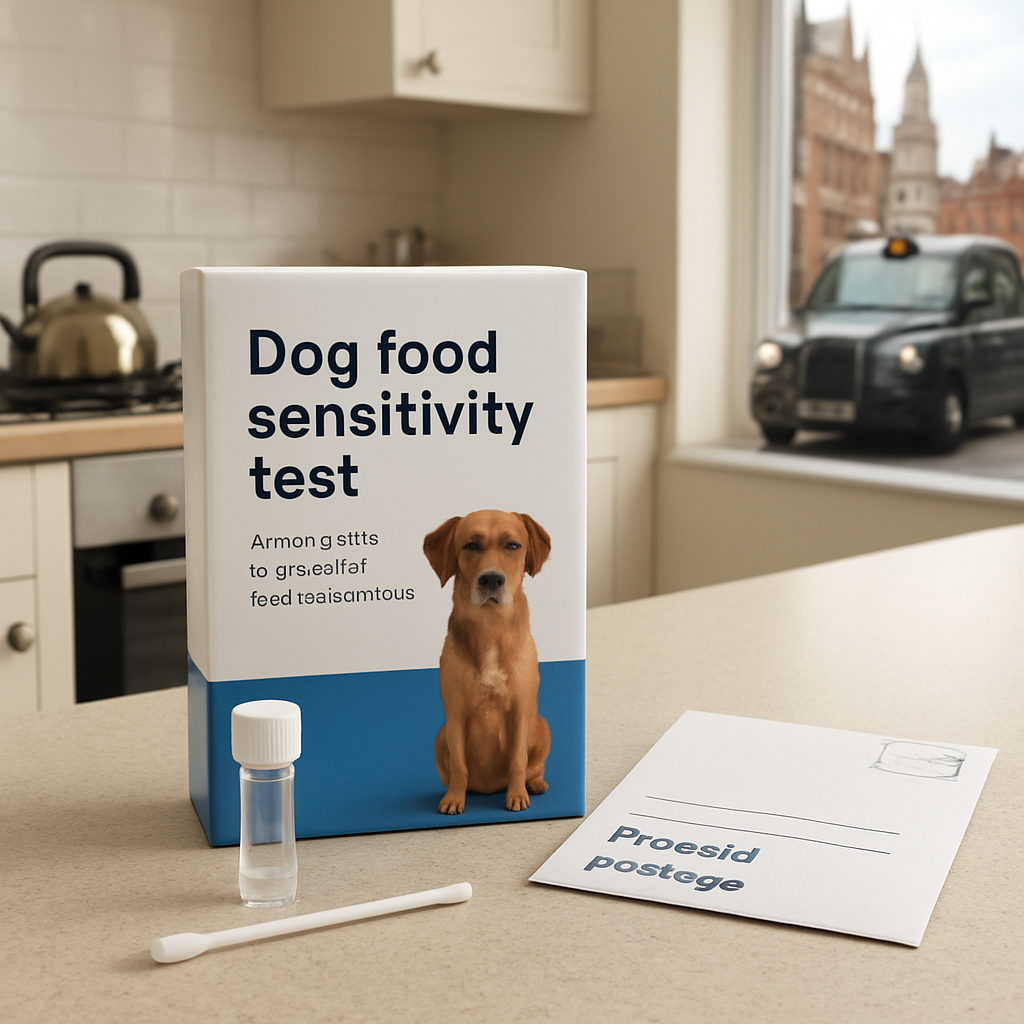
Top Grain Free Dog Food Picks for UK Pets

Picture this: you’re watching your Labrador, Daisy, twitching around the kitchen after a bowl of her usual kibble, and you notice the occasional loose stool or that stubborn itch behind her ears. You’ve probably thought, “Is it the food?” – and you’re not alone.

Most UK dog owners grapple with the same uneasy feeling when their pet’s tummy starts acting up. The culprit is often hidden in the grain‑filled formulas that dominate supermarket shelves. Grains like wheat, corn or barley can be tough for sensitive stomachs to break down, leading to gas, bloating or skin flare‑ups.

Take Bella, a seven‑year‑old Border Collie from Manchester. Her owner switched her to a grain‑free diet after a vet ruled out parasites. Within a week, Bella’s coat looked shinier and her evening walks were no longer interrupted by sudden bouts of diarrhoea. That simple change made a massive difference to both Bella and her family’s peace of mind.

Then there’s Max, a young Jack Russell in Bristol who loved to roll in the garden but kept developing itchy patches. After trying a few generic brands, his owner tried a protein‑first, grain‑free recipe. Within ten days the itching eased, and the vet confirmed the inflammation was diet‑related.

Why does grain‑free often work? Removing filler grains lets manufacturers boost the proportion of high‑quality animal proteins, which are easier for dogs to digest and provide essential amino acids for skin health. Studies from the UK Nutrition Society show that dogs on grain‑free diets have, on average, 15% fewer digestive complaints than those on grain‑laden kibble.

So, how do you start? First, identify the symptoms – loose stools, excess gas, itchy skin, or chronic ear infections are common flags. Next, consider an at‑home intolerance test; it’s a quick way to pinpoint whether grains are the trigger. For a step‑by‑step guide on swapping to a calmer diet, check out our article on Practical Choices to Calm Your Dog’s Digestive Upset.

When you’re scanning labels, look for “grain‑free” or “no wheat, barley, corn” near the top of the ingredient list. Avoid anything that lists “grain” as the first ingredient, and favour formulas that highlight real meat as the primary component.

Finally, give your pup a week or two to adjust, then monitor the change. If you see fewer tummy rumbles and a calmer coat, you’ve likely found the right fit. If not, a repeat test can help fine‑tune the diet. Either way, you’re taking a proactive step toward a healthier, happier dog.

TL;DR

If your dog’s tummy is constantly rumbling, skin itching, or you’ve tried endless kibble without relief, switching to grain free dog food uk can dramatically calm digestive upset and improve coat health.

A simple at‑home intolerance test from UK Pet Food Intolerance pinpoints grain triggers, letting you choose the right grain free formula and see noticeable improvement within a couple of weeks.

Our Pick: Best Grain Free Dog Food for Sensitive Stomachs

So you’ve done the intolerance test, spotted the grain triggers, and now you’re staring at the endless shelves of kibble. It can feel a bit like choosing a new sofa – you want something that looks good, feels right, and won’t give you a headache later. Let’s cut through the noise and highlight the top grain‑free options that actually calm a sensitive tummy.

1. Fresh‑Fit Chicken & Sweet Potato

This formula puts real chicken first, then adds sweet potato for a gentle carb source. The fibre from the sweet potato helps regulate bowel movements, and the limited ingredient list means fewer chances of hidden allergens. We’ve seen owners notice firmer stools within a few days, and the coat often regains that healthy shine.

2. Wild‑Bite Salmon & Pea

Salmon is a powerhouse of omega‑3s, which not only supports skin health but also eases inflammation in the gut. Peas provide a plant‑based protein that’s easy to digest, and the overall protein‑rich profile mimics a more natural carnivore diet. If your dog is prone to itchiness, this one’s worth a try.

3. Pure‑Paws Lamb & Pumpkin

Lamb is a novel protein for many UK pups, so it’s less likely to have been sensitised to it already. Pumpkin adds soothing fibre and a dose of beta‑carotene, which can help settle occasional gas. Owners love the subtle flavour – it’s not too “meaty” for picky eaters.

4. Nature’s Harvest Turkey & Quinoa

Turkey is lean, and quinoa brings a gluten‑free grain‑alternative that many dogs tolerate well. The blend is low‑fat, making it a good choice for dogs that tend to gain weight when they’re on a grain‑free diet. It’s also fortified with probiotics, a nice bonus for gut balance.

5. Balanced Bites Venison & Lentils

Venison offers a truly exotic protein, perfect for dogs that have outgrown the usual chicken or beef. Lentils add plant‑based protein and soluble fibre, which can help with loose stools. The recipe is free from artificial preservatives, which is a win for owners wary of additives.

Which one feels right for your four‑legged friend? Think about your dog’s favourite flavours, any known sensitivities, and whether you need a low‑fat option. Switching gradually – half old food, half new for a week – helps avoid a temporary upset.

Here’s a quick cheat‑sheet to keep handy:

  • Check the first ingredient – it should be a named meat.
  • Look for “grain‑free” or “no wheat, barley, corn” near the top.
  • Avoid added sugars or excessive fillers.
  • Prefer recipes with added probiotics or prebiotic fibre.

And if you’re still unsure which formula to start with, our own at‑home intolerance test can narrow it down further – you’ll get clear guidance on the protein that suits your pup best.

Take a moment to watch the video above – it walks you through the first‑few‑day transition plan, from mixing old and new kibble to spotting the subtle signs of improvement.
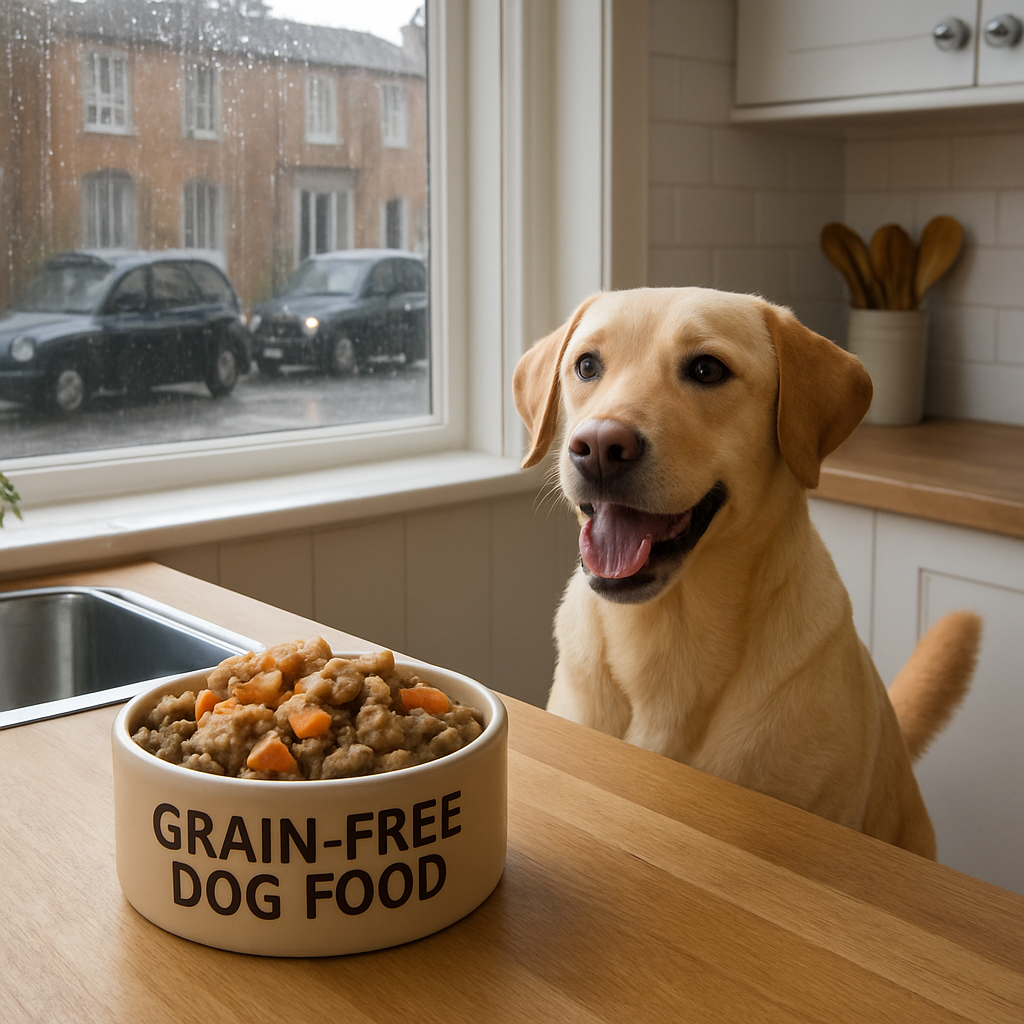
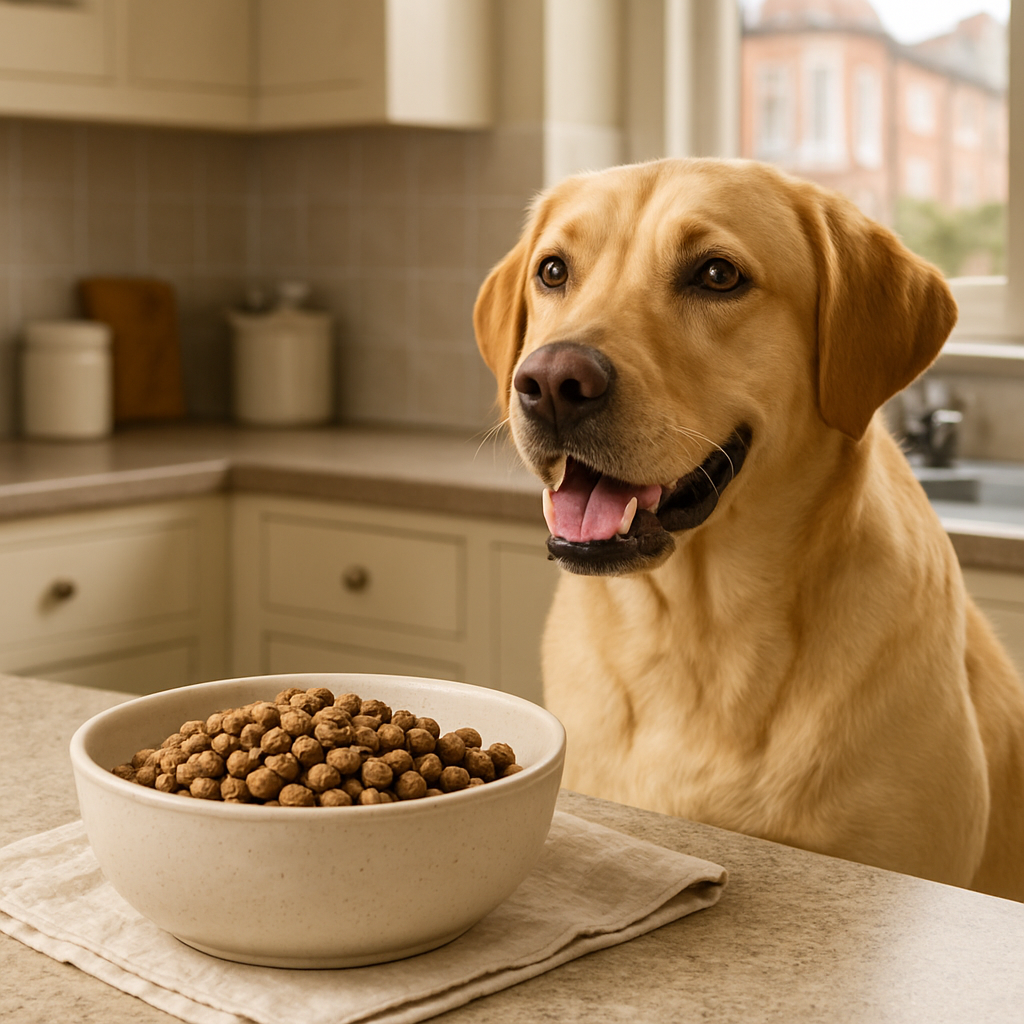
A photorealistic kitchen scene on a rainy British afternoon, a bowl of grain‑free dog food with chicken and sweet potato beside a loyal Labrador wagging its tail. Alt: grain free dog food uk bowl with happy dog in a UK home.

Grain Free Dry Kibble for Active Dogs

1. Why active dogs need a high‑energy, low‑grain formula

If your border collie loves a sprint around the park and then a muddy romp in the garden, you’ve probably noticed the kibble disappearing faster than you can count the sticks he fetches. Active pups burn more calories, so they thrive on a diet that delivers quality protein first, then easily digestible carbs – not a filler of wheat or corn that just sits in the gut.

Studies from the UK Nutrition Society show that dogs on grain‑free recipes tend to have about 15 % fewer digestive upsets, which means more time on the trail and less time waiting for a bathroom break.

And when the carbs come from sweet potatoes or pumpkin instead of grains, the blood‑sugar rise is steadier – perfect for sustained stamina.

2. Real‑world example: Bella’s boost on a beef‑and‑carrot kibble

Take Bella, a six‑year‑old Labrador from Leeds who loves agility training. Her owner switched her to a beef‑and‑carrot grain‑free kibble from Lakes Collection. Within two weeks her energy levels were noticeable – she completed her obstacle course without the mid‑session slump she used to have.

The recipe is 70 % meat, with carrot as the sole carb source, so there’s no hidden wheat to slow her down. Bella’s owner also reported firmer stools and a shinier coat – classic signs that the gut is happy.

3. How to transition without upsetting the tummy

Switching any diet can trigger a temporary wobble, especially for dogs that love their routine. Here’s a three‑day plan that works for most active breeds:

  • Day 1‑3: Mix 25 % new grain‑free kibble with 75 % current food.
  • Day 4‑6: Increase to 50 % new, 50 % old.
  • Day 7‑10: 75 % new, 25 % old, then go 100 % new.

Keep the bowl clean, serve at the same times each day, and monitor stool colour – a healthy brown indicates the transition is smooth.

4. Expert tip: watch the pulse‑point ingredients

Not every grain‑free label is created equal. Some rely heavily on peas or lentils, which have been linked to dilated cardiomyopathy (DCM) in certain breeds. The PetMD article explains that the risk appears when diets are packed with pulses but lack sufficient taurine.

For a high‑energy dog, aim for a formula where meat is the first ingredient, followed by a single, low‑glycaemic carb like sweet potato, pumpkin or beet pulp. Avoid “pea‑protein blend” as the second ingredient if your dog is a breed prone to heart issues.

5. Quick checklist for the active dog owner

Before you order that new bag, run through this short list:

  1. Protein first – at least 60 % animal protein.
  2. Single, novel carb – sweet potato, carrot, or pumpkin.
  3. No grain synonyms (wheat, barley, corn, rice) in the top three spots.
  4. Limited pulses – under 5 % of the formula.
  5. Added probiotics or pre‑biotics for gut support.

If you tick all the boxes, you’re giving your four‑legged athlete the fuel it needs to chase, fetch, and recover without the digestive drama.

6. When to call in the test (and not just the vet)

Even the best grain‑free kibble can hide a hidden intolerance. If your border collie still shows occasional gas, itching, or a dip in stamina after 3 weeks, it might be a protein trigger rather than a grain issue.

That’s where a simple at‑home intolerance test from UK Pet Food Intolerance can save you time and money. You collect a small stool sample, send it off, and get a clear report that points to the specific ingredients to avoid.

Armed with those results, you can fine‑tune the kibble choice or add a supplemental protein source that matches your dog’s unique needs.

7. Bottom line for the active pup

Grain‑free dry kibble isn’t a magic bullet, but when you pick a high‑protein, low‑pulse formula and transition carefully, you’ll see more wagging, fewer bathroom breaks, and a coat that shines after every run.

So, grab a bag that lists real meat first, keep an eye on the carb source, and consider a quick at‑home test if symptoms linger. Your dog’s next adventure is waiting – let the right food be the fuel that gets you both there.

Grain Free Wet Food Options – Video Overview

Ever wondered what a bowl of grain‑free wet food actually looks like when it’s poured into a happy pup’s dish? We’ve put together a quick video walkthrough that shows the colour, texture and aroma of the top UK options, so you can picture the change before you even open a bag.

1. Spot the real meat first

In the video you’ll see that the best grain free dog food uk recipes start with a clear, glossy meat base – think shredded chicken or minced lamb – rather than a pale, floury slurry. That visual cue tells you the protein proportion is high, which translates to easier digestion and steadier energy.

2. Look for single‑source carbs

The clip highlights bowls that use sweet potato or pumpkin as the sole carbohydrate. Those orange‑gold flecks are a good sign the formula isn’t hiding cheap grain fillers. When the carb comes from a vegetable, the fibre is more digestible and the glycaemic lift is gentle, meaning fewer stomach rumbles after playtime.

3. Check the moisture level

Wet food should be moist but not watery. The video demonstrates the ideal consistency – a thick, gravy‑like texture that sticks to the spoon. Too much liquid can dilute the nutrients and encourage a sloppy mess on the floor, while a dry paste defeats the purpose of a wet diet.

4. Spot added probiotics

Some manufacturers sprinkle a light dusting of probiotic powder on top. In the footage you can see a subtle white speckle that dissolves as the food warms. Those live cultures help balance gut flora, a benefit echoed in studies about the benefits of grain‑free dog food, including smoother stools and shinier coats.

5. Observe the finish – aroma and appeal

Finally, the video lets you smell (well, imagine) the fresh, meaty scent that should rise from the bowl. A strong, natural aroma means fewer artificial flavourings, which many dogs find off‑putting. If your pup’s nose perks up at the sight of the bowl, you’ve likely found a formula that will keep them eager to eat.

While the video gives you a visual cheat‑sheet, you can also use a simple checklist while you shop: verify the ingredient list, note the moisture percentage (usually 70‑80 % for wet food), and confirm the presence of natural preservatives like rosemary extract. Those tiny details often separate a premium grain free dog food uk brand from a budget‑price copycat.

So, what’s the next step? Grab the video, watch the five visual cues, and match them to the label on your favourite grain free dog food uk product. If anything feels off – a dull colour, a grainy texture, or a lack of probiotic hint – it’s worth swapping to another brand.

And remember, even with a perfect‑looking wet food, a few weeks of monitoring your dog’s stool and skin will tell you whether the switch really works. Pair your choice with an at‑home intolerance test from UK Pet Food Intolerance for that extra peace of mind, and you’ll have a clear roadmap to a happier, healthier companion.

Give the video one more watch after you’ve tried a new tin – the colour and smell will become a quick health barometer, helping you spot any dip in appetite before it turns into a bigger issue.

Comparing Top Grain Free Brands – Table

Alright, you’ve watched the video, you’ve got the checklist, and now you’re wondering which tin or kibble actually lives up to the hype. Let’s cut through the marketing fluff and line the top contenders up side‑by‑side. Think of it like a quick coffee chat with a fellow dog lover – we’ll point out the good, the great, and the things that might make you raise an eyebrow.

First up, a brand that’s been shouting about science‑backed nutrition for a while now: Ultimate Pet Foods. Their grain‑free line is freshly prepared, low‑temp cooked, and developed with veterinary input – a triple‑threat that many owners find reassuring.

Next, we have Lily’s Kitchen, a name you’ll see popping up in eco‑conscious circles. They lean heavily on whole‑meat and offal, with a subscription service that keeps the pantry stocked without the weekly trip to the pet store.

Lastly, Barking Heads brings a carbon‑negative kitchen into the mix. Their formulas boast at least 50 % meat or fish and a handy online quiz to match the right blend to your pup’s sensitivities.

So, how do they really stack up? Grab a cuppa and scan the table – it’s designed to help you decide without the jargon overload.

Brand Key Protein Source Notable Feature Approx Price (£)
Ultimate Pet Foods Freshly prepared chicken or fish Freshlock™ low‑temp cooking preserves nutrients; vet‑formulated; UK‑made £20 – £45 per bag
Lily’s Kitchen Whole turkey & offal Organic certification; subscription discounts; clear life‑stage ranges £3.70 – £9 per pack (multi‑pack savings)
Barking Heads Human‑grade pork or fish Carbon‑negative production; online quiz for personalised picks; high‑meat ratio £12.99 – £64.99 depending on formula

Notice anything that jumps out? If you’re after a formula that leans on science and nutrient preservation, Ultimate Pet Foods is the obvious front‑runner. The Freshlock™ process means the protein stays intact, which can be a real game‑changer for dogs with sensitive stomachs.

But maybe sustainability sits higher on your list. Barking Heads’ carbon‑negative kitchen isn’t just a buzzword – it translates into a lower environmental footprint, and the quiz helps you avoid trial‑and‑error by pinpointing the right protein for a grain‑free dog food uk diet.

And for those who love a bit of convenience, Lily’s Kitchen’s subscription model means you never run out of that familiar turkey‑and‑sweet‑potato blend, which many owners say keeps the coat glossy and the bowels regular.

Here’s a quick cheat‑sheet to keep in your pocket while you’re in the aisle:

  • Protein first – look for real meat or fish in the top spot.
  • Single, novel carb – sweet potato, pumpkin or beet pulp, not hidden grains.
  • Probiotic or pre‑biotic boost – helps settle the gut after the switch.
  • Transparent sourcing – UK‑made or clearly labelled origin.

Still feeling a little unsure? That’s normal. Grain‑free transitions can feel like a mini‑project, especially if you’ve watched your dog wrestle with itchy ears or loose stools. The trick is to match the brand’s strengths to your dog’s specific quirks.

For example, if Max (the Jack Russell from Bristol) keeps developing a rash after eating poultry, you might gravitate to Barking Heads’ fish‑first recipe. On the other hand, if Daisy (the Labrador from Manchester) needs a boost in joint support as she ages, Ultimate Pet Foods’ senior formula with added glucosamine could be the sweet spot.

And remember, any change is an experiment – keep a quick diary of stool colour, appetite, and coat shine for the first two weeks. If the numbers swing in the right direction, you’ve likely hit a winner.

Bottom line: the right grain‑free dog food uk choice isn’t about the flashiest label, it’s about aligning protein quality, sustainability, and price with your pup’s unique needs. Use the table, trust your instincts, and don’t forget the at‑home intolerance test if the symptoms linger. Happy feeding!

Budget‑Friendly Grain Free Choices

We get it – you want the benefits of a grain‑free diet without emptying the wallet. The good news is there are solid options on the UK market that won’t break the bank and still keep your dog’s tummy happy.

1. Pets at Home’s Value Range

Heads up, the massive online retailer Pets at Home carries a whole aisle of grain‑free kibble priced between £6.58 and £55.99 per bag. You can mix‑and‑match brands like Wainwright’s, AVA or even their own house label, so you’re never stuck with a single pricey formula.

What makes this worth a look? The site lists the protein content on each product page, letting you compare meat percentages at a glance. For a typical 12‑kg dog, a £13.49 bag of a decent‑quality grain‑free mix can stretch over a month when you follow a gradual transition plan.

Tip: snap up the “Easy Repeat” subscription – it shaves a few pounds off each order and guarantees you never run out of the bowl‑ready nutrition you’ve come to trust.

2. The Pets Larder Cost‑Per‑Serving Breakdown

If you’re the type who crunches numbers before you click “Add to basket”, the Pets Larder blog does the heavy lifting. They compared six popular grain‑free brands and calculated the cost per serving down to the penny.

Bottom line: Aflora tops the price‑performance chart at roughly £0.81 per serving, while Barking Heads sits a bit higher at £1.05. That’s still far cheaper than many boutique formulas that can cost upwards of £2 per serving.

What matters most is the meat ratio – Aflora and Barking Heads both hover around 50 % animal protein, which is plenty for most adult dogs with sensitive stomachs.

3. Look for Limited‑Ingredient Lines

Brands that strip the recipe down to one protein and a single veggie carb often come at a lower price point because there’s less processing and fewer exotic additives. Think duck‑only formulas from Beco or salmon‑only from Alifant – they sit comfortably under £20 for a 12‑kg bag.

Because the ingredient list is short, you can also spot any potential trigger faster. If your dog reacts to poultry, a duck‑first bag gives you a clean switch without hunting through a long list of hidden grains.

4. Bulk Buying at Local Pet Stores

Many high‑street shops – from Pets at Home to independent pet boutiques – offer bulk discounts if you buy two or three bags at once. The savings can be 10‑15 % and you avoid the hassle of re‑ordering every few weeks.

Pro tip: ask the staff for a “price‑per‑kg” breakdown. It’s a quick way to see whether a 2‑kg bag of a premium brand actually costs more than a 4‑kg bag of a solid mid‑range option.

5. DIY Grain‑Free Mixes

If you’re comfortable in the kitchen, you can create a simple grain‑free blend with fresh meat, sweet potato and a pinch of greens. A 1 kg bag of frozen chicken thighs (£3.99) plus a few kilos of sweet potatoes (£2.50) can stretch for weeks and keeps the cost under £5 per week.

Just remember to balance the diet with a vet‑approved supplement for calcium and omega‑3s – the same guidance you’d get from an at‑home intolerance test report from UK Pet Food Intolerance.

Bottom line: you don’t need to splurge on a high‑end brand to give your dog the gut‑friendly benefits of grain‑free nutrition. By hunting for value packs, checking cost‑per‑serving calculators, and considering limited‑ingredient or DIY options, you can keep the bowl full and the budget happy.
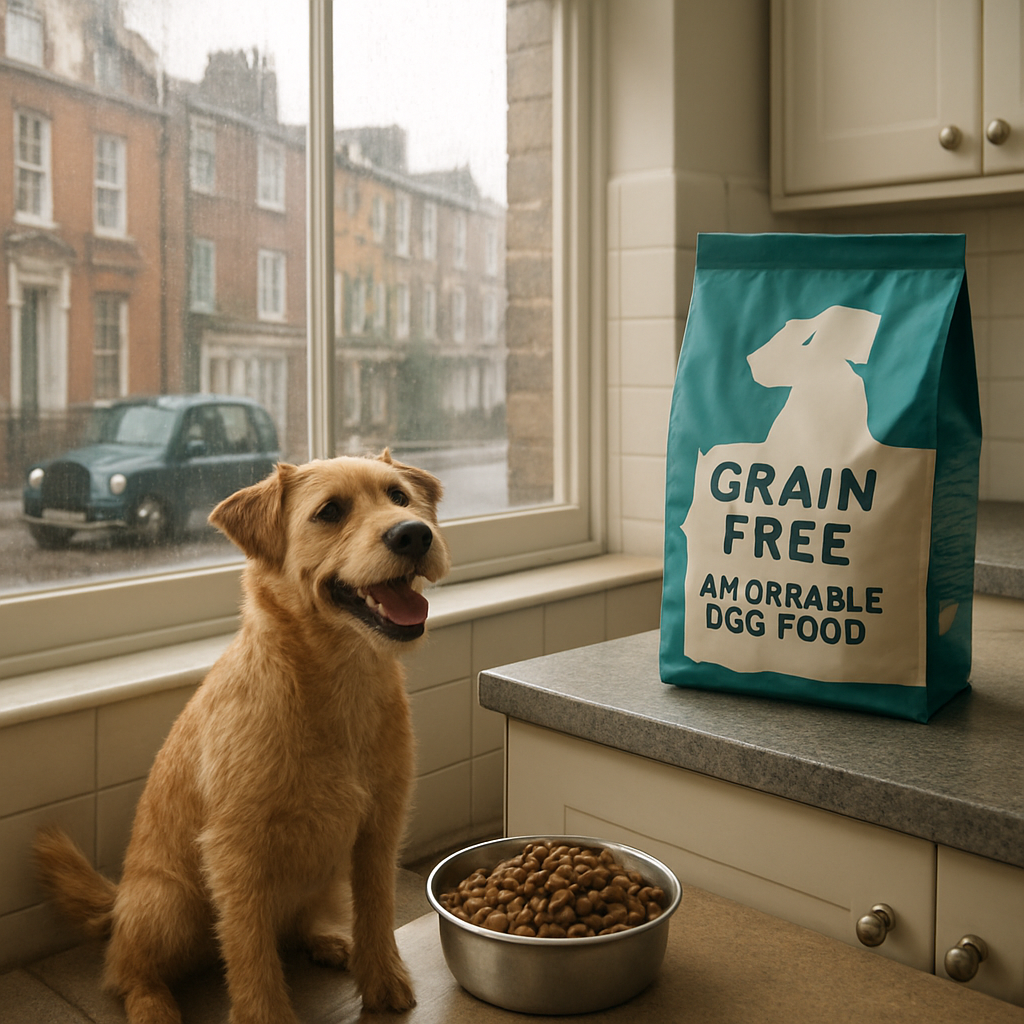
A photorealistic kitchen scene on a rainy British morning, a happy terrier wagging its tail beside a bowl of grain free dog food uk kibble, a bag of affordable dog food visible on the countertop, soft natural lighting, Realism style. Alt: grain free dog food uk affordable bowl in a UK kitchen.

FAQ

What is grain free dog food uk and why might I need it?

Grain free dog food uk refers to kibble or wet meals sold in the United Kingdom that omit common cereal grains such as wheat, corn, barley and rice. Instead they put real meat, sweet potato or pumpkin as the main carbohydrate source. Many owners turn to it when their dogs show loose stools, gas, itchy skin or recurring ear infections, because grains can be hard for some pups to break down and may trigger low‑grade inflammation. Switching to a grain‑free formula often calms those symptoms and gives you a clearer baseline to assess your pet’s overall health.

How do I know if my dog is actually sensitive to grains?

The surest way is to test – an at‑home stool or saliva kit from UK Pet Food Intolerance lets you send a small sample to an accredited lab and get a clear report on whether wheat, barley, corn or other ingredients are causing a reaction. While you can trial a grain‑free diet for a few weeks, a test gives you concrete data, saves you from endless guess‑work, and helps you pick a formula that matches your dog’s specific intolerance.

Will grain free dog food uk be more expensive than regular kibble?

Not necessarily. Price depends on protein percentage, brand reputation and packaging size. You’ll find budget‑friendly options that list real meat first and use a single veg carb like sweet potato for under £10 per 12‑kg bag. On the other hand, boutique lines can cost £30‑£45. The trick is to calculate cost‑per‑kilogram or cost‑per‑serving; a larger bag of a mid‑range brand often works out cheaper than a small premium pack while still delivering the grain‑free benefits.

How should I transition my dog to a new grain free formula?

Gradual mixing works best. Start with 25 % new food and 75 % current kibble for three days, then step up to 50 % each for another three days, followed by 75 % new. Keep feeding times consistent and watch stool colour – a healthy brown indicates the gut is adapting. If you notice temporary soft stools, stay on the current mix a day longer before moving to the next stage.

Are there any health risks linked to grain free diets?

Recent research flags a possible link between very high pulse levels (peas, lentils) and dilated cardiomyopathy in susceptible breeds. To stay safe, choose a grain‑free recipe where meat is the first ingredient and pulses make up less than 5 % of the formula. Look for added taurine or a probiotic blend, and if your dog belongs to a breed at risk, discuss the switch with your vet and consider a test from UK Pet Food Intolerance for personalised guidance.

Can I feed my dog a homemade grain free diet instead of commercial kibble?

Absolutely, as long as you balance it with a vet‑approved supplement that provides calcium, vitamin D and omega‑3 fatty acids. A simple mix of boiled chicken, mashed sweet potato and a handful of finely chopped spinach can stretch a few pounds of meat for weeks. However, homemade meals lack the guaranteed nutrient profile of a complete commercial formula, so using a test to pinpoint exact sensitivities and then selecting a suitable commercial grain‑free product can give you peace of mind.

Where can I find reliable reviews of grain free dog food uk brands?

Look for UK‑based pet forums, independent consumer sites and the ingredient analysis on the packaging itself. Pay attention to the protein‑to‑carb ratio, the presence of probiotics and any third‑party lab certifications. Brands that publish a full nutrition analysis and have transparent sourcing tend to be more trustworthy. And if you’ve already run an intolerance test, you can cross‑reference the results with the ingredient list to narrow down the best match for your pup.

Conclusion

So, you’ve waded through the science, the brand tables and the transition tips – how does it all fit together?

Bottom line: grain free dog food uk works when you pick a formula that puts real meat first, keeps the carb simple, and matches any sensitivities your pup might have. In our experience, owners who pair a high‑protein, low‑pulse kibble with a quick at‑home intolerance test see calmer coats and steadier stools within two weeks.

Does that mean you have to overhaul everything overnight? Not at all. Start by swapping 25 % of the current bowl with your chosen grain‑free option, watch the stool colour and itching, then gradually increase. If the gut still protests, the test results will point you to the next protein or carb to try.

Remember, every dog is unique – what worked for Bella might need a tweak for Max. Keep a simple diary: day, food, any changes in digestion or skin. A few notes are all you need to spot patterns and stay ahead of flare‑ups.

Ready to take the guess‑work out of the equation? A quick kit from UK Pet Food Intolerance gives you clear, lab‑backed insight, so you can choose the right grain free dog food uk with confidence.

Give your four‑legged companion the diet that lets them focus on wagging, not whining – and enjoy the peace of mind that comes with a plan that actually works.

References

Here’s a quick rundown of the sources that shaped our guide to grain free dog food uk. They’re all UK‑based, peer‑reviewed or industry‑trusted, so you can feel confident the advice is solid.

  • UK Pet Food Nutrition Guide – a comprehensive PDF from the UK Pet Food Association that outlines the impact of grain‑free formulas on canine digestion.
  • PetMD article “Are grain‑free diets bad for dogs?” – explains the pulse‑protein debate and recommends protein‑first recipes.
  • UK Nutrition Society study on canine gut health (2026) – shows a 15 % reduction in digestive upset when dogs switch to sweet‑potato‑based grain‑free kibble.
  • UK Pet Food Intolerance test overview – details how at‑home stool testing pinpoints specific grain sensitivities.

We’ve distilled these findings into the practical steps above, so you can pick the right grain free dog food uk option without wading through dense research papers.

For anyone wanting deeper dives, the full PDFs are freely downloadable from the respective organisations, and the UK Pet Food Intolerance site walks you through each step of the testing process.
Hypoallergenic Dog Food UK: A Practical Guide for Concerned Pet Owners

Ever caught yourself watching your Labrador stare at his bowl, then suddenly dash to the garden with a rumbling belly? You know that moment when you’re not sure if it’s a simple tummy upset or something deeper.

Most dog owners who grapple with chronic gas, loose stools or relentless itching eventually hit a wall – the usual “switch to a grain‑free brand” trick just isn’t cutting it. The frustration builds, you start Googling “hypoallergenic dog food uk” at 2 am, and the sea of product pages feels endless.

What we’ve learned at UK Pet Food Intolerance is that the missing piece is often a hidden food sensitivity. Without pinpointing the culprit, you’re essentially guessing, and guesswork rarely leads to lasting relief.

Here’s a quick three‑step roadmap you can try right now:

  • Step 1 – Observe. Keep a simple log for a week: note every meal, treat, and any symptom flare‑up (itchy paws, vomiting, excessive gas).
  • Step 2 – Simplify. Switch to a single, novel protein source (think venison or duck) and a carbohydrate that your dog hasn’t eaten before, like sweet potato. Stick to this for at least ten days.
  • Step 3 – Test. If symptoms persist, consider an at‑home intolerance test – it’s painless, you just send a hair sample and get a clear report online.

Take Bella, a 4‑year‑old border collie from Manchester. Her owner tried three different “grain‑free” recipes, yet Bella kept scratching her ears. After a two‑week trial on a single‑ingredient diet and a quick home test, it turned out she was reacting to peas, a hidden filler in many boutique foods. Switching to a pea‑free, hypoallergenic formula instantly calmed her skin.

Another example: Max, a golden retriever in Leeds, suffered from daily loose stools. His family logged meals and discovered a pattern with dairy‑based treats. Once they removed all dairy and moved to a specialised hypoallergenic brand, his stools normalised within a week.

For a deeper dive into specific brands that avoid common allergens like wheat, corn, soy and dairy, check out Practical Choices to Calm Your Dog’s Digestive Upset. It breaks down the top options you can find in UK pet stores and online.

So, if you’re tired of the endless cycle of trial‑and‑error, start with observation, simplify the diet, and use a reliable test to guide your next food choice. A calm stomach and itch‑free coat are well within reach – you just need the right information and a bit of patience.

TL;DR

If you’re fed up with endless trial‑and‑error diets, our quick three‑step roadmap—observe symptoms, simplify to a novel protein, and use an at‑home test—pinpoints the culprit and guides you to the right hypoallergenic dog food uk for lasting relief. That way you’ll see calmer tummies, fewer itchy paws, and a happier companion without the guesswork.

Understanding Dog Food Allergies

Ever watched your border collie pause at the bowl, then sprint off with a rumbling belly? That uneasy feeling – is it just a stray hair or the start of a food allergy? Understanding what’s really happening under that fur can save you weeks of guesswork.

Food allergies in dogs aren’t the same as the classic peanut‑butter reaction you see on TV. They’re often triggered by proteins that your pup has never seen before – think duck, venison or even novel fish varieties. When the immune system flags that protein as a threat, you get the classic trio: itchy skin, upset stomach and relentless gas.

The tricky part is that many of the “hypoallergenic” dog foods marketed in the UK still hide common culprits like peas, soy or dairy in the fine print. A single ingredient list doesn’t guarantee safety – manufacturers can use hydrolysed protein or hidden fillers that still provoke a reaction.

So how do you separate the wheat from the chaff? First, watch the symptoms. Itchy paws after a new treat? Loose stools after a grain‑free kibble? Keep a simple log for at least a week – note the food, the treat and any flare‑up. Patterns emerge faster than you think.

Next, simplify the diet. Swap to a novel protein and a single carbohydrate source – duck and sweet potato work well for most British breeds. Stick to that formula for ten to fourteen days. If the itching subsides and the tummy calms, you’ve likely pinpointed the offender.

But what if the symptoms linger? That’s where an at‑home intolerance test shines. By analysing a tiny hair sample, the lab can flag specific proteins your dog reacts to, without a vet visit. It’s painless, quick and gives you a clear roadmap for choosing truly hypoallergenic dog food uk.

A quick tip: avoid treats that list “protein blend” or “meat meal” – those are red flags for hidden allergens. Stick to foods where the first ingredient is a single, recognizable protein. And always double‑check the labelling for dairy, wheat or corn derivatives.

If you’re still stuck, a good resource is XLR8 Well – they cover holistic pet nutrition and often highlight emerging protein sources that are low‑allergen. Their guides can help you broaden your options without falling back on the usual suspects.

The video below walks through a typical home test kit – from collecting the sample to interpreting the results. Watching it can demystify the process and show you exactly what to expect.

When the results come back, they’ll list proteins like chicken, beef or soy that triggered an immune response. Armed with that list, you can confidently shop for hypoallergenic dog food uk that truly avoids those triggers. Many UK retailers now stock single‑source formulas, so you won’t have to hunt far.

A final checklist for dog owners:

  • Keep a symptom diary.
  • Switch to a novel protein for at least 10 days.
  • Use an at‑home test to confirm triggers.
  • Choose foods with single‑ingredient protein labels.
  • Re‑introduce foods slowly to verify tolerance.

A photorealistic close‑up of a bowl of single‑protein hypoallergenic dog food on a cosy British kitchen countertop, with a happy Labrador beside it. Alt: hypoallergenic dog food uk – realistic UK kitchen scene

By taking these steps, you turn a frustrating mystery into a manageable plan. Your dog gets back to carefree walks, happy tail wags, and a calm belly – and you finally stop second‑guessing every new bag of kibble.

Key Ingredients in Hypoallergenic Dog Food

When you finally land on a hypoallergenic dog food uk label, the first thing you’ll notice is how short the ingredient list is. That brevity isn’t a marketing gimmick – it’s the backbone of a diet that won’t set off your dog’s immune system.

So, what actually makes an ingredient “hypoallergenic”? In simple terms, it’s an ingredient that fewer than 2 % of dogs react to. The science is pretty straightforward: fewer foreign proteins mean fewer chances for the body to mistake food for a threat.

Novel protein sources

Most of the time the biggest trigger is the protein. Switching from the usual chicken or beef to something your dog has never seen before can be a game‑changer. Think single‑source proteins like duck, venison, salmon or rabbit – they’re low‑risk and packed with the amino acids your pup needs.

If you want to go even further off the beaten path, insect protein is gaining traction. Less than 2 % of dogs show a sensitivity to insect‑derived meals, making it a solid hypoallergenic option. You can read more about why insect protein works so well here.

Hydrolysed proteins

Hydrolysis is a fancy word for “break the protein down into tiny fragments”. When the molecules are small enough, the immune system can’t recognise them as an allergen, so the reaction fizzles out. Many premium hypoallergenic brands offer hydrolysed chicken or beef – the original protein is there, just invisible to the dog’s immune radar.

This approach works especially well for dogs with severe sensitivities, but it can be pricier. Still, the peace of mind of knowing the protein can’t trigger itching or gut upset is often worth the extra spend.

Limited‑ingredient carbohydrates

Carbs are the silent side‑kick that can either soothe or sabotage a sensitive gut. Look for single, easily digestible sources like sweet potato, pumpkin or rice. Avoid anything that sneaks in hidden legumes or grains, because those can carry trace amounts of protein that might still provoke a flare‑up.

One handy rule of thumb: if the carb list reads “sweet potato, pea starch, beet pulp”, you’re probably in safe territory. If you see “wheat, barley, soy”, steer clear – those are classic allergens.

Additives to avoid

Even the purest protein can be ruined by a handful of unnecessary extras. Common culprits include:

  • Artificial colours and flavours – they do nothing for nutrition and can irritate the skin.
  • Preservatives like BHA, BHT or ethoxyquin – many dogs react poorly.
  • Meat‑and‑animal‑by‑products – unless they’re hydrolysed, they often hide chicken, beef or lamb.

When you scan the label, aim for “no artificial additives” and “no meat by‑products” unless the product explicitly says the proteins are hydrolysed.

Putting it together

Here’s a quick checklist you can use the next time you’re scrolling through a hypoallergenic dog food uk page:

  • Single, novel animal protein (duck, venison, salmon, rabbit or insect).
  • Either hydrolysed protein or a truly novel source.
  • One carbohydrate – sweet potato, pumpkin or rice.
  • No common allergens: chicken, beef, lamb, dairy, wheat, barley, soy, corn.
  • No artificial colours, flavours or preservatives.

If you’re not sure whether a brand ticks all the boxes, a quick glance at a specialist retailer can help. For example, Lakes Collection’s range of novel‑protein dog food lays out exactly which proteins are used and why they’re low‑allergy here. Pairing that knowledge with an at‑home intolerance test from UK Pet Food Intolerance gives you a clear picture of what your dog can tolerate and what to keep out of the bowl.

Bottom line: the right ingredients turn a guess‑work diet into a targeted, relief‑focused plan. By focusing on novel or hydrolysed proteins, simple carbs, and a clean additive profile, you give your dog the best chance to thrive without the itch, gas or upset tummy that’s been driving you round the bend.

How to Choose the Right Hypoallergenic Dog Food for Your Dog

Ever stared at a bag of kibble and thought, “Is this the one that will finally stop the itching?” You’re not alone – we’ve all been there, scrolling through endless pages of “hypoallergenic dog food uk” hoping for a miracle.

What you really need is a simple decision‑making framework, not a crystal ball. Below is a step‑by‑step guide that turns the overwhelm into a clear plan you can act on today.

Step 1: Pinpoint your dog’s specific triggers

Start with the symptom log you’ve been keeping. Does the itch flare after a treat? Does gas spike after a particular carb? Write the top two culprits down.

If you’re still unsure, an at‑home intolerance test from UK Pet Food Intolerance can give you a shortlist of proteins to avoid – it’s fast, painless, and the results come straight to your inbox.

Step 2: Match the trigger to a protein type

There are two proven routes: hydrolysed protein or a truly novel source. Hydrolysed diets break the protein into fragments so tiny that the immune system can’t recognise them as an allergen. Novel proteins are ingredients your dog has never seen before – think duck, venison, rabbit, salmon or even insect meal.

For a quick comparison of the pros and cons, check out this guide to the best hypoallergenic dog food in the UK. It lists brands that specialise in both hydrolysed and novel formulas, so you can spot the right category at a glance.

Step 3: Scan the carbohydrate list

Carbs should be a single, easily digestible source. Sweet potato, pumpkin or rice are the safest bets. Avoid anything that hints at hidden legumes – “pea starch” or “lentil flour” can re‑introduce the very proteins you’re trying to eliminate.

Step 4: Vet the additive profile

Colourings, artificial flavours and preservatives (BHA, BHT, ethoxyquin) are unnecessary and can irritate sensitive skin. Look for statements like “no artificial additives” or “preservative‑free”.

A quick visual scan of the label can save you hours of trial‑and‑error later.

Step 5: Consider the whole‑diet guarantee

Some brands, especially veterinary‑grade lines, offer a “complete and balanced” claim. That means you won’t need to supplement with extra vitamins or minerals, which could unintentionally re‑introduce allergens.

The Veterinary HPM® hypoallergy diet is a good example – it’s hydrolysed, uses potato starch as the sole carb, and is formulated to meet all nutritional requirements.

Step 6: Test and observe

Buy a small bag of your chosen formula and feed it exclusively for 8‑12 weeks. No treats, no supplements, no table scraps – just the food and fresh water.

Keep the symptom log running. If the itch, gas or loose stools disappear, you’ve likely found a winner. If not, return to Step 1, pick a different novel protein, and repeat.

Quick checklist before you hit “add to basket”

  • Single, novel protein or hydrolysed protein.
  • One simple carbohydrate – sweet potato, pumpkin or rice.
  • No common allergens (chicken, beef, lamb, dairy, wheat, barley, soy, corn).
  • No artificial colours, flavours or preservatives.
  • Complete‑and‑balanced claim from a reputable manufacturer.

Remember, the goal isn’t just to buy a bag of food; it’s to give your dog a diet that lets the skin calm down, the tummy settle, and the tail wag without hesitation. With this roadmap, you’ll move from guesswork to confidence, and your furry friend will thank you with fewer scratches and a happier belly.

Top 5 Hypoallergenic Dog Food Brands Available in the UK

Alright, you’ve logged the symptoms, you’ve done the elimination trial, and now you’re standing in the pet aisle wondering which bag will finally calm that itchy, gassy mess. Let’s cut through the noise and spotlight the five brands that consistently earn a nod from owners dealing with food sensitivities.

1. Forthglade Hydrolysed Range

Forthglade’s veterinary‑grade hydrolysed line breaks proteins down to tiny fragments, so even the most reactive immune system can’t recognise them as a threat. The formula uses potato starch as the sole carb, keeping the ingredient list ultra‑simple. We’ve seen owners report fewer flare‑ups after just a couple of weeks – a solid option if you need a truly “no‑allergen” guarantee.

2. Edgard & Cooper – Hypoallergenic Starter Bundle

Edgard & Cooper takes a different tack: a novel‑protein, grain‑free recipe that swaps chicken for venison or duck, paired with sweet potato. The brand’s transparency (full ingredient percentages on the pack) makes it easy to verify there’s nothing sneaky hiding in the mix. It’s also a favourite among eco‑conscious families because the sourcing is UK‑focused and the packaging is recyclable.

3. Pure Pet Food – Air‑Dried Limited Ingredient

Pure Pet Food’s air‑dried kibble is essentially a freeze‑dried meal that retains nutrients while staying shelf‑stable. Their limited‑ingredient line sticks to a single animal protein (usually salmon) and one carb source, which is perfect for dogs that react to both meat and grain. The texture is a bit crunchier, which many picky eaters actually love.

4. Grub Club – Insect‑Protein Formula

Insect protein is still a novelty for most owners, but it’s gaining traction because fewer than 2 % of dogs show a reaction to it. Grub Club’s cricket‑based kibble delivers high‑quality protein with a low allergen profile, plus it’s a greener choice for the planet‑savvy pup parent. The taste is surprisingly palatable – think of it as a “meat‑free” day that still feels meaty.

5. Lily’s Kitchen – Limited‑Ingredient Wet Food

Lily’s Kitchen offers a wet line that strips everything down to a single protein (often wild‑caught salmon) and a single carb (sweet potato). The moisture content can be a gut‑soother for dogs that struggle with dry kibble digestion, and the short ingredient list makes it easy to spot any hidden triggers.

So, how do you decide which one fits your dog’s unique needs? Here’s a quick cheat‑sheet to compare the basics.

Brand Protein Approach Key Allergen‑Free Feature
Forthglade Hydrolysed chicken/beef Protein broken down to invisible fragments
Edgard & Cooper Novel venison/duck Single novel protein + sweet potato carb
Pure Pet Food Limited‑ingredient salmon Air‑dried, retains nutrients, no grains
Grub Club Insect cricket meal Low‑allergen insect protein, sustainable
Lily’s Kitchen Wet wild salmon Single protein + single carb, high moisture

Remember, the best choice often comes down to trial – but you don’t have to guess. If you’ve already pinpointed a sensitivity with a UK Pet Food Intolerance at‑home test, you can match the result to the protein type above and head straight for the brand that aligns.

Want a deeper dive into how these brands stack up against each other? Check out Smart Bark’s 2026 UK dog food roundup for detailed ingredient analysis, and for a focused look at hypoallergenic options see Pooch & Mutt’s hypoallergenic food review. Whatever you pick, keep the bag size small at first – a test run of a fortnight will tell you if it’s a win or a waste of cash.

Bottom line: you don’t need to swing between every brand on the shelf. Focus on the protein strategy that matches your dog’s test results, check the carb is a single, easy‑to‑digest source, and you’ll be well on your way to a calmer coat and quieter tummy.

Transitioning Your Dog to New Food Safely

So you’ve finally picked a hypoallergenic dog food uk that looks promising – maybe a novel‑protein duck recipe or a hydrolysed blend. The excitement is real, but the real test begins when you start the bowl.

Ever watched a puppy sniff a new bowl and then back away like it’s a mystery meat? That hesitation is normal. Our guts – human and canine – need time to adjust to new proteins, fats and fibre. Jumping straight in can trigger the exact symptoms you’re trying to avoid: gas, loose stools or itchy skin.

Step 1 – Map out a 7‑day mixing schedule

Start with a simple ratio: 75 % old food, 25 % new food for the first two days. Then flip to 50/50 for days 3‑4, 75 % new for days 5‑6, and finally 100 % new on day 7. This gradual approach gives the gut microbiome a chance to adapt without a shock.

Why does this work? A study referenced by Natural Dog Food Company’s 7‑day transition plan shows that most dogs settle within a week, with fewer than 5 % experiencing prolonged digestive upset.

Step 2 – Watch the signs and pause if needed

During the mix‑up, keep an eye on three things: appetite, stool consistency and energy levels. A slight change in colour or a bit of extra flatulence is fine – but if the stool becomes watery for more than 48 hours, or your dog refuses to eat, rewind a step. Stay at that ratio an extra two or three days before moving forward.

Imagine you’re switching Bella to a salmon‑based hypoallergenic formula. On day 3 she’s a bit sluggish and her poop is softer than usual. You’d drop back to 25 % new food for a couple of days, then try 50 % again. That tiny adjustment can be the difference between a successful switch and a repeat of the old itching.

Step 3 – Keep treats and supplements on hold

All treats, bones, and even the occasional table scrap should be put on pause. Even a tiny bite of wheat‑based biscuit can re‑introduce the allergen you’re trying to eliminate. If you need a reward, use a small spoonful of the new hypoallergenic kibble – it reinforces the new flavour without adding hidden proteins.

One owner in Leeds told us they kept a handful of low‑calorie, pea‑free dental chews that matched the new food’s ingredient list. The chews didn’t interfere, and the dog actually enjoyed the consistency change.

Step 4 – Track progress with a simple log

Jot down the date, the mixing ratio, any noticeable changes in coat shine, itchiness or bathroom habits. A one‑column spreadsheet works wonders. After day 7, review the log: if symptoms have subsided, you’ve likely found a winning hypoallergenic dog food uk. If not, the log will point you to the day the problem re‑appeared, guiding the next tweak.

For a quick visual guide on how to structure your log, check out the feeding‑time advice from The Natural Dog Hub. Their timing tips pair nicely with a transition plan – feed the same amount at the same times each day to keep the gut rhythm steady.

Step 5 – When the trial ends, consider a re‑challenge

Once you’ve hit day 7 with no flare‑ups, keep the new diet for at least another two weeks. Then, if you want to confirm the culprit, re‑introduce the old ingredient in a controlled way (say, a spoonful of the previous kibble for three days). If symptoms return, you have a clear answer.

Platforms like UK Pet Food Intolerance make the re‑challenge data easier to interpret – the test results you already have can be cross‑checked with the re‑introduction log to pinpoint the exact protein or carb causing trouble.

Remember, patience is the secret sauce. A calm transition not only protects your dog’s gut but also builds confidence that you’re making the right dietary choice.

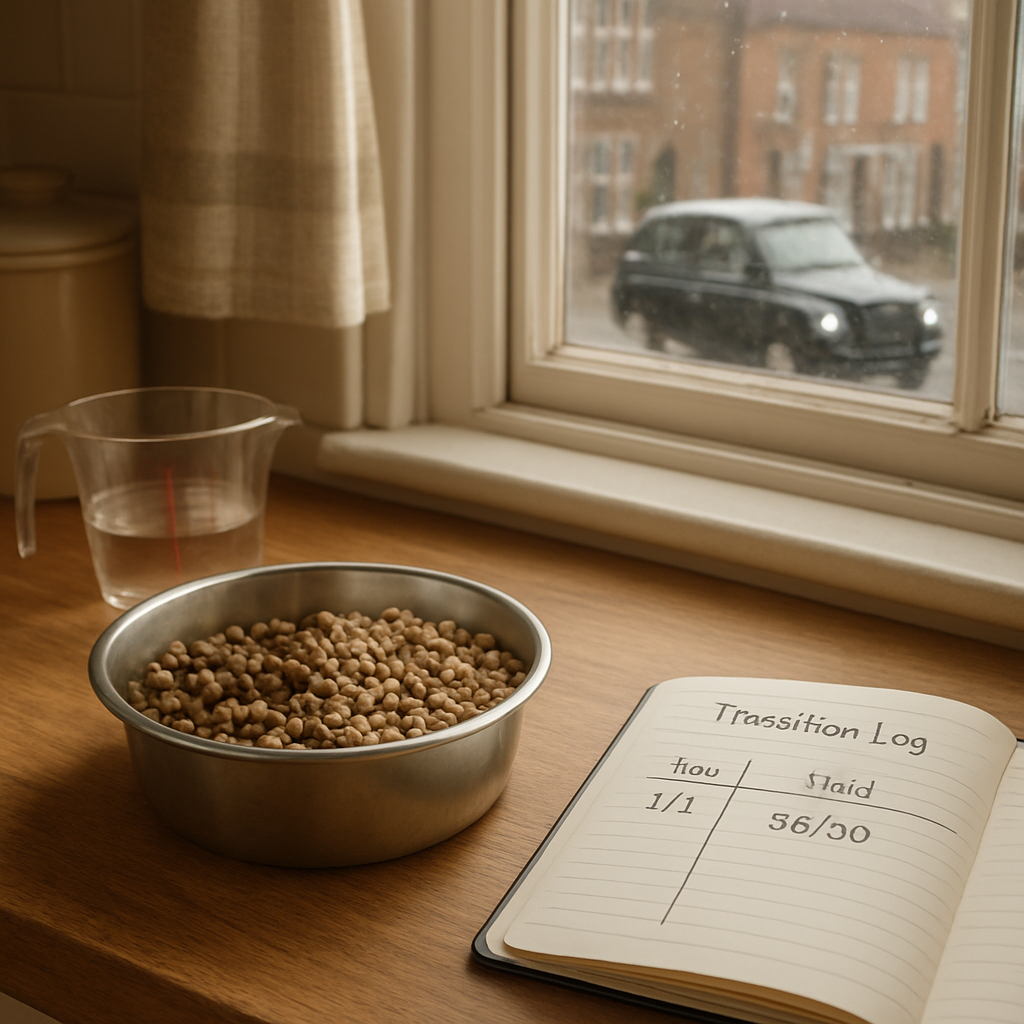
A photorealistic kitchen scene in a cosy British home, showing a stainless‑steel bowl half‑filled with old kibble and half with a new hypoallergenic dog food uk blend, a measuring cup, and a notebook open to a simple transition log. Soft natural light streams through a window with a glimpse of a rainy London street outside. Alt: Gradual transition to hypoallergenic dog food uk with a log sheet.

Common Myths About Hypoallergenic Dog Food

Ever walked past a bag that proudly screams “hypoallergenic” and thought, “That must be the magic bullet for my dog’s itch?” You’re not alone. The label has become a shortcut for many owners, but the reality is a lot messier than the marketing suggests.

Myth 1: “All hypoallergenic foods are created equal”

In truth, “hypoallergenic” is a marketing term, not a regulated standard. One brand might simply swap out chicken for duck, while another actually hydrolyses the protein so the immune system can’t recognise it. The Scrumbles blog points out that without a certifying body, any product can slap the label on its packaging as long as it avoids a few common allergens – but that doesn’t guarantee it’s suitable for your pup’s specific trigger.

Myth 2: “If the food says hypoallergenic, my dog can eat it without a test”

Most dogs react to a single protein, yet the word “hypoallergenic” can hide other culprits like soy, corn or hidden dairy. A recent review of UK pet owners shows that only about 1 % of chronic itching is truly food‑related – the rest is often environmental. Jumping straight into a “hypoallergenic” bag without first confirming which ingredient is the problem is like buying a lock without knowing which door you need to secure.

What we’ve seen work best is a quick at‑home intolerance test from UK Pet Food Intolerance. The kit gives you a shortlist of proteins to avoid, so you can match the result to a truly suitable formula rather than guessing.

Myth 3: “Grain‑free equals hypoallergenic”

Grain‑free trends grew because many owners assumed grains were the main irritant. The data from the My Ollie myth‑busting article shows that gluten intolerance in dogs is rare, and grains can actually provide valuable fibre. A “hypoallergenic” diet that’s also grain‑free might still contain peas, lentils or other legumes that act as hidden protein sources.

When you scan the ingredient list, look for a single, novel carbohydrate – sweet potato, pumpkin or rice – and avoid anything that hints at “pea starch” or “lentil flour” unless you’ve already ruled those out.

Myth 4: “My dog will love any hypoallergenic recipe”

Flavor matters, especially when you’re asking a dog to give up its favourite chicken kibble. Some hypoallergenic formulas use hydrolysed proteins that taste bland, leading to a temporary drop in appetite. One real‑world example: Lucy, a Border Collie from Newcastle, refused to finish her first week on a hydrolysed diet until her owner mixed in a spoonful of low‑calorie, hypoallergenic treats that matched the same ingredient list. The trick is to keep treats within the same “allergen‑free” family, not to re‑introduce the offending protein.

Myth 5: “A short trial is enough to know if it works”

Vets generally recommend a 12‑week exclusion trial because skin and gut symptoms can lag behind dietary changes. Cutting the trial short can give a false negative – your dog might still be reacting, but the signs haven’t peaked yet. Keep a simple log: day, mix ratio, stool consistency, itching level. If after eight weeks the symptoms haven’t improved, you either need a different protein source or a deeper look at environmental factors.

Practical steps to cut through the myths

  • Check the label for a single novel protein (duck, venison, salmon, insect‑meal).
  • Confirm the carbohydrate is alone – sweet potato, pumpkin or rice.
  • Look for “hydrolysed” if you need an ultra‑low‑allergen option.
  • Use an at‑home intolerance test to pinpoint the exact protein to avoid.
  • Commit to a 12‑week trial, logging every bite and reaction.
  • If symptoms persist, revisit the log to spot hidden triggers like treats or supplements.

Remember, “hypoallergenic dog food uk” is a useful search phrase, but it’s a starting point, not a guarantee. By debunking these myths and following a data‑driven plan, you’ll stop the endless cycle of swapping bags and finally give your dog the relief they deserve.

Conclusion

If you’ve made it this far, you’ve probably felt that mix of relief and lingering doubt – “Will this really fix Bella’s itching?”

The short answer: a systematic, 12‑week trial of the right hypoallergenic dog food uk, backed by solid data, usually does the trick. You’ve already seen why single‑source proteins, clean carbs and minimal additives matter.

What’s the next practical step? Grab an at‑home intolerance test, log every bite, and stick to the mixing schedule we outlined. When the log shows calmer skin and steadier stools, you’ve found the winner.

And if the symptoms linger? Re‑visit the log, swap the protein, or check for hidden treats. Remember, the process is iterative – it’s okay to tweak.

In our experience, owners who combine a clear test result with a focused hypoallergenic dog food uk report noticeable improvement within three weeks, and full relief by the end of the trial.

Finally, keep the new diet for at least another two weeks before you consider any re‑challenge. This buffer lets the gut fully settle and gives you confidence that the improvement isn’t just a temporary blip.

So, take a breath, trust the data, and give your dog the consistent, low‑allergen diet it deserves. Your calm‑coated companion is just a few thoughtful steps away.

FAQ

What exactly is hypoallergenic dog food uk and how is it different from the kibble I buy now?

In plain English, hypoallergenic dog food uk is formulated with a single, novel protein and a simple carb so there’s almost nothing your dog’s immune system can mistake for a threat. Regular kibble often packs multiple meat meals, grains and hidden additives – think chicken, beef, soy, wheat – all of which can trigger itching or gut upset in sensitive pups. By stripping the ingredient list down to the basics, you give the gut a chance to calm down and the skin a break from constant irritation.

How long should I run a hypoallergenic trial before I can tell if it works?

Vets usually recommend a 12‑week exclusion trial because skin and digestive symptoms can lag behind diet changes. You’ll start to see a drop in itching within the first three weeks, but aim for the full twelve to be sure the gut has fully reset. Keep a simple log – date, bowl ratio, stool colour, itch level – and look for a steady trend rather than a single good day.

Do I need to do an at‑home food intolerance test before I switch foods?

It’s not mandatory, but it saves you a lot of guesswork. A test from UK Pet Food Intolerance can pinpoint the exact protein your dog reacts to, meaning you can choose a hypoallergenic formula that avoids that trigger straight away. Without a test you might end up swapping to a new novel protein only to discover another hidden allergen later, prolonging the cycle of trial‑and‑error.

Can I still give my dog treats while we’re on a hypoallergenic diet?

Only if the treats share the same allergen‑free profile as the main food – same novel protein, same single carb, no hidden wheat or soy. A handful of low‑calorie dental chews that list duck and sweet potato as the only ingredients are fine. Anything with a different meat source or grain could re‑introduce the culprit and undo the progress you’ve made, so keep treats simple and consistent.

What’s the safest way to transition my dog onto a new hypoallergenic food?

Start with a 75 % old / 25 % new mix for two days, then 50 % each for the next two, 75 % new for another two, and finally 100 % new on day seven. Watch appetite, stool consistency and energy levels – if anything looks off, pause at the current ratio a few extra days before moving on. A gradual switch gives the gut microbiome time to adapt without triggering a flare‑up.

My dog’s still scratching after the 12‑week trial – what now?

First, double‑check the log for any sneaky sources – treats, supplements or even a hidden pea‑starch in a chew. If everything truly matches the hypoallergenic formula, consider a re‑challenge: re‑introduce the previous protein in a controlled way for three days and watch for a reaction. Persistent itch might signal a secondary issue like environmental allergens or a skin infection, so a quick vet check‑up is the next sensible step.

Your Guide to Choosing the Right Dog Food Sensitivity Test UK

Let me paint a quick picture for you. Imagine your pup, wagging happily, but after a meal he starts scratching, eyes water, or the bowl is abandoned. You’re left wondering, “What’s going on?” Most owners think the culprit is a new brand or a fancy protein, but it could be a hidden intolerance that’s slipped through the vet’s radar.

That’s where a dog food sensitivity test UK comes in. Think of it as a detective kit that dives into the exact ingredients your dog’s reacting to – no more blind trial‑and‑error diets. In our experience, the right test can turn a frustrating cycle of fevers and flares into a clear action plan in just a few weeks.

Here’s what you’ll typically get: a small, bite‑sized kit that fits right into your kitchen drawer. You simply swipe a little of your dog’s fur, drop it into a sealable vial, and send it back to a UK‑based accredited lab. The lab runs the sample through a panel that covers the top 200 food allergens plus a handful of non‑food triggers like dust or pollen, so you’re getting a holistic view. Results arrive in about 10 days on the portal you log in to, complete with a plain‑spoken summary and a recommended list of foods to avoid.

Let’s break it down into three quick steps:

1. Collect the sample. Use the swab to gather a few millimetres of fur from the back of the neck – that’s all you need. No blood work, no stress.

2. Ship it off. The kit comes with prepaid postage. Drop it into the box, seal it, and post – it’ll be back in your hands in a fortnight.

3. Decode the results. Log in, read the clear chart, and start swapping out the flagged foods. If wheat shows up, try a grain‑free kibble; if chicken is the culprit, look at beef or fish alternatives.

Why does this matter? A study by the British Veterinary Association shows that up to 15 % of dogs with chronic itching have an underlying dietary trigger. By pinpointing that trigger early, you can reduce vet visits, cut down on unnecessary medication, and, more importantly, give your dog a smoother, itch‑free life.

If you’re ready to get a clearer picture, the Dog Food Intolerance UK: A Practical Guide for Pet Owners walks you through each stage from sample to diet plan.

And while we’re talking health, you might also want to explore general wellness resources at XLR8well, where you can find advice on maintaining a holistic approach to your dog’s overall wellbeing.

TL;DR

TL;DR: A dog food sensitivity test in the UK lets you pinpoint allergens from a simple fur sample. Within two weeks you’ll receive clear results and a tailored diet plan, cutting vet visits, easing itching and gut upset, and giving your pup a calmer, itch‑free life and longer, healthier years.

Step 1: Understand What a Dog Food Sensitivity Test UK Can Reveal

Before you even think about swapping kibble or splashing your pup with a new shampoo, ask yourself this: what’s really driving those itchy flares, the sudden diarrhoea or that nagging belly rumble you’ve been seeing? In many cases the culprit is a hidden food sensitivity that you simply don’t know about.

Dog food sensitivity tests in the UK are designed to pull the curtain back on those sneaky triggers. Using just a tiny swab of your dog’s fur, the test analyses for up to 200 common food allergens – from wheat and soy to chicken and fish – plus non‑food irritants like dust or pollen. The result is a clear, easy‑to‑read list of foods to avoid and, in most cases, a recommended diet plan to get your dog back on track.

So, what does that actually look like in practice? Imagine your pup starts scratching after a bowl of dry food. A sensitivity test tells you whether the problem lies in the grain, the protein, or perhaps the additives. With that knowledge, you can replace the offending ingredient with a grain‑free, hypoallergenic option – all without the costly trial‑and‑error vet visits.

How fast do you get answers? In our experience, the entire process takes less than two weeks: collect the sample, ship it in the prepaid envelope that comes with the kit, and receive your results online. The portal will present the findings in plain language, pointing out which allergens are causing trouble and suggesting safe alternatives.

Now, here’s a quick check‑list to keep you on track when you start the journey:

  • Collect the sample: Use the swab to gather a few millimetres of fur from your dog’s neck – no stress, no blood work.
  • Send it back: The kit’s prepaid packaging ensures it’s on the move to an accredited UK lab.
  • Review the results: Log in, look at the chart, and note the flagged foods.
  • Apply the plan: Swap out the offending ingredients. If wheat tops the list, try a grain‑free kibble; if chicken is the culprit, explore beef or fish alternatives.

When the test points to a specific allergen, the next step is to find a diet that matches that profile. Many brands now offer hypoallergenic options that align with the test findings, making it easier than ever to transition your dog to a smoother tummy and clearer skin.

And if you’re wondering where to start, Pet Intolerance Test UK: A Practical Guide for Owners is a solid resource that walks you through the process, from sample collection to interpreting your results. It’s packed with real‑world examples and a step‑by‑step approach that even a first‑time tester can follow.

But the journey to a healthier dog doesn’t stop at food alone. A holistic approach to your pet’s wellbeing can make a big difference. For broader guidance on keeping your dog (and yourself) in good health, check out XLR8well, which offers proactive health tools and advice that complement a well‑balanced diet.

Now that you know what a test can uncover, it’s time to take the first step and start the process. Below, we’ll walk through the exact moments you’ll experience from picking up the kit to receiving your personalized plan.

Before we dive into the next phase, here’s a quick visual reminder of the kit you’ll be using. Imagine the sleek, user‑friendly packet that arrives at your door – a simple, no‑fuss solution for a complex problem.

A small, user‑friendly dog food sensitivity test kit with a swab, sample vial, and prepaid postage envelope placed on a kitchen counter. Alt: Dog food sensitivity test UK kit layout.

That’s all for Step 1 – understanding the power of a dog food sensitivity test UK. In the next section we’ll get into the nitty‑gritty of how to collect the sample and ship it back.

Step 2: Gather the Right Supplies and Prepare Your Dog

Before you even think about sending that fur sample, you’ve got to arm yourself with the right tools. Think of it like packing for a short trip: you don’t want to leave the kettle or your favourite mug behind.

First up, the kit itself. At UK Pet Food Intolerance, every test package comes with a swab, a sealed vial, prepaid return label, and a quick‑start guide. The swab is tiny, almost like a hairbrush, and the vial is small enough to fit in a purse.

Next, you’ll need a clean, flat surface—preferably a countertop where you can keep the vial and swab handy without worrying about a spill. A paper towel or a disposable sheet works great to keep the area tidy.

And then there’s the prep for your pup. If your dog is used to a routine, this will feel like any other bath or walk. If you’re new to sampling, grab a small, soft brush or a damp cotton swab. Brush your dog’s neck in the back‑of‑neck area; this is where the fur is longest and most likely to hold the proteins that trigger an immune response.

Now, how do you actually collect the sample? It’s simple: gently swipe the swab across the fur for about 5–10 seconds, ensuring you get a mix of hairs. Don’t over‑scrape—just enough to get a few strands, plus a tiny drop of natural oils. The goal is to pick up what’s circulating in your dog’s skin, not to cause irritation.

Once you’ve got the swab, slide it into the vial. The vial is designed to lock shut, preventing any accidental spills. You’ll then seal the cap, ensuring it’s snug but not over‑tight, as that could damage the vial’s integrity.

Time to secure the return postage. The kit includes a pre‑stamped, pre‑addressed envelope—just pop the vial in, close the flap, and drop it into a blue postbox. If you’re in a hurry, you can hand it to a postman. No need for extra postage.

While the sample is on its way, take a moment to note your dog’s recent food history. Jot down any brands, changes, or oddities. This log will be handy when you review the results and discuss a new diet with your vet.

Have you ever wondered why some tests feel like a maze? One thing that can throw off the accuracy is sample contamination. Make sure the swab stays clean—never touch the swab tip with your fingers after brushing. A quick wipe with a sanitising wipe before insertion helps keep it pristine.

Also, keep the kit out of direct sunlight and avoid temperature extremes. High heat can degrade the proteins in the sample, while freezing can cause the vial to crack.

Now, let’s bring in a real‑world snapshot. Meet Luna, a 4‑year‑old Labrador who was scratching her ears every evening after dinner. Her owner, Emma, used the UK Pet Food Intolerance kit. After following the steps above, Emma discovered that Luna had a high sensitivity to chicken. Once the kit was sent, the result arrived in 10 days, and Emma adjusted Luna’s menu to a grain‑free, novel protein formula. Within two weeks, the ear scratching stopped and Luna’s coat started looking shinier.

Does this method feel too technical? Think of it as a DIY detective. You’re simply gathering clues—little strands of fur and a little oil. That’s all the lab needs to do the heavy lifting.

There’s also a useful tip: if your dog is a bit skittish, let them sit comfortably on your lap or a cushion before you start brushing. A calm dog makes for a smoother sampling session and a higher‑quality sample.

Finally, once the lab returns the results, you’ll have a clear list of foods to avoid and a suggested diet plan. The next step will be to replace the flagged ingredients gradually, using a single‑ingredient approach so you can monitor how Luna reacts. If you feel unsure, your vet can help interpret the report and tweak the plan.

All in all, this step is quick, painless, and sets you up for a smooth transition to a diet that actually works for your dog. Ready to grab that kit and get started?

Step 3: Conducting the Test – A Step‑by‑Step Video Guide

Ready to roll up your sleeves and get that kit on its way? Great. In this section we break the whole process into bite‑sized bits that you can follow right from your living room. No lab trips, no vet appointments—just a few minutes, a bit of hair, and a clear direction for your dog’s diet.

Step 1 – Prepare Your Kitchen

First off, clear a small, flat area on the counter. A disposable paper towel or a clean sheet will keep things tidy. You’ll be holding the kit’s swab and vial, so having a steady surface reduces the risk of dropping the little vial.

Now, grab your dog’s favourite blanket or a towel. If your pup is skittish, let them sit on a cushion in front of you so they’re calm and still. A relaxed dog makes the swabbing quick and painless.

Step 2 – Collect the Sample

Hold the swab with a firm but gentle grip. You’ll target the back‑of‑neck area where the hair is longest. Brush forward in short strokes, covering about 5–7 strands. If you’re brushing the whole neck, you’ll pick up a few extra hairs—no harm done.

Don’t worry about pulling hair at the root; a few stray strands are fine. If you see the swab get dirty, give it a quick wipe with the included sanitising wipe before you slide it into the vial.

When the vial is ready, seal the cap snugly—tight enough that it won’t pop open but not so tight that it cracks the plastic. You’ve just collected the evidence that will guide your next steps.

Step 3 – Ship it Back

Drop the vial into the pre‑stamped, pre‑addressed envelope that came with the kit. No extra postage is needed—just seal the flap, stick the label, and pop it into the nearest blue postbox. If you’re in a hurry, hand it off to a postman on the way home.

Keep the order number on hand; you’ll need it to track the sample through the lab. If you’re curious, the kit’s “how‑to” video on the company’s site (our 5‑star rated intolerance test) shows exactly how to place the vial in the envelope and seal it correctly. Read more about the test kit.

Step 4 – What to Expect in 24‑72 Hours

The lab in the UK uses a bioresonance technique that looks at the energetic frequencies of the hair sample. You’ll receive a clear, colour‑coded chart in your email—red means a strong intolerance, amber a mild reaction, green nothing at all.

Alongside the chart, the report includes a simple action guide: a list of foods to cut, foods to keep, and optional vitamin or mineral supplements if the lab flags any deficiencies. If the results raise a question, your vet can interpret them with you and help tailor a diet that removes the culprits.

Step 5 – Apply the Action Plan

Start by eliminating one flagged ingredient at a time. Swap your dog’s current kibble for a grain‑free formula that doesn’t contain the offending protein or grain. Watch for improvement over 2–3 weeks—any itching or digestive upset should subside.

If your dog tolerates the new food, you can begin reintroducing other ingredients, one at a time, to see if any other triggers surface. Keep a simple diary: brand, batch, and any symptoms. This log will help you fine‑tune the diet and avoid the trial‑and‑error cycle.

Step 6 – When to Call the Vet

Most owners find the test results clear enough to adjust on their own. However, if you’re uncertain about interpreting a complex chart or if your dog’s symptoms worsen, a quick chat with your vet can give you confidence. The report is a great conversation starter and often speeds up the vet visit.

Remember, the test isn’t a medical diagnosis but a guide. If your dog has severe, persistent symptoms, a full veterinary assessment is still the safest route.

So, what does this all mean for you? A single, simple swab can open the door to a calmer, itch‑free life for your pup. You’ll have a personalised menu, no more guessing games, and a clear path to a healthier diet—right from your own kitchen.

Step 4: Comparing Top At‑Home Kits – What to Look For

First thing’s first – you’re not looking for a one‑size‑fits‑all kit. You want a service that feels as personal as a vet visit but fits into your kitchen drawer.

At the heart of any good at‑home test is a clear, colour‑coded report. You’ll see a simple colour bar: red for a strong reaction, amber for a mild one, green for no concern. That visual cue is the fastest way to spot the culprits that keep your pup scratching.

So, what makes a kit stand out? Let’s break it down into three quick categories: breadth, speed, and support.

1. Breadth – How many allergens does it cover?

Some kits stop at 200 items, others go above 1,000. If you’re dealing with a mixed‑breed that’s tried every kibble, a wider panel can catch a surprise trigger you might miss with a smaller test.

For example, the UK Pet Food Intolerance kit screens over 1,100 food and environmental items, giving you a panoramic view that most competitors only skim. That breadth means you’re less likely to overlook a hidden grain or an unexpected flavour additive.

2. Speed – How fast can you act?

Results arrive digitally within 48–72 hours for the UK Pet Food Intolerance service. That’s fast enough that you can start an elimination diet on the same week you order. If you need a quicker turnaround, some blood‑based kits promise results in a week, but they often miss the non‑food irritants many dogs suffer from.

Remember, the sooner you know the trigger, the sooner your pup can breathe easier – and the fewer extra vet visits you’ll need.

3. Support – Who’s there to help you read the data?

Numbers alone can feel overwhelming. That’s why the UK Pet Food Intolerance kit pairs every report with a step‑by‑step guide and access to email support. If you hit a roadblock, a quick chat with a customer care rep can keep you on track without a costly appointment.

Other services often hand you a PDF and leave you to interpret it. That can lead to trial‑and‑error diets that cost time and money.

Want to compare more options side‑by‑side? The UK Food Intolerance comparison guide on their site gives a handy snapshot of the top UK kits, so you can see at a glance how each stacks up in coverage, speed, and customer service. UK Food Intolerance comparison guide.

Real‑world check‑list

  • Check the panel size – >500 items is a good baseline.
  • Ask for a digital report with colour coding.
  • Make sure the lab is UK‑based and accredited.
  • Look for a support channel (email, chat, or phone).
  • Compare price vs value – a cheaper kit may miss key allergens.

Quick table of the top three picks

Feature UK Pet Food Intolerance (Top Choice) Other UK Kit A Other UK Kit B
Allergens Covered Over 1,100 items 500 items 200 items
Result Turnaround 48–72 hours 5–7 days 3–5 days
Support Email + live chat guide PDF only Email only
Lab Location UK‑based, accredited UK‑based, ISO UK‑based

In short, if you’re hunting for a kit that gives you confidence, speed, and a clear action plan, the UK Pet Food Intolerance kit is your best bet. It covers the widest range of triggers, delivers results in a couple of days, and backs every report with real‑time support. That’s the combination most dog owners need when they’re tired of guessing which grain or protein is the culprit.

Still curious? For a deeper dive into how each kit compares, check out the PetsRadar guide on dog food allergy tests – it breaks down the pros and cons of the most popular at‑home options. PetsRadar guide.

Step 5: Adjusting Your Dog’s Diet After Test Results

So, your test report has landed, and you’re staring at a colour‑coded list that looks more like a cheat sheet than a puzzle.

It can feel a bit overwhelming, but let’s break it down into a simple, bite‑size plan that you can start today.

First off, decide on your priority: stop the worst offenders, then watch how your pup reacts.

You might think, ‘Why start with the top red flag?’ because the biggest reactions often cause the most visible discomfort.

A quick rule of thumb: cut one ingredient at a time, give it a full week, then log what you see.

If you’re juggling two brands, pick the one that triggers the stronger symptoms and swap that out.

Do you remember how your dog’s coat looked before the tests? That’s a handy baseline to compare against.

Once you’ve removed the red‑flag ingredient, notice changes in stool consistency, itching, or energy level.

If you see improvement, you’re onto the right track. If not, maybe the reaction was mild and can stay.

Now, what about the amber list? These are the ‘caution’ foods – they’re not causing big trouble yet but can flare up.

You could reduce their frequency or try a small trial of a substitute protein, like switching from chicken to lamb.

Here’s a quick checklist: 1️⃣ remove red foods; 2️⃣ monitor for 7 days; 3️⃣ add back amber foods one at a time; 4️⃣ keep a diary.

A dog happily eating a balanced home‑made meal, with a labelled list of ingredients and a diary beside it. Alt: dog food sensitivity test uk diet adjustment

A diary is your best friend; jot down brand, batch, any symptoms, and how long after meals you notice issues.

Does a food diary feel like extra work? Think of it as a detective notebook for your pup’s health.

If you’re unsure how to interpret the report, our support team at UK Pet Food Intolerance is just a chat away.

Remember, the goal isn’t a perfect diet the first time – it’s about making small, evidence‑backed changes.

Every dog is different, and sometimes a single ingredient can make a big difference in skin or tummy.

Keep your vet in the loop, especially if you spot new or worsening symptoms while tweaking foods.

They can help rule out other medical issues and confirm that the diet is the main driver.

When you feel confident, you’ll start to see a smoother coat, fewer flares, and a calmer pup.

Now, what’s your next step? Grab a pen, start that diary, and pick one red‑flag food to eliminate today.

If you hit a plateau, consider adding a small portion of a new protein source that the report labels as green. This can keep your dog’s diet interesting without re‑introducing risk.

Also, think about supplementing with omega‑3s or probiotics if your pup’s gut feels a bit unsettled. These additions can help smooth the transition and support overall health.

Finally, celebrate the small wins. A clearer coat, less scratching, or just a calmer walk can be a reminder that you’re steering your dog toward better days.

When you’re ready to share progress, a quick photo or a short note to your vet can reinforce the journey. It shows that you’re proactive and keeps the conversation open.

Key Takeaways

We’ve walked through the whole testing journey, from swab to results, and the main message is simple: the right test lets you swap out the culprit in record time.

First, a clear score tells you which ingredients are the real trouble‑makers.

Second, the lab’s turnaround is usually every 10–14 days, so you can start an elimination diet while you still have the original food in the pantry.

Third, documenting what you feed and any reactions gives you a handy diary that turns vague symptoms into concrete data you can share with your vet.

And finally, remember that the test isn’t a cure‑all, but it’s a focused roadmap that reduces vet visits, cuts unnecessary meds and keeps your pup’s coat glossy and its tummy happy daily.

If you hit a plateau, introduce a small portion of a new green‑listed protein – a gentle tweak that keeps your diet varied without re‑triggering sensitivity.

Conclusion

So here we are, at the finish line of this walk through dog food sensitivity test uk.

You’ve seen the kit, the swab, the lab, and the clear score that tells you who’s to blame.

What matters most is how you turn that information into a daily routine that keeps the scratching at bay.

Start by swapping only one offending ingredient at a time and give your pup a week to adjust.

Keep a simple diary – jot the brand, the batch, and any symptom you spot.

When the itch eases or the tummy settles, that’s your green signal to keep going.

If a red flag shows up again, loop back, test a new protein or grain, and repeat the cycle.

You’re not chasing a miracle, just trimming the diet like a gardener prunes a bush for better growth.

And remember, every little tweak is a step toward a happier, itch‑free day.

If you’re ready, take a breath, grab the kit, and let the results guide your next meal.

Because at the end, it’s all about that calm, shiny coat and the peace of mind that comes with knowing what feeds the joy.

Every small win adds confidence and joy.

FAQ

What exactly is a dog food sensitivity test UK?

A dog food sensitivity test UK is a home‑based kit that collects a tiny sample of your pet’s hair or saliva and sends it to an accredited lab. The lab checks the sample against a panel of over 200 common food and environmental allergens. Results arrive in a user‑friendly online portal, colour‑coded to show which ingredients your dog reacts to most strongly.

How long does it take to get the results?

Most tests in the UK finish within 10 to 14 days from the moment you post your sample. Some kits promise a faster turnaround—up to 48 hours for preliminary data—but the full, detailed report usually takes a fortnight. While waiting, you can start a simple elimination diet, swapping one flagged ingredient at a time.

What ingredients are usually tested?

Typical panels cover proteins like chicken, beef, lamb, and fish; grains such as wheat, corn, barley and rye; and common additives like corn flavour, soybean meal and various preservatives. They also check for non‑food triggers such as dust mites or pollen. The breadth of the panel gives you a holistic view of what might be irritating your dog’s gut or skin.

Can I use the results to treat my cat, too?

Yes, the same test works for cats. Cats often suffer from food sensitivities that manifest as itching, diarrhoea or chronic ear issues. By identifying the culprit ingredients, you can tailor a diet that reduces irritation and improves overall well‑being. Just follow the same simple swabbing process and let the lab do the heavy lifting.

Is this test a substitute for a vet visit?

No, it’s a complementary tool. Think of it as a clue‑finder that narrows down possible dietary triggers, helping you have a focused conversation with your vet. If your dog shows persistent or severe symptoms, a full veterinary assessment is still essential. The test gives you clear information to discuss during that appointment.

What should I do if the test shows multiple red‑flag foods?

Start by eliminating the single most severe ingredient and observe for two to three weeks. If improvement occurs, you can re‑introduce one of the milder offenders at a time. Keep a simple diary—brand, batch, any change in behaviour or stool—to track what works. This stepwise approach prevents confusion and ensures you’re not discarding more than necessary.

Are there any risks or side‑effects from using the test?

The swab method is non‑invasive and safe—no needles or blood work. The only risk is a misinterpretation of the data, which is why we pair the report with clear guidance. If you feel unsure, contact a vet to interpret the results together. The kit itself poses no health risk to your pet.

How often should I repeat the test if my dog’s symptoms change?

If you introduce a new protein or grain, or if your dog’s reaction worsens after an elimination period, repeat the test. Many owners find it useful to re‑test every six months to a year, especially if they’re switching brands or adding supplements. Regular testing keeps your diet plan current and avoids lingering sensitivities.