foods dogs can eat when on elimination diet uk: a practical how-to guide for UK dog owners

Ever stood in the kitchen, staring at a bag of kibble and wondering if it’s safe for your dog while you’re running an elimination diet?

You’re not alone. Most UK dog owners hit that moment of doubt when the pantry looks like a maze of potential triggers – chicken, wheat, dairy – and the vet has just suggested a short‑term trial to pinpoint the culprit.

What we’ve learned at UK Pet Food Intolerance is that the key isn’t to starve your pup of flavour, but to swap in a handful of simple, single‑ingredient foods that are universally tolerated. Think of it as a culinary reset button.

Here are three go‑to options that fit neatly into a typical 10‑day elimination plan:

  • Boiled white rice – easy to digest, low in allergens, and works as a neutral base for mixing with a protein source.
  • Lean turkey or chicken breast (skin‑less, unseasoned) – provides high‑quality protein without common fillers like soy or corn.
  • Steamed sweet potato – gentle on the stomach, rich in fibre, and offers a subtle sweetness that many dogs love.

Start by offering a small portion (about a tablespoon per 5kg of body weight) twice a day. Keep a simple log: note the time, amount, and any reaction – a few extra poops, a hint of itching, or a sudden burst of energy.

And remember, consistency is king. Avoid treats, table scraps, or flavour enhancers during the trial. If you need a quick snack, a slice of banana (yes, dogs can have that in tiny amounts) or a few green beans work as safe, low‑calorie treats.

Real‑world example: Emma from Brighton swapped her Labrador’s regular dry food for a mix of boiled rice, turkey, and sweet potato for 12 days. By day ten, the persistent skin itch had noticeably calmed, prompting a follow‑up test that identified a wheat sensitivity.

Want a step‑by‑step guide that walks you through the whole process, from choosing the right protein to re‑introducing foods safely? Check out our Dog Food Intolerance UK: A Practical Guide for Pet Owners – it breaks the plan down into daily tasks and includes a printable checklist.

So, grab a pot, a cutting board, and give your dog a calm, predictable menu. Within a couple of weeks you’ll have a clearer picture of what truly fuels their health.

TL;DR

If you’re unsure which safe bites to serve your pup during an elimination diet, this guide outlines the core foods dogs can eat when on elimination diet uk.

Log each meal, steer clear of hidden triggers, and you’ll notice better digestion and calmer skin in just a few weeks again.

Step 1: Establish the baseline for your dog’s elimination diet

First thing’s first – you need a clear picture of what your pup is eating right now. It might sound obvious, but many dog owners forget to jot down the sneaky bits: a handful of kibble from the floor, a stray chicken bone, or even a spoonful of cottage cheese from the kitchen counter. Those hidden calories can throw your elimination trial off track.

Grab a small notebook or, better yet, open a notes app on your phone. Create three columns – time, food, and reaction. Every meal, every treat, and every little nibble gets recorded. Trust me, the habit of logging feels a bit like keeping a diary for your dog, and it pays off when you start spotting patterns.

Now, decide on your baseline menu. In our experience at UK Pet Food Intolerance, the safest starting point is a single, easily digestible protein paired with a bland carbohydrate. Think boiled chicken breast (no skin, no seasoning) and plain white rice – both are low‑allergen, inexpensive, and widely available across the UK.

Measure the portion size carefully: roughly a tablespoon of rice plus a similar amount of protein for every 5kg of body weight, split into two meals a day. This consistency removes the variable of portion size, so any change you see is more likely linked to the food itself.

While you’re serving this simple fare, eliminate everything else. No treats, no table scraps, no chew toys that might be coated in flavour enhancers. Even a tiny bite of cheese can introduce casein, a common trigger. If you have multiple dogs, feed them in separate rooms to avoid accidental sharing.

Here’s a quick checklist to keep you on track:

  • Prepare a fresh batch of rice and protein each day – freshness reduces the risk of bacterial growth.
  • Use the same bowl for each meal to avoid cross‑contamination.
  • Keep the feeding area quiet and calm; stress can mimic allergy symptoms.

And here’s where the video comes in – it walks you through the exact cooking method for rice and chicken, so you don’t over‑cook or under‑cook anything.

After the video, give the food a solid 48‑hour run‑in before you start noting any reactions. Look for subtle changes: a calmer coat, fewer trips to the garden, or a steadier appetite. Don’t panic if you don’t see an immediate miracle – the gut needs time to adjust.

When you do notice something, be specific in your log. Instead of writing “itchy,” note “itchy on right hind leg, started 2 hours after lunch.” The more detail you capture, the easier it is to pinpoint the culprit later on.

Finally, remember that this baseline is a temporary reset, not a permanent diet. Once you’ve established a stable period of 10‑12 days with no adverse reactions, you’re ready to move on to the re‑introduction phase, where you systematically add back one new food at a time.

Sticking to this method might feel a little like a science experiment, but the payoff is a clearer understanding of what truly works for your four‑legged friend.

Step 2: Safe protein options and compliant ingredients

Now that the baseline is locked down, you can move on to the part that feels a bit like grocery shopping for a mystery menu. Picking the right protein is the cornerstone of a successful elimination diet, and it doesn’t have to be rocket science.

What makes a protein truly safe for an elimination diet? The magic word is “novel” – something your dog hasn’t nibbled before.

Choosing a single novel protein

Think about proteins that sit outside the usual chicken‑and‑beef lineup. Duck, venison, rabbit, even kangaroo are popular choices in the UK because they’re rarely used in commercial kibbles. The goal is to give your pup a clean slate, so avoid anything that might have slipped into treats or occasional table scraps.

Once you’ve selected a protein, keep it simple: boil or steam it plain, no oil, no garlic, no onions – those are common irritants. A handful of skinless duck breast, or a cup of cooked venison, chopped into bite‑size pieces, works perfectly. Remember, you’re looking for a single, pure source, not a mixed‑meat medley.

Picking a compliant carbohydrate

Carbohydrates follow the same novelty rule. Single‑ingredient carbs like sweet potato, quinoa or green peas are easy on the gut and unlikely to have been part of your dog’s regular diet. Peel and cube the sweet potato, steam until soft, and serve in the same measured portion as the protein.

Why stick to one carb? Mixing several starches at once can mask a reaction, making it harder to pinpoint the true culprit later on.

Why single‑ingredient matters

When you feed a single protein and a single carb, any change you see – a calmer coat, steadier stools, fewer itchy scratches – can be traced straight back to that one new ingredient. That clarity is the whole point of an elimination diet.

  • One protein, one carb = clear cause‑and‑effect.
  • Consistent portions (about 1 tbsp per 5 kg body weight) keep calories steady.
  • No seasonings, no hidden fillers, no treats.

Portion control is key. Use a kitchen scale or a measuring spoon; a tablespoon of cooked duck or sweet potato per 5 kg of weight is a good starting point. Adjust gradually if your dog is very active or a senior with a slower metabolism.

Check the packaging of any pre‑prepared meat or veg you buy. Even “plain” products can hide additives like maltodextrin or soy flour, which would defeat the purpose. If you’re unsure, a quick glance at the ingredient list should show only the name of the meat or veg you’ve chosen.

For a deeper dive into selecting truly novel ingredients, see this guide on elimination diets. It walks you through the science behind novelty and offers a handy checklist.

When you serve the meals, keep the bowl clean and the feeding area free from stray crumbs. Any accidental slip of a previous food could muddle the results, and you’ll end up resetting the clock.
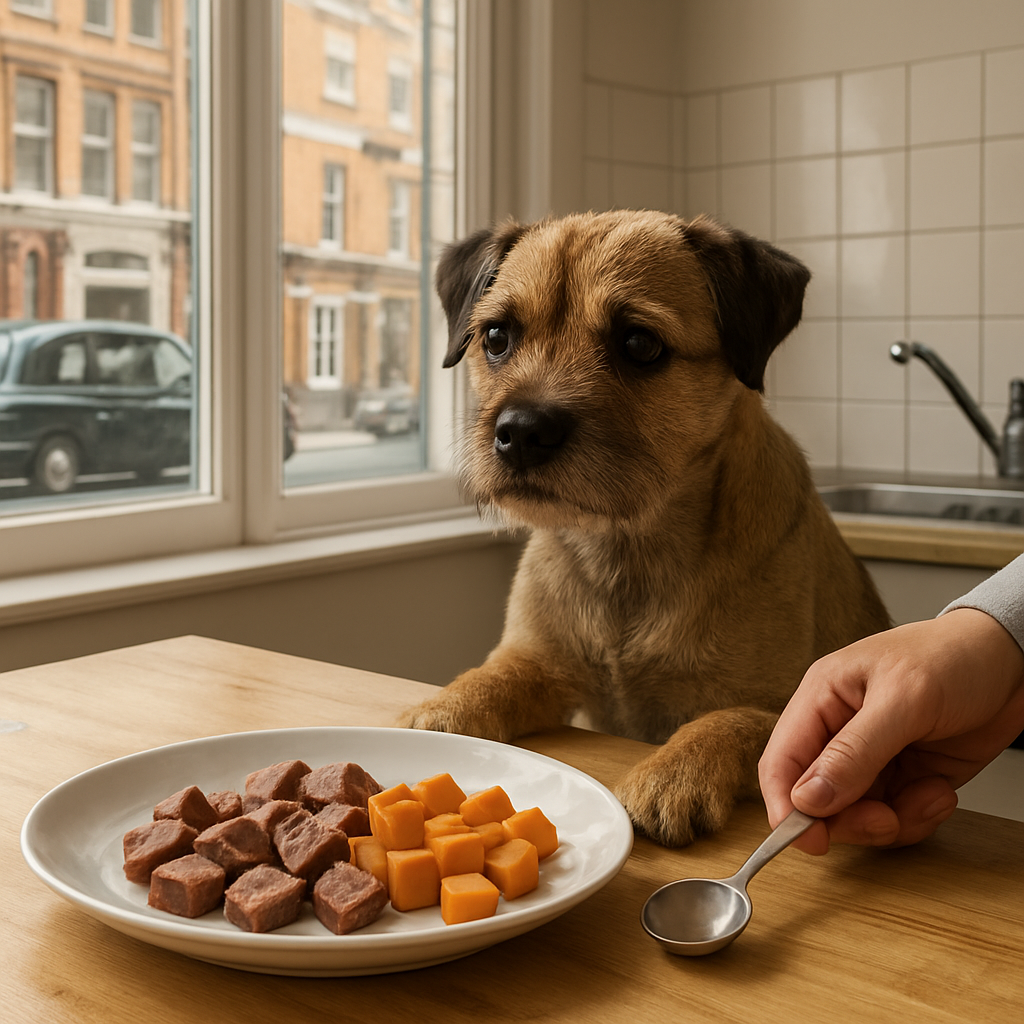
A photorealistic kitchen scene showing a British terrier owner preparing a single‑ingredient dog meal on a wooden countertop. The plate holds boiled duck breast pieces and steamed sweet potato cubes, with a measuring spoon beside it. Sunlight streams through a typical London flat window, highlighting the simple, clean setup. Alt: photorealistic image of safe protein and carbohydrate meal for a dog on elimination diet in the UK.

Action step: write down the protein and carb you’ve chosen, note the exact weight you’ll feed each day, and set a reminder on your phone to record any skin or digestive changes. Stick to this combo for at least eight weeks – that’s the sweet spot for most sensitivities to reveal themselves.

Step 3: Carbohydrates and fibre for elimination diet dogs in the UK

Alright, you’ve nailed the protein – now it’s time to think about the carbs and fibre that will keep your dog’s tummy calm while you hunt for the hidden trigger.

Why does fibre matter at all? Think of it as the gentle broom that sweeps the gut, helping stool pass smoothly and giving the gut lining a chance to reset. Too much fibre can cause gas, too little can leave the digestive system feeling raw. The sweet spot is a single, easily digestible carbohydrate that also supplies a modest fibre boost.

Choosing the right carb

In the UK, the safest bets are ingredients you’ve never seen on the bag of kibble before. That novelty reduces the chance you’re re‑introducing a hidden allergen.

Here are three crowd‑pleasers that fit the bill:

  • Sweet potato – naturally sweet, low‑glycaemic, and delivers about 2.5 g of fibre per 100 g.
  • Quinoa – a gluten‑free seed that’s actually a complete protein, with roughly 2.8 g of fibre per 100 g.
  • Green peas – tiny, bright, and provide about 5 g of fibre per 100 g, plus a bit of plant‑based protein.

All three are single‑ingredient, so you won’t accidentally mix in wheat, barley or soy. If you’ve ever fed your dog a commercial “vegetable blend”, ditch it – you need purity.

How much to feed

Measure roughly a tablespoon of cooked carb for every 5 kg of body weight, twice a day. That mirrors the protein portion you’re already using and keeps calories stable.

Cooking tip: steam or boil the carb plain. No butter, no garlic, no onion – those are classic irritants that can masquerade as a food reaction.

Do you wonder whether the carb is actually helping? Keep an eye on stool consistency and any changes in coat sheen. A smoother stool and a shinier coat after a week are good signs that the fibre is doing its job.

Fibre boost without risk

If you need a little extra fibre, sprinkle a pinch of psyllium husk (about ½ tsp) into the meal. It’s soluble fibre, so it won’t add bulk that could upset the gut, but it does help bind water and calm loose stools.

Remember, consistency is king. Once you choose a carb, stick with it for the full 8‑12 week elimination window. Swapping between sweet potato and quinoa mid‑trial is a recipe for confusion.

Need a quick reference? The table below sums up the basics.

Carbohydrate Fibre (g/100 g) Why it works
Sweet potato 2.5 Low‑glycaemic, gentle on stomach, familiar to UK pet owners.
Quinoa 2.8 Gluten‑free, complete protein, easy to digest.
Green peas 5.0 Higher fibre, adds a bit of plant protein, bright colour encourages appetite.

What if you hit a snag and your dog still seems itchy or gassy? That’s where a professional eye helps. Platforms like the Ultimate Pet Foods guide walk you through the science of novelty and give a handy checklist for carb selection.

So, what’s the next move? Write down which carb you’re committing to, measure the daily portion, and add a quick note in your log each time you feed. Stick with it, watch the gut settle, and you’ll be one step closer to pinpointing the true food trigger.

Step 4: Implementing meals at home – shopping lists, meal prep, and feeding routine

Alright, you’ve settled on the single protein and carb that sit nicely on the list of foods dogs can eat when on elimination diet uk. The next hurdle is turning that list into a fridge‑full, ready‑to‑serve routine that doesn’t feel like a full‑time job.

1. Build a simple shopping list

Start with a one‑page cheat sheet. Write the protein name, the carb, and any optional add‑ons (a pinch of psyllium husk, a splash of low‑sodium broth). Keep quantities in grams – a kitchen scale is worth its weight in gold. For a 20 kg Labrador, you’ll need roughly 4 g of protein and 4 g of carb per meal, twice a day.

Tip: colour‑code the list – green for veg, pink for meat – so you can spot accidental cross‑contamination at a glance.

2. Batch‑cook on a weekday

Pick a low‑stress evening – maybe Wednesday after work – and cook a week’s worth in one go. Boil the protein in plain water until it’s just cooked through; steam or boil the carb until soft. Divide everything into individual freezer bags or airtight containers. Label each bag with the date and the exact gram weight.

Why batch‑cook? It removes the daily “what’s for dinner?” question and stops you from reaching for a bag of kibble out of habit.

3. The prep‑day checklist

  • Check the freezer for a fresh batch.
  • Weigh out the portion for today’s meals (use the same scale each time).
  • Warm the food gently – a microwave for 20‑30 seconds or a steam‑bath works fine. No oil, no seasoning.
  • Mix the protein and carb together in a clean bowl. If you’re using a tiny fibre boost, sprinkle it now.

Give the bowl a quick visual scan – any stray crumbs or leftover kibble could sabotage the trial.

4. Feeding routine that sticks

Set two fixed times – say 07:30 am and 06:00 pm – and stick to them. Dogs thrive on predictability, and a steady schedule helps you spot changes in stool or skin more accurately.

When you serve the meal, sit with your pup for a minute. Watch their body language: a relaxed tail, eager nose, no frantic gulping. That’s a good sign the food is tolerable.

After each feeding, jot a quick note in your log: “07:30 – 30 g turkey, 30 g sweet potato, no itching”. A single line per meal keeps the log painless but valuable.

5. Dealing with leftovers

If you’ve got a few meals left over at the end of the week, freeze them immediately. Thaw only what you need for the next day – refreezing can affect texture and, more importantly, may encourage bacterial growth.

And if you ever notice a reaction – a soft stool, a bit of scratching – pause the trial, note the exact time, and consider consulting a vet. A brief interruption is better than pushing through and confusing the results.

6. Quick reference guide

Here’s a printable snapshot you can tape to the fridge:

  • Protein: skinless duck breast – 4 g per meal
  • Carb: steamed sweet potato – 4 g per meal
  • Add‑on (optional): ½ tsp psyllium husk
  • Meal times: 07:30 am, 06:00 pm
  • Log column: Date | Time | Portion | Reaction

Having it in sight turns the whole process from “I‑hope‑I‑remember” to “I‑just‑do‑it”.

7. Where to get reliable guidance

If you’re looking for a deeper dive into the science behind these choices, the elimination diet guide from My Pet Nutritionist walks through protein‑carb pairing and offers a few extra recipe ideas that stay within the safe‑food list.

Remember, the goal isn’t gourmet cuisine – it’s consistency, clarity, and a tidy log. Once the 8‑12 week window is complete, you’ll have a crystal‑clear picture of which foods your dog can tolerate and which ones to avoid for good.

So, grab that pen, fire up the freezer, and turn the “what‑to‑feed” question into a routine you can trust.

Step 5: Monitoring progress and interpreting signs of improvement

Now the meals are prepped, the freezer is stocked and the log is open – it’s time to become a detective again. Monitoring isn’t just “checking the box”; it’s about spotting the subtle shifts that tell you whether the foods dogs can eat when on elimination diet uk are actually doing their job.

What to record each day

Grab that notebook or phone app and note four things: time of feed, portion size, any visible reaction, and a quick gut‑feel rating (e.g., “normal”, “soft”, “gassy”). Keep the entries short – a line per meal is enough.

  • 07:30 am – 30 g duck, 30 g sweet potato – no itching, stool firm
  • 06:00 pm – same – a little extra tail‑wag, stool soft but formed

Seeing patterns across a week is far easier than trying to remember a vague “something felt off”.

Key signs of improvement

Most owners notice two clusters of change: skin and gut. For skin, look for less scratching, fewer hot spots, and a calmer coat. For the gut, aim for regular, formed stools and no vomiting.

VCA Hospitals notes that gastrointestinal signs often improve within two to four weeks, while skin issues can take eight to twelve weeks to settle according to their clinical guide. Use that timeline as a rough compass, not a hard deadline.

When to pause the trial

If you spot a sudden flare – a fresh rash, a bout of diarrhoea, or even a new bout of flatulence – hit pause. Note the exact time, revert to the previous “neutral” meal, and give your vet a heads‑up. A brief interruption is better than pushing through and muddling the data.

Remember, the trial is a controlled experiment. Even a tiny crumb of an old treat can reset weeks of progress.

Interpreting mixed signals

Sometimes you’ll see a softer stool but no skin irritation. That could simply be the fibre adjusting, especially if you added a pinch of psyllium husk. In those cases, give it another five days before deciding it’s a reaction.

Conversely, a clear improvement in skin while the stool stays a bit loose is still a win – the immune system is calming down faster than the gut. Keep the diet steady and let the digestive system catch up.

Using your log to decide the next step

After eight weeks, review the log column by column. Ask yourself:

  • Did any symptom disappear entirely?
  • Did any new symptom appear only after a specific meal?
  • Is there a consistent trend (e.g., stool firming after week three)?

If the answer is “yes” to the first two, you’ve likely identified a safe food. If the log is a jumble of “no change”, you may need to try a different novel protein – the Cotswold RAW guide suggests swapping to another single‑ingredient source after a full cycle for more tips.

Quick check‑list before you finish

• Log every meal, even the “nothing happened” days.
• Look for steady stool form and calmer skin.
• Pause at any sudden flare and consult your vet.
• After 8‑12 weeks, compare the log to the baseline you created in Step 1.

When the data lines up, you’ll have a crystal‑clear picture of which foods dogs can eat when on elimination diet uk are truly safe for your pup. Stick to the plan, and you’ll see real progress in weeks.
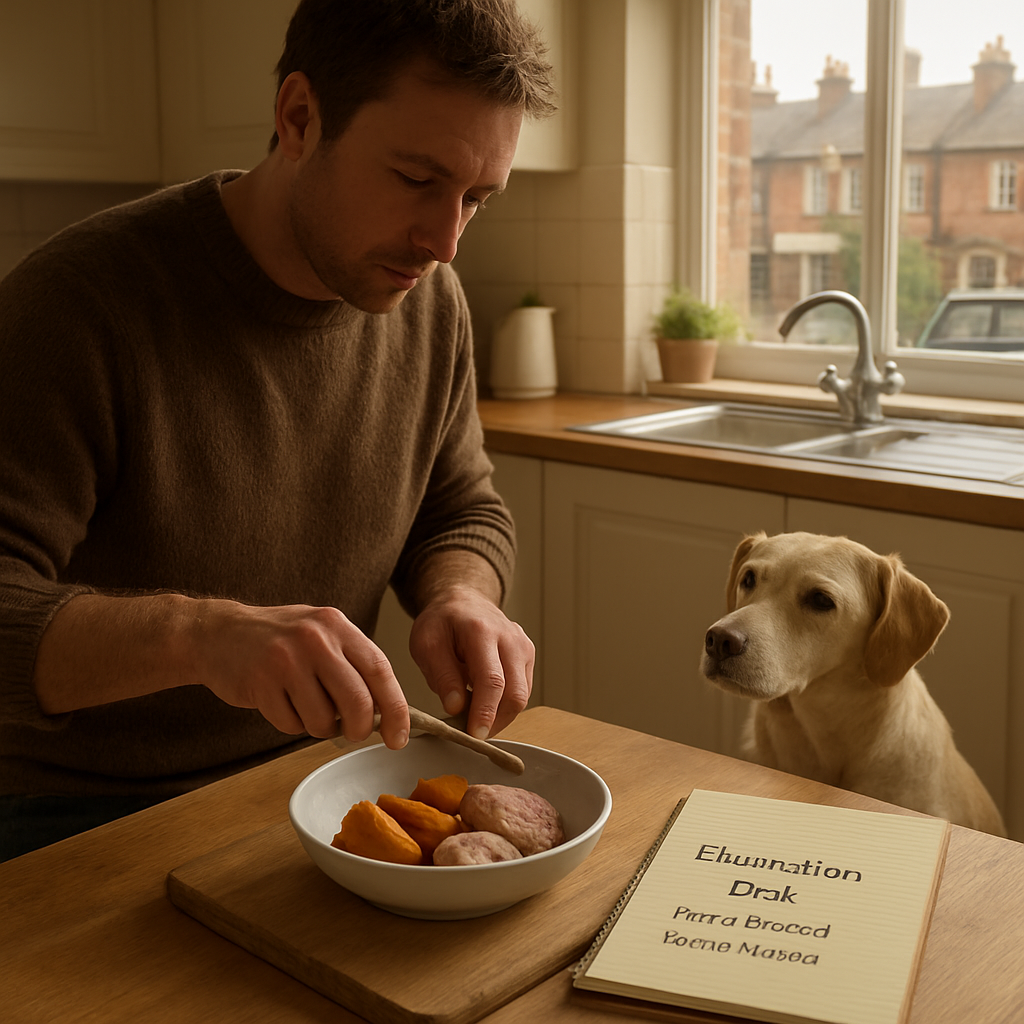
A photorealistic kitchen scene in a cosy British home, showing a dog owner measuring a portion of plain boiled duck breast and steamed sweet potato on a wooden board, with a tidy log notebook beside the bowl, soft morning light filtering through a window, highlighting the simplicity of an elimination diet routine.

Step 6: Reintroduction plan – how to reintroduce foods safely and interpret results

Reintroducing foods after an elimination trial isn’t a victory lap. It’s a careful, data‑driven process to confirm what your dog can actually tolerate without reigniting symptoms. So, what should you do next? Here’s a practical plan you can follow in our experience with UK pet owners who want real, usable results.

First, decide the order. Reintroduce one elevated protein or carbohydrate at a time, while keeping the baseline neutrals in place. This gives you a clear signal about cause and effect. Does this really work for you? If there’s no reaction after 5–7 days, you’ve likely found a tolerable addition. If a reaction appears, pause, revert to the neutral meal for 1–2 weeks, and test again later.

Next, choose the food that seems most likely to be tolerated first. Start small and progress slowly. If you’ve been testing proteins like duck or venison, or carbs such as plain potato, begin with a modest introduction rather than a full switch.

Then set the dose and schedule. A sensible approach is to offer a single new food for a defined period and monitor closely. Begin with a small portion and a steady daily routine for five days, recording any skin changes, digestive shifts, or energy level. If no issues arise, move toward a normal portion and keep observing for another 7–10 days. If you see a reaction, step back to the neutral diet and reassess before trying again.

Logging is non‑negotiable. Note the exact meal, portion, time, and any reaction in your log. A simple daily note is enough: “Duck – 25g – no itching; stool unchanged.” This clarity makes it easier to spot patterns over time.

Interpreting results takes patience. If a symptom flares after reintroducing a food, that item is likely not tolerated at any meaningful level. If tolerance holds, you can gradually increase the portion or frequency. After a couple of foods have been tested, review your log across all candidates to decide your ongoing plan. For a structured approach, you can follow the Canine Food Trial protocol as a reference point for timing and observations.

To help with interpretation, CNSLab’s guidance on gradual reintroduction emphasises testing one elevated food at a time and monitoring symptoms over several days. Use this as a framework to stay consistent while you work through different options. Canine Food Trial protocol and IgG‑based reintroduction guidance offer practical checkpoints you can adapt to your elimination plan.

Remember, you’re building a long‑term map of what works for your dog. If you’re unsure, a quick chat with your vet is wise. Platforms like UK Pet Food Intolerance make this easier by translating test results into concrete dietary steps you can actually follow at home.

FAQ

What exactly are “foods dogs can eat when on elimination diet uk”?

When we talk about foods dogs can eat during an elimination diet in the UK, we mean single‑ingredient, novel items that your pup hasn’t eaten before. Think plain boiled white rice, skinless duck breast, or steamed sweet potato – nothing added, no seasonings, no hidden grains. The idea is to give the gut a clean slate so any flare‑up can be linked to a specific ingredient.

How long should I feed each food before deciding if it’s safe?

Most vets recommend a minimum of 10‑14 days per novel ingredient, but eight weeks is the sweet spot for a full picture. During that time, keep the portion consistent – roughly 1 tbsp per 5 kg of body weight, twice daily – and log any changes in skin, stool, or energy. If nothing odd shows up after two weeks, you can move on to the next candidate.

Can I mix a protein and a carb together, or must they stay separate?

Mixing a single novel protein with a single novel carbohydrate is actually the standard practice. It gives your dog a balanced meal while still keeping the test simple. Just be sure both items are truly novel for your dog; if they’ve ever had chicken, don’t use chicken as your protein in the trial.

What should I watch for in my dog’s stool while on the diet?

Look for consistency – a firm, well‑formed stool is the goal. Too loose or watery could mean the fibre level is too high, while very hard stools might suggest you’re feeding too little moisture. Note the colour and any odour changes; a slight improvement in smell often means the gut is calming down.

Is it okay to give my dog a tiny treat like a banana slice during the trial?

Even a tiny fruit bite can introduce sugars or fibres that muddy the results, so it’s best to avoid treats altogether. If you really need a distraction, a few green beans or a pinch of plain pumpkin puree are safer because they’re low‑allergen and still single‑ingredient.

My dog has a chronic skin itch – will the elimination diet help?

Yes, many owners see skin improvements once the hidden allergen is removed. The gut‑skin axis means that a calmer digestive system often leads to fewer itching episodes. Expect skin changes to lag a bit behind gut changes – you might see stool normalise in a couple of weeks, while the coat takes eight to twelve weeks to settle.

Do I need a vet’s sign‑off before starting the elimination diet?

Getting a quick vet check‑up to rule out parasites, infections, or hormonal issues is wise. It doesn’t have to be a full work‑up, just a baseline blood panel and a look at the skin. Once those basics are cleared, you can confidently start the trial and use the log to show the vet what you’ve observed.

Conclusion

We’ve walked through everything you need to know about the foods dogs can eat when on elimination diet uk, from picking a single novel protein to logging every bite.

If you’re still wondering whether you’ve got the right baseline, remember the gut‑skin connection we mentioned – a calm tummy often means calmer skin, and the opposite is true too.

The key is consistency: stick to one protein, one carb, the same portion size, and record any change, no matter how tiny. A few seconds a day now saves weeks of guess‑work later.

When the eight‑to‑twelve‑week window closes, compare your log to the baseline we set in Step 1. If stools are firm and the coat looks less itchy, you’ve likely identified a safe food. If not, it’s time to try another novel ingredient – the process is iterative, not punitive.

What’s the next step for you? Grab your notebook, measure that single protein, and keep the routine steady. And if you want crystal‑clear guidance, a home‑testing kit from UK Pet Food Intolerance can turn those observations into a professional report you can share with your vet.

So, take the first bite of confidence today – the foods dogs can eat when on elimination diet uk are simple, affordable, and backed by real‑world results. Your pup’s comfort is worth the effort, and the payoff is a happier, healthier companion.
Hypoallergenic Dog Food UK: A Practical Guide for Concerned Pet Owners

Ever caught yourself watching your Labrador stare at his bowl, then suddenly dash to the garden with a rumbling belly? You know that moment when you’re not sure if it’s a simple tummy upset or something deeper.

Most dog owners who grapple with chronic gas, loose stools or relentless itching eventually hit a wall – the usual “switch to a grain‑free brand” trick just isn’t cutting it. The frustration builds, you start Googling “hypoallergenic dog food uk” at 2 am, and the sea of product pages feels endless.

What we’ve learned at UK Pet Food Intolerance is that the missing piece is often a hidden food sensitivity. Without pinpointing the culprit, you’re essentially guessing, and guesswork rarely leads to lasting relief.

Here’s a quick three‑step roadmap you can try right now:

  • Step 1 – Observe. Keep a simple log for a week: note every meal, treat, and any symptom flare‑up (itchy paws, vomiting, excessive gas).
  • Step 2 – Simplify. Switch to a single, novel protein source (think venison or duck) and a carbohydrate that your dog hasn’t eaten before, like sweet potato. Stick to this for at least ten days.
  • Step 3 – Test. If symptoms persist, consider an at‑home intolerance test – it’s painless, you just send a hair sample and get a clear report online.

Take Bella, a 4‑year‑old border collie from Manchester. Her owner tried three different “grain‑free” recipes, yet Bella kept scratching her ears. After a two‑week trial on a single‑ingredient diet and a quick home test, it turned out she was reacting to peas, a hidden filler in many boutique foods. Switching to a pea‑free, hypoallergenic formula instantly calmed her skin.

Another example: Max, a golden retriever in Leeds, suffered from daily loose stools. His family logged meals and discovered a pattern with dairy‑based treats. Once they removed all dairy and moved to a specialised hypoallergenic brand, his stools normalised within a week.

For a deeper dive into specific brands that avoid common allergens like wheat, corn, soy and dairy, check out Practical Choices to Calm Your Dog’s Digestive Upset. It breaks down the top options you can find in UK pet stores and online.

So, if you’re tired of the endless cycle of trial‑and‑error, start with observation, simplify the diet, and use a reliable test to guide your next food choice. A calm stomach and itch‑free coat are well within reach – you just need the right information and a bit of patience.

TL;DR

If you’re fed up with endless trial‑and‑error diets, our quick three‑step roadmap—observe symptoms, simplify to a novel protein, and use an at‑home test—pinpoints the culprit and guides you to the right hypoallergenic dog food uk for lasting relief. That way you’ll see calmer tummies, fewer itchy paws, and a happier companion without the guesswork.

Understanding Dog Food Allergies

Ever watched your border collie pause at the bowl, then sprint off with a rumbling belly? That uneasy feeling – is it just a stray hair or the start of a food allergy? Understanding what’s really happening under that fur can save you weeks of guesswork.

Food allergies in dogs aren’t the same as the classic peanut‑butter reaction you see on TV. They’re often triggered by proteins that your pup has never seen before – think duck, venison or even novel fish varieties. When the immune system flags that protein as a threat, you get the classic trio: itchy skin, upset stomach and relentless gas.

The tricky part is that many of the “hypoallergenic” dog foods marketed in the UK still hide common culprits like peas, soy or dairy in the fine print. A single ingredient list doesn’t guarantee safety – manufacturers can use hydrolysed protein or hidden fillers that still provoke a reaction.

So how do you separate the wheat from the chaff? First, watch the symptoms. Itchy paws after a new treat? Loose stools after a grain‑free kibble? Keep a simple log for at least a week – note the food, the treat and any flare‑up. Patterns emerge faster than you think.

Next, simplify the diet. Swap to a novel protein and a single carbohydrate source – duck and sweet potato work well for most British breeds. Stick to that formula for ten to fourteen days. If the itching subsides and the tummy calms, you’ve likely pinpointed the offender.

But what if the symptoms linger? That’s where an at‑home intolerance test shines. By analysing a tiny hair sample, the lab can flag specific proteins your dog reacts to, without a vet visit. It’s painless, quick and gives you a clear roadmap for choosing truly hypoallergenic dog food uk.

A quick tip: avoid treats that list “protein blend” or “meat meal” – those are red flags for hidden allergens. Stick to foods where the first ingredient is a single, recognizable protein. And always double‑check the labelling for dairy, wheat or corn derivatives.

If you’re still stuck, a good resource is XLR8 Well – they cover holistic pet nutrition and often highlight emerging protein sources that are low‑allergen. Their guides can help you broaden your options without falling back on the usual suspects.

The video below walks through a typical home test kit – from collecting the sample to interpreting the results. Watching it can demystify the process and show you exactly what to expect.

When the results come back, they’ll list proteins like chicken, beef or soy that triggered an immune response. Armed with that list, you can confidently shop for hypoallergenic dog food uk that truly avoids those triggers. Many UK retailers now stock single‑source formulas, so you won’t have to hunt far.

A final checklist for dog owners:

  • Keep a symptom diary.
  • Switch to a novel protein for at least 10 days.
  • Use an at‑home test to confirm triggers.
  • Choose foods with single‑ingredient protein labels.
  • Re‑introduce foods slowly to verify tolerance.

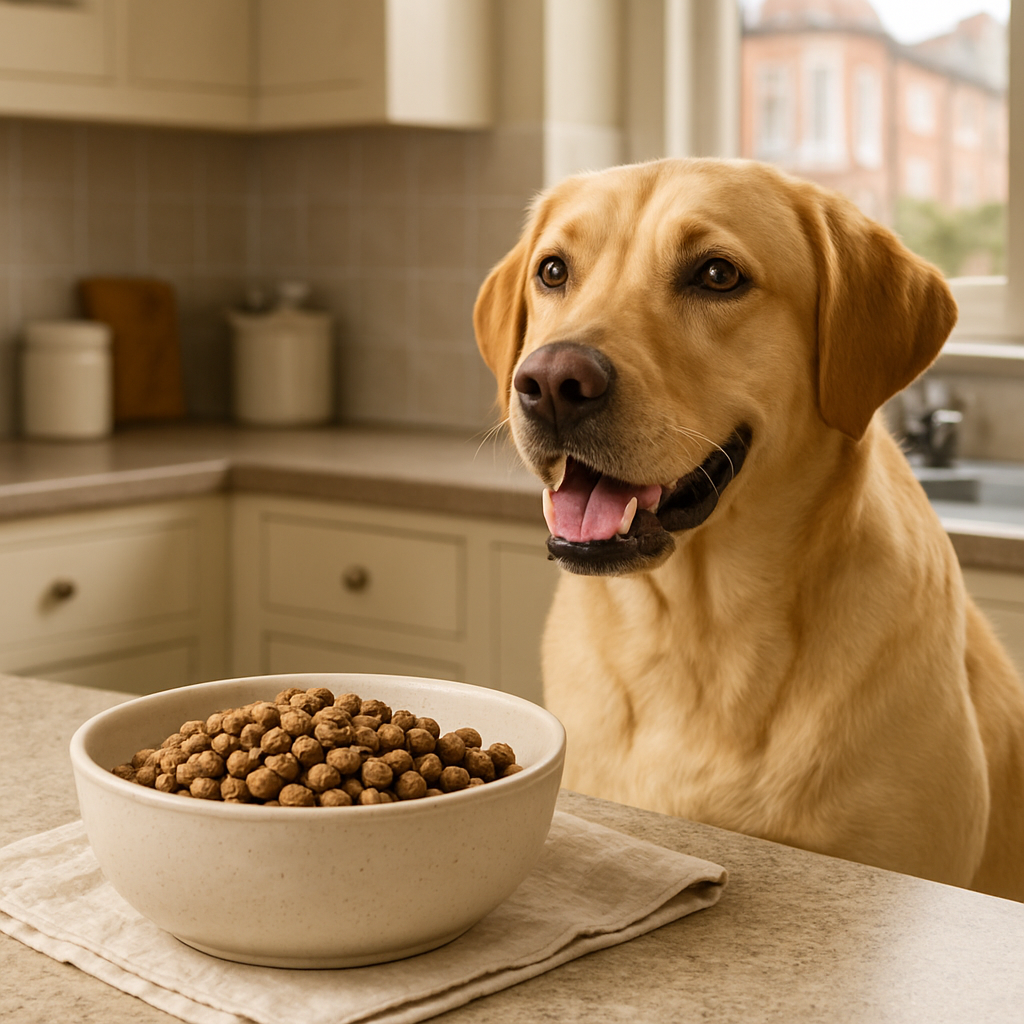
A photorealistic close‑up of a bowl of single‑protein hypoallergenic dog food on a cosy British kitchen countertop, with a happy Labrador beside it. Alt: hypoallergenic dog food uk – realistic UK kitchen scene

By taking these steps, you turn a frustrating mystery into a manageable plan. Your dog gets back to carefree walks, happy tail wags, and a calm belly – and you finally stop second‑guessing every new bag of kibble.

Key Ingredients in Hypoallergenic Dog Food

When you finally land on a hypoallergenic dog food uk label, the first thing you’ll notice is how short the ingredient list is. That brevity isn’t a marketing gimmick – it’s the backbone of a diet that won’t set off your dog’s immune system.

So, what actually makes an ingredient “hypoallergenic”? In simple terms, it’s an ingredient that fewer than 2 % of dogs react to. The science is pretty straightforward: fewer foreign proteins mean fewer chances for the body to mistake food for a threat.

Novel protein sources

Most of the time the biggest trigger is the protein. Switching from the usual chicken or beef to something your dog has never seen before can be a game‑changer. Think single‑source proteins like duck, venison, salmon or rabbit – they’re low‑risk and packed with the amino acids your pup needs.

If you want to go even further off the beaten path, insect protein is gaining traction. Less than 2 % of dogs show a sensitivity to insect‑derived meals, making it a solid hypoallergenic option. You can read more about why insect protein works so well here.

Hydrolysed proteins

Hydrolysis is a fancy word for “break the protein down into tiny fragments”. When the molecules are small enough, the immune system can’t recognise them as an allergen, so the reaction fizzles out. Many premium hypoallergenic brands offer hydrolysed chicken or beef – the original protein is there, just invisible to the dog’s immune radar.

This approach works especially well for dogs with severe sensitivities, but it can be pricier. Still, the peace of mind of knowing the protein can’t trigger itching or gut upset is often worth the extra spend.

Limited‑ingredient carbohydrates

Carbs are the silent side‑kick that can either soothe or sabotage a sensitive gut. Look for single, easily digestible sources like sweet potato, pumpkin or rice. Avoid anything that sneaks in hidden legumes or grains, because those can carry trace amounts of protein that might still provoke a flare‑up.

One handy rule of thumb: if the carb list reads “sweet potato, pea starch, beet pulp”, you’re probably in safe territory. If you see “wheat, barley, soy”, steer clear – those are classic allergens.

Additives to avoid

Even the purest protein can be ruined by a handful of unnecessary extras. Common culprits include:

  • Artificial colours and flavours – they do nothing for nutrition and can irritate the skin.
  • Preservatives like BHA, BHT or ethoxyquin – many dogs react poorly.
  • Meat‑and‑animal‑by‑products – unless they’re hydrolysed, they often hide chicken, beef or lamb.

When you scan the label, aim for “no artificial additives” and “no meat by‑products” unless the product explicitly says the proteins are hydrolysed.

Putting it together

Here’s a quick checklist you can use the next time you’re scrolling through a hypoallergenic dog food uk page:

  • Single, novel animal protein (duck, venison, salmon, rabbit or insect).
  • Either hydrolysed protein or a truly novel source.
  • One carbohydrate – sweet potato, pumpkin or rice.
  • No common allergens: chicken, beef, lamb, dairy, wheat, barley, soy, corn.
  • No artificial colours, flavours or preservatives.

If you’re not sure whether a brand ticks all the boxes, a quick glance at a specialist retailer can help. For example, Lakes Collection’s range of novel‑protein dog food lays out exactly which proteins are used and why they’re low‑allergy here. Pairing that knowledge with an at‑home intolerance test from UK Pet Food Intolerance gives you a clear picture of what your dog can tolerate and what to keep out of the bowl.

Bottom line: the right ingredients turn a guess‑work diet into a targeted, relief‑focused plan. By focusing on novel or hydrolysed proteins, simple carbs, and a clean additive profile, you give your dog the best chance to thrive without the itch, gas or upset tummy that’s been driving you round the bend.

How to Choose the Right Hypoallergenic Dog Food for Your Dog

Ever stared at a bag of kibble and thought, “Is this the one that will finally stop the itching?” You’re not alone – we’ve all been there, scrolling through endless pages of “hypoallergenic dog food uk” hoping for a miracle.

What you really need is a simple decision‑making framework, not a crystal ball. Below is a step‑by‑step guide that turns the overwhelm into a clear plan you can act on today.

Step 1: Pinpoint your dog’s specific triggers

Start with the symptom log you’ve been keeping. Does the itch flare after a treat? Does gas spike after a particular carb? Write the top two culprits down.

If you’re still unsure, an at‑home intolerance test from UK Pet Food Intolerance can give you a shortlist of proteins to avoid – it’s fast, painless, and the results come straight to your inbox.

Step 2: Match the trigger to a protein type

There are two proven routes: hydrolysed protein or a truly novel source. Hydrolysed diets break the protein into fragments so tiny that the immune system can’t recognise them as an allergen. Novel proteins are ingredients your dog has never seen before – think duck, venison, rabbit, salmon or even insect meal.

For a quick comparison of the pros and cons, check out this guide to the best hypoallergenic dog food in the UK. It lists brands that specialise in both hydrolysed and novel formulas, so you can spot the right category at a glance.

Step 3: Scan the carbohydrate list

Carbs should be a single, easily digestible source. Sweet potato, pumpkin or rice are the safest bets. Avoid anything that hints at hidden legumes – “pea starch” or “lentil flour” can re‑introduce the very proteins you’re trying to eliminate.

Step 4: Vet the additive profile

Colourings, artificial flavours and preservatives (BHA, BHT, ethoxyquin) are unnecessary and can irritate sensitive skin. Look for statements like “no artificial additives” or “preservative‑free”.

A quick visual scan of the label can save you hours of trial‑and‑error later.

Step 5: Consider the whole‑diet guarantee

Some brands, especially veterinary‑grade lines, offer a “complete and balanced” claim. That means you won’t need to supplement with extra vitamins or minerals, which could unintentionally re‑introduce allergens.

The Veterinary HPM® hypoallergy diet is a good example – it’s hydrolysed, uses potato starch as the sole carb, and is formulated to meet all nutritional requirements.

Step 6: Test and observe

Buy a small bag of your chosen formula and feed it exclusively for 8‑12 weeks. No treats, no supplements, no table scraps – just the food and fresh water.

Keep the symptom log running. If the itch, gas or loose stools disappear, you’ve likely found a winner. If not, return to Step 1, pick a different novel protein, and repeat.

Quick checklist before you hit “add to basket”

  • Single, novel protein or hydrolysed protein.
  • One simple carbohydrate – sweet potato, pumpkin or rice.
  • No common allergens (chicken, beef, lamb, dairy, wheat, barley, soy, corn).
  • No artificial colours, flavours or preservatives.
  • Complete‑and‑balanced claim from a reputable manufacturer.

Remember, the goal isn’t just to buy a bag of food; it’s to give your dog a diet that lets the skin calm down, the tummy settle, and the tail wag without hesitation. With this roadmap, you’ll move from guesswork to confidence, and your furry friend will thank you with fewer scratches and a happier belly.

Top 5 Hypoallergenic Dog Food Brands Available in the UK

Alright, you’ve logged the symptoms, you’ve done the elimination trial, and now you’re standing in the pet aisle wondering which bag will finally calm that itchy, gassy mess. Let’s cut through the noise and spotlight the five brands that consistently earn a nod from owners dealing with food sensitivities.

1. Forthglade Hydrolysed Range

Forthglade’s veterinary‑grade hydrolysed line breaks proteins down to tiny fragments, so even the most reactive immune system can’t recognise them as a threat. The formula uses potato starch as the sole carb, keeping the ingredient list ultra‑simple. We’ve seen owners report fewer flare‑ups after just a couple of weeks – a solid option if you need a truly “no‑allergen” guarantee.

2. Edgard & Cooper – Hypoallergenic Starter Bundle

Edgard & Cooper takes a different tack: a novel‑protein, grain‑free recipe that swaps chicken for venison or duck, paired with sweet potato. The brand’s transparency (full ingredient percentages on the pack) makes it easy to verify there’s nothing sneaky hiding in the mix. It’s also a favourite among eco‑conscious families because the sourcing is UK‑focused and the packaging is recyclable.

3. Pure Pet Food – Air‑Dried Limited Ingredient

Pure Pet Food’s air‑dried kibble is essentially a freeze‑dried meal that retains nutrients while staying shelf‑stable. Their limited‑ingredient line sticks to a single animal protein (usually salmon) and one carb source, which is perfect for dogs that react to both meat and grain. The texture is a bit crunchier, which many picky eaters actually love.

4. Grub Club – Insect‑Protein Formula

Insect protein is still a novelty for most owners, but it’s gaining traction because fewer than 2 % of dogs show a reaction to it. Grub Club’s cricket‑based kibble delivers high‑quality protein with a low allergen profile, plus it’s a greener choice for the planet‑savvy pup parent. The taste is surprisingly palatable – think of it as a “meat‑free” day that still feels meaty.

5. Lily’s Kitchen – Limited‑Ingredient Wet Food

Lily’s Kitchen offers a wet line that strips everything down to a single protein (often wild‑caught salmon) and a single carb (sweet potato). The moisture content can be a gut‑soother for dogs that struggle with dry kibble digestion, and the short ingredient list makes it easy to spot any hidden triggers.

So, how do you decide which one fits your dog’s unique needs? Here’s a quick cheat‑sheet to compare the basics.

Brand Protein Approach Key Allergen‑Free Feature
Forthglade Hydrolysed chicken/beef Protein broken down to invisible fragments
Edgard & Cooper Novel venison/duck Single novel protein + sweet potato carb
Pure Pet Food Limited‑ingredient salmon Air‑dried, retains nutrients, no grains
Grub Club Insect cricket meal Low‑allergen insect protein, sustainable
Lily’s Kitchen Wet wild salmon Single protein + single carb, high moisture

Remember, the best choice often comes down to trial – but you don’t have to guess. If you’ve already pinpointed a sensitivity with a UK Pet Food Intolerance at‑home test, you can match the result to the protein type above and head straight for the brand that aligns.

Want a deeper dive into how these brands stack up against each other? Check out Smart Bark’s 2026 UK dog food roundup for detailed ingredient analysis, and for a focused look at hypoallergenic options see Pooch & Mutt’s hypoallergenic food review. Whatever you pick, keep the bag size small at first – a test run of a fortnight will tell you if it’s a win or a waste of cash.

Bottom line: you don’t need to swing between every brand on the shelf. Focus on the protein strategy that matches your dog’s test results, check the carb is a single, easy‑to‑digest source, and you’ll be well on your way to a calmer coat and quieter tummy.

Transitioning Your Dog to New Food Safely

So you’ve finally picked a hypoallergenic dog food uk that looks promising – maybe a novel‑protein duck recipe or a hydrolysed blend. The excitement is real, but the real test begins when you start the bowl.

Ever watched a puppy sniff a new bowl and then back away like it’s a mystery meat? That hesitation is normal. Our guts – human and canine – need time to adjust to new proteins, fats and fibre. Jumping straight in can trigger the exact symptoms you’re trying to avoid: gas, loose stools or itchy skin.

Step 1 – Map out a 7‑day mixing schedule

Start with a simple ratio: 75 % old food, 25 % new food for the first two days. Then flip to 50/50 for days 3‑4, 75 % new for days 5‑6, and finally 100 % new on day 7. This gradual approach gives the gut microbiome a chance to adapt without a shock.

Why does this work? A study referenced by Natural Dog Food Company’s 7‑day transition plan shows that most dogs settle within a week, with fewer than 5 % experiencing prolonged digestive upset.

Step 2 – Watch the signs and pause if needed

During the mix‑up, keep an eye on three things: appetite, stool consistency and energy levels. A slight change in colour or a bit of extra flatulence is fine – but if the stool becomes watery for more than 48 hours, or your dog refuses to eat, rewind a step. Stay at that ratio an extra two or three days before moving forward.

Imagine you’re switching Bella to a salmon‑based hypoallergenic formula. On day 3 she’s a bit sluggish and her poop is softer than usual. You’d drop back to 25 % new food for a couple of days, then try 50 % again. That tiny adjustment can be the difference between a successful switch and a repeat of the old itching.

Step 3 – Keep treats and supplements on hold

All treats, bones, and even the occasional table scrap should be put on pause. Even a tiny bite of wheat‑based biscuit can re‑introduce the allergen you’re trying to eliminate. If you need a reward, use a small spoonful of the new hypoallergenic kibble – it reinforces the new flavour without adding hidden proteins.

One owner in Leeds told us they kept a handful of low‑calorie, pea‑free dental chews that matched the new food’s ingredient list. The chews didn’t interfere, and the dog actually enjoyed the consistency change.

Step 4 – Track progress with a simple log

Jot down the date, the mixing ratio, any noticeable changes in coat shine, itchiness or bathroom habits. A one‑column spreadsheet works wonders. After day 7, review the log: if symptoms have subsided, you’ve likely found a winning hypoallergenic dog food uk. If not, the log will point you to the day the problem re‑appeared, guiding the next tweak.

For a quick visual guide on how to structure your log, check out the feeding‑time advice from The Natural Dog Hub. Their timing tips pair nicely with a transition plan – feed the same amount at the same times each day to keep the gut rhythm steady.

Step 5 – When the trial ends, consider a re‑challenge

Once you’ve hit day 7 with no flare‑ups, keep the new diet for at least another two weeks. Then, if you want to confirm the culprit, re‑introduce the old ingredient in a controlled way (say, a spoonful of the previous kibble for three days). If symptoms return, you have a clear answer.

Platforms like UK Pet Food Intolerance make the re‑challenge data easier to interpret – the test results you already have can be cross‑checked with the re‑introduction log to pinpoint the exact protein or carb causing trouble.

Remember, patience is the secret sauce. A calm transition not only protects your dog’s gut but also builds confidence that you’re making the right dietary choice.

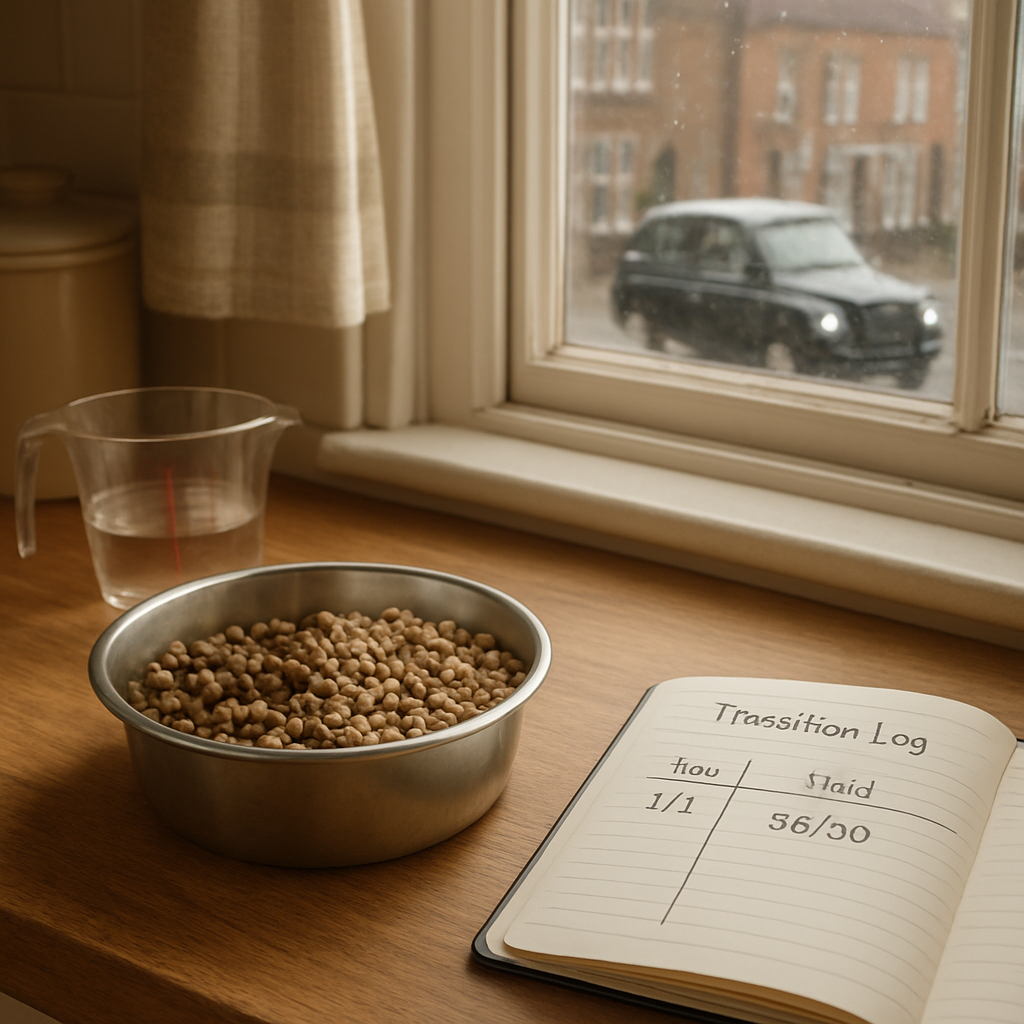
A photorealistic kitchen scene in a cosy British home, showing a stainless‑steel bowl half‑filled with old kibble and half with a new hypoallergenic dog food uk blend, a measuring cup, and a notebook open to a simple transition log. Soft natural light streams through a window with a glimpse of a rainy London street outside. Alt: Gradual transition to hypoallergenic dog food uk with a log sheet.

Common Myths About Hypoallergenic Dog Food

Ever walked past a bag that proudly screams “hypoallergenic” and thought, “That must be the magic bullet for my dog’s itch?” You’re not alone. The label has become a shortcut for many owners, but the reality is a lot messier than the marketing suggests.

Myth 1: “All hypoallergenic foods are created equal”

In truth, “hypoallergenic” is a marketing term, not a regulated standard. One brand might simply swap out chicken for duck, while another actually hydrolyses the protein so the immune system can’t recognise it. The Scrumbles blog points out that without a certifying body, any product can slap the label on its packaging as long as it avoids a few common allergens – but that doesn’t guarantee it’s suitable for your pup’s specific trigger.

Myth 2: “If the food says hypoallergenic, my dog can eat it without a test”

Most dogs react to a single protein, yet the word “hypoallergenic” can hide other culprits like soy, corn or hidden dairy. A recent review of UK pet owners shows that only about 1 % of chronic itching is truly food‑related – the rest is often environmental. Jumping straight into a “hypoallergenic” bag without first confirming which ingredient is the problem is like buying a lock without knowing which door you need to secure.

What we’ve seen work best is a quick at‑home intolerance test from UK Pet Food Intolerance. The kit gives you a shortlist of proteins to avoid, so you can match the result to a truly suitable formula rather than guessing.

Myth 3: “Grain‑free equals hypoallergenic”

Grain‑free trends grew because many owners assumed grains were the main irritant. The data from the My Ollie myth‑busting article shows that gluten intolerance in dogs is rare, and grains can actually provide valuable fibre. A “hypoallergenic” diet that’s also grain‑free might still contain peas, lentils or other legumes that act as hidden protein sources.

When you scan the ingredient list, look for a single, novel carbohydrate – sweet potato, pumpkin or rice – and avoid anything that hints at “pea starch” or “lentil flour” unless you’ve already ruled those out.

Myth 4: “My dog will love any hypoallergenic recipe”

Flavor matters, especially when you’re asking a dog to give up its favourite chicken kibble. Some hypoallergenic formulas use hydrolysed proteins that taste bland, leading to a temporary drop in appetite. One real‑world example: Lucy, a Border Collie from Newcastle, refused to finish her first week on a hydrolysed diet until her owner mixed in a spoonful of low‑calorie, hypoallergenic treats that matched the same ingredient list. The trick is to keep treats within the same “allergen‑free” family, not to re‑introduce the offending protein.

Myth 5: “A short trial is enough to know if it works”

Vets generally recommend a 12‑week exclusion trial because skin and gut symptoms can lag behind dietary changes. Cutting the trial short can give a false negative – your dog might still be reacting, but the signs haven’t peaked yet. Keep a simple log: day, mix ratio, stool consistency, itching level. If after eight weeks the symptoms haven’t improved, you either need a different protein source or a deeper look at environmental factors.

Practical steps to cut through the myths

  • Check the label for a single novel protein (duck, venison, salmon, insect‑meal).
  • Confirm the carbohydrate is alone – sweet potato, pumpkin or rice.
  • Look for “hydrolysed” if you need an ultra‑low‑allergen option.
  • Use an at‑home intolerance test to pinpoint the exact protein to avoid.
  • Commit to a 12‑week trial, logging every bite and reaction.
  • If symptoms persist, revisit the log to spot hidden triggers like treats or supplements.

Remember, “hypoallergenic dog food uk” is a useful search phrase, but it’s a starting point, not a guarantee. By debunking these myths and following a data‑driven plan, you’ll stop the endless cycle of swapping bags and finally give your dog the relief they deserve.

Conclusion

If you’ve made it this far, you’ve probably felt that mix of relief and lingering doubt – “Will this really fix Bella’s itching?”

The short answer: a systematic, 12‑week trial of the right hypoallergenic dog food uk, backed by solid data, usually does the trick. You’ve already seen why single‑source proteins, clean carbs and minimal additives matter.

What’s the next practical step? Grab an at‑home intolerance test, log every bite, and stick to the mixing schedule we outlined. When the log shows calmer skin and steadier stools, you’ve found the winner.

And if the symptoms linger? Re‑visit the log, swap the protein, or check for hidden treats. Remember, the process is iterative – it’s okay to tweak.

In our experience, owners who combine a clear test result with a focused hypoallergenic dog food uk report noticeable improvement within three weeks, and full relief by the end of the trial.

Finally, keep the new diet for at least another two weeks before you consider any re‑challenge. This buffer lets the gut fully settle and gives you confidence that the improvement isn’t just a temporary blip.

So, take a breath, trust the data, and give your dog the consistent, low‑allergen diet it deserves. Your calm‑coated companion is just a few thoughtful steps away.

FAQ

What exactly is hypoallergenic dog food uk and how is it different from the kibble I buy now?

In plain English, hypoallergenic dog food uk is formulated with a single, novel protein and a simple carb so there’s almost nothing your dog’s immune system can mistake for a threat. Regular kibble often packs multiple meat meals, grains and hidden additives – think chicken, beef, soy, wheat – all of which can trigger itching or gut upset in sensitive pups. By stripping the ingredient list down to the basics, you give the gut a chance to calm down and the skin a break from constant irritation.

How long should I run a hypoallergenic trial before I can tell if it works?

Vets usually recommend a 12‑week exclusion trial because skin and digestive symptoms can lag behind diet changes. You’ll start to see a drop in itching within the first three weeks, but aim for the full twelve to be sure the gut has fully reset. Keep a simple log – date, bowl ratio, stool colour, itch level – and look for a steady trend rather than a single good day.

Do I need to do an at‑home food intolerance test before I switch foods?

It’s not mandatory, but it saves you a lot of guesswork. A test from UK Pet Food Intolerance can pinpoint the exact protein your dog reacts to, meaning you can choose a hypoallergenic formula that avoids that trigger straight away. Without a test you might end up swapping to a new novel protein only to discover another hidden allergen later, prolonging the cycle of trial‑and‑error.

Can I still give my dog treats while we’re on a hypoallergenic diet?

Only if the treats share the same allergen‑free profile as the main food – same novel protein, same single carb, no hidden wheat or soy. A handful of low‑calorie dental chews that list duck and sweet potato as the only ingredients are fine. Anything with a different meat source or grain could re‑introduce the culprit and undo the progress you’ve made, so keep treats simple and consistent.

What’s the safest way to transition my dog onto a new hypoallergenic food?

Start with a 75 % old / 25 % new mix for two days, then 50 % each for the next two, 75 % new for another two, and finally 100 % new on day seven. Watch appetite, stool consistency and energy levels – if anything looks off, pause at the current ratio a few extra days before moving on. A gradual switch gives the gut microbiome time to adapt without triggering a flare‑up.

My dog’s still scratching after the 12‑week trial – what now?

First, double‑check the log for any sneaky sources – treats, supplements or even a hidden pea‑starch in a chew. If everything truly matches the hypoallergenic formula, consider a re‑challenge: re‑introduce the previous protein in a controlled way for three days and watch for a reaction. Persistent itch might signal a secondary issue like environmental allergens or a skin infection, so a quick vet check‑up is the next sensible step.

Best Cat Food for Sensitive Stomach UK: A Practical Guide to Calming Digestion

Every cat owner knows that a rumbling tummy can turn a happy pet into a moody one. Have you ever wondered why your feline’s favourite food suddenly feels like a recipe for upset?

Back in 2026, the UK pet‑care scene is buzzing with new solutions, but one truth remains: when a cat’s stomach is on edge, the right food can be a lifesaver.

Imagine a routine dinner suddenly turning into a distressing routine, and you’re left wondering if the kibble’s the culprit.

That’s where the hunt for the best cat food for sensitive stomach uk begins. It’s not just about bland proteins; it’s about a diet that respects your cat’s delicate gut, giving them the comfort they deserve.

Let’s dive into the world where science meets softness, where the right blend can transform a whiskered waver into a contented purr‑factory for both your peace of mind and your kitty’s joy.

Before we explore the top contenders, remember that a sensitive tummy isn’t a diagnosis; it’s a symptom that deserves a thoughtful, evidence‑backed approach and a personalised plan that fits your cat’s lifestyle.

Think about the last time your cat rolled over in discomfort after a meal. That moment tells you something—perhaps the protein source, the grain, or the preservative in the mix.

Next, let’s look at how a simple at‑home test can unlock the mystery behind those subtle flare‑ups and guide you to the right choice today.

By pairing a reliable test with a curated food list, you can reduce guessing games and focus on what truly nourishes your feline’s gut and help them thrive daily.

So, are you ready to turn tummy troubles into tail‑wagging confidence? Let’s unpack the secrets that can make your cat’s meals a pleasure again today.

Keep your cat happy—start with mindful nutrition today.

TL;DR

If your cat’s tummy keeps tossing over a meal, you’re not alone – sensitive stomachs are common, yet the right diet can bring calm back to whiskers and peace. Pair an at‑home test with a curated food list, ditch guessing, cut flare‑ups, and watch your feline thrive on meals that support gut.

1. Brand A – High‑Quality Protein with Limited‑Ingredient Formula

When you’re juggling a cat’s picky palate and a tummy that’s on edge, it feels a bit like trying to hit two birds with one stone – the food has to taste good and sit easy. Brand A claims to hit that sweet spot by keeping the protein front and centre while stripping out the usual suspects that trip up sensitive cats.

1️⃣ Pure Protein, No Grain Mix‑‑‑

Picture a bowl that looks like a meat‑based masterpiece, not a mash‑up of corn, wheat and soy. Brand A uses deboned chicken or turkey as the single protein source. The grain‑free angle means you’re not adding extra fibre that can stir up gas or loose stools – the kind of thing that turns a calm evening into a “why‑does‑my‑cat‑always‑be‑sick” nightmare.

2️⃣ Limited‑Ingredient, No Red Flags

We’re talking a formula with fewer than ten ingredients, so you can read the list without a lab report. No artificial colours, no preservatives like sulphites, and no added flavour enhancers that can trigger sensitivities. This kind of transparency is a lifesaver for owners who want to see exactly what their feline is eating.

3️⃣ A Probiotic Boost (Because the Gut Loves a Friendly Crowd)

Brand A bundles a mild probiotic blend on top of the protein base. It’s not a pharmaceutical; it just a handful of beneficial bacteria that help keep the gut flora balanced. For cats that have had a bout of diarrhoea or frequent flare‑ups, a gentle probiotic can feel like a second chance at comfort.

4️⃣ Tested in the UK, Trust Built on Results

Unlike some overseas brands, this product has been trialed with UK cats and reviewed by local vets. If you’ve ever wondered whether a food really works for a cat with a sensitive stomach in the UK, this brand’s trials give you a bit more confidence.

5️⃣ How to Introduce It Safely

Start with a 25 % mix into your regular meal for a week then ramp up to 50 % over the next week. If you notice any change in stool texture or frequency keep the mix lower for a few days before bumping up again. This slow transition keeps the gut calm and lets you spot any subtle reactions early.

So, you’re ready to give Brand A a go? Before you buy, consider pairing the food choice with an at‑home intolerance test – our own XLR8 Well offers a quick way to confirm any hidden triggers that could still be lurking in other ingredients.

While the video walks you through the testing kit step‑by‑step, keep your eye on the packaging of Brand A. The clear label helps you see if the ingredient list matches what the test says your cat tolerates.

Enjoy watching as you learn to choose.

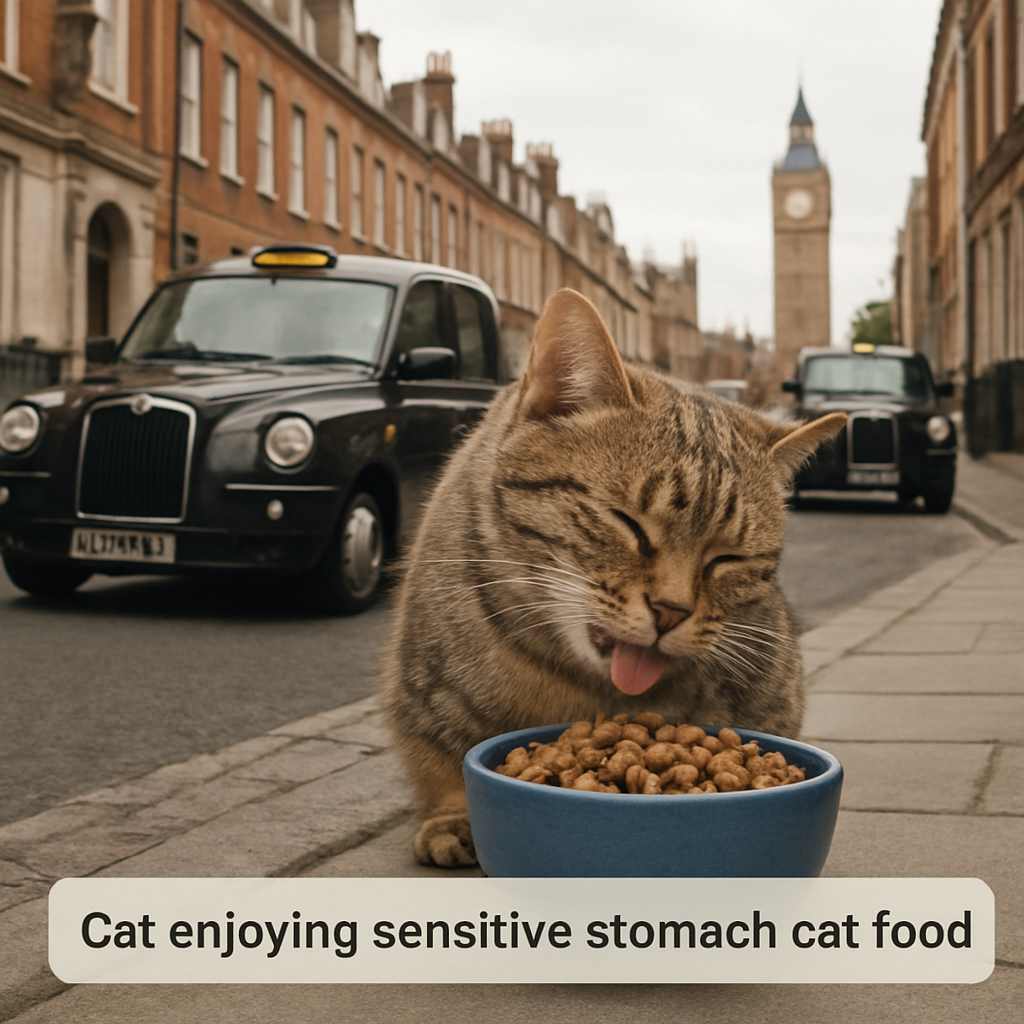
A cat happily eating a bowl of high‑protein, grain‑free cat food. Alt: Cat enjoying sensitive stomach cat food UK.

2. Brand B – Grain‑Free, Hypoallergenic Blend

Think your cat’s been drifting into the “stomach‑sneezers” club? You’re not alone. Many owners notice that after a few bowls of the same wet food, the litter box turns into a mystery‑solving mission. That’s where Brand B steps in, offering a grain‑free, hypoallergenic mix that keeps things simple and stomach‑friendly.

First off, it’s all about the base. Brand B uses a single protein – turkey – as the star ingredient, wrapped in a clean, grain‑free matrix. No wheat, no corn, no soy. That’s the kind of clarity that lets your cat’s digestive system breathe. When a cat’s stomach is sensitive, the fewer the “unknowns”, the better.

Why grain‑free? A lot of studies, plus vets’ observations, suggest that grains can be a trigger for inflammation in some felines. By stripping them out, Brand B removes a common culprit. The result? A smoother gut, fewer gas bursts, and more confidence in every bite.

But you might ask, “Does that mean I can give my cat anything else?” No, keep the menu focused. It’s still important to rotate protein sources only gradually if you suspect a specific intolerance. A 10‑day trial is a safe window: 7 days on turkey, then a 3‑day transition to a new protein, then a 10‑day observation period before the next switch.

One real‑world example is Maya’s owner, who noticed loose stools after a switch to a generic brand. Switching to Brand B, they logged food intake and stool colour for a fortnight. By week two, the litter box routine was back to normal, and the cat seemed to enjoy the meals again. That’s the kind of win you want when you’re juggling a busy life.

Now, what’s actually inside that pouch? A blend of omega‑3 fatty acids from fish oil, a dash of fibre to help the gut, and a touch of antioxidants from pumpkin. All of these ingredients work together to soothe inflammation and keep the digestive tract happy. If you’re still unsure whether your cat is truly allergic, consider a home intolerance test. Pet Intolerance Test UK: A Practical Guide for Owners will walk you through sampling and interpreting the results, so you can choose the best protein with confidence.

Before you jump, give your cat a week to adjust. Keep a simple log: how many bowls per day, how the stool looks, and any signs of discomfort. That tiny data set can be the key to fine‑tuning their menu or confirming if a different protein works better right away.

And while Brand B is a solid pick for many sensitive‑stomach cats, remember that every cat is unique. If you notice that your feline is still struggling, look at the whole diet picture: fresh water, balanced kibble, and maybe a vet consultation. After all, a happy tummy leads to a happy cat.

Finally, if you’re also caring for a dog with similar concerns, you might want to explore gear that supports comfort. For example, a What is a No Pull Dog Harness? A Practical Guide for Everyday Dog Owners can help keep your dog relaxed during walks, which in turn can reduce stress‑related digestive issues.

3. Brand C – Transition‑Friendly Formula with Prebiotics

Ever wondered why a brand new kibble feels like a gamble? Brand C flips the script by making the switch a stroll rather than a sprint. It’s built around a single, easily digestible protein, a gentle carb base and, crucially, a prebiotic blend that keeps the gut lining happy.

1. One‑Protein Simplicity

Forget the mystery mix of chicken, turkey, and plant fibres. Brand C sticks to a single source of protein – either turkey or rabbit – so your cat knows exactly what’s coming down the hatch. This clarity cuts out the hidden allergens that usually trip up sensitive tummies.

2. Grain‑Free, But Not Grain‑Free‑Out

Grains can be a silent trigger, but that doesn’t mean you need a completely grainless diet. Brand C uses sweet potato or pumpkin as the carbohydrate base, providing fibre without the high‑amylase load that can upset a fragile gut.

3. Prebiotics for a Happy Microbiome

Prebiotics are the unsung heroes of digestive health. By feeding the good bacteria, they help smooth transit and reduce gas. In practice, that means fewer “explosive” litter box visits and more calm evenings.

4. Transition‑Friendly Recipe

Switching foods is a science experiment – keep it controlled. Here’s a 10‑day ramp‑up that most owners find painless:

  • Days 1‑3: 75 % current food + 25 % Brand C
  • Days 4‑6: 50/50 mix
  • Days 7‑9: 25 % current + 75 % Brand C
  • Day 10 onwards: 100 % Brand C

Give the cat a bowl of the new mix in the same spot each day; cats love routine. If you notice vomiting or loose stools, step back to a 1‑to‑2 split and stretch the transition by a couple of days.

5. Feeding Schedule: Small, Consistent Bites

Sensitive stomachs thrive on rhythm. Aim for 3‑4 small meals a day rather than one or two large ones. That keeps the digestive tract from being overwhelmed and lets the prebiotics do their work between bites.

6. Real‑World Proof: The “Milo” Story

Take Milo – a 5‑year‑old domestic shorthair who used to drop loose stools after any wet food. After a fortnight on Brand C and a 10‑day transition, his litter box routine tightened up and his energy spiked. Owners noted a smoother coat, which is a tell‑tale sign of gut health.

7. Why It’s a Top Pick for UK Cat Parents

In the UK, where the average cat diet leans heavy on grain‑based dry food, a brand that offers a clean, prebiotic‑boosted alternative is a game‑changer. The formula is vet‑approved, AAFCO‑compliant, and free from artificial colours or flavours.

For those wanting to confirm if a prebiotic‑rich diet is the missing piece, an at‑home intolerance test from UK Pet Food Intolerance can help you identify any hidden sensitivities before you commit to a brand. Platforms like UK Pet Food Intolerance make this easier by providing clear, lab‑tested results that guide you to the right food without the guesswork.

If you’re curious how this formula stacks up against the rest, check out PawLens’s guide on the best cat food for sensitive stomachs in the UK. They back their recommendations with data and owner reviews, giving you a solid benchmark.

Bottom line: Brand C’s transition‑friendly approach, single‑protein focus and prebiotic boost make it a reliable ally for any cat with a sensitive gut. Pair it with a calm, consistent routine and a quick at‑home test, and you’re well on your way to a happier, healthier kitty.

4. Quick Comparison: Brand A vs Brand B vs Brand C

Choosing the best cat food for sensitive stomach uk isn’t a one-size-fits-all decision. Here’s a practical snapshot across three common approaches—Brand A, Brand B and Brand C—so you can see what fits your cat’s needs and your routine.

Let’s break it down with clear, bite-sized notes, then finish with a simple decision framework you can act on today. If you’re comparing options, you’ll want to weigh protein clarity, gut support and how easy the transition will be for your feline friend.

Brand A – High‑Quality Protein with Limited‑Ingredient Formula

Brand A champions simplicity. It uses a single protein source—turkey—and keeps the rest clean: no grains, no corn, no soy. That minimalism matters when a sensitive stomach is involved because there are fewer moving parts to trigger flare‑ups.

In practical terms, this means more predictability at dinner time. If your cat is perky between meals but falls quiet after a bowl, a straightforward protein like turkey can reduce mystery ingredients that irritate the gut. The texture leans toward a moist, easy‑to‑eat option, which helps cats that hate dry kibble but need moisture for digestion.

So, what should you test first? If you suspect a protein sensitivity, Brand A’s 18% high‑quality turkey with a short ingredient list makes it easy to monitor changes in stools and energy. And yes, it’s still worth pairing any switch with a simple at‑home intolerance check if you’re unsure about other triggers.

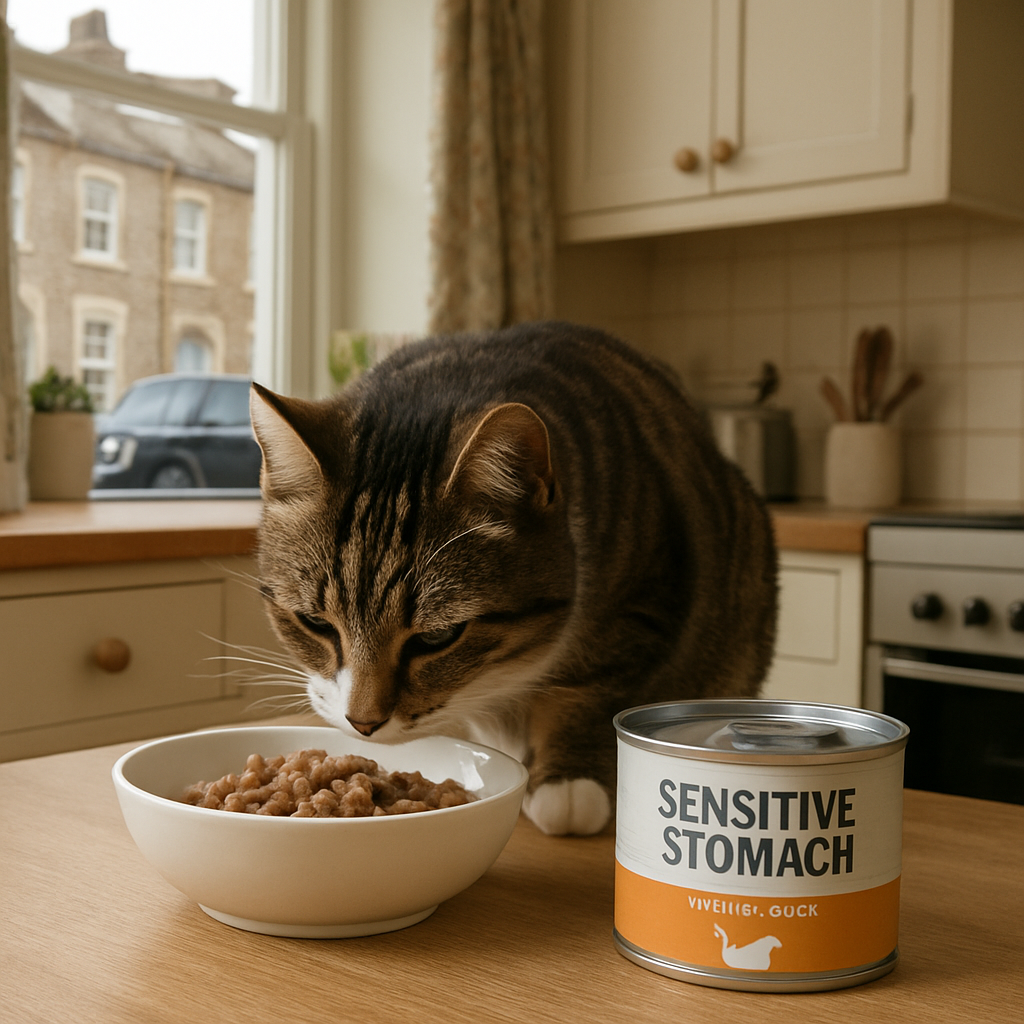
A cosy UK kitchen scene showing a cat sniffing a bowl of protein‑forward wet cat food, emphasising the theme of best cat food for sensitive stomach uk. Alt: best cat food for sensitive stomach uk in a cosy UK kitchen.

For the record, this approach shines when you want to cut noise from the ingredient panel and focus on gut-friendly protein. If you’re hunting for the best cat food for sensitive stomach uk, Brand A is a good starting point for clarity and ease of digestion.

Brand B – Grain‑Free, Hypoallergenic Blend

Brand B hits the pause button on grains and offers a single-protein stage, typically turkey, wrapped in a grain‑free matrix. The idea is to reduce common inflammatory triggers and keep the gut calm. You’ll often find added fibre and omega‑3s to support digestion and skin health, which is handy if your cat also has itchiness or GI tension.

Transitioning to Brand B tends to be smoother than broad changes, especially if your cat previously reacted to carb sources. The 10‑day ramp‑up rule helps you watch for subtle signs of intolerance without overwhelming their tummy. It’s a practical, low‑drama option that many UK owners find workable when the goal is steady, non‑irritating digestion.

In our experience, coupling Brand B with a simple intolerance test can help confirm whether grains are truly a trigger and whether you should stay grain‑free or explore other protein options. It’s all about reducing guesswork.

Brand C – Transition‑Friendly Formula with Prebiotics

Brand C is built for calm transitions and a gut‑friendly microbiome. It sticks to a single digestible protein—turkey or rabbit—paired with a gentle carb base like sweet potato. The real differentiator is prebiotics, which feed the beneficial bacteria and smooth transit without overloading the gut.

The ramp‑up is thoughtfully designed: a 10‑day plan helps your cat adapt without vomiting or soft stools. Feeding small, frequent meals supports gentle digestion, while the prebiotic blend works in the background to stabilise the gut ecosystem over time.

For UK readers aiming for a truly smooth switch, Brand C often delivers the most predictable digestion when you combine it with a tidy routine and consistent portions. If you want to confirm sensitivities before committing, an at‑home intolerance test can provide clarity without guesswork.

In short, if you’re after a balance of ease, transition safety and gut support, Brand C earns a strong spot on the shortlist for the best cat food for sensitive stomach uk. And if you’re unsure where to start, take a two‑week trial window and keep a simple diary of appetite, stool consistency and mood.

Feature Brand A Brand B Brand C
Protein source Single animal (turkey) Single animal (turkey) Single animal (turkey or rabbit)
Carbohydrates Grain‑free base Grain‑free matrix Sweet potato/pumpkin base
Gut support Prebiotic fibre Omega‑3s + fibre Prebiotics
Best for Predictable digestion Inflammation‑prone guts Smooth transitions

So, which one should you choose? If you want a straightforward, predictable route, Brand A is a solid starter. For a grain‑free approach with steady gut comfort, Brand B fits well. If you’re prioritising a gentle transition and microbiome support, Brand C is worth the extra patience. And remember, pairing any of these with a practical at‑home intolerance test from UK Pet Food Intolerance can help verify sensitivities before you commit. Your cat’s tummy—and mood—will thank you.

5. Brand D – Veterinary‑Recommended, Digestive‑Friendly Recipe

Ever felt that the vet’s recommendation feels like a secret code? Brand D takes that jargon and turns it into a simple, gut‑friendly recipe you can trust.

1. Vet‑Approved Protein Mix

First up, the protein. Brand D blends low‑allergenic meats – turkey, duck and salmon – in a 1:1 ratio, giving your cat a smooth, easy‑to‑digest protein source. It’s the same mix vets use when they want to rule out a food allergy.

2. No Grain, No Mystery

Gone are the wheat‑stressed days. This brand uses a pea‑protein base and a touch of pumpkin puree. Both are gentle on the stomach and add a natural fibre boost that keeps the gut lining happy.

3. Probiotic‑Rich, Prebiotic‑Loaded

Think of it as a daily probiotic drink for your cat. With a blend of B‑group probiotics and inulin, it feeds the good bacteria and stabilises transit. The result? Fewer gas bursts and a smoother litter box rhythm.

4. Low‑Fibre, High‑Moisture Formula

Low‑fibre is a trick to avoid over‑stimulating the gut. Combined with 78 % moisture, it reduces the risk of dehydration in cats that tend to drink less. This keeps the digestive tract supple and less likely to flare.

5. Simple Transition Plan

Don’t jump straight in. Start with a 5‑day mix of 50 % current food and 50 % Brand D. If there’s no vomiting or loose stools, ramp up to 75 % Brand D for another 5 days, then 100 %. Keep a quick diary – appetite, stool colour, any signs of discomfort. That tiny data set tells you whether the new diet works.

6. Why It Stands Out in the UK

UK cats often lean on dry, grain‑based food. Brand D flips that model. Its vet‑tested formulation is AAFCO‑compliant and free from artificial colours, flavours or preservatives, which makes it a top pick for owners who want transparency.

7. Pair It With a Quick At‑Home Test

Even the best formula can hit a wall if the cat has a hidden intolerance. A simple at‑home food intolerance test from UK Pet Food Intolerance can flag any overlooked sensitivities. We’ve seen owners who paired the test with Brand D notice a calmer stomach and a brighter coat within weeks.

8. Where to Find It

Brand D is available from major UK retailers and online pet shops. For a quick snapshot of how it stacks up against other sensitive‑stomach options, you can check a trusted comparison guide on Top Choice – they pull data from thousands of reviews to give you a clear picture.

So, if you’re ready to move past mystery foods and give your cat a predictable, vet‑recommended gut‑friendly meal, Brand D is a solid starting point. Pair it with a sensible transition, a handy diary, and, if you’re still uncertain, the at‑home test we mentioned earlier. Your cat will thank you with fewer stomach rumblings and more happy purrs.

6. Brand E – Budget‑Friendly with Added Omega‑3s

1. Why Omega‑3s Matter on a Budget

We all know a good dose of omega‑3s can calm inflammation, but the price tag on premium brands can feel like a stretch. Brand E shows you can get the same gut‑soothing benefits without breaking the bank.

2. The Core Ingredients – Simple, Single‑Protein Focus

Imagine a food that sticks to one protein, like chicken, and keeps the ingredient list short. Less is more when your cat’s tummy is on edge. Brand E’s formula cuts out wheat, corn, and soy, so you’re only feeding what your kitty actually needs.

3. Budget‑Friendly Omega‑3 Boost

Omega‑3s usually come from fish oil or flaxseed. Brand E uses a carefully sourced fish oil blend that delivers the right balance of EPA and DHA. It’s added at a level that keeps inflammation low, while still being affordable.

4. Pre‑Biotics and Gentle Fibre for a Happy Gut

Good gut bacteria love a bit of pre‑biotic fibre. Brand E includes pumpkin puree and beet pulp – not as much as the high‑end brands, but enough to keep the digestive tract humming. The result? Fewer loose stools and a steadier litter‑box rhythm.

5. How to Introduce Brand E Into Your Routine

Start with a simple 3‑day ramp‑up: 25 % Brand E and 75 % your current food, then 50/50, and finally 100 %. Keep a quick log – note appetite, stool colour, and any signs of discomfort. If you spot a spike in gas or vomiting, drop back to a 1‑to‑2 mix for a couple of days.

6. Pairing With an At‑Home Test for Extra Confidence

Even the best formula can hit a wall if hidden sensitivities lurk. A quick at‑home intolerance kit can flag any overlooked ingredients. We’ve seen owners combine Brand E with a test and notice calmer stomachs and brighter coats in just a few weeks.

7. Practical Tips for Keeping Costs Down

• Buy in bulk – many retailers offer a discount on larger bags.

• Stick to the wet‑food option to boost moisture intake without extra kibble.

• Rotate protein sources slowly – this keeps the gut happy and avoids sudden shocks.

8. The Bottom Line – A Wise Choice for Sensitive‑Stomach Cats

Brand E balances affordability with evidence‑backed ingredients. It’s a solid pick if you’re on a budget but still want your cat to feel good. And if you’re unsure about any ingredient, a home intolerance test gives you clear guidance.

Want to dive deeper into how budget choices stack up against premium options for sensitive stomachs? Check out this comprehensive guide that breaks down the science behind each formula.

FAQ

What makes the “best cat food for sensitive stomach uk” different from a regular formula?

When a cat’s tummy is on edge, the ingredients you feed it matter a lot more than the brand name. A top‑tier sensitive‑stomach diet keeps protein sources to one animal, cuts out grains, corn and soy, and adds gut‑friendly fibres and omega‑3s. That means fewer allergens that can flare up and a smoother digestion path. It’s the difference between a bowl that feels like a treat and one that feels like a trigger.

Can an at‑home intolerance test really help pick the right food?

Yes, absolutely. A simple sampling kit lets you see which proteins or additives your cat reacts to before you buy a new bag. Once you know the culprit, you can swap to a single‑protein brand that fits that profile. It cuts the trial‑and‑error cycle and gives you confidence that the food you’re feeding is the right one for the best cat food for sensitive stomach uk.

How long should I wait before I notice changes after switching food?

Most owners see a visible shift in stool consistency and appetite within 10 to 14 days. That’s when your cat’s gut microbiome starts to settle and the inflammation drops. If you’re still seeing gas or vomiting after that window, it might be worth re‑testing or trying a different protein source.

Should I feed my cat a wet or dry food if it has a sensitive stomach?

Wet food tends to be gentler because it’s higher in moisture and usually has a softer texture. It can be easier on a sensitive stomach and reduces dehydration risk, especially in cats that drink little water. Many sensitive‑stomach brands offer both formats, but starting with a wet option is a safe bet.

Are there any hidden ingredients in the top brands that I should still watch out for?

Even clean labels can hide fillers like beet pulp or sweet potatoes that are fine for most cats but can upset a sensitive gut in some. Look for short ingredient lists that mention only the protein, a single carb source and a prebiotic. If you spot anything you’re unsure about, a quick home test can clear it up.

What should I do if my cat’s tummy keeps spiking after I’ve already switched to a sensitive‑stomach formula?

First, double‑check the portion size – too much at once can still cause discomfort. If that’s not the issue, run a fresh intolerance test to see if a new allergy has emerged. Finally, consult with your vet; sometimes a medication or probiotic can help bridge the transition while you tweak the diet.

Is a brand that includes added omega‑3s worth the extra cost for a sensitive stomach?

Omega‑3s from fish oil or flaxseed support the gut lining and reduce inflammation. If you’re already paying a premium for a single‑protein formula, adding a modest omega‑3 boost can give a noticeable difference in coat shine and stool firmness. For budget‑conscious owners, the cheaper version of the same brand often delivers similar gut benefits.

Will a home intolerance test replace a vet visit?

No, it’s a complementary tool, not a substitute. The test gives you a baseline of possible food triggers, but a vet can rule out other medical conditions or prescribe medication if needed. Think of the test as a first step that narrows down the mystery before you bring the findings to the vet.

Conclusion

We’ve walked through the maze of brand choices, the science behind grain‑free and single‑protein formulas, and how a simple at‑home test can turn mystery into clarity.

So what do you take home? First, keep the focus on your cat’s gut – a sensitive stomach is a sign, not a verdict. Pick a brand that matches the pattern you’ve seen: clear protein, minimal fillers, and a touch of omega‑3 or prebiotic if that feels right.

Second, treat the switch like a short experiment. A 10‑day ramp‑up, a small diary, and a quick test can save you weeks of guessing.

Third, remember that a test isn’t a cure, but it is a compass. If a new allergy crops up, you’ll already know which ingredient to avoid.

And if you’re still stuck, talk to the vet. They can spot non‑dietary problems that a test can’t.

Bottom line: a calm tummy, a sharper coat, and more playtime are the real rewards. Take the first step today – choose a trusted brand, log the results, and watch the difference.

Remember, the goal is not just to stop flatulence; it’s to give your kitty a routine that feels natural. A stable diet reduces stress, improves sleep, and even boosts the immune system over time.

When you see consistent stool colour, a steady appetite, and a flick of the tail instead of a whine, you’ve nailed it.

So, grab a test kit, pick your brand, and start the diary tomorrow. Your cat’s purrs will thank you.

Best Dog Food for Sensitive Stomach UK: Practical Choices to Calm Your Dog’s Digestive Upset

Let me be completely honest: you’ve probably tried a handful of kibble brands, tossed a few new grains into the bowl, and still feel like your pup’s tummy is hosting a full‑blown circus. That’s not a normal side effect of a fresh batch of biscuits—it’s a sign that something in the food is clashing with their gut.

Think back to that one winter evening when your dog was whining after a hearty meal, and you’d blamed the cold. What if the culprit was actually an ingredient that just didn’t sit well with their digestive system?

So, what does that mean for you and your furry friend? It means you need a clear picture of what’s going on inside their stomach, and that starts with choosing the right food and, if needed, confirming sensitivities with a proper test.

At UK Pet Food Intolerance, we’ve seen how a simple at‑home food intolerance test can cut through the trial‑and‑error maze. By analysing a small cheek swab, the lab pinpoints which proteins or grains are causing trouble. That insight lets you pair the right diet with the right ingredients—no more guessing games.

Now, when you’re on the hunt for the best dog food for a sensitive stomach in the UK, look for products that are free from the usual suspects: wheat, corn, soy, and artificial colours or flavours. A protein‑first formula, with a single, easily digestible carbohydrate, often makes a huge difference. And don’t forget the power of omega‑3s and prebiotic fibres to calm the gut.

Imagine you’re back at home, watching your pup happily chew on a new brand that’s been cleared by a lab test. The belly’s calmer, the energy’s steadier, and you finally feel in control of their diet instead of just reacting to flare‑ups.

Does this feel like a relief you’ve been craving? Because the next step is simple: choose a reputable, grain‑free line, pair it with a validated intolerance test, and let your dog’s tummy thank you for the clarity.

Let’s dive into how you can put this plan into action—starting with the right questions to ask your vet and ending with a shortlist of foods that are a proven match for sensitive stomachs across the UK.

TL;DR

If your dog keeps whimpering after meals, ditch the usual grain‑based kibble for a protein‑first, single‑carb formula that soothes sensitive tummies across the UK.

Pair that with an at‑home intolerance test from UK Pet Food Intolerance to pinpoint the exact trigger, giving your pup a diet that calms their gut and boosts energy.

1. Healthy Bites Sensitive Stomach Range – Our Pick

We’ve all stood in the pet aisle, eye‑balling a pile of kibble, and felt that gut‑knitting dread that comes when your pup keeps whining after a meal. You’re not alone – the average dog owner in the UK reports at least one upset‑stomach incident a month.

So, what’s the secret sauce that turns a sensitive tummy into a happy, wag‑happy tummy? A protein‑first, single‑carb formula that keeps the gut calm, paired with a clear diagnostic plan.

1. The Power of Protein‑First

A good protein source is the backbone of any sensitive‑stomach diet. Look for chicken, lamb, or fish as the first ingredient – not the filler that’s often hiding behind the ‘grain‑free’ tag. A single, easily digestible carbohydrate (like sweet potato or peas) keeps the energy steady without overloading the gut.

2. Keep It Simple, Keep It Clean

Every brand on this list has cut the usual suspects – wheat, corn, soy, and artificial colours are off‑limits. The simpler the ingredient list, the easier it is to spot a trigger. Remember, less is more when it comes to stomach sensitivity.

3. Omega‑3s & Prebiotic Fibres

Omega‑3s from flaxseed or fish oil soothe inflammation, while prebiotic fibres like inulin help friendly gut bacteria thrive. Together, they create a micro‑environment that feels like a spa for your dog’s gut.

4. The Right Brand for Your Pup

We’ve hand‑picked a UK‑based line that ticks all the boxes: protein first, single carbohydrate, no artificial additives, and clinically tested. The brand’s formula is also enriched with a gut‑friendly enzyme blend that aids digestion right from the first bite.

Want to know if this formula matches your dog’s exact needs? Our UK Pet Food Intolerance testing kit can pin down any hidden sensitivities before you even open a bag.

5. Quick‑Start Feeding Guide

1. Start with a 25‑minute transition period – mix 20 % of the new food with the old.
2. Increase to 50 % after a day, then 75 % the next.
3. Full switch by day three, monitoring for any wobble.
If the belly stays steady, you’ve just unlocked a calmer, more energetic pup.

Every week, keep an eye on the colour of the stool and any changes in energy. These subtle cues often give away whether a hidden grain or protein is still lurking.

For more on how a simple test can change the game, check out What is a No Pull Dog Harness? A Practical Guide for Everyday Dog Owners – it’s a great companion read if you’re thinking about walks after the diet switch.

Here’s a quick video that walks you through the transition step‑by‑step.

Now that we’ve covered the how‑to, let’s look at the feel‑good science behind the ingredients. It’s not just about a bland diet – it’s about feeding your dog a meal that respects their gut’s rhythm.

A happy golden retriever enjoying a bowl of nutrient‑rich, protein‑first dog food. Alt: Golden retriever eating dog food.

2. Hill’s Science Diet Sensitive Stomach – Why It Works

Ever wondered why a brand that’s been on the shelf for decades suddenly feels like the perfect fit for your pup’s tummy woes? Hill’s Science Diet Sensitive Stomach isn’t just another label – it’s a recipe that walks the line between nutrition and gentleness.

Here are five things that actually make it tick. Take a quick mental note, and then we’ll dig into the science.

  1. Single‑Protein Focus

    Each bag contains one animal protein – usually chicken or turkey – and no hidden fillers. The clean amino‑acid profile means your dog’s enzymes have an easier time doing their job. Think of it as a clear path for the gut, not a maze of mystery ingredients.

  2. One Digestible Carb

    Hill’s sticks to a single carbohydrate – sweet potato or oat. No blend of grains that can trip up the digestive line. When your pup’s stomach sees the same familiar carbohydrate day after day, the flare‑ups drop.

  3. Low‑Fibre, Gentle‑Fibre Balance

    Too much fibre can cause gas, too little can lead to loose stools. The kibble is engineered to sit in that sweet spot. The result? More consistent bowel movements and fewer “oops” moments after a meal.

  4. Omega‑3 & Omega‑6 Boost

    Flaxseed oil and sunflower oil give a double‑whammy of essential fatty acids. They calm inflammation, support skin health, and give your dog a shiny coat that’s almost a bonus reward.

  5. Vet‑Recommended, Lab‑Backed

    When vets suggest Hill’s Science Diet Sensitive, it’s because the formulation aligns with clinical research on gut health. It’s not a marketing buzzword; it’s a partnership between nutritionists and clinicians.

Now, let’s put that science into a quick, actionable routine. If your pup is still whimpering after meals, consider a slow transition:

  1. Week 1 – 80 % old food, 20 % Hill’s
  2. Week 2 – 50 % old, 50 % Hill’s
  3. Week 3 – 20 % old, 80 % Hill’s
  4. Week 4 – 100 % Hill’s

Keep an eye on bowel movements, and if you spot any new changes, pause for a few days before resuming the mix.

And here’s the kicker: if you’re unsure which protein is the culprit, a quick at‑home intolerance test can give you clarity. Our service, UK Pet Food Intolerance, provides a simple cheek swab kit that pinpoints allergens in under 14 days. Pair that data with Hill’s formula, and you’ve got a personalised, science‑backed plan.

Want to read more about how certain proteins and carbs affect digestion? Dog Food Guides gives a great overview of sensitive‑stomach diets.

So, why does Hill’s Science Diet Sensitive Stomach stand out? Because it removes the guesswork and gives you a clear path from kibble to calm. Give it a try, watch the changes roll in, and let us know how it goes. Your pup’s tummy will thank you, and you’ll finally have one less mystery on your plate.

Once you’ve got your test results, the next step is matching the kibble to the identified allergen. If, for example, the lab flags chicken and wheat as culprits, the single‑protein, grain‑free nature of Hill’s Science Diet Sensitive means you’re already ahead of the curve. If the culprit is a less common grain, the same formula still offers a predictable base that’s easier for your gut to handle. In practice, that’s a lot of peace of mind.

3. Blue Buffalo Basics – Low‑Fibre, High‑Protein Option

When your pup’s belly is more drama than dinner, you need a kibble that keeps the show at bay. That’s where Blue Buffalo Basics steps in with a low‑fibre, high‑protein formula that’s built to be gentle yet nutritionally robust.

1. Low‑Fibre, High‑Protein: Why it Matters

Dogs with sensitive stomachs thrive on a diet that isn’t over‑fattened with insoluble fibre. Too much fibre can stretch the gut, while too little can leave it in a mushy state. Blue Buffalo Basics strikes the sweet spot by keeping fibre moderate and protein high.

So, what does that look like on the label? A protein content hovering around 22‑25% of dry matter, with fibre under 6%. That means more muscle‑fueling amino acids and less gut‑stress.

2. Protein Punch That Feeds the Muscle

Blue Buffalo Basics uses a single animal protein – think salmon, turkey, or lamb. When you choose one protein, you avoid cross‑reactivity and give your dog a clear, digestible source of muscle‑building blocks.

Plus, fish or lamb bring omega‑3s and a different amino‑acid profile than the usual chicken or beef. That can make a world of difference for a pup that’s already feeling the itch of inflammation.

3. Gentle Carbs That Don’t Trip Up the Gut

The recipe relies on easily digestible carbs like potato or peas, rather than a mixed grain blend. This single‑carbohydrate approach reduces the chance of a sudden spike in fermentable material.

When the gut sees the same familiar carbohydrate every day, the flare‑ups tend to ease – a real win for dogs that struggle after a heavy meal.

4. Transitioning Made Simple

Switching to any new food can feel like a gamble. Here’s a quick, step‑by‑step plan: Week 1 – 20% basics, 80% old food; Week 2 – 40/60 split; Week 3 – 60/40; Week 4 – 100% basics.

Watch the stools and energy. If anything feels off, pause one day before resuming the mix. The goal is to keep the gut enzymes on a steady rhythm.

5. Real‑World Evidence From the Field

Owners who switched to Blue Buffalo Basics after a intolerance test have reported a noticeable drop in vomiting and loose stools within two weeks. That’s not a hype claim – it’s what the dog‑food review data shows.

And when you pair the kibble with a home intolerance test, you’re basically giving your pup a custom‑fit diet that’s both low‑allergen and high‑nutritive value.

6. Quick Checklist Before You Buy

  • Check the protein source – one animal protein only.
  • Look for a single carbohydrate like potato or peas.
  • Confirm fibre content is under 6%.
  • Confirm the brand is free from common allergens: wheat, corn, soy, dairy.

That’s the formula that makes Blue Buffalo Basics a top contender for the best dog food for sensitive stomach UK.

For a deeper dive into the ingredient list and lab‑backed reviews, read the Blue Buffalo Basics review on Dog Food Advisor. And to see the exact recipes you can buy, visit the Blue Buffalo Basics page.

Feature Blue Buffalo Basics Why It Helps
Protein % 22–25% Muscle maintenance & energy
Fibre % ~5% Gentle on the gut
Allergen Free Wheat, corn, soy, dairy, eggs Reduces flare‑ups

4. Iams Sensitive Skin & Stomach – Budget Friendly Choice

We’re already deep into the “budget‑friendly but not a bargain” zone, and IAMS shows up as a solid contender for owners chasing the best dog food for sensitive stomach UK without breaking the bank.

Why IAMS? It’s a name you’ll see in every pet shop aisle, yet the brand keeps a lean ingredient list and keeps the price point comfortably lower than many premium lines. That’s the sweet spot for owners who want quality without the high‑end price tag.

Here’s a quick list of five things that make IAMS a go‑to for sensitive‑stomach pups, and why you might want to give it a shot.

1. Simple Protein Focus

IAMS starts most of its sensitive‑stomach formulas with a single animal protein—often chicken or turkey—so you know what your dog is eating. That “one‑protein” rule cuts out cross‑reactivity and gives you a clear, digestible source of muscle‑building blocks.

2. One Easy‑to‑Digest Carb

Instead of a mixed grain blend, IAMS sticks to a single carbohydrate such as sweet potato or peas. Keeping the carb simple means fewer surprises for a sensitive gut, and it’s easier to spot if something goes wrong.

3. Low‑to‑Moderate Fibre for Gentle Bowel Trips

Most sensitive formulas sit around 3‑4% fibre, a level that’s high enough to keep stools normal but low enough not to trigger gas or diarrhoea. That’s why many owners notice steadier bowel movements after switching.

4. Affordable Per Pound Without Skipping Nutrition

When you compare a 20‑lb bag of IAMS Sensitive Skin & Stomach with a premium brand, the price difference can be up to 20‑30%. Yet the nutrient profile still hits the AAFCO minimums for protein, fat, and essential vitamins. For budget‑conscious owners, that’s a win.

5. Vet‑Backed, Lab‑Supported Evidence

Vets often recommend IAMS for dogs with itching or mild gut upset because the brand’s ingredients are transparent and the company partners with research labs to test for common allergens. That level of scrutiny means you’re not guessing what’s in the bowl.

Still unsure? A quick online search for “IAMS sensitive skin and stomach” will pull up user reviews and lab‑tested data. If you want a quick look at local services that can help you pinpoint food sensitivities, check out the South Tyneside Pet Care services page for a friendly, community‑based approach.

So what’s the next step? Grab a bag, start a slow transition, and keep an eye on stool colour and frequency. If you notice any change, pause one day before resuming. And if you’re still juggling diet and allergy worries, UK Pet Food Intolerance offers at‑home tests that can give you a clear picture of which proteins or grains are the real culprits.

A friendly dog owner shaking hands with a Labrador, set against a UK park backdrop. Alt: Dog owner and Labrador in park

Remember, the goal is a calm belly and happy tail. With IAMS, you get a cost‑effective formula that keeps the gut happy, and you’ve got the option of a test kit to make sure you’re not feeding the wrong trigger. Give it a month, and you’ll see the difference in their daily energy.

5. Royal Canin Veterinary Diet GI Low Fat – Vet‑Recommended

After the grain‑free and single‑protein options, you might be wondering if a vet‑prescribed line could give your pup a smoother ride. Royal Canin’s Gastro‑Intestinal Low Fat is one of those cases where the vet’s nod is the best indicator of a good match.

Here’s a quick rundown of why it’s a solid pick for dogs with sensitive stomachs across the UK. Grab a cup of tea, read on, and think about what your dog needs most right now.

1. Vet‑Recommended, Not Just a Brand Name

Royal Canin is a name that vets lean on because their formulas are built on clinical research. This GI Low Fat line is specifically designed for dogs that need a lower‑fat diet due to conditions like pancreatitis, hyperlipidaemia or chronic diarrhoea.

That means you’re not just buying kibble and you’re getting a diet that has been tested in real veterinary settings, which is a big plus when you’re dealing with a tummy that’s on a rollercoaster.

2. Low Fat, High Energy

Low fat doesn’t mean low energy. The kibble keeps a 15% fat content that still feeds the muscles without overloading the pancreas. It is a sweet spot that many owners have found keeps their dog’s weight stable while easing the digestive load.

Imagine your pup still wagging its tail after a meal that feels light on the stomach but still fills the belly with the right nutrients.

3. Balanced Fibre and Pre‑biotics

Digestive health is a balancing act. Too much fibre can cause gas, too little can leave stools loose. Royal Canin’s formula hits a middle ground with a limited fibre content, paired with pre‑biotics that support the good gut bacteria.

Owners who switch to this diet report fewer flares and a steadier gut rhythm, which is exactly the calm you want for those walks after dinner.

4. Easy Transition: A 7 to 10 Day Plan

The vet’s instructions say to shift gradually: start with 20% new food and 80% old for the first few days, then step up the mix. That slow change keeps the enzymes working without throwing the stomach off.

Mark a calendar, jot down the ratios, and give your dog a little treat for sticking with it and you’ll both notice the difference in a week.

5. Pair With a Home Intolerance Test for the Best Match

Even if a vet says it’s the right choice, you can double down by confirming what proteins or grains your dog actually tolerates. Royal Canin Veterinary Diet GI Low Fat works best when the diet is tailored to the specific sensitivities that an intolerance test uncovers.

That way, you’re feeding a diet that’s low in fat, balanced in fibre, and aligned with the exact allergens your pet reacts to. It’s the full package for a calmer stomach and a happier dog.

So, what’s next? Talk to your vet, get the test kit and see if the Royal Canin line fits your pet’s gut profile today. With the right combo, tummy flare‑ups fade.

6. Other Options Worth Considering – Quick Summary

Alright, you’ve seen the big names and you’ve got a test kit handy. But sometimes the best fit isn’t the headline brand; it’s the little‑known gem that matches your pup’s quirks. Below is a quick rundown of three solid alternatives that keep the tummy calm and the wallet happy.

1️⃣ Arkwrights Sensitive – The bare‑bones champion. With chicken and rice as the only star ingredients, it skips wheat and other common irritants. It’s the budget entry point for owners who want a clear, single‑protein formula without any fancy extras.

2️⃣ Burgess SupaDog Sensitive – Think lamb‑only and rice‑based, with a mild flavour profile that even the pickiest eaters appreciate. The added pre‑biotics give a gentle boost to gut flora, and the price point sits just below the premium brands.

3️⃣ Burns Sensitive+ – A duck‑based option that pairs with brown rice. It’s hypoallergenic, low‑fat, and packs sunflower oil for skin health. For dogs that need a softer protein but still want a decent fibre content, this is a nice middle ground.

Now, you might ask, “Does this actually work for my dog?” The short answer is yes, if you pair the feed with a reliable intolerance test. In fact, the petswellbeing.co.uk review suggests that simple, single‑protein recipes tend to reduce loose stools and gas in a measurable way. source

Here’s the trick: keep the transition gentle. Even a cheap formula can cause upset if you drop it in all at once. Stick to a 7‑day ramp‑up: 80 % old food, 20 % new for the first two days, then 60/40, 40/60, and finally 100 % new by day 7. Notice any changes in stool colour, frequency or the dog’s mood. If something feels off, pause for a day before moving forward.

What about the cost? If you’re watching the bank account, Arkwrights is the cheapest of the bunch. Burgess is a modest step up, while Burns sits in the mid‑price range but offers more ingredients that can aid skin and coat. All three are widely available across the UK, both in shops and online, so you can grab a bag without a trip to a big retailer.

Remember, the goal isn’t just to stop the gut gurgle – it’s to give your dog a stable, happy life. Pick the brand that matches your pup’s favourite protein, fits your budget, and aligns with the allergy insights from your home test. Once you’ve chosen, set a routine: feed at the same times, keep a log of any reactions, and give it a month to settle.

Below is a quick comparison table to help you visualise the differences at a glance.

Option Primary Protein Key Benefit
Arkwrights Sensitive Chicken Budget‑friendly, single‑protein, wheat‑free
Burgess SupaDog Sensitive Lamb Pre‑biotics, mild flavour, mid‑price
Burns Sensitive+ Duck Low‑fat, sunflower oil for skin, hypoallergenic

Take the first step: check the ingredient list, match it against your test results, and give one of these alternatives a try. Your dog’s tummy will thank you, and you’ll finally feel confident about what’s in that bowl.

Conclusion

We’ve come full circle, from the first time you noticed that belly rumble to the moment you see a clearer, calmer day at the vet’s office. The truth? It’s all about matching what your dog’s gut can actually digest, not just what’s on the shelf.

Start by pulling the ingredient list and comparing it with the results you get from a simple at‑home test. That step cuts the mystery out of the equation and gives you a clear map of which proteins or grains to avoid. Then pick a formula that keeps the mix as simple as possible – one protein, one carb, and just enough fibre to keep things moving.

Once you’ve chosen, stick to a slow transition plan: a 7‑day ramp‑up with 80 % old food, 20 % new, then gradually shift until you’re on 100 % the new kibble. Log any changes in stool colour or energy level, and tweak if needed. Consistency is the real game‑changer.

And remember, you’re not alone. If a test reveals a surprise allergen, a diet that aligns with that finding will turn that whoops into a win. The result? A happier, calmer tummy and more time for walks, cuddles, and that wag you love.

FAQ

What does a food intolerance test actually look for in my dog’s diet?

A test checks for reactions to common proteins like chicken, beef, or fish, and grains such as wheat, corn or soy. It uses a cheek swab or stool sample and sends it to a lab that reads antibodies or markers that flag which ingredients trigger inflammation. The result is a clear list you can use to pick the right kibble.

Can I rely on a test if my dog already has a sensitive stomach?

Yes. Even if your pup shows signs of upset, a lab‑based test removes guesswork. It tells you if the issue is food‑based or something else like stress. With that clarity you can adjust the diet, remove the offending ingredient, and stop the cycle of flare‑ups.

How long does it take to see results from a home test?

Typically the kit ships in a couple of days, you collect the sample, and the lab returns data in about 10 to 14 days. In our experience that turnaround lets you start a new diet within two weeks, giving your dog a clear chance to settle and feel better.

What if my test shows multiple allergens – do I have to give up a protein I love?

You don’t have to. Many brands offer single‑protein lines – choose the one that’s safe for your dog. If you’re attached to a certain protein, look for a brand that uses a different source that isn’t flagged. It’s all about matching the safe protein to your pet’s tolerance.

Do these tests replace a vet’s advice or medical treatment?

No, they’re a complement. Think of them as a detailed map that your vet can use to fine‑tune a nutrition plan. If a health issue persists, you still need a professional assessment, but a test will give you the data to talk to your vet more confidently.

How do I start the transition to a new food after I get my test results?

Begin with a 7‑day ramp‑up: 80 % old food, 20 % new for the first two days, then 60/40, 40/60, and finally 100 % new by day 7. Keep a simple log of stool colour and energy. If you notice any changes, pause a day before resuming the mix.

Is the cost of testing worth it for a sensitive stomach?

Most owners find it pays for itself. The kit is under £30, and the peace of mind – plus a diet that can reduce vet visits – is priceless. A clear plan also saves money on unnecessary treats or supplements that never address the root cause.

How do I interpret the lab results from the test?

The report lists proteins and grains that scored high for antibodies. A “high” score means that ingredient likely triggered an immune response. Anything marked “low” is probably fine to feed. Use the list to eliminate those items from your dog’s diet or look for a brand that uses a different protein or carb that isn’t flagged.

How can I calm my pet when there are fireworks?

While a lot of us look forward to celebrating bonfire night, it can be a stressful time of year if you’re a pet owner. Fireworks and animals seldom go hand-in-hand, so 5th November can present problems if you have a dog or cat who is frightened of loud noises. Here we look at the things you can do to reassure your pet and improve your dog’s wellbeing, the foods which put your pet at ease and how to help them through an anxious time.

Don’t go out after dark

If you haven’t managed to walk your dog during the day, don’t attempt to take them out for a stroll once it’s dark. Keep them inside before the fireworks start and close your curtains and windows. You could also turn the volume of the TV up or put some music on to disguise the noise. Rescue kennels often play classical music in the background because of its soothing qualities, so try something instrumental and calming as opposed to a playlist with a heavy beat.

Stay with your dog to improve your dog’s wellbeing

As much as you might want to head out to a fireworks display yourself, it’s not the time for pets to be left alone. If you’re not going to be at home in the run up to bonfire night, see if you can ask a friend or family member to pet-sit for the evening. As well as giving your dog some company, they’ll be able to reassure them if the noise gets too loud and help to ease any distress they may be feeling.

Try some foods which put your pet at ease

As humans we’re advised to consume certain foods or drinks when we’re anxious, and the same applies to dogs. Providing they don’t have a food intolerance, you could try feeding them oily fish, blueberries and pumpkin seeds. These are foods which could put your pet at ease because they all have properties that promote relaxation and reduce the effects of stress. Just be mindful that they should be given in moderation, especially if your dog hasn’t tried them before. A vet will always offer dietary advice should you need it.

Make sure your home and garden are secure

If they’re really frightened, your dog could go into flight or fight mode and make a run for it, so make sure your home is secure. As well as locking your doors and gates, it’s worth giving your fence an inspection to check there are no gaps your dog could sneak through in a desperate attempt to run away from the noise. 

Let your dog handle things their own way

All dogs have individual needs and will cope differently when they’re frightened. To help improve your dog’s wellbeing, support them by giving them some extra attention if they need it, or by letting them hide away if they want to feel safe. If they don’t seem to have noticed the fireworks going off, keep them busy by playing with them and try and stay calm yourself. Even if you’re not a fan of loud noises, do your best to relax so your dog doesn’t pick up on how you’re feeling and worry even more.

Contact UK Pet Food Intolerance to improve your dog’s wellbeing

If you’d like to make sure the foods that put your pet at ease aren’t going to trigger any food intolerance symptoms, we can help. You can order a food intolerance test from our website or email any questions you have to [email protected]. Please remember that any concerns regarding your pet’s health should always be discussed with your veterinary professional.

The Role of Elimination Diets in Resolving Pet Food Sensitivities

If your dog or cat is displaying symptoms such as persistent itching, diarrhoea, patches of hair loss and tiredness, they could have pet food sensitivities. But how do you find out for certain? With so many testing methods available, it can be difficult to know which option will give you the best (and fastest) results. To make the process easier, we’ve looked at the difference between pet food intolerance tests and a pet food elimination diet so you can decide which method you want to try.

What is a pet food intolerance test?

A pet food intolerance test is a simple way to determine whether your dog or cat is sensitive to any specific food items that could make them feel unwell. By sending in five individual strands of their fur to our lab, we can test their sensitivity against a number of foods, substances and materials. The results will be emailed to you within 72 hours of receiving your pet’s fur sample, with a full breakdown of which items they’re most reactive to. Once you know whether your dog or cat has any pet food sensitivities, you will have a clear idea of the ingredients they need to avoid. By eliminating these items from their diet moving forward, your pet’s symptoms should alleviate along with their health and wellbeing.

What is a pet food elimination diet?

A pet food elimination diet involves cutting out foods to try and identify an offending ingredient that your pet reacts to. You would typically start by feeding them a bland diet for a set period of time, then slowly reintroduce foods until you notice their symptoms flaring up again. Once you’ve found the ingredient that your pet is sensitive to, you can speak to your vet about issuing a new diet that’s more suited to their individual needs. It’s important that elimination diets are carried out under the guidance of a vet, who will be able to make sure your pet is getting enough nutrition to support their health during the process.

Which is the best testing method for my pet?

Elimination diets can be extremely effective in diagnosing pet food sensitivities. However, they are usually a long process, so it can take a while to identify an offending ingredient. It can also be quite difficult to spot a link between a food and your pet’s response because symptoms are known to kick in hours or even days later. This association is even more difficult to spot if your pet has eaten something while they’ve been out on a walk that could upset their digestive system. Unfortunately, we don’t always know what they’ve picked up when they’re sniffing in the garden or exploring off lead, which can make it harder to distinguish what makes them unwell. 

Try a pet food intolerance test for quick results

A food intolerance test is a fast way of finding out the cause of your pet’s symptoms. Once the submitted fur sample has been received at the Pet Food Intolerance lab, the results will be emailed to you within a matter of days, so you’ll know what ingredients your dog or cat needs to avoid. Unlike elimination diets, our pet food intolerance tests are very clear in their findings, and you will receive a report that details any items they are sensitive to. Because we investigate the fur’s response against 200 items, intolerance tests cover more food ingredients that you’d be able to include as part of an elimination diet. They also assess reactivity against environmental factors, so you’ll know whether you need to keep your pet away from certain plants or materials to sustain their health.

Contact us for more information about pet food intolerance tests

If you’re interested in ordering a food intolerance test or you’d like to find out more about pet food sensitivities, please look at the different options on our website. You can also email any questions you have to [email protected] or fill out our contact form. It’s important to remember that our advice should never replace that of a veterinary professional, so please get your pet booked in if you’re concerned about their health or if their symptoms persist.

Is there a difference between wet and dry food when feeding your dog?

When pets eat their food, they sometimes go off one food and do not eat it. Owners, therefore, switch it up to see what can happen. But are there benefits or differences between wet and dry food? Either option will keep your dog healthy if you keep track of what they’re eating; if you’re stuck on which option to go for, keep reading to see the advantages and disadvantages of each one. So, is there a difference between wet and dry pet food when feeding your dog? Keep reading below to see how we can help and what options to provide, and how a pet food intolerance test may help your pet live a happier and healthier life.

Advantages of Wet Pet food

Wet food comes in tins or pouches and has a strong odour. It has been shown that dogs prefer to eat wet food because the texture makes it easier to chew, and the food has much more moisture than dry food. Due to this moisture, your dog will be more hydrated if their diet consists of wet food, wet food has quite a high water content, so if your dog has forgotten to drink their water, it will still be hydrated!

Moisture also means that the dog will have more water retention, keeping them full for longer; the benefit of this is that your dog can be fed less frequently. Protein is another benefit of wet food; this is great if you have a highly active dog that needs to maintain its muscle mass. Lastly, wet food tends to have fewer chemical additives added to it, allowing your dog to have a more natural diet.

Advantages of Dry Pet Food

In contrast to this, giving your dog dry food also maintains a healthy diet for them. Dry food is easy to manage; many people use it for convenience. A considerable advantage of dry food is dental hygiene; dry food doesn’t get stuck on the teeth, which ultimately prevents a plaque build-up; the complex texture of dry food also helps to keep their teeth strong and healthy. Dry food is significantly cheaper and long-lasting; it has a longer shelf-life than many wet foods and can stay in date for a few weeks or even months.

Disadvantages of Wet Food

As previously mentioned, dental hygiene is essential for dogs; wet food may leave residue on your dog’s teeth, which will result in plaque and tartar buildup on their teeth. Wet food can also have a higher fat content than dry food, depending on which you buy, some dogs may have a stricter diet, so it could become difficult to measure your dog’s fat intake when feeding them dog food. Lastly, wet food is much more costly for the owner as you must constantly stock up on tins or pouches.

Disadvantages of Dry Food

Dry dog food usually has more chemicals in it; nutrients can be lost during the high-heat process when creating dry food; chemicals will then be added to replace lost nutrients. Dry food also has a significantly lower water content which can cause your dog to be dehydrated; dry food also may be harsher in their mouths and cause discomfort when eating.

The Difference Between Wet and Dry Pet Food

Whichever option you go for, you will still have a healthy dog if you keep track of what they’re eating and drinking. Both options provide your dog with nutrients and will ultimately keep your dog happy and healthy; there is no right or wrong, choose what works best for you and your dog’s lifestyle. Here’s how you can find the difference between wet and dry pet food and its impact on your dog’s health.

Shop now for your pet food intolerance test.

How can you keep your Dog healthy?

When you have a pet, it is your responsibility as the owner to have regard for their wellness of them; you may be new to this responsibility which is why we’re providing 5 tips to help you keep your pet healthy and happy. It can be easy or hard, as every dog is unique, a bit like humans. But finding a healthy diet for your dog is a lot easier if they have taken an intolerance test for pets as you can identify what foods are causing them to be unhealthy.

Dogs need exercise

If you have a dog, a walk is their favourite part of the day; this can also benefit you if you’re trying to maintain an active lifestyle. Exercise keeps your dog’s cardiovascular system in good form, which keeps them healthy; walks also help them to stay mentally stimulated, which is directly linked to their behaviour; if your dog isn’t mentally stimulated, they are more likely to misbehave for you. One long walk or two short ones daily is enough to keep you and your little friend happy and thriving.

Healthy Weight

Following on from exercise, it’s unfair to let your dog become overweight, even if they look cute. This will only make them uncomfortable and give them serious health issues. Surely, you don’t want the extra veterinary bills for these health issues. In contrast, try to keep your dog from being underweight, as this has just as many risks for your dog and may make them ill.

Find a healthy diet for your dog

A lot of owners like to feed their dogs a raw meat diet as this comes with many benefits, such as:

  • Supporting bone health
  • Strengths immune system
  • Improved skin and shiner coat
  • Supports dental health
  • Reduced body odour

Keeping track of what your dog is eating is a good method of ensuring they consume the correct nutrients.

Dental Care

It isn’t normal for dogs to have bad breath all of the time; when possible, you should take them for routine dental checks; if your dog gets a bad plaque build-up or tartar in the mouth, they may have to face more serious complications down the line. You can help your dog by providing dental care treats. You can even brush their teeth for them.

Grooming

Dogs do not need to be groomed just for the purpose of looking nice; they need to have good upkeep for many other reasons as well. They need to have a regular bath to stay clean, as well as a nail trim if they let you. Often, dogs can get their fur matted if they are not groomed regularly; this can cause discomfort or even pain if you try to remove it; try to brush your dog as much as possible, and most dogs should be groomed every 6 weeks.

Finding a healthy diet for your dog

So if you’re struggling to find a healthy diet for your dog, you should shop for a food intolerance test. It can make a huge difference to your life as well as your pets. The walks will last longer, they will be willing to eat, and most importantly, they will want cuddles!

Shop now for your intolerance test for pets!

Top tips for a happy, healthy dog this summer

Most of us look forward to summer. Lighter evenings, more time outside, BBQs and, if lucky, the chance to chill out a bit. But while we’re making the most of the longer days, it’s important to remember our pets need a bit of extra TLC to keep them safe and happy. In this blog, we discuss some of the things you can do to keep your pet healthy in the summer so you can both make the most of it and avoid unnecessary trips to the vet.

Don’t cut their fur too short

As much as it’s tempting to ask your dog groomer to cut your pet’s hair as short as possible when the weather warms up, there are benefits to keeping their coats slightly longer. Dogs have multiple layers of fur for a reason: to protect their skin from harmful UV rays. Without their coats during summer, your pet will be at a higher risk of sunburn, overheating and skin cancer. Fur also helps to keep the surface of their skin cooler, so getting shaved won’t do them any favours.

By all means, keep your dog’s routine appointment with the dog groomer, but there’s no need to ask them to go mad with the clippers. Often, the length of their cut will depend on their breed, so if you’re unsure, ask your groomer what they’d recommend for your dog or speak to your vet for advice.

Keep bowls of water around the house and garden

Making sure water is available at all times is the best way to keep your pet hydrated and will help them to replenish moisture lost through panting on a hot day. Keeping plenty of water bowls around the house and garden is much better than just having one available in the kitchen, while a water fountain is a brilliant way to keep them cool and provide mental stimulation.

Plan ahead to keep your pet healthy

It’s also important to take water and a drinking bowl out with you on your walks so your dog can keep their fluid levels up while they’re getting their steps in. Just don’t be tempted to cool your pet off with an ice cream, because rich puddings can play havoc with dog’s digestive systems, particularly if they have a food intolerance.

Be on your guard during BBQs and picnics

One of the best things about summer is eating outside and it’s something our dogs love to join in with. However, we need to be on our guard because eating al fresco can pose serious threats to our pets if we don’t pay attention. If you’re a fan of lighting up the BBQ, it’s worth remembering that the meat can have sharp bones that could cause your dog to choke if they swallow them. Meats are also a common food intolerance, even for humans.

Keep your pet healthy through avoidance of human tastes and foods

Even the sauces that are often served with BBQ food commonly contain garlic, onion and spices, which are red flags when it comes to a dog’s diet. To keep your pooch safe at meal times, make sure that all party members understand that scraps are not to be fed to your dog. Leftovers also need to be disposed of and kept away from inquisitive noses! 

Keep walks calm and during the coolest parts of the day

As much as dogs need exercise to stay healthy, it’s not safe to walk them in temperatures over 19◦C because of an increased risk of heat stroke. This is particularly dangerous for flat-faced breeds or dogs with underlying health conditions. If it’s cool enough, walking them before 8 am and after 8 pm makes exercise safer, especially if you stick to grassy and shaded areas.

Moderation to keep your pet healthy

Although it can be difficult, try to avoid getting your dog overexcited when it’s hot and keep them as calm as possible. Steady walks are fine, but games that require a lot of exertion should be avoided. Of course, this doesn’t mean that you can’t get out and about on sunny days, but keeping your dog healthy in summer means putting their needs first, and caution must be taken when it’s warmer outside.

Contact us for information about intolerance tests for your pet

If you have any questions about how a food intolerance test can improve your dog’s health this summer, please send a message through the contact form on our website or send an email to [email protected]. It’s important to remember that if you have a concern about your pet’s health or diet, it’s best to speak to your vet for medical advice.