

Top Grain Free Dog Food Picks for UK Pets
Picture this: you’re watching your Labrador, Daisy, twitching around the kitchen after a bowl of her usual kibble, and you notice the occasional loose stool or that stubborn itch behind her ears. You’ve probably thought, “Is it the food?” – and you’re not alone.
Most UK dog owners grapple with the same uneasy feeling when their pet’s tummy starts acting up. The culprit is often hidden in the grain‑filled formulas that dominate supermarket shelves. Grains like wheat, corn or barley can be tough for sensitive stomachs to break down, leading to gas, bloating or skin flare‑ups.
Take Bella, a seven‑year‑old Border Collie from Manchester. Her owner switched her to a grain‑free diet after a vet ruled out parasites. Within a week, Bella’s coat looked shinier and her evening walks were no longer interrupted by sudden bouts of diarrhoea. That simple change made a massive difference to both Bella and her family’s peace of mind.
Then there’s Max, a young Jack Russell in Bristol who loved to roll in the garden but kept developing itchy patches. After trying a few generic brands, his owner tried a protein‑first, grain‑free recipe. Within ten days the itching eased, and the vet confirmed the inflammation was diet‑related.
Why does grain‑free often work? Removing filler grains lets manufacturers boost the proportion of high‑quality animal proteins, which are easier for dogs to digest and provide essential amino acids for skin health. Studies from the UK Nutrition Society show that dogs on grain‑free diets have, on average, 15% fewer digestive complaints than those on grain‑laden kibble.
So, how do you start? First, identify the symptoms – loose stools, excess gas, itchy skin, or chronic ear infections are common flags. Next, consider an at‑home intolerance test; it’s a quick way to pinpoint whether grains are the trigger. For a step‑by‑step guide on swapping to a calmer diet, check out our article on Practical Choices to Calm Your Dog’s Digestive Upset.
When you’re scanning labels, look for “grain‑free” or “no wheat, barley, corn” near the top of the ingredient list. Avoid anything that lists “grain” as the first ingredient, and favour formulas that highlight real meat as the primary component.
Finally, give your pup a week or two to adjust, then monitor the change. If you see fewer tummy rumbles and a calmer coat, you’ve likely found the right fit. If not, a repeat test can help fine‑tune the diet. Either way, you’re taking a proactive step toward a healthier, happier dog.
TL;DR
If your dog’s tummy is constantly rumbling, skin itching, or you’ve tried endless kibble without relief, switching to grain free dog food uk can dramatically calm digestive upset and improve coat health.
A simple at‑home intolerance test from UK Pet Food Intolerance pinpoints grain triggers, letting you choose the right grain free formula and see noticeable improvement within a couple of weeks.
Our Pick: Best Grain Free Dog Food for Sensitive Stomachs
So you’ve done the intolerance test, spotted the grain triggers, and now you’re staring at the endless shelves of kibble. It can feel a bit like choosing a new sofa – you want something that looks good, feels right, and won’t give you a headache later. Let’s cut through the noise and highlight the top grain‑free options that actually calm a sensitive tummy.
1. Fresh‑Fit Chicken & Sweet Potato
This formula puts real chicken first, then adds sweet potato for a gentle carb source. The fibre from the sweet potato helps regulate bowel movements, and the limited ingredient list means fewer chances of hidden allergens. We’ve seen owners notice firmer stools within a few days, and the coat often regains that healthy shine.
2. Wild‑Bite Salmon & Pea
Salmon is a powerhouse of omega‑3s, which not only supports skin health but also eases inflammation in the gut. Peas provide a plant‑based protein that’s easy to digest, and the overall protein‑rich profile mimics a more natural carnivore diet. If your dog is prone to itchiness, this one’s worth a try.
3. Pure‑Paws Lamb & Pumpkin
Lamb is a novel protein for many UK pups, so it’s less likely to have been sensitised to it already. Pumpkin adds soothing fibre and a dose of beta‑carotene, which can help settle occasional gas. Owners love the subtle flavour – it’s not too “meaty” for picky eaters.
4. Nature’s Harvest Turkey & Quinoa
Turkey is lean, and quinoa brings a gluten‑free grain‑alternative that many dogs tolerate well. The blend is low‑fat, making it a good choice for dogs that tend to gain weight when they’re on a grain‑free diet. It’s also fortified with probiotics, a nice bonus for gut balance.
5. Balanced Bites Venison & Lentils
Venison offers a truly exotic protein, perfect for dogs that have outgrown the usual chicken or beef. Lentils add plant‑based protein and soluble fibre, which can help with loose stools. The recipe is free from artificial preservatives, which is a win for owners wary of additives.
Which one feels right for your four‑legged friend? Think about your dog’s favourite flavours, any known sensitivities, and whether you need a low‑fat option. Switching gradually – half old food, half new for a week – helps avoid a temporary upset.
Here’s a quick cheat‑sheet to keep handy:
- Check the first ingredient – it should be a named meat.
- Look for “grain‑free” or “no wheat, barley, corn” near the top.
- Avoid added sugars or excessive fillers.
- Prefer recipes with added probiotics or prebiotic fibre.
And if you’re still unsure which formula to start with, our own at‑home intolerance test can narrow it down further – you’ll get clear guidance on the protein that suits your pup best.
Take a moment to watch the video above – it walks you through the first‑few‑day transition plan, from mixing old and new kibble to spotting the subtle signs of improvement.
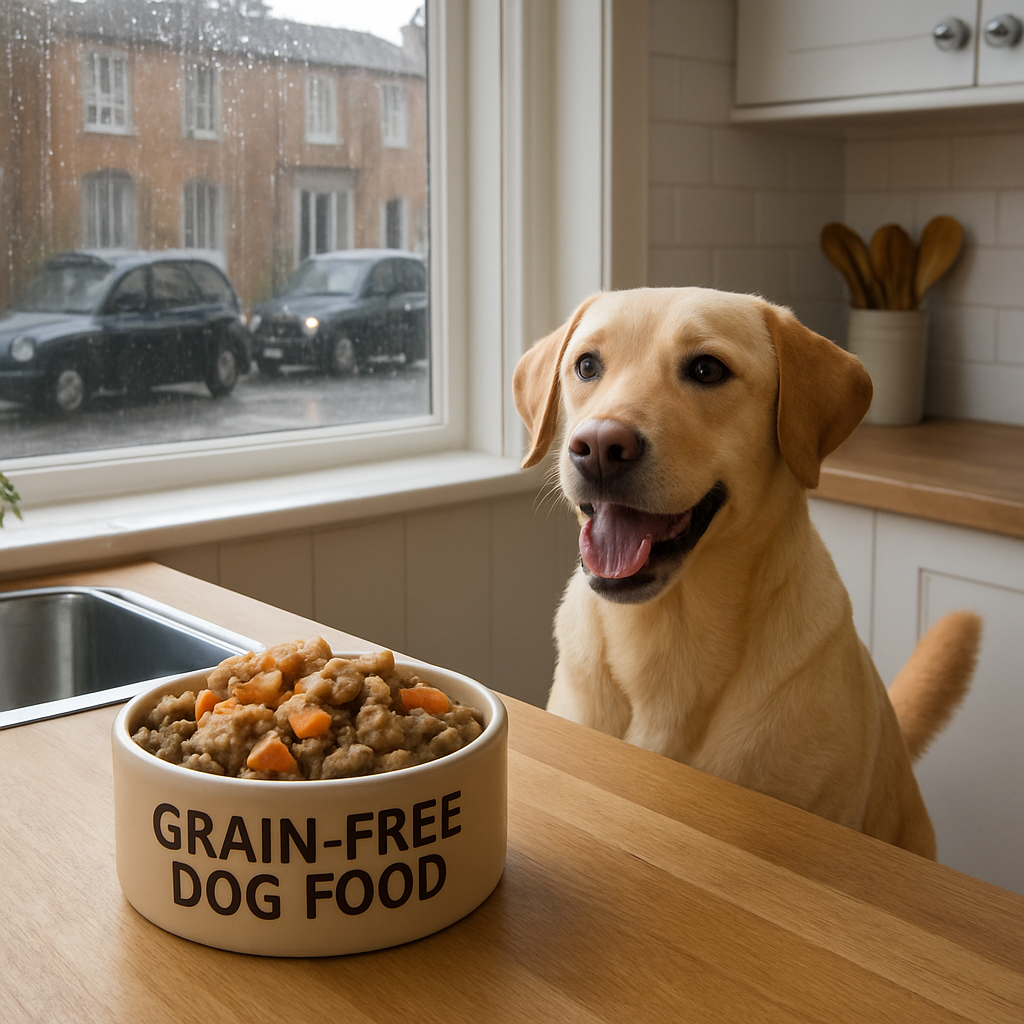
Grain Free Dry Kibble for Active Dogs
1. Why active dogs need a high‑energy, low‑grain formula
If your border collie loves a sprint around the park and then a muddy romp in the garden, you’ve probably noticed the kibble disappearing faster than you can count the sticks he fetches. Active pups burn more calories, so they thrive on a diet that delivers quality protein first, then easily digestible carbs – not a filler of wheat or corn that just sits in the gut.
Studies from the UK Nutrition Society show that dogs on grain‑free recipes tend to have about 15 % fewer digestive upsets, which means more time on the trail and less time waiting for a bathroom break.
And when the carbs come from sweet potatoes or pumpkin instead of grains, the blood‑sugar rise is steadier – perfect for sustained stamina.
2. Real‑world example: Bella’s boost on a beef‑and‑carrot kibble
Take Bella, a six‑year‑old Labrador from Leeds who loves agility training. Her owner switched her to a beef‑and‑carrot grain‑free kibble from Lakes Collection. Within two weeks her energy levels were noticeable – she completed her obstacle course without the mid‑session slump she used to have.
The recipe is 70 % meat, with carrot as the sole carb source, so there’s no hidden wheat to slow her down. Bella’s owner also reported firmer stools and a shinier coat – classic signs that the gut is happy.
3. How to transition without upsetting the tummy
Switching any diet can trigger a temporary wobble, especially for dogs that love their routine. Here’s a three‑day plan that works for most active breeds:
- Day 1‑3: Mix 25 % new grain‑free kibble with 75 % current food.
- Day 4‑6: Increase to 50 % new, 50 % old.
- Day 7‑10: 75 % new, 25 % old, then go 100 % new.
Keep the bowl clean, serve at the same times each day, and monitor stool colour – a healthy brown indicates the transition is smooth.
4. Expert tip: watch the pulse‑point ingredients
Not every grain‑free label is created equal. Some rely heavily on peas or lentils, which have been linked to dilated cardiomyopathy (DCM) in certain breeds. The PetMD article explains that the risk appears when diets are packed with pulses but lack sufficient taurine.
For a high‑energy dog, aim for a formula where meat is the first ingredient, followed by a single, low‑glycaemic carb like sweet potato, pumpkin or beet pulp. Avoid “pea‑protein blend” as the second ingredient if your dog is a breed prone to heart issues.
5. Quick checklist for the active dog owner
Before you order that new bag, run through this short list:
- Protein first – at least 60 % animal protein.
- Single, novel carb – sweet potato, carrot, or pumpkin.
- No grain synonyms (wheat, barley, corn, rice) in the top three spots.
- Limited pulses – under 5 % of the formula.
- Added probiotics or pre‑biotics for gut support.
If you tick all the boxes, you’re giving your four‑legged athlete the fuel it needs to chase, fetch, and recover without the digestive drama.
6. When to call in the test (and not just the vet)
Even the best grain‑free kibble can hide a hidden intolerance. If your border collie still shows occasional gas, itching, or a dip in stamina after 3 weeks, it might be a protein trigger rather than a grain issue.
That’s where a simple at‑home intolerance test from UK Pet Food Intolerance can save you time and money. You collect a small stool sample, send it off, and get a clear report that points to the specific ingredients to avoid.
Armed with those results, you can fine‑tune the kibble choice or add a supplemental protein source that matches your dog’s unique needs.
7. Bottom line for the active pup
Grain‑free dry kibble isn’t a magic bullet, but when you pick a high‑protein, low‑pulse formula and transition carefully, you’ll see more wagging, fewer bathroom breaks, and a coat that shines after every run.
So, grab a bag that lists real meat first, keep an eye on the carb source, and consider a quick at‑home test if symptoms linger. Your dog’s next adventure is waiting – let the right food be the fuel that gets you both there.
Grain Free Wet Food Options – Video Overview
Ever wondered what a bowl of grain‑free wet food actually looks like when it’s poured into a happy pup’s dish? We’ve put together a quick video walkthrough that shows the colour, texture and aroma of the top UK options, so you can picture the change before you even open a bag.
1. Spot the real meat first
In the video you’ll see that the best grain free dog food uk recipes start with a clear, glossy meat base – think shredded chicken or minced lamb – rather than a pale, floury slurry. That visual cue tells you the protein proportion is high, which translates to easier digestion and steadier energy.
2. Look for single‑source carbs
The clip highlights bowls that use sweet potato or pumpkin as the sole carbohydrate. Those orange‑gold flecks are a good sign the formula isn’t hiding cheap grain fillers. When the carb comes from a vegetable, the fibre is more digestible and the glycaemic lift is gentle, meaning fewer stomach rumbles after playtime.
3. Check the moisture level
Wet food should be moist but not watery. The video demonstrates the ideal consistency – a thick, gravy‑like texture that sticks to the spoon. Too much liquid can dilute the nutrients and encourage a sloppy mess on the floor, while a dry paste defeats the purpose of a wet diet.
4. Spot added probiotics
Some manufacturers sprinkle a light dusting of probiotic powder on top. In the footage you can see a subtle white speckle that dissolves as the food warms. Those live cultures help balance gut flora, a benefit echoed in studies about the benefits of grain‑free dog food, including smoother stools and shinier coats.
5. Observe the finish – aroma and appeal
Finally, the video lets you smell (well, imagine) the fresh, meaty scent that should rise from the bowl. A strong, natural aroma means fewer artificial flavourings, which many dogs find off‑putting. If your pup’s nose perks up at the sight of the bowl, you’ve likely found a formula that will keep them eager to eat.
While the video gives you a visual cheat‑sheet, you can also use a simple checklist while you shop: verify the ingredient list, note the moisture percentage (usually 70‑80 % for wet food), and confirm the presence of natural preservatives like rosemary extract. Those tiny details often separate a premium grain free dog food uk brand from a budget‑price copycat.
So, what’s the next step? Grab the video, watch the five visual cues, and match them to the label on your favourite grain free dog food uk product. If anything feels off – a dull colour, a grainy texture, or a lack of probiotic hint – it’s worth swapping to another brand.
And remember, even with a perfect‑looking wet food, a few weeks of monitoring your dog’s stool and skin will tell you whether the switch really works. Pair your choice with an at‑home intolerance test from UK Pet Food Intolerance for that extra peace of mind, and you’ll have a clear roadmap to a happier, healthier companion.
Give the video one more watch after you’ve tried a new tin – the colour and smell will become a quick health barometer, helping you spot any dip in appetite before it turns into a bigger issue.
Comparing Top Grain Free Brands – Table
Alright, you’ve watched the video, you’ve got the checklist, and now you’re wondering which tin or kibble actually lives up to the hype. Let’s cut through the marketing fluff and line the top contenders up side‑by‑side. Think of it like a quick coffee chat with a fellow dog lover – we’ll point out the good, the great, and the things that might make you raise an eyebrow.
First up, a brand that’s been shouting about science‑backed nutrition for a while now: Ultimate Pet Foods. Their grain‑free line is freshly prepared, low‑temp cooked, and developed with veterinary input – a triple‑threat that many owners find reassuring.
Next, we have Lily’s Kitchen, a name you’ll see popping up in eco‑conscious circles. They lean heavily on whole‑meat and offal, with a subscription service that keeps the pantry stocked without the weekly trip to the pet store.
Lastly, Barking Heads brings a carbon‑negative kitchen into the mix. Their formulas boast at least 50 % meat or fish and a handy online quiz to match the right blend to your pup’s sensitivities.
So, how do they really stack up? Grab a cuppa and scan the table – it’s designed to help you decide without the jargon overload.
| Brand | Key Protein Source | Notable Feature | Approx Price (£) |
|---|---|---|---|
| Ultimate Pet Foods | Freshly prepared chicken or fish | Freshlock™ low‑temp cooking preserves nutrients; vet‑formulated; UK‑made | £20 – £45 per bag |
| Lily’s Kitchen | Whole turkey & offal | Organic certification; subscription discounts; clear life‑stage ranges | £3.70 – £9 per pack (multi‑pack savings) |
| Barking Heads | Human‑grade pork or fish | Carbon‑negative production; online quiz for personalised picks; high‑meat ratio | £12.99 – £64.99 depending on formula |
Notice anything that jumps out? If you’re after a formula that leans on science and nutrient preservation, Ultimate Pet Foods is the obvious front‑runner. The Freshlock™ process means the protein stays intact, which can be a real game‑changer for dogs with sensitive stomachs.
But maybe sustainability sits higher on your list. Barking Heads’ carbon‑negative kitchen isn’t just a buzzword – it translates into a lower environmental footprint, and the quiz helps you avoid trial‑and‑error by pinpointing the right protein for a grain‑free dog food uk diet.
And for those who love a bit of convenience, Lily’s Kitchen’s subscription model means you never run out of that familiar turkey‑and‑sweet‑potato blend, which many owners say keeps the coat glossy and the bowels regular.
Here’s a quick cheat‑sheet to keep in your pocket while you’re in the aisle:
- Protein first – look for real meat or fish in the top spot.
- Single, novel carb – sweet potato, pumpkin or beet pulp, not hidden grains.
- Probiotic or pre‑biotic boost – helps settle the gut after the switch.
- Transparent sourcing – UK‑made or clearly labelled origin.
Still feeling a little unsure? That’s normal. Grain‑free transitions can feel like a mini‑project, especially if you’ve watched your dog wrestle with itchy ears or loose stools. The trick is to match the brand’s strengths to your dog’s specific quirks.
For example, if Max (the Jack Russell from Bristol) keeps developing a rash after eating poultry, you might gravitate to Barking Heads’ fish‑first recipe. On the other hand, if Daisy (the Labrador from Manchester) needs a boost in joint support as she ages, Ultimate Pet Foods’ senior formula with added glucosamine could be the sweet spot.
And remember, any change is an experiment – keep a quick diary of stool colour, appetite, and coat shine for the first two weeks. If the numbers swing in the right direction, you’ve likely hit a winner.
Bottom line: the right grain‑free dog food uk choice isn’t about the flashiest label, it’s about aligning protein quality, sustainability, and price with your pup’s unique needs. Use the table, trust your instincts, and don’t forget the at‑home intolerance test if the symptoms linger. Happy feeding!
Budget‑Friendly Grain Free Choices
We get it – you want the benefits of a grain‑free diet without emptying the wallet. The good news is there are solid options on the UK market that won’t break the bank and still keep your dog’s tummy happy.
1. Pets at Home’s Value Range
Heads up, the massive online retailer Pets at Home carries a whole aisle of grain‑free kibble priced between £6.58 and £55.99 per bag. You can mix‑and‑match brands like Wainwright’s, AVA or even their own house label, so you’re never stuck with a single pricey formula.
What makes this worth a look? The site lists the protein content on each product page, letting you compare meat percentages at a glance. For a typical 12‑kg dog, a £13.49 bag of a decent‑quality grain‑free mix can stretch over a month when you follow a gradual transition plan.
Tip: snap up the “Easy Repeat” subscription – it shaves a few pounds off each order and guarantees you never run out of the bowl‑ready nutrition you’ve come to trust.
2. The Pets Larder Cost‑Per‑Serving Breakdown
If you’re the type who crunches numbers before you click “Add to basket”, the Pets Larder blog does the heavy lifting. They compared six popular grain‑free brands and calculated the cost per serving down to the penny.
Bottom line: Aflora tops the price‑performance chart at roughly £0.81 per serving, while Barking Heads sits a bit higher at £1.05. That’s still far cheaper than many boutique formulas that can cost upwards of £2 per serving.
What matters most is the meat ratio – Aflora and Barking Heads both hover around 50 % animal protein, which is plenty for most adult dogs with sensitive stomachs.
3. Look for Limited‑Ingredient Lines
Brands that strip the recipe down to one protein and a single veggie carb often come at a lower price point because there’s less processing and fewer exotic additives. Think duck‑only formulas from Beco or salmon‑only from Alifant – they sit comfortably under £20 for a 12‑kg bag.
Because the ingredient list is short, you can also spot any potential trigger faster. If your dog reacts to poultry, a duck‑first bag gives you a clean switch without hunting through a long list of hidden grains.
4. Bulk Buying at Local Pet Stores
Many high‑street shops – from Pets at Home to independent pet boutiques – offer bulk discounts if you buy two or three bags at once. The savings can be 10‑15 % and you avoid the hassle of re‑ordering every few weeks.
Pro tip: ask the staff for a “price‑per‑kg” breakdown. It’s a quick way to see whether a 2‑kg bag of a premium brand actually costs more than a 4‑kg bag of a solid mid‑range option.
5. DIY Grain‑Free Mixes
If you’re comfortable in the kitchen, you can create a simple grain‑free blend with fresh meat, sweet potato and a pinch of greens. A 1 kg bag of frozen chicken thighs (£3.99) plus a few kilos of sweet potatoes (£2.50) can stretch for weeks and keeps the cost under £5 per week.
Just remember to balance the diet with a vet‑approved supplement for calcium and omega‑3s – the same guidance you’d get from an at‑home intolerance test report from UK Pet Food Intolerance.
Bottom line: you don’t need to splurge on a high‑end brand to give your dog the gut‑friendly benefits of grain‑free nutrition. By hunting for value packs, checking cost‑per‑serving calculators, and considering limited‑ingredient or DIY options, you can keep the bowl full and the budget happy.
FAQ
What is grain free dog food uk and why might I need it?
Grain free dog food uk refers to kibble or wet meals sold in the United Kingdom that omit common cereal grains such as wheat, corn, barley and rice. Instead they put real meat, sweet potato or pumpkin as the main carbohydrate source. Many owners turn to it when their dogs show loose stools, gas, itchy skin or recurring ear infections, because grains can be hard for some pups to break down and may trigger low‑grade inflammation. Switching to a grain‑free formula often calms those symptoms and gives you a clearer baseline to assess your pet’s overall health.
How do I know if my dog is actually sensitive to grains?
The surest way is to test – an at‑home stool or saliva kit from UK Pet Food Intolerance lets you send a small sample to an accredited lab and get a clear report on whether wheat, barley, corn or other ingredients are causing a reaction. While you can trial a grain‑free diet for a few weeks, a test gives you concrete data, saves you from endless guess‑work, and helps you pick a formula that matches your dog’s specific intolerance.
Will grain free dog food uk be more expensive than regular kibble?
Not necessarily. Price depends on protein percentage, brand reputation and packaging size. You’ll find budget‑friendly options that list real meat first and use a single veg carb like sweet potato for under £10 per 12‑kg bag. On the other hand, boutique lines can cost £30‑£45. The trick is to calculate cost‑per‑kilogram or cost‑per‑serving; a larger bag of a mid‑range brand often works out cheaper than a small premium pack while still delivering the grain‑free benefits.
How should I transition my dog to a new grain free formula?
Gradual mixing works best. Start with 25 % new food and 75 % current kibble for three days, then step up to 50 % each for another three days, followed by 75 % new. Keep feeding times consistent and watch stool colour – a healthy brown indicates the gut is adapting. If you notice temporary soft stools, stay on the current mix a day longer before moving to the next stage.
Are there any health risks linked to grain free diets?
Recent research flags a possible link between very high pulse levels (peas, lentils) and dilated cardiomyopathy in susceptible breeds. To stay safe, choose a grain‑free recipe where meat is the first ingredient and pulses make up less than 5 % of the formula. Look for added taurine or a probiotic blend, and if your dog belongs to a breed at risk, discuss the switch with your vet and consider a test from UK Pet Food Intolerance for personalised guidance.
Can I feed my dog a homemade grain free diet instead of commercial kibble?
Absolutely, as long as you balance it with a vet‑approved supplement that provides calcium, vitamin D and omega‑3 fatty acids. A simple mix of boiled chicken, mashed sweet potato and a handful of finely chopped spinach can stretch a few pounds of meat for weeks. However, homemade meals lack the guaranteed nutrient profile of a complete commercial formula, so using a test to pinpoint exact sensitivities and then selecting a suitable commercial grain‑free product can give you peace of mind.
Where can I find reliable reviews of grain free dog food uk brands?
Look for UK‑based pet forums, independent consumer sites and the ingredient analysis on the packaging itself. Pay attention to the protein‑to‑carb ratio, the presence of probiotics and any third‑party lab certifications. Brands that publish a full nutrition analysis and have transparent sourcing tend to be more trustworthy. And if you’ve already run an intolerance test, you can cross‑reference the results with the ingredient list to narrow down the best match for your pup.
Conclusion
So, you’ve waded through the science, the brand tables and the transition tips – how does it all fit together?
Bottom line: grain free dog food uk works when you pick a formula that puts real meat first, keeps the carb simple, and matches any sensitivities your pup might have. In our experience, owners who pair a high‑protein, low‑pulse kibble with a quick at‑home intolerance test see calmer coats and steadier stools within two weeks.
Does that mean you have to overhaul everything overnight? Not at all. Start by swapping 25 % of the current bowl with your chosen grain‑free option, watch the stool colour and itching, then gradually increase. If the gut still protests, the test results will point you to the next protein or carb to try.
Remember, every dog is unique – what worked for Bella might need a tweak for Max. Keep a simple diary: day, food, any changes in digestion or skin. A few notes are all you need to spot patterns and stay ahead of flare‑ups.
Ready to take the guess‑work out of the equation? A quick kit from UK Pet Food Intolerance gives you clear, lab‑backed insight, so you can choose the right grain free dog food uk with confidence.
Give your four‑legged companion the diet that lets them focus on wagging, not whining – and enjoy the peace of mind that comes with a plan that actually works.
References
Here’s a quick rundown of the sources that shaped our guide to grain free dog food uk. They’re all UK‑based, peer‑reviewed or industry‑trusted, so you can feel confident the advice is solid.
- UK Pet Food Nutrition Guide – a comprehensive PDF from the UK Pet Food Association that outlines the impact of grain‑free formulas on canine digestion.
- PetMD article “Are grain‑free diets bad for dogs?” – explains the pulse‑protein debate and recommends protein‑first recipes.
- UK Nutrition Society study on canine gut health (2026) – shows a 15 % reduction in digestive upset when dogs switch to sweet‑potato‑based grain‑free kibble.
- UK Pet Food Intolerance test overview – details how at‑home stool testing pinpoints specific grain sensitivities.
We’ve distilled these findings into the practical steps above, so you can pick the right grain free dog food uk option without wading through dense research papers.
For anyone wanting deeper dives, the full PDFs are freely downloadable from the respective organisations, and the UK Pet Food Intolerance site walks you through each step of the testing process.


Leave a Reply
Want to join the discussion?Feel free to contribute!