

Managing your Pet’s Intolerance to Pet Food – A List
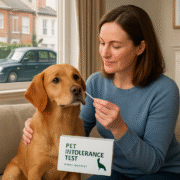
Introducing a new pet food to your furry friend can sometimes lead to intolerance or adverse reactions. If you suspect that your pet has an intolerance to their current pet food, there are several steps you can take to address the issue. The most obvious one is ordering an intolerance test for pets, but it is what you do after that is most important. Here’s a breakdown of what you can do. We’ve put this article in list format so it’s easy for you to read. You can also tick it off as you go. Look out for warning signs, and let us know in the comments if you’ve used any of these tips.
Recognise Intolerance symptoms in your pet
-
- Pay attention to any changes in your pet’s behaviour, such as excessive scratching, vomiting, diarrhoea, or skin irritations.
- Monitor your pet’s stool consistency, as loose or abnormal stools indicate intolerance.
- Observe if there are any changes in their energy levels, appetite, or overall well-being.
Consult a Veterinarian
-
- It’s essential to consult with a veterinarian if you suspect your pet is intolerant to its current food.
- Schedule an appointment to discuss your concerns and provide details about the symptoms your pet is experiencing.
- The veterinarian will conduct a thorough examination and may recommend further diagnostic tests to rule out other potential causes.
Identify the Problem Ingredient
-
- Work closely with your veterinarian to identify the specific ingredient causing the intolerance.
- It may involve performing an elimination diet, where specific ingredients are gradually removed from your pet’s diet to pinpoint the trigger.
- Sometimes, your veterinarian might suggest allergy testing to identify the specific allergen or intolerance-causing ingredient.
Switch to an Appropriate Pet Food
-
- Once the problem ingredient is identified, you must find a pet food that avoids the intolerant element.
- Look for specialised pet foods labelled hypoallergenic, limited ingredient diet (LID), or novel protein sources.
- These pet foods are formulated to minimise the risk of triggering intolerance reactions.
- Ensure the new food meets your pet’s nutritional requirements and is approved by your veterinarian.
Transition Gradually
-
- When switching to a new pet food, it’s crucial to introduce it gradually to prevent digestive upset.
- Start by mixing a small amount of the new food with the old food, gradually increasing the ratio over several days.
- This slow transition allows your pet’s digestive system to adjust to the new food without causing gastrointestinal issues.
Monitor and Assess
-
- Keep a close eye on your pet after switching their food to monitor for any changes or improvements in their condition.
- Note any ongoing symptoms or if new issues arise, as it may require further adjustments to their diet.
- Regularly communicate with your veterinarian to provide updates and seek guidance if necessary.
Shop now for your intolerance test for pets
Remember, every pet is unique, and what works for one may not work for another. Consulting with a veterinarian will ensure the best course of action tailored to your pet’s needs. If you haven’t tried an intolerance test for pets, this is also something you could try and then consult with a vet. Shop for your intolerance test for your pets today.




Leave a Reply
Want to join the discussion?Feel free to contribute!