

Best Fish Based Dog Food UK Owners Trust
Ever caught yourself watching your dog curl up after a meal, wondering if the bowl is the culprit?
You’re not alone. Many UK pet parents notice loose stools, itchy skin or that dreaded belly rumble, and the first thing they think of is switching to a different kibble.
One option that’s been gaining traction is fish based dog food uk – recipes that use high‑quality fish as the main protein source, instead of the usual chicken or beef.
But why fish? Think about it this way: fish proteins are naturally low in common allergens, and the omega‑3 fatty acids they bring can soothe inflammation, which often translates to calmer skin and smoother coats.
And if you’ve ever tried a grain‑free diet that still left your pup itching, you know how frustrating trial‑and‑error can be. That’s where a more targeted approach helps – you’re not just swapping carbs, you’re changing the very building blocks of the diet.
In our experience at UK Pet Food Intolerance, we’ve seen owners run a simple at‑home intolerance test and discover that fish proteins sit nicely on their dog’s tummy, while other proteins spark a reaction.
So, what should you look for in a fish based dog food uk? First, check that the label lists a specific fish – like salmon, trout or mackerel – as the first ingredient. Second, avoid mysterious “fish meal” blends that can hide low‑quality by‑products.
And don’t forget the little details: does the formula include added vitamins, minerals and a balanced fibre content? Those extras keep the gut happy while the fish does its soothing work.
Picture this: you’re on a rainy Saturday, the family gathers round, and your dog finally enjoys a bowl without the usual post‑meal drama. No more frantic searches for the nearest vet or endless Googling of “why is my dog itching?” – just a calm, content companion.
Ready to give fish based dog food a proper try? Start by checking the ingredient list, consider an at‑home intolerance test for peace of mind, and watch how a simple change can turn a restless pup into a happy, relaxed mate.
TL;DR
If your dog’s itchy skin, loose stools or tummy rumbles are driving you mad, switching to a fish based dog food uk can calm inflammation, help digestion.
Try an at‑home intolerance test, check the label for fish like salmon or mackerel, and you’ll see a calmer, happier pup within weeks.
1. Fresh Fish Recipes – Whole‑Food Nutrition
When you think “fresh fish” for your dog, picture a simple, colour‑rich bowl that smells like the sea and tastes like a treat. It’s the kind of meal that makes you smile because you know you’re giving wholesome protein without the mystery fillers that often trigger sensitivities.
Here are five easy‑to‑make recipes that keep the focus on whole‑food nutrition while staying friendly to even the most finicky UK pup.
1. Salmon & Sweet Potato Mash
Take a fresh salmon fillet, steam it until it flakes, then combine with boiled sweet potato, a drizzle of olive oil, and a pinch of parsley. The sweet potato adds fibre to soothe the gut, while the salmon delivers omega‑3s that calm itchy skin. Mix until smooth, let it cool, and serve a ladleful at dinner.
2. Mackerel & Green Bean Stir‑Fry
Mackerel is a budget‑friendly, omega‑rich choice. Sauté the fillet with chopped green beans, a splash of low‑sodium chicken broth, and a dash of turmeric for its anti‑inflammatory kick. The crisp beans give a satisfying bite, and the broth keeps the dish moist without adding hidden wheat.
3. Whitefish & Pumpkin Delight
Whitefish (like cod) pairs beautifully with pumpkin puree. Cook the fish gently, shred, then stir into a half‑cup of pumpkin, a spoonful of plain yoghurt for probiotics, and a sprinkle of rosemary. This combo is a favourite for dogs that struggle with loose stools because pumpkin adds gentle bulk.
4. Trout & Spinach Power Bowl
Grill a trout fillet, flake it, and toss with lightly steamed spinach, quinoa, and a teaspoon of flaxseed oil. The leafy greens boost iron, quinoa offers a complete protein source, and flaxseed adds extra omega‑3s – a triple win for a shiny coat.
5. Sardine & Oatmeal Breakfast
Open a tin of sardines (in water, no added salt), mash with cooked rolled oats, a dash of grated carrot, and a few drops of kelp powder. This quick breakfast is perfect for busy mornings and gives calcium from the sardines’ bones, supporting strong teeth.
Why stick to whole foods? Because they’re less likely to hide low‑quality by‑products that can sneak into “fish meal” blends. Real fish, real veggies, and a sprinkle of healthy fats give your dog a balanced, digestible meal that’s easier on the stomach and skin.
If you’re wondering whether your pup will love these flavours, try a small test portion and watch the tail wag. Most owners report a visible perk‑up within days, especially if the previous diet contained common allergens like chicken or beef.
Need a quick reference for other fish‑centric options that are gentle on sensitive stomachs? Check out our guide to Practical Choices to Calm Your Dog’s Digestive Upset – it lists brands that use whole‑fish fillets as the primary ingredient.
And while you’re fine‑tuning your dog’s diet, you might also be thinking about comfort beyond food. A well‑fitted harness can reduce pulling and make walks less stressful, which in turn lowers overall anxiety that can aggravate skin issues. For a helpful comparison, see Choosing the Right No Pull Harness for Small Dogs. It’s a simple upgrade that complements a nutritious diet.
Watch the short video above for a step‑by‑step visual of preparing the Salmon & Sweet Potato Mash – perfect for anyone who learns best by seeing the process in action.

To keep things simple, remember the three‑step rule: choose a single, high‑quality fish; pair it with one or two whole‑food sides; and add a modest boost of healthy fat. Rotate recipes weekly so your dog enjoys variety without over‑exposing any one ingredient.
Finally, if you’re still unsure which fish protein suits your dog best, an at‑home intolerance test can pinpoint sensitivities before you commit to a full‑time formula. The results give you confidence to pick the right recipe and avoid costly trial‑and‑error.
2. Freeze‑Dried Fish Meals – Convenience without Compromise
Ever stood in the kitchen with a bag of fresh fish, wondering how on earth you’re going to keep it fresh for a week? That’s the moment many of us UK pet parents sigh at – until we discover freeze‑dried fish meals. They’re basically the superhero version of a canned rescue: long‑lasting, nutritionally intact, and ready in seconds.
What makes freeze‑drying such a game‑changer? The process removes almost all water while locking in protein, omega‑3s, and the delicate flavours that coax even the pickiest pups. No refrigeration, no waste, and you can stash a pouch in the pantry for those rainy days when your dog’s tummy is acting up.
✅ Why freeze‑drying beats the freezer
First, think about texture. Freeze‑dried bites rehydrate to a tender, flaky consistency that mimics freshly cooked fish, but without the hassle of daily cooking. Second, the shelf‑life – we’re talking up to 12 months – means you can buy in bulk, keep costs down, and avoid the dreaded “fishy smell” that sometimes lingers in the fridge.
And the nutrition? Studies highlighted in a freeze‑dried dog food pros and cons guide note that the low‑temperature process preserves essential fatty acids better than high‑heat canning. For a dog with a sensitive stomach, that means less chance of triggering inflammation or an upset gut.
🔧 How to serve freeze‑dried fish meals
1. Measure the serving size based on your dog’s weight – usually a tablespoon per 5 kg of body weight. 2. Add warm (not boiling) water, stir, and let it sit for 5‑7 minutes. 3. Give it straight from the bowl or mix it with a splash of broth for extra flavour.
That’s it. No chopping, no simmering, no lingering odour on the kitchen bench. If you’ve ever tried to prep a fresh salmon dinner after a long workday, you’ll appreciate the simplicity.
So, what if you’re juggling a busy family schedule and a dog who’s constantly itching? Freeze‑dried fish meals can slot neatly into your routine. Pop a pouch into your bag, rehydrate on the go, and you’ve got a balanced, hypoallergenic snack that’s less likely to flare up skin issues.
Watch the short video above for a quick visual guide – it shows exactly how the water‑to‑pouch ratio works and why a gentle stir is all you need. Seeing it in action removes any guesswork and gives you confidence that you’re feeding a nutritionally sound meal.
Here’s a quick checklist to keep in mind when you’re picking a freeze‑dried fish product:
- First ingredient is a specific fish (salmon, trout, mackerel) – no vague “fish meal”.
- Added vitamins and minerals are clearly listed; you don’t want a protein‑only powder.
- Packaging is resealable and BPA‑free, because safety matters as much as nutrition.
And remember, even the best freeze‑dried meals work best when you’ve ruled out other triggers. That’s where a simple at‑home intolerance test from UK Pet Food Intolerance can give you peace of mind – you’ll know if fish truly is the hero for your dog or if you need to explore another protein source.
Bottom line: freeze‑dried fish meals give you the convenience of a ready‑made dish, the nutrition of fresh fish, and the peace of mind that comes with a long shelf‑life. For busy UK pet owners dealing with digestive upset, itching, or simply the daily scramble of mealtime, they’re a no‑brainer.
3. Video Guide: Transitioning Your Dog to Fish Based Food
1️⃣ Know where you’re starting from
First thing’s first – take a quick inventory of what your pup is eating right now. Is it a dry kibble with chicken as the first ingredient? Does it have any hidden grain fillers? Jot down the brand, the serving size, and any quirks you’ve noticed – like a sudden itch after a new batch.
Why does this matter? Because the smoother the jump, the less likely you’ll trigger a tummy upset. Think of it like moving house: you pack the fragile stuff first, then the heavy boxes.
2️⃣ Pick a trustworthy fish based dog food uk product
Look for a formula where the very first ingredient is a specific fish – salmon, trout or mackerel – and where added vitamins and minerals are clearly listed. Ultimate Pet Foods notes that omega‑3s from fish support joint health, cognitive function and skin condition benefits of fish dog food.
Imagine you’re shopping in a London supermarket and you see a pouch that says “90 % wild‑caught salmon, grain‑free, with added vitamin E”. That’s the kind of label that gives you confidence.
3️⃣ The 5‑day mix‑and‑match schedule
Day 1‑2: Replace 25 % of the old food with the new fish‑based portion. Use warm (not boiling) water to rehydrate a freeze‑dried option, or lightly steam a fresh‑fish recipe. Stir gently and let it sit for 5‑7 minutes.
Day 3‑4: Bump it up to 50 %. If your dog’s stool stays firm and the coat looks shinier, you’re on the right track.
Day 5‑7: Go full‑on – 100 % fish based. By now most dogs will have adjusted their gut flora, and you’ll notice less itching or gas.
Pro tip: keep a simple diary. Write down the day, the amount you fed, and any changes in stool consistency or energy levels. A quick note on your phone does the trick.
4️⃣ Watch the signals and fine‑tune
Some pups love the new taste but still have a bit of a rumble. If you see soft stools after day 4, dial the water‑to‑food ratio back up – a little extra moisture can help.
Conversely, if the food seems too dry, add a splash of low‑sodium broth or a teaspoon of plain Greek yoghurt. Both are gentle on the stomach and add a creamy texture that many dogs adore.
Real‑world example: “Molly”, a 12 kg Labrador from Manchester, went from three soft poops a day to a solid, dog‑approved log within four days after following this schedule. Her owner also noticed the itchy spots behind her ears fading after the first week.
5️⃣ Keep it fresh, keep it consistent
Store any unopened bags in a cool, dry cupboard. Once opened, transfer the food to an airtight container – this stops moisture and odours from creeping in. For freeze‑dried meals, a sealed zip‑lock works just fine.
Remember, consistency is king. Even after the transition, stick to the same feeding times each day. Dogs thrive on routine, and a predictable schedule helps the digestive system settle.
And finally, if you’re ever unsure whether fish is the right fit, a quick at‑home intolerance test from UK Pet Food Intolerance can give you peace of mind – you’ll know if the fish protein is truly the hero for your dog.
So, what’s the next step? Grab a reputable fish‑based bag, follow the 5‑day plan, and watch your dog rediscover the joy of a calm belly and a glossy coat.
4. Comparison Table: Top 5 Fish Based Dog Food Brands in the UK
Alright, let’s cut through the noise and give you a quick‑glance guide to the five fish‑centric dog foods that have actually earned a nod from UK pet parents and independent testers. If you’ve been scrolling through endless product pages, you’ll appreciate this tidy table – it tells you what matters most: the fish source, nutritional rating, price and a standout perk.
We’ve pulled the numbers from a couple of recent, UK‑focused reviews – one that looked at dry, wet and fresh options, and another that dove deep into raw feeds. Those sources are the same ones we trust when we advise owners at UK Pet Food Intolerance on what to try next.
| Brand | Main Fish Protein (first ingredient) | AADF Nutritional Rating | Average Price / day (≈£) | Notable Feature |
|---|---|---|---|---|
| Forthglade Wet | Salmon | 85 % (high) | £0.80‑£1.20 | 75 % single‑source protein, extra omega‑3 for skin health |
| Edgard & Cooper Dry | Norwegian Salmon | 64 % (mid) | £1.10‑£1.40 | grain‑free, eco‑friendly packaging |
| Bella+Duke Raw | Atlantic Salmon (raw) | 90‑97 % (very high) | £1.07‑£1.78 | DEFRA‑approved, full‑meal with bone & off‑al |
| Naturaw Raw | Atlantic Mackerel | 80‑96 % (high) | £1.30‑£1.90 | solar‑powered facilities, compostable trays |
| Pure Pet Food Air‑Dried | Wild‑caught Salmon | ≈70 % (good) | £1.20‑£1.60 | air‑dry preserves enzymes, long shelf‑life |
So, what does that table actually tell you? First off, if you’re after a wet kibble that’s easy to serve and still packs a serious omega‑3 punch, Forthglade’s salmon line is a solid bet – the 85 % rating comes from a thorough ingredient analysis in the Smart Bark dog‑food roundup. The brand also offers small‑batch tins for toy‑size breeds, which helps keep portions tidy.
For owners who prefer a dry formula but don’t want to sacrifice fish, Edgard & Cooper’s salmon kibble checks the box for grain‑free nutrition while keeping the carbon pawprint low. Their price point sits a touch higher than generic kibble, but the clear label (named fish first, no mystery meals) often saves you a trip to the vet later on.
Now, if you’re ready to go raw – and you’ve already done a quick at‑home intolerance test to confirm fish isn’t the culprit – Bella+Duke tops the list. Their raw salmon meals score up to 97 % on the All About Dog Food (AADF) scale, as highlighted in the Smart Bark raw‑food review. The meals are frozen, portioned and come with a handy feeding guide, so you won’t have to guess how much to feed your 12 kg Labrador.
Naturaw is a close second in the raw arena, especially if sustainability matters to you. Their mackerel‑rich recipes are solar‑powered and delivered in 100 % compostable trays – a small extra cost for a big environmental win. We’ve seen owners report shinier coats within two weeks, likely thanks to the higher EPA/DHA content of mackerel.
Finally, Pure Pet Food’s air‑dried salmon bites sit nicely between convenience and nutrition. The low‑temperature drying process keeps enzymes alive, meaning you get a product that’s shelf‑stable yet still biologically active. It’s a handy backup for busy families who can’t always keep a freezer full of raw meals.
How to use this table in practice? Grab a pen (or your phone’s notes app) and tick the columns that matter most to you – protein source, price or sustainability. Then narrow it down to two brands and order a small trial pack. Most of the companies mentioned above offer a starter size, so you can watch your dog’s stool, coat and energy levels over a week before committing.
Remember, even the best fish‑based formula can still cause a flare‑up if your pup has a hidden grain sensitivity. That’s why we always recommend a quick at‑home intolerance test from UK Pet Food Intolerance – it tells you whether fish is truly the hero for your dog, or if you need to look elsewhere.
Bottom line: the right fish‑based dog food UK market offers something for every budget, lifestyle and eco‑conscience. Use the table, test a small batch, watch the results, and you’ll soon have a calm, happy canine who’s less likely to itch, gass, or sprint to the loo after every meal.
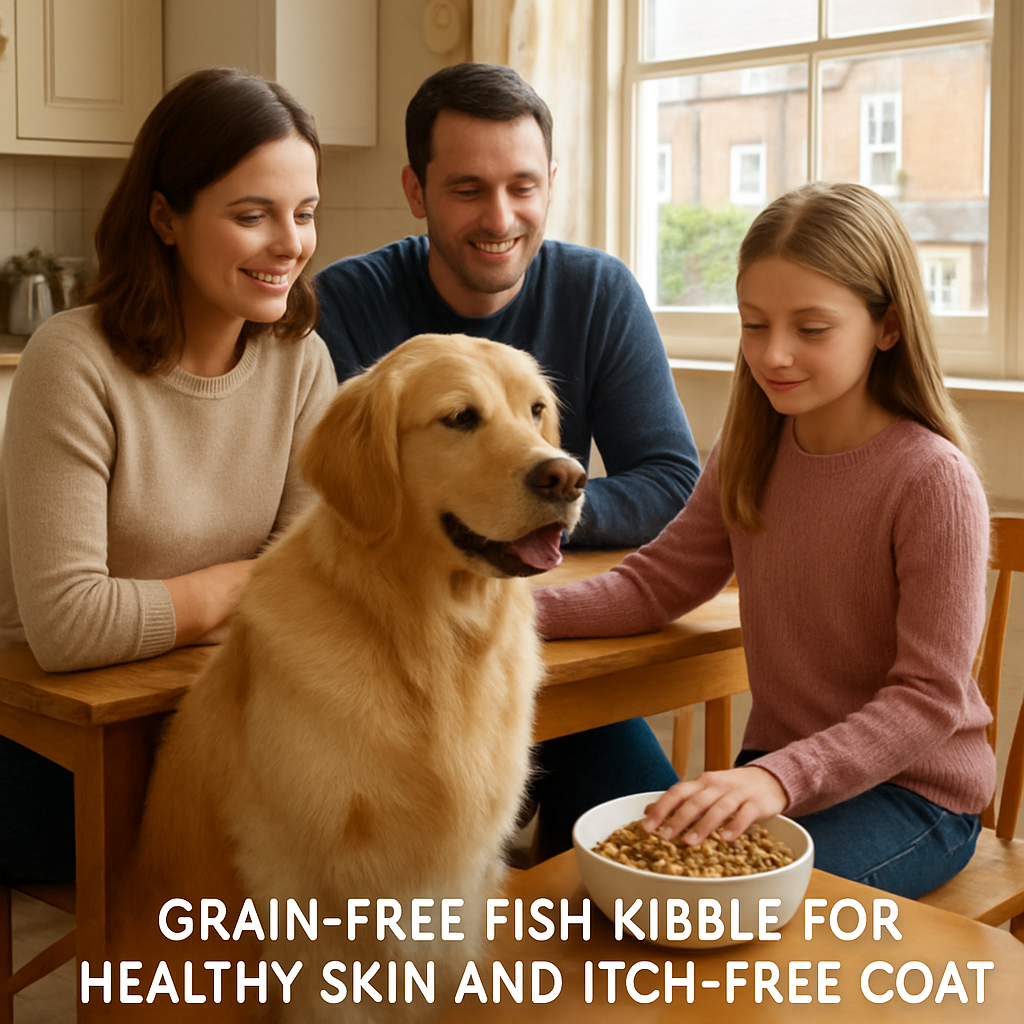
5. Grain‑Free Fish Kibble – Managing Skin and Itch Issues
Ever notice your dog scratching the sofa like it’s a favourite spot, only to wonder if the kibble is the hidden culprit? You’re not alone. A lot of us have spent evenings Googling “why is my dog itchy” and ending up with a dozen product pages that promise miracles but deliver little more than a short‑lived sparkle.
1️⃣ Omega‑3 overload – the skin‑soothing super‑power
Grain‑free fish kibble is packed with EPA and DHA, the same omega‑3 fatty acids that keep our own skin supple. When those molecules make their way into your dog’s diet, they help calm inflammation straight from the inside out. That means fewer red patches, less dry flakiness and a coat that actually looks glossy, not dull.
Fish4Dogs, for example, highlights that their salmon‑rich formulas deliver an abundance of omega‑3 to support a healthy skin barrier Fish4Dogs skin and coat formula. The result? A noticeable reduction in itching after just a couple of weeks for many dogs.
2️⃣ Grain‑free = fewer hidden allergens
Grains like wheat, corn and rice can sit in the gut and act like tiny irritants, especially for pups with a sensitive immune system. By swapping out those carbs for a clean, fish‑first kibble, you cut out a common trigger without sacrificing energy. Most grain‑free recipes also use limited‑ingredient carbs like sweet potato, which are easier on the digestive tract.
3️⃣ Easy on the stomach, easy on the coat
Because fish protein is highly digestible, there’s less chance of leftover protein fermenting in the gut and causing gas or loose stools – both of which can exacerbate skin issues. A calm gut means a calmer skin barrier.
4️⃣ Added nutrients that target itching
Many premium grain‑free fish kibbles toss in extra zinc, biotin and vitamin E – nutrients proven to reinforce skin integrity and support hair growth. When these micronutrients work together with omega‑3, the itch‑scratch cycle often breaks down.
5️⃣ Consistency is king – stick to a routine
Switching to a new kibble is only half the battle. Dogs thrive on routine, so once you’ve chosen a high‑quality fish kibble, serve it at the same times each day and monitor the coat over a 7‑10 day transition period. Keep a simple diary – note any change in scratching, coat shine or stool consistency. If the itch persists, a quick at‑home intolerance test from UK Pet Food Intolerance can confirm whether fish truly is the hero for your pup.
So, what’s the next step? Pick a grain‑free fish kibble that lists a specific fish (salmon, trout or mackerel) as the first ingredient, check for added omega‑3 and skin‑support nutrients, and give it a solid two‑week trial. Watch the coat, watch the scratching, and let the data guide you.
6. Raw Fish Meals – Safety and Feeding Guidelines
Thinking about tossing a raw salmon fillet into your dog’s bowl? You’re not alone – more UK pet parents are curious about raw fish because the omega‑3s look like a magic ticket to a shinier coat.
But raw isn’t a free‑for‑all. There are a few practical steps that turn “maybe” into “safe and sound”. Below is a quick‑hit listicle that walks you through the essentials, so you can keep the tummy calm and the skin itch‑free while still enjoying the benefits of fish based dog food uk.
1️⃣ Verify the fish is human‑grade and parasite‑free
First thing’s first – you need fish that’s been sourced for human consumption. That means it’s been inspected for parasites and handled in a clean facility. Wild‑caught salmon, trout or mackerel from a reputable fishmonger’s freezer aisle usually meet that bar.
If you’re ever unsure, a quick glance at the packaging should show a “suitable for human consumption” label. Remember, raw fish can harbour Trichinella or salmonella, so skimping on quality is a shortcut you don’t want.
2️⃣ Do a quick parasite check at home
Even with human‑grade fish, a visual inspection helps. Look for any visible worms or discolouration – those are red flags. When in doubt, a brief 30‑second soak in a 2 % vinegar solution can reduce surface bacteria, though it won’t eliminate hidden parasites.
For peace of mind, many owners run an at‑home intolerance test from UK Pet Food Intolerance before committing to a full raw regimen. The test screens for fish protein reactions, so you know whether raw fish is even the right hero for your pup.
3️⃣ Store it properly from day one
Raw fish belongs in the freezer at ≤ ‑18 °C until you’re ready to serve. Once you pull a portion out, move it straight to the fridge – never leave it on the kitchen bench.
According to Natures Menu’s defrost guide, raw meals stay safe for up to 24 hours once thawed, and you should never refreeze them. That simple rule prevents bacterial growth that could turn a healthy dinner into a gut upset.
4️⃣ Defrost the right way
There are three fan‑friendly methods:
- Overnight in the fridge – the gentlest and safest.
- Cold‑water bath – seal the portion in a zip‑lock, submerge in cool water, change the water every 30 minutes.
- Direct bowl thaw – place the frozen chunk in the bowl, then add cool water and let it melt for 10‑15 minutes.
Never use a microwave or hot water; rapid heating can create “hot spots” where bacteria thrive, a warning echoed by the Purina raw‑diet overview.
5️⃣ Portion control and gradual transition
Start with a tiny tasting spoonful mixed into your dog’s regular kibble. Over 5‑7 days, inch the raw fish up to 30‑40 % of the total meal, watching stool consistency and coat condition each day.
If you notice looser stools, add a splash of low‑sodium broth or a dollop of plain Greek yoghurt – both help ease the digestion of raw protein.
6️⃣ Hygiene is non‑negotiable
Wash your hands with warm, soapy water before and after handling raw fish. Sanitize all surfaces, knives and bowls with a food‑safe disinfectant. Using separate utensils for your dog’s meals avoids cross‑contamination with your own food.
Kids should stay clear of the prep area – it’s not just about mess, it’s about keeping germs out of the house.
7️⃣ Monitor and record
Keep a simple feeding diary: date, portion size, any changes to stool, coat shine or itching. After a week, compare notes. If the coat is glossier and the itch less persistent, you’ve likely hit the sweet spot.
But if problems linger, pause the raw diet and revert to a cooked or freeze‑dried alternative. Remember, raw feeding isn’t a one‑size‑fits‑all solution, even within the fish based dog food uk world.
So, what’s the bottom line? Raw fish can be a fantastic source of omega‑3s, but safety hinges on quality, proper storage, careful defrosting, and a measured transition. Pair that with an at‑home intolerance test, and you’ll have a clear roadmap to a happier, healthier dog – without the guesswork.
Conclusion
So, you’ve walked through recipes, freeze‑dry options, raw safety tips and a quick‑check table – all to answer the same question: is fish based dog food uk the right move for your pup?
If you’ve noticed itchy skin, loose stools or a dull coat, the odds are the protein source is part of the puzzle. Swapping to a salmon, trout or mackerel‑first formula gives your dog the omega‑3 boost that calms inflammation and supports a shinier coat.
But the magic only works when you pair it with proper handling: human‑grade fish, safe storage, gradual transition, and a simple feeding diary. Think of the diary as your dog’s health journal – a few lines a day can spot a pattern faster than any vet visit.
When you’re unsure whether fish is the hero or the villain, a quick at‑home intolerance test from UK Pet Food Intolerance can give you clear, lab‑backed results without the guesswork.
Here’s the three‑step takeaway:
- Pick a fish‑first product that lists the specific fish as the first ingredient.
- Introduce it slowly, watch stool, coat and itching for 7‑10 days.
- If symptoms improve, stick with it; if not, revisit the test or try another protein.
In the end, a thoughtful switch to fish based dog food uk can turn a frustrated feeding routine into a calm, happy mealtime for both you and your four‑legged mate.
FAQ
Got lingering doubts about fish based dog food uk? Below are the questions we hear most often from pet parents just like you, plus practical, no‑nonsense answers.
Is fish based dog food uk safe for puppies?
Yes, it can be safe for puppies as long as the formula meets the AAFCO or FEDIAF nutrient profiles for growth. Look for a product that lists a specific fish (salmon, trout or mackerel) first and includes essential DHA, calcium and vitamin E. Puppies need a balanced calcium‑phosphorus ratio, so a fish‑first kibble that adds bone‑meal or finely ground egg‑shell is ideal. Always start with a small portion and watch for any digestive changes.
How do I transition my dog to a fish based diet without upsetting their stomach?
Gradual mixing works best. Day 1–2: replace 25 % of the current food with the new fish formula, adding a splash of warm water to soften it. Day 3–4: move to 50 % fish food, keeping an eye on stool consistency and coat shine. Day 5–7: go full‑on if everything looks normal. Keep a simple diary – note the date, amount fed, and any changes in stool, itching or energy levels. If you see soft stools, back‑track a step and add a little more water or a teaspoon of plain yoghurt.
What should I look for on the label of a fish based dog food in the UK?
First ingredient matters – it should be a specific fish, not a vague “fish meal”. Check that the protein percentage is at least 20 % for adults and 22 % for puppies. Look for added omega‑3 sources (EPA/DHA), a clear vitamin E claim, and limited filler carbs like sweet potato or pea fibre. Avoid artificial colours, flavours or unnecessary preservatives. A transparent label will also list the processing method (freeze‑dried, air‑dried or cooked) so you know what you’re getting.
Can fish based dog food help with my dog’s itchy skin?
Omega‑3 fatty acids in fish – especially EPA and DHA – support skin barrier health and can reduce inflammation that leads to itching. Many owners notice a softer, shinier coat within two weeks of switching to a fish‑first diet, provided the formula contains at least 0.5 % combined EPA/DHA. Pair the food change with a short‑term feeding diary; if the itch improves, stick with it. If not, a quick at‑home intolerance test from UK Pet Food Intolerance can confirm whether fish is truly the hero or if another allergen is at play.
Do I need to worry about parasites when feeding raw fish meals?
Raw fish can harbour parasites like Trichinella or Anisakis, so source only human‑grade, frozen‑thawed fish from reputable suppliers. Freeze the fish at ‑18 °C for at least 24 hours before serving – this kills most parasites. Thaw safely in the fridge, never at room temperature, and keep all surfaces and hands scrubbed with hot, soapy water. If you’re unsure about quality, start with a freeze‑dried product where the low‑temperature process already eliminates the parasite risk.
How often should I test my dog for food sensitivities when using fish based food?
We recommend an initial at‑home intolerance test before you switch, then a follow‑up test after 4‑6 weeks of consistent feeding. This window lets you see whether any lingering symptoms (loose stools, scratching or gas) are still linked to fish or another hidden ingredient. If the second test still shows a reaction, consider rotating to a different protein source or consulting your vet for a broader allergy panel. Regular testing keeps you ahead of subtle sensitivities that can creep up over time.


Leave a Reply
Want to join the discussion?Feel free to contribute!