
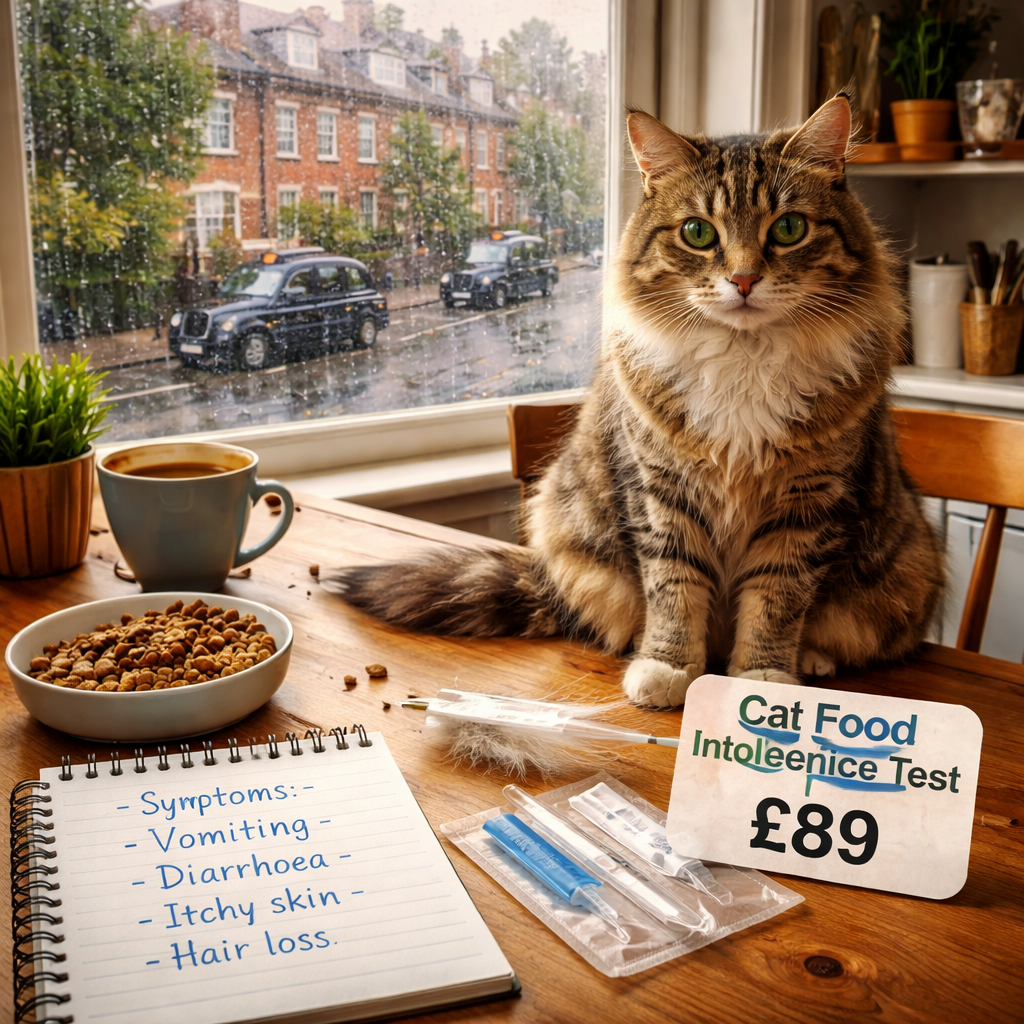
Understanding Cat Food Intolerance Test Price: A Practical Guide
Finding out how much a cat food intolerance test costs can feel like hunting for a hidden clue in a maze of pet‑care ads. The truth is simpler: you pay for a kit, send a small fur sample, and get a clear list of foods to avoid.
First, set a budget. Most at‑home kits sit between £40 and £80, depending on how many ingredients they check. A cheaper kit might test 100 items, while a premium one covers 200‑plus. Knowing your limit helps you avoid surprise spend.
Second, compare what you get for the price. Look for labs that are accredited, a quick turnaround (often under two weeks), and online results that explain each ingredient’s risk level. Some kits also include a handy diet‑plan sheet – that’s extra value you don’t want to miss.
Third, factor in any hidden costs. Shipping is usually free in the UK, but if you need a replacement sample or extra testing, those fees can add up. Make a quick checklist: kit price, shipping, possible retest fees, and any optional add‑ons.
Fourth, read real‑world feedback. Owners often share whether the test helped spot hidden triggers for itching or loose stools. A practical example: a cat owner tried a £55 kit, spotted dairy as a culprit, and swapped to a dairy‑free diet, seeing calmer skin in a week.
Finally, use a trusted guide to walk through the whole process. Our cat food intolerance test cost guide breaks down each step, from buying the kit to interpreting the results, so you can feel confident you’re getting the best bang for your buck.
Step 1: Identify Common Symptoms of Food Intolerance
First, watch your cat for signs that something in their diet might be off. Look for loose stools, frequent vomiting, or a sudden rise in gas. Those clues often show up before a rash or itch.
Next, note any skin changes – a patch of dry fur, an itchy chin, or a red belly. Even a subtle scratch can hint at an underlying food trigger.
Pay attention to behaviour too. If your cat seems less playful or starts hiding more, it could be gut discomfort. A quick log of meals and symptoms helps you spot patterns.
Try a simple checklist:
• Stool consistency
• Frequency of vomiting
• Skin irritation
• Energy levels
Keep the list short and update it daily.
Seeing a pattern? You’re ready to consider a cat food intolerance test. Knowing the cat food intolerance test price helps you plan the next step without surprise costs.
When you’ve gathered enough clues, compare a few test kits. Look for labs that are accredited, give results within two weeks, and break down each ingredient’s risk level.
Step 2: How At‑Home Tests Work and What They Measure
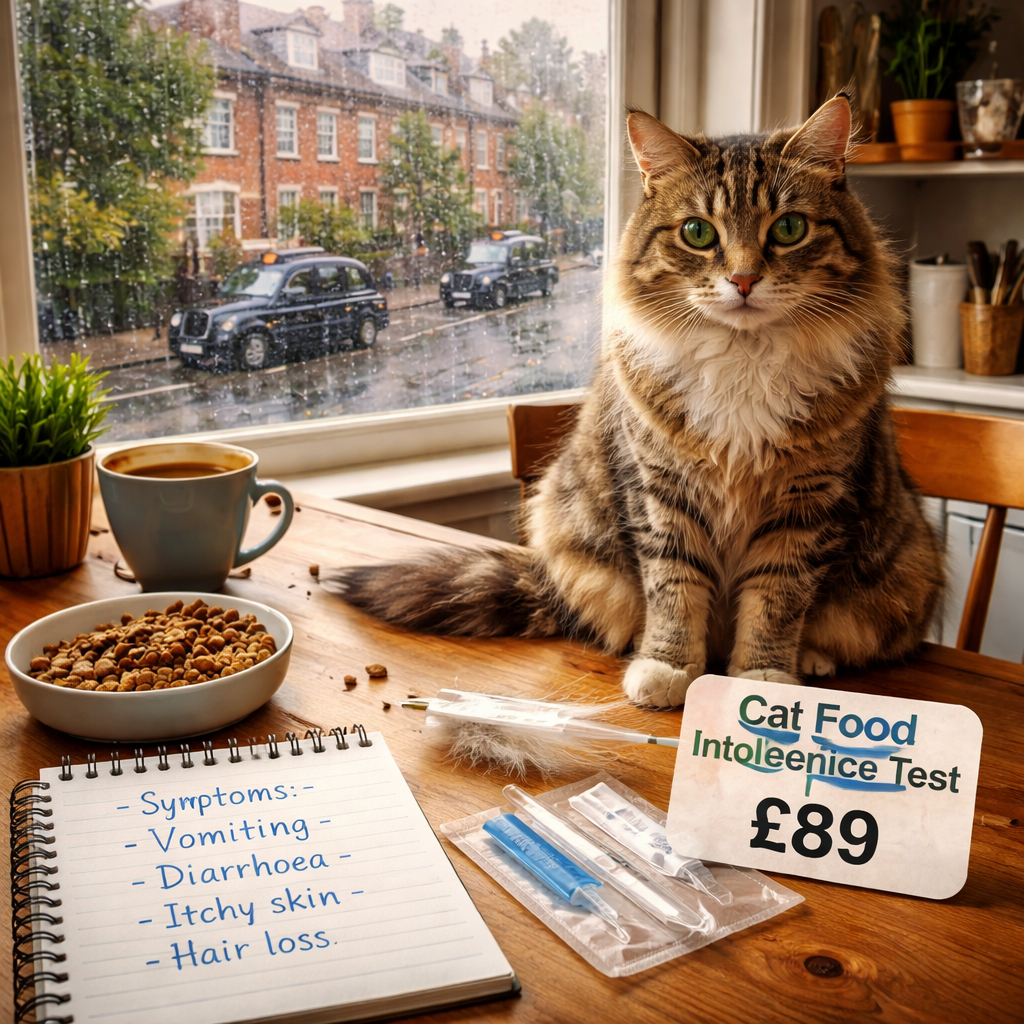
First, you collect a few strands of your cat’s hair – no need to pull from the root. Slip the strands into the prepaid bag, seal it, and pop it in the post. The kit’s lab then analyses the sample against a list of common ingredients.
What the lab looks for is a reaction‑level score for each ingredient. A strong score means the cat’s gut reacts badly, a mild score suggests it can tolerate the food in small amounts, and no score means the ingredient is likely safe.
So, how does this help you with the cat food intolerance test price? Knowing exactly which items trigger a reaction lets you pick a diet that avoids costly trial‑and‑error purchases. You’ll spend less on food you end up tossing.
Here’s a quick step‑by‑step you can follow once the kit arrives:
- Register the kit online using the unique code inside the box.
- Gather 10‑15 hair strands from any part of your cat’s coat.
- Place the hair in the supplied bag, seal, and attach the prepaid label.
- Drop the parcel in the post. Results usually land in your inbox within 4‑5 business days.
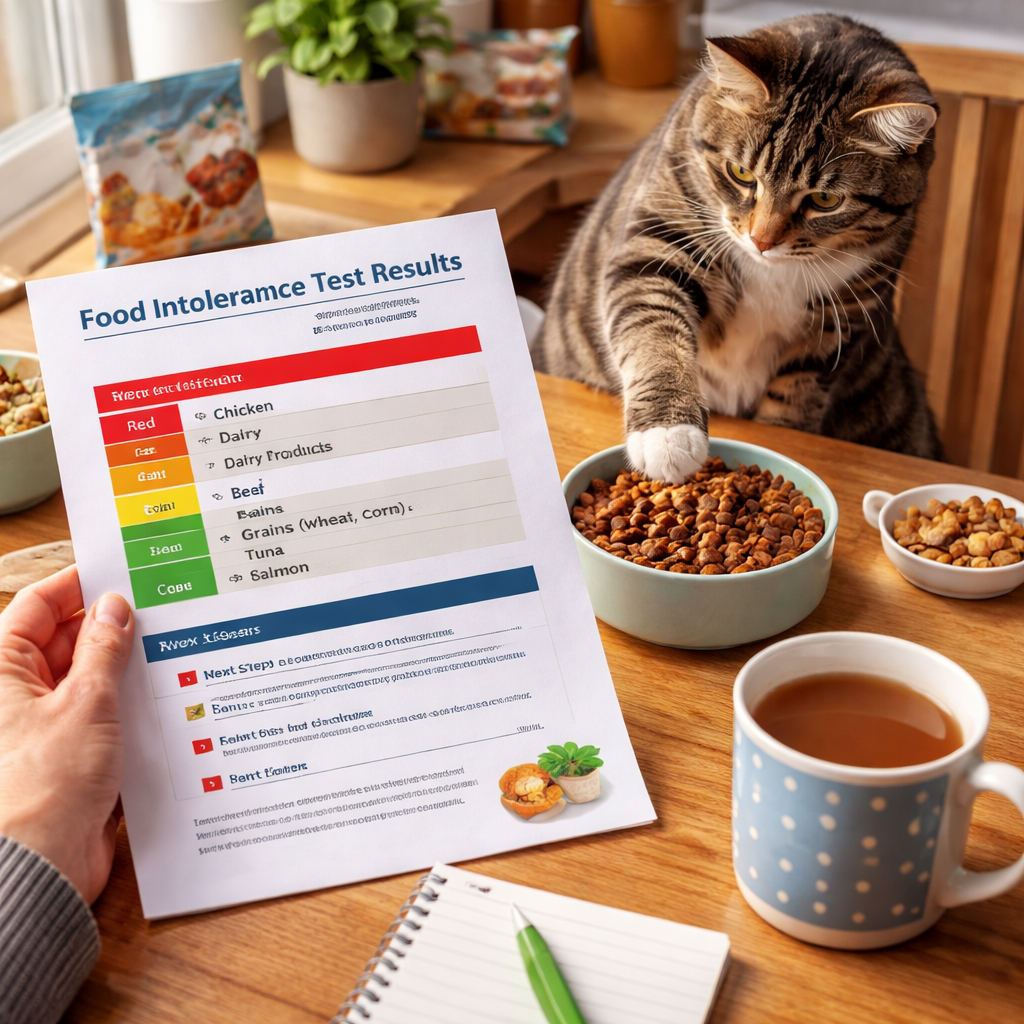
What you get back is a simple PDF report. It groups ingredients into three levels – avoid, limit, and safe. That layout makes it easy to match the results with the labels on commercial cat foods.
One practical example (hypothetical): the report flags dairy powder as a strong trigger. You can then switch to a dairy‑free kibble, which often costs a similar amount but saves you the expense of ongoing skin creams and vet visits.
Want to know whether home tests are trustworthy? The BBC notes that many at‑home kits claim to work on hair samples, but scientific backing varies. It’s a reminder to choose a kit that’s accredited and transparent about its method.BBC on home intolerance testing
Quick comparison of what’s measured
| Test component | What it measures | Typical turnaround |
|---|---|---|
| Hair sample | Energetic response to each ingredient | 3‑5 days |
| Ingredient list | Severity level (avoid, limit, safe) | Included in report |
| Result format | PDF plus online dashboard view | Immediate after analysis |
Now you know exactly what the test does, how fast you’ll see the results, and why it can save you money in the long run. Ready to take the next step?
Step 3: Comparing Prices and What’s Included
Now that you know how the test works, it’s time to look at the cost side.
Most UK kits sit between £40 and £80, so write the base price down before you get distracted.
A good kit bundles the sample bag, prepaid post label and an online dashboard where you can view the PDF report.
Watch out for hidden fees for re‑tests or for buying a longer ingredient list later.
Quick checklist:
- Kit price
- Shipping cost (free is common)
- Number of ingredients tested
- Result format – PDF and online view
Some kits also throw in a diet‑plan sheet that helps you map out safe meals, a nice bonus if you’re new to feeding trials.
When you line up two kits, a £55 option that checks 150 items and gives an online dashboard usually beats a £45 kit that only lists 80 items in a plain PDF.
For example, a US‑based service lists a cat test at $69 that covers 143 foods and 49 non‑food items.AffinityDNA cat test details
Another provider shows prices from $96 to $146, with the top tier adding a “digital upgrade” that lets you unlock extra panels later.5Strands price tiers
UK Pet Food Intolerance packages the sample kit, free UK shipping, accredited lab analysis and a clear PDF plus online dashboard for around £60. That mix of price and what’s included often out‑values cheaper kits that charge extra for each extra ingredient.
Always verify that the lab is ISO‑17025 accredited, because that flag tells you the results meet recognised quality standards.
What’s the next step? Write the numbers in a table, match them against the checklist, and pick the kit that gives you the most insight for the money you’re ready to spend.
Remember, the cheapest price now can cost more later if you need extra tests or keep changing food.
Step 4: Interpreting Results and Next Steps
When the PDF lands in your inbox, the first thing to do is glance at the three colour bands – avoid, limit, safe.
Red means the cat reacted strongly. That ingredient probably sparks itching or gut upset. Green means you can keep it in the diet. Yellow says a little bit is OK, but watch for any flare-ups.
Got a long list of reds? Pick the top two and try a short elimination phase. Swap out those foods for a week and note any change in symptoms.
But what if the report shows only a few yellows and most greens? That usually means the current diet is already close to ideal. You can fine‑tune by rotating the yellow items and seeing which one still triggers a reaction.
Quick checklist
- Write each ingredient and its colour on a sticky note.
- Match the notes to the foods you buy – label the bags.
- Plan a 7‑day trial for any red or yellow foods you want to test.
- Log daily observations in the same diary you used for symptoms.
Remember, the test isn’t a medical diagnosis. If symptoms persist, a vet can run an IgE blood test or an oral food challenge – the gold standard explained by Oak Brook Allergists.how allergy test scores work
For a step‑by‑step guide on running the trial at home, the Nextmune lab PDF walks you through sample handling and feeding plans.official feline food trial guide
Once you’ve logged the results, compare them against your original symptom diary. If the red foods line up with the worst itching days, you’ve found a clear target.
Finally, decide how much you’re willing to spend on future kits. A basic kit may cost around £55, but a version that checks more ingredients can save you money in the long run by avoiding repeated trials.
Frequently Asked Questions
What does the cat food intolerance test price include?
The cat food intolerance test price covers the sample bag, a prepaid return label, lab analysis of your cat’s hair, and a PDF report that grades each ingredient as avoid, limit or safe. You also get an online dashboard where you can view the scores and a simple guide on how to set up an elimination diet. No extra lab fees are hidden.
How long does it take to get results after I send the sample?
The results usually arrive in your inbox within four to six business days after the lab receives the hair sample. Some kits promise a faster online view once the analysis is done, but the PDF is the same final document. You’ll get a clear colour-coded list so you can start adjusting meals without waiting weeks for a vet appointment.
Is the test worth the cost for a cat with mild itching?
If your cat shows occasional itching or a few soft stools, the cat food intolerance test price can be a sensible first step. The test pinpoints likely triggers, letting you swap out one ingredient at a time instead of overhauling the whole diet. Many owners find that a £55-£70 kit saves money on vet visits and trial-and-error food purchases.
Can I use the test results to change my cat’s diet immediately?
Once you have the colour-coded report, start by removing any red-listed foods for a week and watch the diary you kept earlier. If symptoms ease, re‑introduce the same food in small amounts to confirm the link. The guide that comes with the kit shows how to plan these short trials, so you don’t guess and you’ll feel more confident about the diet.
Are there hidden fees beyond the test price?
There are no surprise charges hidden in the cat food intolerance test price, but you should check a few things before you buy. Make sure the kit includes free UK postage and that any optional add-ons, such as extra ingredient panels, are clearly priced. If you need to send a replacement sample, some providers may charge a small fee, so read the fine print.
How often should I repeat the test?
The test isn’t a one-time licence; you may want to repeat it if your cat’s diet changes or new symptoms appear. A good rule of thumb is to run another test after six months of a stable diet, or sooner if you introduce a novel protein. Re-testing helps keep the colour-coded list up to date and avoids hidden allergens.
Conclusion
By now you see that the cat food intolerance test price is just one piece of the puzzle. A clear, colour‑coded report lets you cut out the foods that spark itching or loose stools without guessing.
Pick a kit that covers enough ingredients without hidden fees. The £40‑£80 range fits most UK homes, and free postage keeps the total tidy.
When the results land, start a short elimination phase. Remove the red‑flag foods for a week, watch the diary you’ve kept, then re‑introduce them in tiny bites. If the symptoms settle, you’ve found a win.
Remember, the test isn’t a medical diagnosis – it’s a guide that helps you and your vet focus on the right diet changes. With a bit of patience, you’ll save on vet visits, food waste, and the stress of endless trial‑and‑error.
Ready to take the next step? A quick look at the UK Pet Food Intolerance site helps you match price, coverage and convenience.


Leave a Reply
Want to join the discussion?Feel free to contribute!