
Low Residue Dog Food UK: A Practical Guide for Sensitive Stomachs
Ever caught yourself watching your dog stare at the bowl, then watching them scramble to the garden because something in their tummy just won’t settle? You’re not alone – that uneasy rumble, the occasional loose stool, or that itchy scratch you can’t quite pinpoint often means the food they’re eating is leaving a lot of undigested residue.
Low‑residue dog food in the UK is designed to minimise that leftover fibre and undigested bits, giving the gut a smoother ride. Think of it as swapping a chunky gravel road for a freshly paved lane – the journey becomes quieter, faster, and you notice fewer bumps along the way.
Here’s the thing: not every “light” kibble actually qualifies as low‑residue. Some brands tout “sensitive stomach” but still pack in fillers that can ferment and bloat. What we’ve seen work best is a formula that leans on highly digestible proteins like novel sources (duck, venison) and simple carbs such as rice or sweet potato, while keeping beans, whole grains, and bulky fibres to a minimum.
For example, a Labrador in Manchester who was constantly battling mild diarrhoea found relief after switching to a diet that swapped peas and barley for a single protein source and a limited carbohydrate profile. Within two weeks the stool consistency normalised, and the owner reported fewer trips to the vet for gut‑related concerns.
So, how do you pick the right low‑residue option? Start by checking the guaranteed analysis – look for crude fibre percentages under 3 % and a clear statement of “highly digestible” protein. Next, scan the ingredient list: the first three should be protein, carbohydrate, and a small amount of fat, without a parade of legumes or whole‑grain cereals.
It also helps to run an at‑home food intolerance test first. Identifying specific triggers can narrow down which ingredients to avoid altogether, making the low‑residue transition smoother. Platforms like Best Dog Food for Sensitive Stomach UK: Practical Choices to Calm Your Dog’s Digestive Upset walk you through the best picks and why they work.
Action steps you can take right now: 1) List the current ingredients in your dog’s food; 2) Highlight any high‑fibre components (peas, beans, whole grains) and consider swapping them; 3) Choose a low‑residue formula with < 3 % fibre and a single, novel protein source; 4) Monitor stool quality and energy levels for 2‑3 weeks; 5) If symptoms persist, consider an intolerance test to pinpoint hidden culprits.
Remember, a calmer gut often translates to a happier, more energetic companion – and that’s the goal we all share as pet parents.
TL;DR
If your dog’s tummy is constantly unsettled, switching to a low‑residue dog food UK formula can calm digestion, reduce loose stools and boost energy. Combine the right kibble with an at‑home intolerance test from UK Pet Food Intolerance for pinpointed, hassle‑free dietary tweaks tailored to your pet’s unique sensitivities, helping you see quicker improvements.
Understanding Low Residue Diets for Dogs
Ever wondered why some kibble seems to glide through your dog’s system while other meals leave a mess behind? That’s the low‑residue principle in action – fewer indigestible bits, smoother digestion.
Low residue dog food UK formulas aim to cut down on fibre that ferments in the gut. Think of it like swapping a chunky, bumpy road for a freshly paved lane. Your pup’s stomach can focus on absorbing nutrients instead of wrestling with leftovers.
What actually makes a diet low‑residue?
First up, the fibre count. Look for a guaranteed analysis that lists crude fibre under 3 %. That’s a good sign the food won’t leave a lot of undigested plant material behind.
Second, the protein source. Novel proteins – duck, venison, rabbit – are easier on sensitive guts because they’re less likely to have triggered a reaction before. Simpler carbs like rice or sweet potato also play well, providing energy without the bulk of beans or whole grains.
And the fat? A modest amount of high‑quality animal fat helps coat the intestinal lining, keeping things moving at a gentle pace.
How to read the ingredient list
When you scan a bag, the first three ingredients should be protein, carbohydrate, then a small amount of fat. If you see peas, lentils, barley, or a parade of legumes early on, that’s a red flag – those are the culprits that can ferment and cause gas or loose stools.
Picture this: a Labrador in Manchester was constantly dealing with soft stools. After swapping a grain‑heavy brand for a low‑residue formula that featured duck and rice, the dog’s stool firmed up within ten days. Simple, right?
Putting the theory into practice
Start by jotting down everything you currently feed your dog – wet food, treats, table scraps. Highlight any high‑fibre components: peas, beans, whole oats, barley. Then, line up a low‑residue option that meets the under‑3 % fibre rule and sticks to a single novel protein.
Give the new diet a solid two‑week trial. Keep an eye on stool consistency, energy levels, and any skin changes. If things improve, you’ve likely hit the sweet spot. If not, consider an at‑home food intolerance test – it can pinpoint hidden sensitivities that even a low‑residue formula might not cover.
Remember, the goal isn’t to strip away all fibre – dogs still need a little for gut health. It’s about trimming the excess that just sits there, undigested.
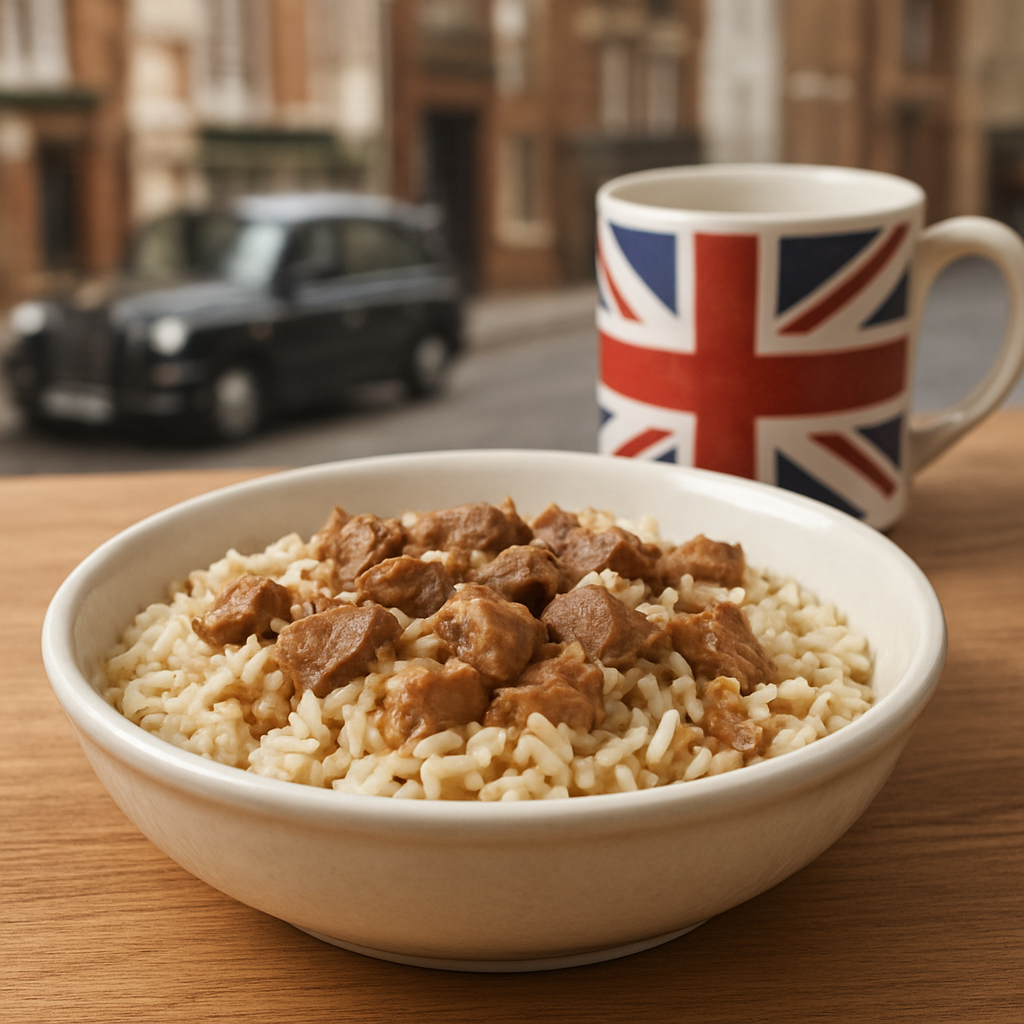
Seeing a real‑life example can help solidify the concept. Below is a visual cue of what a low‑residue bowl might look like on a typical British kitchen counter.
Finally, keep your vet in the loop. While low‑residue diets are generally safe, any major dietary shift deserves a quick check‑in, especially if your dog has chronic conditions.
So, what’s the next step? Grab a bag that ticks the low‑fibre box, compare the first three ingredients, and give your dog a chance to enjoy a calmer gut. You’ll likely notice fewer trips to the garden for… you know what.
Key Benefits of Low Residue Dog Food
When you finally spot a low residue dog food uk formula on the shelf, you might wonder whether the hype is worth the switch. The short answer is yes – the benefits reach far beyond a tidier litter tray.
Gentler digestion, fewer drama episodes
Low residue recipes cut the bulk of indigestible fibre, so your pup’s stomach doesn’t have to work overtime breaking down tough plant walls. In practice that means fewer rumblings, less belching, and a calmer gut that’s less likely to rebel after a walk.
Consistent stool, peace of mind
One of the most noticeable changes is the texture of the poo. With under 3 % crude fibre, the kibble produces firmer, more predictable stools. That makes those early morning bathroom trips less of a guessing game and gives you a clear signal when something else is amiss.
More nutrients get where they belong
When the digestive tract isn’t busy shredding fibre, it can focus on absorbing the protein, fats and vitamins you’ve paid for. Owners often report a subtle boost in stamina – a longer play session or a quicker bounce back after a vet visit.
Less gas, less odour
Fermentable fibres are the main culprits behind that embarrassing canine flatulence. Stripping them out reduces the amount of gas your dog produces, which in turn means a fresher‑smelling home and fewer awkward moments on the sofa.
Healthier skin and coat
Digestive comfort translates to skin comfort. When food is fully digested, fewer irritants seep into the bloodstream, so itching and flaky patches often diminish. You’ll notice a shinier coat and fewer frantic scratches at the end of the day.
Streamlined allergy testing
Because low residue diets remove many common allergens – peas, beans, whole grains – they create a clean baseline for any at‑home intolerance test you decide to run. A simpler diet means the test can pinpoint the true trigger more accurately.
How to verify you’re getting a low residue product
Start by checking the guaranteed analysis on the back of the bag. Look for crude fibre percentages under 3 % – that’s the hallmark of a low residue formula. If the number isn’t listed, a quick call to the manufacturer usually clears it up.
Reading the ingredient list like a pro
The first three ingredients should be a single novel protein, a digestible carbohydrate (think rice or sweet potato), and a modest amount of fat. If you see peas, lentils, or barley sneaking into the top five, you’re likely not in low residue territory.
A real‑world glimpse
Take Emma from Birmingham, who swapped her border collie’s pea‑heavy kibble for a duck‑based low residue dog food uk option. Within ten days the stool went from mushy to a tidy log, the dog’s energy levels steadied, and the constant scratching subsided. Emma credits the clear label and the subsequent at‑home intolerance test for confirming that the new diet was truly the missing piece.
Next steps you can act on today
Grab your current bag, note the fibre content, and compare it with the guidelines above. If you’re above the 3 % mark, start hunting for a low residue alternative that lists a novel protein first. Pair the switch with a simple at‑home intolerance test from UK Pet Food Intolerance, and you’ll have both a cleaner diet and concrete data to fine‑tune it further. In a few weeks you should be able to see whether the gut‑calming benefits are delivering the calm, energetic companion you’ve been hoping for.
How to Choose the Right Low Residue Dog Food in the UK
Ever stood in the pet aisle, stare‑down with a mountain of bags, and thought, “Which one actually does what the label promises?” You’re not alone. The low residue dog food uk market is packed with buzzwords, and it’s easy to feel overwhelmed.
Let’s break it down together, step by step, so you can walk away with a clear plan and a bag that truly supports a calmer gut.
1. Start with the guaranteed analysis
Look for the crude fibre figure. Anything under 3 % is a good sign you’re in low‑residue territory. If the number isn’t printed, give the manufacturer a quick call – they’ll usually have it handy.
While you’re at it, check the protein minimum. A high‑quality low residue formula will still hit at least 22 % protein, because you want nutrients, not just “less fibre”.
2. Decode the ingredient list
Ingredients are listed by weight, highest first. The first three should be a single novel protein (think duck or venison), a simple carbohydrate (rice or sweet potato), and a modest amount of fat.
If you spot peas, lentils, barley, or beet pulp in the top five, walk away – those are the culprits that add bulk and fermentable fibre.
Need a quick refresher on what to look for? This guide on reading dog food labels walks you through the same steps, but with plenty of examples.
3. Match the formula to your dog’s life stage
Adult dogs usually need a balanced mix, while seniors benefit from slightly lower fat and moderate protein to protect kidneys. If your pup is still a puppy, you’ll want a higher protein boost – just make sure the fibre stays low.
Remember, “All Life Stages” claims don’t automatically mean low residue. Always double‑check the fibre % and ingredient order.
4. Use an at‑home intolerance test as a safety net
Even the perfect low residue formula can hide a hidden allergen. That’s where UK Pet Food Intolerance’s at‑home test shines – you collect a fur sample, send it off, and get a clear report within days.
Having that data means you can pick a formula that not only reduces residue but also avoids the specific trigger your dog reacts to.
5. Do a short trial and monitor
Swap the old kibble for the new low residue option over a 7‑day transition: 75 % new, 25 % old for the first three days, then 100 % new. Keep a simple diary – note stool consistency, energy levels, and any itching.
Typical signs of success: firmer logs, fewer bathroom trips, and a calmer demeanour during walks.
6. Checklist before you buy
- Crude fibre ≤ 3 %
- First three ingredients = novel protein, simple carb, modest fat
- No legumes or whole grains in the top five
- Protein ≥ 22 % (or as per life‑stage needs)
- Manufacturer provides clear fibre data or responsive customer service
- Optional: pair with an at‑home intolerance test for extra confidence
Got your list? Great. Now you can compare brands side‑by‑side without getting lost in marketing fluff.
One last tip: keep the original bag for a few weeks. If the new food isn’t delivering the calm gut you expected, you’ve got a reference point for a return or exchange.
Choosing the right low residue dog food uk doesn’t have to feel like a gamble. With a fibre check, ingredient audit, life‑stage match, and a quick intolerance test, you’ve got a solid, evidence‑based roadmap. Your dog’s tummy will thank you – and so will you, when you see that happy, energetic tail wagging at the end of each walk.
Top Low Residue Dog Food Brands Available in the UK
So you’ve done the fibre check and you’re ready to shop – but the shelves look like a maze, right? Let’s cut through the clutter and spotlight a handful of brands that actually meet the low residue criteria we’ve been talking about.
1. Purina Pro Plan Veterinary Diets – Canine EN Gastrointestinal
This formula is purpose‑built for dogs with sensitive guts. The guaranteed analysis lists crude fibre at just 2.5 % and a protein level of 24 %, which ticks both the fibre and protein boxes.
The ingredient list starts with highly digestible poultry protein, followed by rice and a modest amount of coconut oil – a fat that’s easy on the stomach. It also includes prebiotic fibre and medium‑chain triglycerides to support a calm colon.
Because it’s a veterinary diet, you’ll usually find it on prescription platforms or on Amazon UK. If you prefer to order online, you can check the latest offers here.
2. Arden Grange Sensitive Stomach (Duck & Sweet Potato)
Arden Grange keeps the ingredient list short and sweet: duck, sweet potato, and a touch of sunflower oil. Crude fibre sits at 2.8 % and protein is 22 % – enough for most adult dogs.
What we love is that the brand is UK‑based, so the supply chain is transparent and you can often spot the batch code on the bag, handy for any recall checks.
Owners in Manchester report that after a two‑week switch, their border collies went from loose logs to firm, regular stools.
3. Lily’s Kitchen Limited Ingredient Duck & Rice
Lily’s Kitchen positions itself as a ‘limited‑ingredient’ line, which works well for low residue. The first three ingredients are duck, rice, and duck fat, with crude fibre recorded at 2.9 %.
Because the formula is grain‑free but still low‑fibre, it appeals to dogs who react to wheat or barley but don’t need a high‑fibre grain‑free diet.
In our experience, dog owners who pair this kibble with an at‑home intolerance test from UK Pet Food Intolerance often pinpoint the exact trigger and see faster improvement.
4. James Wellbeloved Limited Ingredient Adult (Lamb & Rice)
James Wellbeloved is another UK staple. The lamb‑based version has crude fibre under 3 % and a solid 23 % protein claim. The ingredient list is limited to lamb, rice, and lamb fat – no peas, no lentils.
One Birmingham owner swapped their previous pea‑heavy kibble for this and noticed a drop in nightly itching within ten days.
It’s widely stocked in pet shops across the UK, so you can grab a bag on the way home from the supermarket.
5. Orijen Six Fish (Low‑Residue Variant)
Orijen’s Six Fish is often praised for its high protein, but the low‑residue version trims the fibre to 2.5 % by swapping out beet pulp for a clean fish‑first blend.
First three ingredients are fresh fish, fish meal, and fish oil, delivering 28 % protein. It’s a pricier option, but many owners of active breeds like border collies say the energy boost outweighs the cost.
If you’re curious about broader brand rankings, Dog Food Advisor provides an unbiased overview of top picks here.
Now that you have the shortlist, here’s a quick decision‑making cheat sheet. Grab a notebook, jot down the fibre %, protein %, and the top three ingredients for each brand you’re considering. Then match those numbers against your dog’s life‑stage and any known sensitivities from your intolerance test.
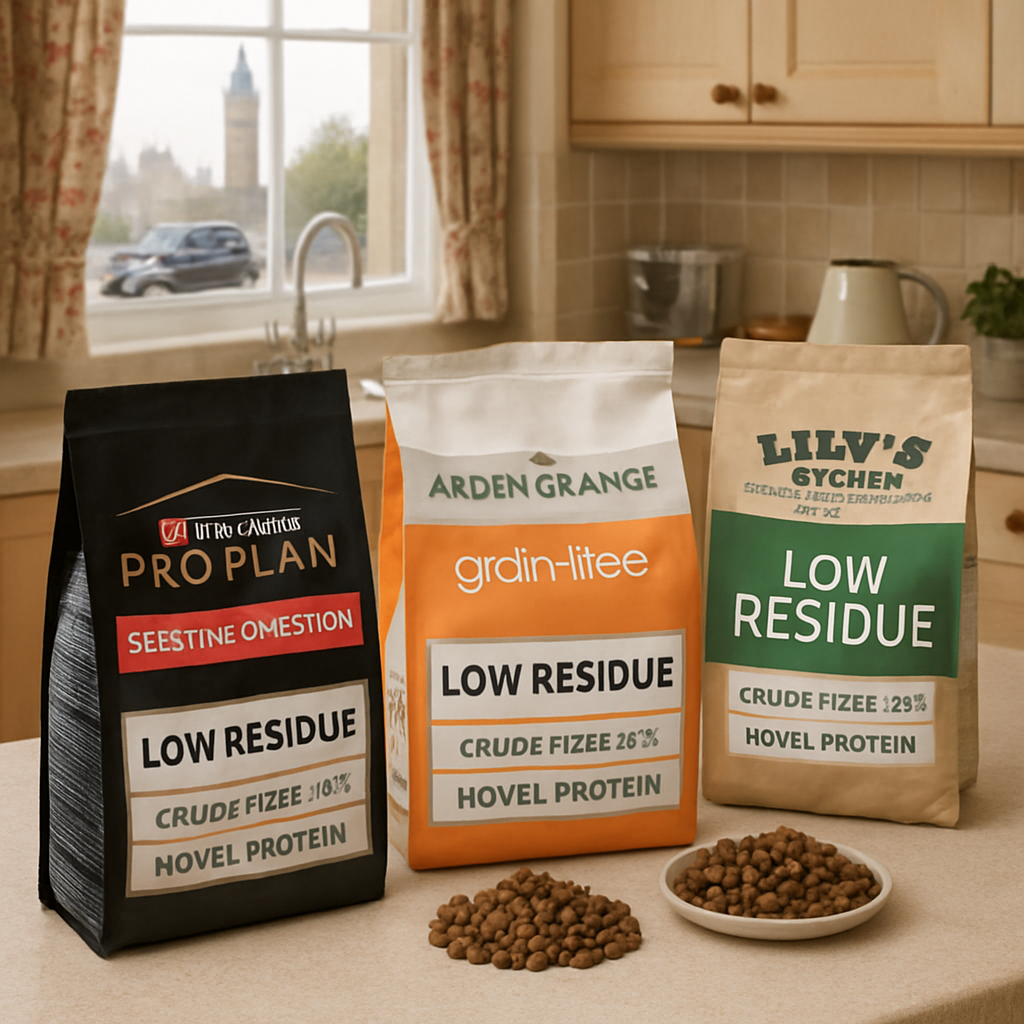
Finally, give the new food a proper trial. Follow the 7‑day transition we outlined earlier, keep a simple diary, and watch for firmer logs, steady energy, and fewer itch episodes.
| Brand | Crude Fibre | Protein % | Key Low‑Residue Feature |
|---|---|---|---|
| Purina Pro Plan Veterinary – EN Gastrointestinal | 2.5 % | 24 % | Vet‑formulated, includes medium‑chain triglycerides |
| Arden Grange Sensitive Stomach | 2.8 % | 22 % | Duck first, no legumes or whole grains |
| Lily’s Kitchen Limited Ingredient Duck & Rice | 2.9 % | 22 % | Limited‑ingredient, grain‑free but low fibre |
Practical Tips for Transitioning Your Dog to a Low Residue Diet
So you’ve picked a low residue dog food uk formula and you’re ready to make the swap – but the thought of upsetting your pup’s tummy makes you pause. Trust me, you’re not alone; a gentle, step‑by‑step approach is the secret sauce.
1. Do a quick inventory of the current diet
Grab the bag you’re feeding now and jot down the first five ingredients, the crude fibre percentage and any known allergens. This snapshot lets you compare directly with the new low‑residue label and spot any big jumps in protein or drops in fibre.
2. Plan a 7‑ to 10‑day transition schedule
Day 1‑3: Mix 75 % of the old kibble with 25 % of the low residue option. Keep the bowl size the same so your dog isn’t confused by a larger portion.
Day 4‑6: Flip the ratio to 50‑50. Watch the stool colour and consistency – a firmer log is a good sign.
Day 7‑9: Move to 25 % old, 75 % new. If you notice any soft stools or mild gas, linger a day or two at the current stage before moving on.
Day 10 onward: Full switch to the low residue formula.
If you prefer a visual checklist, Poppy’s Picnic outlines a comparable 10‑day transition for raw diets in a raw‑food transition guide, which you can adapt for low‑residue kibble.
This timeline mirrors the advice you’ll find in a typical “changing dog food” guide, which stresses a gradual blend to avoid digestive upset for a smooth transition.
3. Keep a simple diary
Every evening, note three things: stool texture (soft, firm, watery), energy level (playful, sluggish) and any skin changes (itching, redness). A quick tick‑box sheet works wonders and saves you from vague recollection later.
4. Adjust water intake
Low residue kibble often contains slightly less moisture than a wet or raw diet, so encourage fresh water. A shallow bowl in a quiet corner can make it more inviting, especially if your dog is nervous about the new food.
5. Use a short “reset” meal if needed
If you hit a setback – say a day of loose stools – revert to the previous step for another 24‑48 hours before progressing. Consistency beats speed when the gut is still finding its rhythm.
6. Pair the diet change with an at‑home intolerance test
Even a perfectly low‑residue formula might hide a hidden trigger. Our own at‑home test can pinpoint sensitivities to dairy, specific proteins or even environmental allergens, giving you a clear “what to avoid” list. Knowing this ahead of time reduces trial‑and‑error and makes the transition smoother.
7. Watch for red‑flag symptoms
Occasional soft stools are normal, but persistent diarrhoea, vomiting, or a sudden loss of appetite warrants a vet call. Remember, the diet is a tool, not a medical cure.
8. Celebrate small wins
When you see a firmer log after day 5, give your dog an extra cuddle or a short play session. Positive reinforcement helps your pup associate the new food with good vibes.
And finally, don’t forget to double‑check the label for that crucial crude fibre ≤ 3 % figure – it’s the hallmark of a low residue dog food uk product. If the number isn’t printed, a quick call to the manufacturer will usually clear it up.
With a bit of patience, a tidy diary and the right test in hand, you’ll move from “I’m worried” to “Look how happy my dog is after every meal.”
Common Mistakes to Avoid When Feeding Low Residue Food
We’ve all been there – you spot a low residue dog food uk bag, think “this will fix everything”, and then… nothing changes. Why does that happen? Mostly because we skip a few easy steps that make the whole switch feel like a gamble.
1. Not double‑checking the fibre figure
Low residue means crude fibre ≤ 3 %. If the label is vague or the number is missing, you’re essentially guessing. A quick call to the maker or a look at the product page can save you weeks of trial‑and‑error.
2. Rushing the transition
Switching overnight is a classic mistake. Your gut microbiome needs time to adjust, and a sudden influx of a new protein can trigger the very diarrhoea you’re trying to avoid. The link between dog food and diarrhoea explains how abrupt changes are the #1 culprit for loose stools.
Our favourite schedule is a 10‑day blend: 75 % old, 25 % new for days 1‑3, then 50‑50 for days 4‑6, and so on. If you notice softer stools, pause at the current step for another day before moving forward.
3. Forgetting water
Low residue kibble can be a touch drier than a wet diet. If your pooch isn’t drinking enough, the stool can become harder or, paradoxically, looser because the gut is trying to conserve water. Keep a fresh bowl in a quiet corner and refresh it several times a day.
Mini‑checklist
- Is fresh water always available?
- Is the bowl placed away from high‑traffic zones?
- Do you add a splash of low‑salt broth for extra appeal?
4. Adding unnecessary supplements too soon
Probiotics, oils, or fibre boosters sound helpful, but they can mask the real issue. If you sprinkle a fibre supplement on top of a low residue diet, you might inadvertently push the crude fibre back over the 3 % threshold.
Save any additives for after the first two weeks, once you’ve confirmed the baseline diet is tolerable.
5. Assuming all “sensitive stomach” labels are low residue
Marketing can be sneaky. A bag may tout “gentle on the tummy” yet still contain peas, lentils or beet pulp that raise the fibre count. Always read the ingredient list – the first three should be a novel protein, a simple carb, and a modest fat.
6. Ignoring subtle red‑flag symptoms
We all know the big red alerts – vomiting, blood, lethargy. But milder signs like occasional gas, a slight drop in appetite, or a change in coat sheen are early warnings that the new food isn’t quite right. Jot them down in a simple diary; patterns emerge faster than you think.
And if those signs persist beyond a week, give your vet a call. The diet is a tool, not a cure‑all.
7. Skipping the at‑home intolerance test
Even a perfect low residue formula can hide a hidden allergen. In our experience, pairing the diet with a UK Pet Food Intolerance test narrows down the exact triggers, turning guesswork into a data‑driven plan.
When you have that clarity, you can choose a low residue dog food uk that truly matches your pet’s unique needs, rather than relying on trial‑and‑error.
Bottom line: the biggest mistakes aren’t about the brand you pick, but about the process you follow. Double‑check the fibre, transition slowly, keep water handy, hold off on extra supplements, read the fine print, watch for subtle signs, and consider an intolerance test. Nail these steps and you’ll move from “nothing’s working” to “look at that happy, steady‑log tail‑wag”.
Conclusion
If you’ve made it this far, you probably know that picking the right low residue dog food uk isn’t just about a catchy label – it’s about giving your furry friend a calmer gut and a brighter mood.
Remember the simple checklist: crude fibre ≤ 3 %, novel protein first, and no hidden legumes in the top five ingredients. When you match those basics with a slow 7‑day transition, most dogs start showing firmer stools and steadier energy within two weeks.
But what if the gut still feels off? That’s where a quick at‑home intolerance test can shine. In our experience, owners who pair the test with their low residue choice spot hidden triggers – dairy, a specific grain, even a scent on a walk – and can tweak the diet without endless trial‑and‑error.
So, what’s the next step? Grab the current bag, note the fibre percentage, and line it up against the checklist. Pick a low residue dog food uk brand that ticks the boxes, then start the gradual switch.
Keep a tiny diary for a fortnight – stool texture, playfulness, any itching. If things improve, celebrate the win with an extra walk or a favourite toy.
And if you hit a snag, don’t panic – revisit the ingredient list, double‑check the fibre, or run an intolerance test. Small adjustments often make a big difference.
Bottom line: a thoughtful approach, the right low residue formula, and a bit of data from an at‑home test can turn digestive drama into everyday comfort for you and your dog.
FAQ
What exactly is “low residue dog food uk” and how is it different from ordinary kibble?
Low residue dog food uk is a formula that keeps crude fibre under about 3 % and uses a single, novel protein plus a simple carbohydrate like rice or sweet potato. The idea is to minimise indigestible material so the gut has less work to do. Regular kibble often packs peas, beans or whole‑grain cereals that bulk up the stool and can ferment into gas, which is why the low‑residue version feels lighter on the digestive tract.
How can I be sure the bag I’m holding really is low residue?
First, hunt for the guaranteed analysis and look for crude fibre ≤ 3 %. If the number isn’t printed, a quick call to the manufacturer usually clears it up. Then scan the ingredient list – the first three should be a novel protein, a digestible carb, and a modest fat. Anything like peas, lentils, barley or beet pulp in the top five is a red flag that the product isn’t truly low residue.
Will switching to low residue dog food uk actually improve my dog’s loose stools?
Most owners see firmer logs within ten to fourteen days because there’s less fermentable fibre to draw water into the colon. It’s not a magic cure, but by removing bulk you give the gut a chance to settle. Pairing the switch with a short diary of stool texture, energy and any itching helps you spot the improvement clearly, and you can adjust sooner if things don’t change.
What’s the safest way to transition my dog onto a low residue diet?
We recommend a 7‑ to 10‑day blend. Start with 75 % old food and 25 % new for the first three days, then move to a 50‑50 mix for the next three, and finish with 25 % old, 75 % new before going 100 % low residue. If you notice softer stools at any stage, pause a day or two before moving on – the gut appreciates a gentle pace.
Do I still need an at‑home intolerance test if I’ve chosen a low residue formula?
Even the cleanest low residue kibble can hide a hidden allergen, like a trace of dairy or a specific protein that your pup reacts to. In our experience, running an at‑home intolerance test gives you a clear “what to avoid” list, so you can fine‑tune the diet without endless trial‑and‑error. It’s a small extra step that often speeds up the road to steady stools.
Are there any risks or side‑effects I should watch for?
Because the fibre is low, some dogs may initially experience a slight dip in stool bulk, which can feel like a softer poo for a day or two – that’s normal during the transition. Keep fresh water handy and avoid adding extra fibre supplements until the gut has settled. Persistent diarrhoea, vomiting or a sudden loss of appetite should prompt a vet call, as the diet is a tool, not a substitute for professional care.
Which ingredients should I avoid when hunting for low residue dog food uk?
Steer clear of peas, beans, lentils, chickpeas, whole‑grain cereals (like barley, wheat or oats) and beet pulp in the top five ingredients. These are the usual culprits that raise the fibre count. Instead look for a novel protein such as duck, venison or salmon, a simple carb like rice or sweet potato, and a modest amount of animal‑derived fat. When the label checks those boxes, you’re likely on the right track.


Leave a Reply
Want to join the discussion?Feel free to contribute!