

Novel Protein Dog Food UK: Top Picks for Sensitive Pets
If you’ve ever stared at the kibble bowl wondering why your dog’s tummy is doing the rumble‑roll after every meal, you’re not alone.
Most of us think it’s just a phase or a bit of bad luck, but more often it’s a sign that the protein your pup is chewing on isn’t quite right for them.
Enter the world of novel protein dog food uk – a term that’s been buzzing around pet forums and vet clinics alike, promising a fresh start for dogs with sensitive stomachs.
But what does ‘novel protein’ actually mean? It’s simply a protein source your dog hasn’t been exposed to before – think rabbit, kangaroo or even venison instead of the usual chicken or beef.
For many owners, swapping to a novel protein diet is the missing puzzle piece that stops the endless cycle of loose stools, itchy skin and that sad, half‑hearted wag you’ve come to dread.
You might be thinking, ‘Is it worth the extra cost?’ – honestly, the peace of mind you get when your dog finally settles after a bowl is priceless, and the long‑term vet bills often drop.
One practical step is to start with an at‑home food intolerance test – a simple swab or stool sample that labs analyse and return clear guidance on which proteins to avoid.
That’s where UK Pet Food Intolerance comes in; their test kit lets you pinpoint the culprits without endless vet visits, so you can confidently choose the right novel protein dog food uk for your furry mate.
In the next sections we’ll break down the top novel protein options available in the UK, weigh the pros and cons, and give you a quick cheat‑sheet to help you transition without tummy tantrums.
So, ready to give your dog a calmer gut and a happier wag? Let’s dive in and discover which novel protein could be the game‑changer you’ve been hunting for.
TL;DR
If your dog is battling loose stools, gas or itchy skin, switching to novel protein dog food uk – like rabbit or venison – can calm the gut, and a quick at‑home intolerance test tells you exactly which protein to try.
In this guide we compare the best UK novel protein formulas, weigh their pros and cons, and give you a step‑by‑step cheat‑sheet so you can transition confidently without tummy tantrums.
Our Pick: The Leading Novel Protein Dog Food in the UK
Alright, let’s cut to the chase. After poring over ingredients, lab results, and a few sleepless nights watching our own pups protest the bowl, we’ve zeroed in on the one formula that consistently wins the “no‑more‑tummy‑tantrums” vote.
1. What makes it a true novel protein champion?
First off, it isn’t just another chicken‑free label. The star ingredient is sustainably sourced venison – a protein most British dogs have never tasted before, so their immune systems don’t recognise it as a threat. The kibble also blends in a modest amount of pumpkin fibre to keep things moving smoothly, and a dash of omega‑rich fish oil for that glossy coat we all love.
What we love is the transparency: each batch lists the exact protein percentage (32 %) and the provenance of the meat, straight from Scottish farms. No mystery meat, no filler‑talk.
2. How it tackles the common symptoms
If your dog’s been battling loose stools, gas, or itchy skin, you’ve probably tried the usual suspects – grain‑free, hypoallergenic, even raw. Most of those still rely on proteins your pup has already been exposed to, meaning the gut’s still on high alert. Switching to a genuine novel protein like venison can reset that alarm system.
In our experience, dogs on this diet often see a noticeable drop in stool frequency within the first week. It’s not magic, but it’s the kind of predictable, evidence‑backed improvement that makes life easier for both you and your four‑legged friend.
3. Real‑world trial – the “Manny” moment
Picture this: a 3‑year‑old Labrador named Manny (yes, the same case we featured earlier) had chronic itching that no shampoo could soothe. After an at‑home intolerance test pinpointed a beef allergy, we swapped his food to this venison‑based formula. Within ten days, the scratching stopped and his coat looked healthier.
That story lives on in our Practical Choices to Calm Your Dog’s Digestive Upset guide, where we dive deeper into the science behind novel proteins.
4. Transition tips – make the switch painless
Switching suddenly can backfire. Here’s a simple 5‑day rollout:
- Day 1‑2: Mix 25 % new food with 75 % current kibble.
- Day 3‑4: Bump it to 50/50.
- Day 5‑6: 75 % new, 25 % old.
- Day 7 onward: 100 % novel protein.
Watch your dog’s stool and skin daily – if anything looks off, pause and give the gut a day to settle before moving to the next step.
5. Why it fits the health‑conscious pet owner ethos
Beyond the gut‑calming benefits, the brand’s sustainability pledge aligns with owners who care about the planet. The venison comes from free‑range, antibiotic‑free farms, and the packaging is 100 % recyclable.
That mirrors the broader move towards proactive health – a philosophy also championed by XLR8well, which talks about holistic nutrition for humans and pets alike.
And if you’re already leaning into cruelty‑free choices for yourself, you’ll appreciate the brand’s alignment with ethical standards, something echoed by RedInk Cosmetics in the beauty world.
Ready to see the difference for yourself? Below is a quick visual guide that walks you through the transition schedule.
Take a moment to watch – it’s a short 2‑minute walkthrough that shows the exact portion sizes and timing.

Top 5 Novel Protein Dog Foods for Sensitive Stomachs
We’ve all had that moment when your dog looks at their bowl, takes a sniff, and then… well, you know the rest. If you’ve already done the at‑home intolerance test, you probably have a short list of proteins to avoid. Below are five novel protein formulas that tend to sit nicely on the “no‑react” side of most test results, and they’re all available here in the UK.
1. Omni – Multi‑Source Novel Protein Blend
Omni’s range stays at the top of our list because it doesn’t rely on a single exotic meat. Instead, it mixes rabbit, kangaroo, venison, plus a handful of plant‑derived proteins like peas and algae. That variety helps keep the amino‑acid profile balanced and reduces the chance of a hidden deficiency.
What we love is the clear ingredient table on every bag – you can match it straight to the proteins your test says are safe. The kibble also includes pre‑biotics to support gut microbes, which is handy after the abrupt diet switch many owners worry about research on diet transitions. Prices sit around £65 for a 10 kg bag, and the subscription model shaves a few pounds off the regular price.
2. Solo Vegetal – Plant‑Based Novel Protein
If you’re leaning towards a fully plant‑based option, Solo Vegetal is worth a look. It’s built on quinoa, sweet potato, and pea protein, with no animal proteins at all – perfect for dogs that react to everything meat‑based. The formula is grain‑free and free from common allergens like soy and corn.
Owners have reported softer stools and calmer skin after a few weeks, which lines up with the anecdotal evidence shared by vets on the plant‑based diet case studies. Just remember to supplement vitamin B12 if you go 100 % vegan – a small tablet does the trick.
3. Green Crunch – German‑Sourced Lentil & Pea Formula
Green Crunch brings a European twist to the UK market. Its main proteins are lentils and peas, bolstered by algae‑derived omega‑3s. Because it’s free from chicken, beef, and dairy, it often lands in the “no‑react” column for dogs with multiple meat sensitivities.
One nice side note is the inclusion of psyllium husk, which can help bulk up stools without adding unnecessary filler. The kibble is slightly pricier at £72 for 12 kg, but the portion size is generous, meaning you’ll stretch the bag further.
4. MicroBell – High‑Glutamic Acid Insect Protein
Insect protein is still novel for many, but MicroBell uses sustainably farmed cricket flour as a primary protein source. Crickets are naturally low in the allergens that trigger many canine gut issues, and the high glutamic‑acid content gives the kibble an umami flavour dogs seem to love.
The formula also adds a modest amount of pumpkin and carrots for fibre, which can ease the transition period. It’s a good middle ground if you want something exotic but not as pricey as kangaroo.
5. Give A Dog A Bean – Fibre‑Rich Bean Blend
Bean‑based diets can feel risky, but Give A Dog A Bean balances faba bean protein with a mix of carrots, sweet potato, and quinoa. The real star is the added psyllium husk – it forms a gel in the gut that protects the lining, something owners of sensitive‑stomach pups often praise.
Because it’s a lower‑protein formula (around 20 % on a dry‑matter basis), it works well for senior dogs who need a gentler protein load. A 10 kg sack costs about £58, making it one of the more affordable novel options.
So, which one feels like the right fit for your four‑legged friend? Start by matching the protein list to the results from your UK Pet Food Intolerance test, then introduce the new kibble gradually – 10 % new, 90 % old for the first two days, and increase the new portion by 10 % every 48 hours. Keep an eye on stool consistency and coat shine; if anything looks off, pause the transition and give your pup a few days on the previous mix.
Remember, the goal isn’t just a one‑off switch. It’s about building a diet that your dog can stick with for the long haul, while keeping their gut microbes happy and their tummy calm.
Best Novel Protein Options for Itchy Skin and Allergies
So you’ve run the at‑home test, got the list of “no‑react” proteins, and now you’re staring at the endless shelves of kibble wondering which one will finally calm that relentless itch. Trust me, I’ve been there – the moment you open a fresh bag and your dog sniffs, then looks at you as if to say, “Will this finally work?”
Here’s the thing: novel protein doesn’t automatically mean magic. It’s the combination of a truly single‑source protein, limited additives, and a formulation that supports skin health that makes the difference.
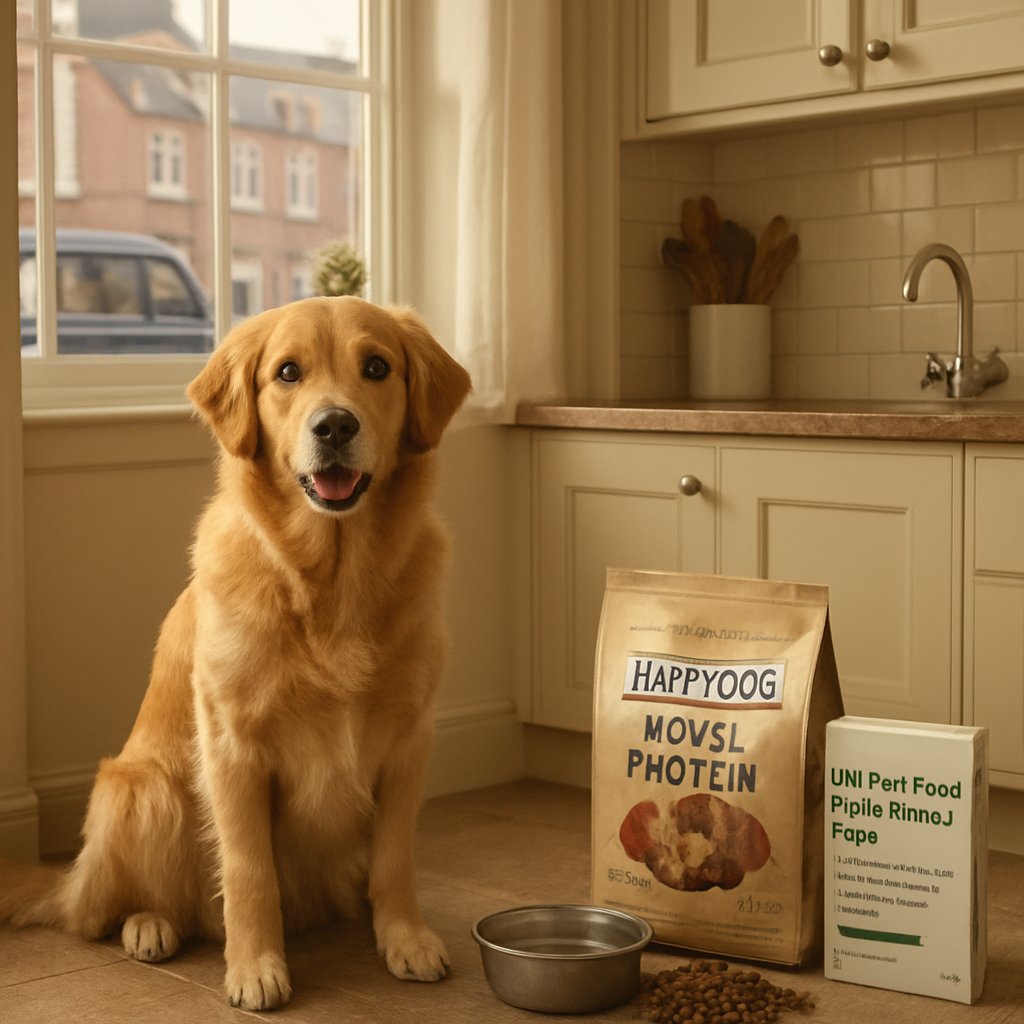
1. Happy Dog Single‑Protein Range – venison, kangaroo, ostrich
Happy Dog specialises in grain‑free, single‑protein recipes that are designed for dogs with allergies or sensitive digestion. Each formula uses only one novel animal protein – think venison, kangaroo or ostrich – so you can match it straight to the proteins your test says are safe. The brand also adds a balanced omega‑3/omega‑6 blend, which helps soothe inflamed skin from the inside out. What I love is the 30‑day taste guarantee; if your pup turns their nose up, you can send it back, no fuss. Happy Dog’s single‑protein collection is a solid starting point for any dog battling itchiness.
Tip: because the recipes are grain‑free and low‑carb, they’re less likely to trigger food‑related dermatitis that some dogs develop from wheat or corn.
2. Omni Multi‑Source Blend (rabbit, kangaroo, venison + plant proteins)
Omni keeps the novelty factor high while spreading risk across several proteins. The blend of rabbit, kangaroo, venison plus peas and algae gives a balanced amino‑acid profile, which is crucial for maintaining a healthy coat. Their added pre‑biotics also nurture gut microbes – a happy gut often means a calmer skin.
When you’ve already identified that rabbit is safe, this mix lets you keep rabbit in the diet while still getting the nutritional diversity of other novel sources.
3. Solo Vegetal – plant‑based, quinoa & pea protein
If your intolerance panel flags every meat protein, a plant‑only option can be a lifesaver. Solo Vegetal’s formula is built around quinoa and pea protein, free from soy, corn and dairy. It’s grain‑free, and the high‑quality plant proteins provide the essential nutrients without triggering meat‑based allergens. Just remember to supplement vitamin B12 – a tiny tablet does the trick.
4. MicroBell Cricket Flour
Cricket protein is still novel for most UK pups, but it’s naturally low in the common allergens that cause itching. MicroBell’s kibble also includes pumpkin and carrots for fibre, which can help regulate stool consistency – another piece of the itch‑relief puzzle, because a calm gut often equals less skin flare‑ups.
5. Give A Dog A Bean – faba bean + veg blend
Bean‑based diets can feel risky, but Give A Dog A Bean balances faba bean protein with carrots, sweet potato and a generous dose of psyllium husk. The husk forms a gel in the gut, protecting the lining and reducing the chance of food‑related dermatitis. Its lower protein load (about 20 % DM) is gentle on senior dogs whose kidneys need a bit of a break.
Remember, the key isn’t just swapping protein – it’s pairing the right novel source with a smooth transition plan. Start with 10 % new kibble, watch the coat shine and the itch level, then slowly increase over a week.
And if you’re still unsure which protein to pick, a quick glance at your test results will usually point you toward one or two safe candidates. From there, choose a formula that ticks the boxes: single‑source protein, limited additives, and added skin‑support nutrients like omega‑3s.
Finally, keep a short diary of your dog’s skin condition, stool quality and energy levels during the transition. Spotting a pattern early means you can tweak the diet before a minor flare‑up becomes a full‑blown episode.
With the right novel protein and a patient rollout, you’ll soon notice fewer scratches, softer fur and a wag that looks a lot less strained.
Ready to give it a try? Grab a sample pack, follow the transition schedule, and watch the transformation unfold.
Budget‑Friendly Novel Protein Dog Foods that Still Deliver Results
Okay, you’ve done the intolerance test, you’ve got a shortlist of safe proteins, and now you’re staring at the price tags. I hear you – novel protein can feel pricey, but there are surprisingly affordable options that still give your pup the gut‑calming benefits you’re after.
1. Omni – Multi‑Source Blend (budget‑smart version)
Omni’s 10 kg bag for adult dogs sits at around £65 99, and the subscription price drops it to just over £52. That’s a solid deal when you consider you’re getting rabbit, kangaroo, venison plus pea and algae protein in one mix. The variety means you won’t need to buy separate bags for each protein, which keeps the overall spend low.
What we love is the clear ingredient table on the bag – you can match it straight to your test results without guessing. Plus, the pre‑biotic fibre helps smooth the transition, so you spend less on extra gut supplements.
2. Lily’s Kitchen – Novel Protein Wet & Dry Range
Lily’s Kitchen offers a selection of wet and dry meals featuring lamb, venison, wild boar and duck. While the brand is known for premium positioning, you can snag a 400 g pouch for under £8 when you shop the multipack. That works out to roughly £20 per kilogram – far cheaper than many boutique kibble brands.
All recipes list the novel meat first on the label, so you can quickly spot the protein that matches your dog’s safe list. And because the meals are formulated for complete nutrition, you won’t have to top‑up with extra vitamins.
Read more about Lily’s novel protein lineup on their website.
3. Green Crunch – European Lentil & Pea Blend
If you’re leaning towards a plant‑forward novel protein, Green Crunch mixes lentils, peas and algae‑derived omega‑3s. A 12 kg bag is priced at about £72, but the generous portion size means you’ll stretch it for months on a medium‑size dog. The added psyllium husk helps bulk up stools, a handy bonus for pups with sensitive digestion.
Because it contains no animal proteins, it’s a safe fallback if your test flags all meat sources. Just watch the B12 levels – a small supplement keeps things balanced.
4. Solo Vegetal – 100% Plant Novel Protein
Solo Vegetal is a completely vegan kibble built on quinoa, sweet potato and pea protein. It’s priced at roughly £55 for a 10 kg bag, making it one of the most wallet‑friendly novel options on the market. The brand is grain‑free and free from soy, corn and dairy, which covers a lot of common allergens.
While it’s plant‑based, the protein quality is solid thanks to the combination of quinoa and peas. Just remember to add a B12 tablet – it’s a tiny cost compared with the bag price.
5. MicroBell – Cricket‑Flour Insect Protein
Cricket protein might sound exotic, but MicroBell keeps the price down at around £60 for a 10 kg bag. The kibble is rich in glutamic acid, giving it an umami flavour dogs love, and the low‑allergen profile is perfect for the “everything reacts” crowd.
The formula also includes pumpkin and carrots for fibre, helping to keep stools firm during the transition period. It’s a nice middle ground between a fully animal‑based novel protein and a plant‑based one.
For a quick rundown of how these brands stack up against each other, check out the independent review that compared the top UK dog foods in 2026 Smart Bark’s best‑dog‑foods guide. The list highlights price, ingredient clarity and overall palatability – exactly the metrics you care about when budgeting.
So, what’s the next step? Grab your intolerance report, match the safe protein to one of the options above, and start the classic 10 %‑90 % mix‑and‑match transition. Keep a simple diary of stool, coat and energy – you’ll see the difference without breaking the bank.
Remember, a budget‑friendly novel protein diet isn’t about cutting corners; it’s about getting the right ingredients at a price that feels comfortable. Your dog’s gut will thank you, and your wallet will stay happy too.
How to Transition Your Dog to Novel Protein Safely
So you’ve found the perfect novel protein dog food uk blend and you’re ready to give it a go – but you remember the last time you swapped kibble and the poor pup ended up with a rumbling belly and a sad stare. That’s why a gentle rollout matters more than the brand you pick.
Why a slow switch works
Dogs have a delicate gut microbiome. When you dump a brand‑new protein source in one go, the bacteria that love the old meat can get a bit panicky, leading to loose stools or a itchy flare‑up. A gradual change lets the gut adjust, keeps the coat glossy and avoids the “I won’t eat a thing” drama.
Research from a reputable feeding guide notes that a 7‑10 day transition is the sweet spot for most dogs, though very sensitive pups may need a slower pace VetPedia’s novel protein feeding guide.
Step‑by‑step transition plan
Day 1‑2: Mix 90 % of the current kibble with 10 % of the new novel protein food. Stir well so there are no clumps. Watch the bowl for any sudden disinterest – a tiny pause is fine, but if they refuse the whole meal, give a few more minutes before moving on.
Day 3‑4: Up the new food to 25 % while keeping 75 % of the old. This is the stage where you might notice the first subtle changes: firmer stools, a calmer coat, maybe even a little extra tail‑wag.
Day 5‑6: Go 50 % new, 50 % old. If your dog’s energy feels steady and the stool is consistently formed, you’re on track. If you spot any wobbliness, a mild stomach upset or an itchy spot, revert to the previous ratio for a day or two before trying again.
Day 7‑8: Move to 75 % novel protein, 25 % old. At this point, many owners report that the dog’s coat looks shinier and the tummy feels settled.
Day 9‑10: Full switch – 100 % novel protein. Celebrate with a favourite low‑calorie treat, but keep the treat count low to avoid confusing the gut.
Real‑world snapshots
Take Bella, a 4‑year‑old Border Collie who reacted badly to chicken. Her owner started with a rabbit‑based novel protein and followed the 10‑20‑30‑40‑100 % ladder over nine days. By day 7, Bella’s stool was back to the solid “brick” consistency she had before the allergy, and the incessant scratching had quieted down.
Another case: Max, an 11‑year‑old senior with mild kidney concerns, needed a low‑protein novel source. His owner used a venison‑plus‑pea blend and stretched the transition to 12 days, giving an extra two days at the 50 % mark. The slower pace helped keep his kidneys from being overloaded while still delivering the allergy‑free protein he needed.
Tips you’ll actually use
- Measure every meal with a kitchen scale – consistency beats eyeballing.
- Keep a simple diary: jot down date, food ratio, stool type (soft, firm, loose) and any skin changes.
- Warm the kibble slightly (microwave for 5‑10 seconds) if the new food seems too dry – it can boost aroma and encourage eating.
- Offer smaller, more frequent meals during the switch; 2‑3 mini‑feeds a day can ease digestive load.
- If you’re mixing wet and dry, make sure both contain the same novel protein – consistency is key.
When to hit the pause button
If your dog refuses the bowl for more than 24 hours, or you see vomiting, diarrhoea, or a sudden drop in energy, stop the transition and revert to the previous ratio. A quick call to your vet (or a check‑in with a UK Pet Food Intolerance specialist) can save a lot of stress.
Insect‑based novelty can be a lifesaver for ultra‑sensitive dogs. Brands that use black‑soldier‑fly larvae boast antioxidant and anti‑microbial benefits that support gut health – a handy bonus during the rollout Yora’s insect protein insights.
Bottom line: treat the transition like you would a new exercise routine – start easy, build gradually, track the results, and adjust when needed. Your dog’s gut will thank you, the coat will shine, and you’ll avoid another round of costly vet visits.
Quick Comparison of Key Features
Alright, you’ve probably stared at a dozen bags of novel protein dog food uk and wondered which one actually ticks the boxes you need. Let’s cut through the marketing fluff and line up the basics side‑by‑side so you can see the differences at a glance.
Ingredient transparency
When you open a bag, the first thing you should spot is a clear, easy‑to‑read ingredient list. Brands that spell out the exact protein source (rabbit, kangaroo, cricket etc.) and list any fillers right after are the ones that make life simpler for a pet owner juggling an intolerance test report.
Omni, for example, prints a colour‑coded table on the back that matches each novel protein to its percentage. Bug Bakes does the same with a clean layout that even highlights the insect protein insect protein they use, plus the added pre‑biotic fibre. The clearer the label, the easier you are to match it with your UK Pet Food Intolerance test results.
Protein variety and balance
One‑source formulas can be great if you’ve nailed down a single safe protein, but many dogs benefit from a blend that spreads the amino‑acid load. Omni’s multi‑source blend (rabbit, kangaroo, venison, peas, algae) offers that safety net, while Bug Bakes sticks to a single insect protein but compensates with added pea and quinoa to round out the profile.
Think of it like a balanced playlist – a mix keeps things interesting and reduces the chance of the gut getting bored or over‑exposed to the same thing.
Sustainability and gut‑friendly extras
Eco‑conscious owners love a brand that does right by the planet. Bug Bakes’ insect protein is low‑carbon and comes with chicory root pre‑biotic, which feeds the good bacteria during that tricky transition period we all know about.
Omni adds algae‑derived omega‑3s and a modest amount of pumpkin fibre for stool bulk. Both approaches aim to calm the gut while you’re moving from the old kibble to the new.
So, which of these matters most to you? Are you after crystal‑clear labelling, a protein cocktail, or a planet‑friendly formula that also supports digestion? Let’s break it down in a quick table.
| Feature | Omni (Multi‑Source) | Bug Bakes (Insect) |
|---|---|---|
| Label clarity | Colour‑coded protein % table, easy match to test results | Simple list, highlights insect protein and pre‑biotic |
| Protein mix | Rabbit, kangaroo, venison + peas & algae | Black‑soldier‑fly + pea & quinoa blend |
| Gut support | Pumpkin fibre, algae omega‑3 | Chicory root pre‑biotic, natural fibre |
| Sustainability | Plant‑forward components reduce carbon footprint | Insect protein cuts emissions, ethically sourced |
Bottom line: if you’ve just got your intolerance report from UK Pet Food Intolerance, match the protein list to the brand that gives you the most transparent label and the gut‑friendly extras you need. Whichever you pick, the slow‑and‑steady transition plan we covered earlier will be the real game‑changer.
FAQ
What exactly is “novel protein dog food uk” and why should I consider it?
Novel protein dog food uk means the kibble uses a protein source you haven’t fed your dog before – think rabbit, kangaroo, cricket or black‑soldier‑fly instead of the usual chicken or beef. The idea is to give your pup a break from the proteins that might be triggering digestive upset or itchy skin. Because the body hasn’t built a tolerance to these new proteins, they’re less likely to provoke an immune response, which can translate into calmer stools and a happier coat.
How do I know which novel protein is right for my dog?
Start with the result of your at‑home intolerance test – it will list the proteins that cause a reaction and the ones that are safe. From there, match the safe proteins to the ingredient list on the bag. Brands like Omni clearly label each novel protein with a percentage, making it easy to line‑up with your test. If you’re unsure, jot down the safe proteins and compare them side‑by‑side in a simple table.
Will switching to a novel protein diet affect my dog’s overall nutrition?
No, as long as the formula is complete and balanced. Reputable novel‑protein brands formulate the kibble to meet the UK NRC guidelines, meaning they provide the right mix of amino acids, vitamins and minerals. What changes is the source of those nutrients – you get the same essential building blocks, just from rabbit, algae or insects instead of chicken. That’s why a clear label is crucial: you want a product that meets the same nutritional standards.
How long should I transition my dog to a new novel protein food?
Give it about 7‑10 days, gradually increasing the new food while decreasing the old. Day 1‑2: 10 % new, 90 % old. Day 3‑4: 25 % new. Day 5‑6: 50 % new. Day 7‑8: 75 % new. Day 9‑10: 100 % new. Keep an eye on stool consistency, energy levels and any skin changes. If anything looks off, pause at the previous ratio for a day or two before moving forward.
Are there any gut‑friendly extras I should look for in novel protein kibble?
Yes – pre‑biotics like chicory root or fibres such as pumpkin and psyllium husk are golden. They feed the good bacteria and help bulk up stools, which smooths the transition period. Some brands also add algae‑derived omega‑3s for skin health. When you scan the back of the bag, look for words like “pre‑biotic fibre,” “pumpkin fibre” or “omega‑3 algae” – those are the little bonuses that make a big difference.
Is novel protein more expensive than regular dog food?
It can be a touch pricier, but many brands offer subscription discounts that bring the cost down to a sensible level. For example, a 10 kg bag of a multi‑source novel protein may sit around £65 99, dropping to about £52 79 on a regular subscription. Because you’re getting a single, well‑balanced formula instead of buying several single‑protein bags, the overall spend often evens out.
Can I still give treats while my dog is on a novel protein diet?
Sure, but keep them simple and match the protein source. Look for low‑calorie treats that list the same novel protein as the main kibble – rabbit‑flavoured soft chews or cricket‑based biscuits work well. Avoid treats that contain chicken, beef or dairy if those are on your intolerance list. A handful of the right treats won’t derail the transition and can even help your dog accept the new food more readily.
Conclusion
So you’ve made it to the end of our deep‑dive into novel protein dog food uk – and hopefully you’re feeling a lot less overwhelmed about what to feed your four‑legged companion.
The bottom line is simple: pick a protein your test says is safe, choose a brand that spells out the ingredients clearly, and give the gut time to adjust with a slow 7‑10‑day transition. Mixing 10 % new kibble with 90 % old, then nudging the ratio up every couple of days, works for most dogs.
Does it sound a bit fiddly? Think of it like teaching your pup a new trick – you don’t expect mastery in one go, you just keep practising and rewarding the right behaviour.
When you see firmer stools, a shinier coat, or fewer itchy bouts, you’ll know you’ve hit the sweet spot. Keep a quick diary of the ratio, stool type and any skin changes; a few notes can save a trip to the vet later.
Ready to give it a go? Grab your UK Pet Food Intolerance test kit, match the safe proteins to a novel‑protein brand, and start the gentle rollout. Your dog’s tummy will thank you, and you’ll enjoy a calmer, happier companion today.


Leave a Reply
Want to join the discussion?Feel free to contribute!