
Cat Vomiting After Eating New Food UK: A Practical How-To Guide for Concerned Cat Owners
Lucy’s ginger tabby, Milo, has been a happy cat for years. One morning Lucy tried a new wet food she’d read about online. Milo noshed it fast. Ten minutes later he vomited a splash of foam and half‑eaten kibble onto the kitchen floor. Lucy felt worried. She wondered if the new food was the cause, or if Milo was just being picky. This is a common scene for many UK cat owners who see cat vomiting after eating new food uk and don’t know what to do next. In this guide we’ll walk through each step you can take at home, from spotting the problem to testing the food safely. You’ll learn how to change food without upsetting your cat’s tummy, what signs mean you need a vet, and how a simple at‑home test can point you toward the right diet. By the end you’ll feel more in control, and Milo will be back to his usual purrs and play.
Step 1: Recognising Vomiting After Introducing a New Food
First, you need to tell if the upchuck is linked to the new food. Look at when the vomit happens. If it’s right after a fresh bowl of the new brand, that’s a clue. According to Purina, cats may vomit because they’re eating too fast, they’re stressed by a change, or the food simply doesn’t agree with their gut. A quick check for blood, lethargy, or fever can tell you if it’s a serious issue.
What to watch for
- Vomit appears within minutes of eating.
- Food looks less digested – a sign of intolerance rather than simple regurgitation.
- Other signs: loss of appetite, diarrhea, itchiness, or weight loss.
If you see any of these, pause the new food and note the timing. A short diary helps you spot patterns. For example, Lucy wrote down that Milo vomited twice in a row after the first two days of the new wet food, but felt fine on his old dry kibble.
Next, consider how fast Milo ate. Cats that “wolf” down food often bring up whole kibble. The Purina guide suggests spreading kibble on a flat tray or using a puzzle mat to slow the pace. This can cut down on simple upchuck that isn’t food‑related.
It’s also worth checking for foreign objects. Cats love string and hair ties. If your cat chews on these, they can block the gut and cause vomiting. A quick sweep of the house for loose threads can rule this out.
Finally, talk to a vet if vomiting continues for more than a day, or if the vomit has blood. As the Dial A Vet article notes, persistent vomiting may mean the cat isn’t tolerating the new protein or there’s a deeper health issue. You can read more about the vet’s advice on Dial A Vet. Remember, a short pause and a careful watch can often solve the problem without a trip to the clinic.
Step 2: Choosing a Safer New Food for Your Cat
When you need a fresh bowl, pick a food that meets the basics of a complete cat diet. The UK Pet Food Association says a good cat food is complete, balanced, digestible, palatable, and safe. That means it has the right mix of protein, fat, vitamins, and minerals for a cat’s needs.
Key things to check
- Label says “complete and balanced” for the cat’s life stage.
- Protein source is clearly listed first – chicken, turkey, or fish.
- No artificial colours or flavours that could irritate the gut.
- Check for grain‑free or limited‑ingredient versions if your cat has a history of skin itch.
Imagine you have a cat that’s shown mild itchiness with fish foods. A limited‑ingredient diet with duck as the sole protein can be a safer swap. The same source explains that novel proteins – like rabbit or kangaroo – are less likely to trigger an existing intolerance because the cat hasn’t eaten them before.
Cost is another factor. Processed foods are not a bad word; they simply mean the nutrients are stable and safe. You can find budget‑friendly options that still meet the “complete” label. Look for UK‑based brands that list a guarantee of analysis on the packet.
Before you buy, read a few online reviews from UK owners. Real feedback can show if cats tend to eat it quickly or if the texture causes any gagging. Also, ask your vet to confirm the food meets your cat’s specific needs, especially if your cat is a kitten or senior.
Once you have a shortlist, buy a small pack and try a tiny amount mixed with the current food. This gradual introduction helps avoid a repeat of the cat vomiting after eating new food uk scenario.
Step 3: Managing the Transition and Immediate Home Care
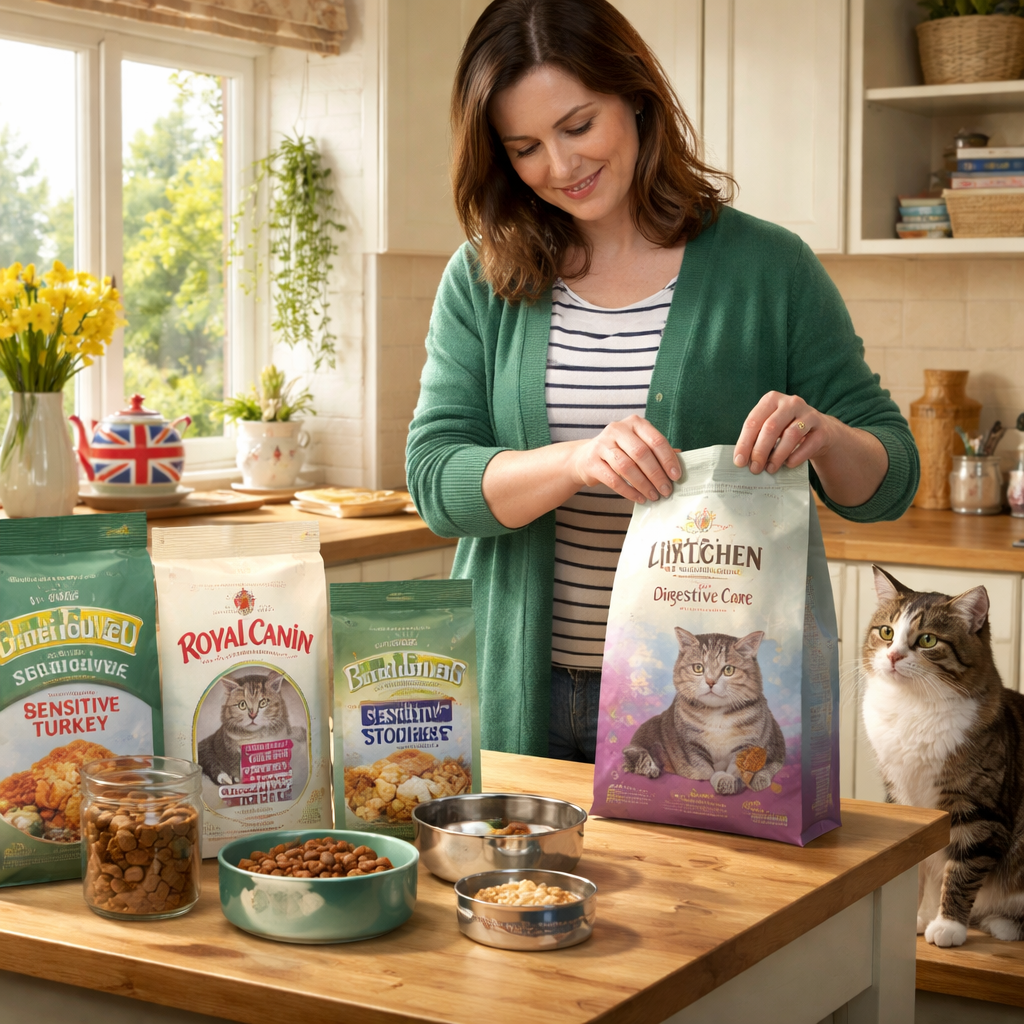
Now you have a safer food in hand. The goal is to shift slowly, keep your cat calm, and watch for any upchuck. Start by mixing 10% of the new food with 90% of the old, then increase the new portion by 10% each day. This 7‑10 day plan is recommended by both Cats Protection and the Purina article.
Day‑by‑day guide
- Day 1‑2: 90% old, 10% new. Observe appetite.
- Day 3‑4: 70% old, 30% new. Note any vomiting.
- Day 5‑6: 50% old, 50% new. Keep a diary.
- Day 7‑8: 30% old, 70% new. If all looks good, go full new.
While you’re mixing, keep fresh water always available. Some cats will drink less if they feel sick, which can lead to dehydration.
Here’s a short video that shows how to set up a slow‑feed bowl to stop fast eating, which can also cut down on vomiting:
Watch the video and try the bowl tip. If your cat still vomits after a meal, pause the transition and give a day of the previous mix. Then try again at a slower rate. Also, clean the feeding area after each meal – leftover food can attract bugs that make cats sick.
Remember the red‑flag signs: blood in vomit, repeated vomiting, or a cat that won’t drink. If any appear, stop the trial and call the vet. The transition plan is meant to be gentle, not a race.
Step 4: Red Flags and When to See a Vet
Most cats will vomit once in a while. But if you see the signs listed below, it’s time to get professional help. The PDSA guide lists several symptoms that, when paired with cat vomiting after eating new food uk, point to a bigger issue.
Warning signs table
| Symptom | Why it matters |
|---|---|
| Vomit with blood | May show a gut ulcer or serious injury. |
| Vomiting for >24 hrs | Risk of dehydration and electrolyte loss. |
| Lethargy or fever | Could be infection or systemic disease. |
| Weight loss | Indicates chronic gut trouble. |
| Persistent diarrhoea | May signal parasite or food intolerance. |
| Repeated hairball vomit | Could hide an underlying blockage. |
If any of these appear, call your vet right away. The PDSA article warns that young kittens and senior cats are especially vulnerable to rapid fluid loss.
When you speak to the vet, mention the exact time you switched foods and the brand you tried. This helps the vet decide if the reaction is likely a food issue or something else. Bring your diary notes – they show patterns the vet may miss.
In some cases, the vet may suggest an at‑home food intolerance test. That test can pinpoint which ingredients cause the upset, without replacing a full vet exam. It’s a useful tool when the cause isn’t obvious.
Until the vet appointment, keep your cat’s water bowl full, offer small meals of bland rice‑free kitten food if advised, and monitor for any change in behaviour.
Step 5: Long-Term Diet Trial and Monitoring
Once you and the vet have settled on a new diet, you’ll need a proper food trial to be sure it solves the problem. FirstVet explains that an elimination diet trial lasts 6‑8 weeks of strict feeding.
How to run a clean trial
- Only give the chosen food – no treats, no table scraps.
- Use separate bowls for each pet if you have more than one cat.
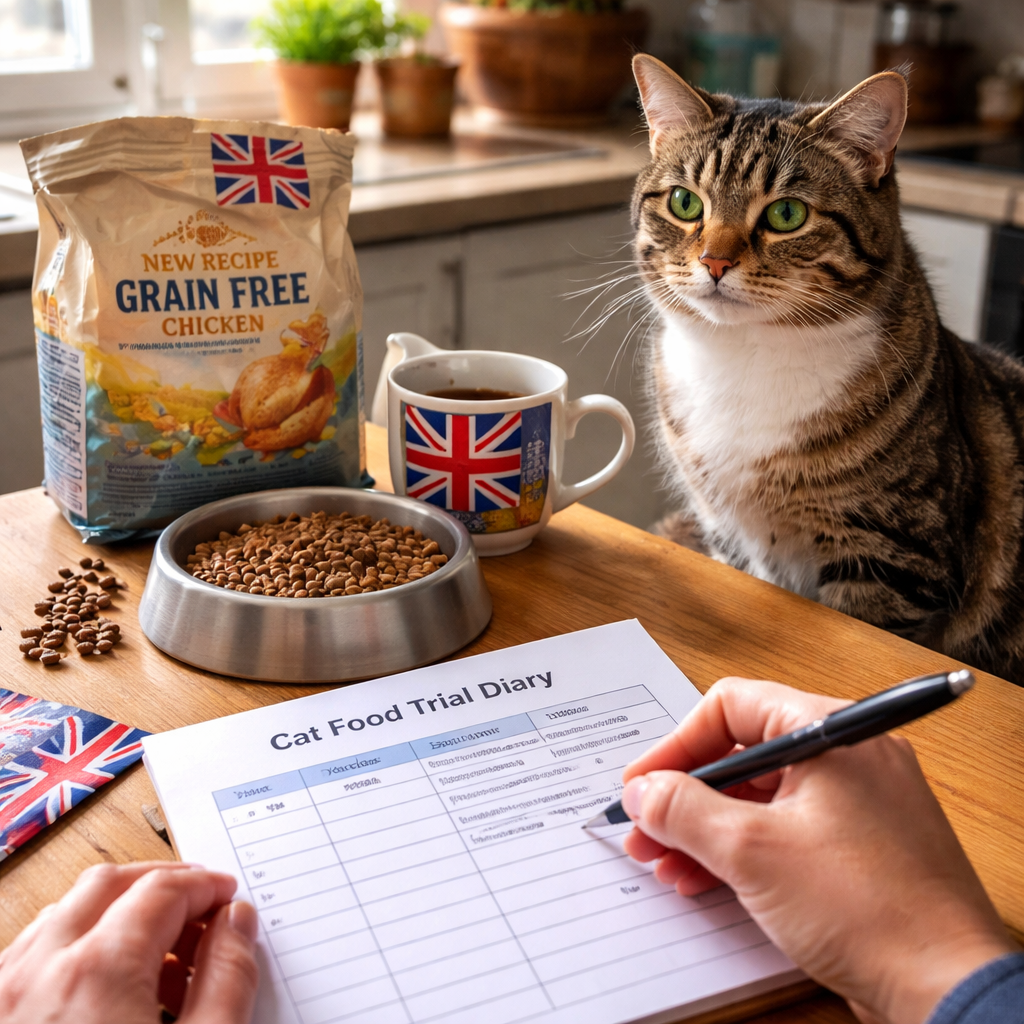
- Keep a daily log of any vomiting, itch, or stool changes.
- Buy enough food for the whole trial so you don’t run out.
- Tell friends or neighbours not to feed your cat anything else.
Why is strictness key? Even a tiny bite of the old food can trigger a reaction and spoil the trial. That’s why you may need to store the old food out of sight or discard it.
During the trial, watch for improvements. If vomiting stops after week two and stays down, that’s a good sign. If it returns, note the exact day and what you fed. This data will help the vet decide if the new food truly fits.
After the initial 6‑8 weeks, you can test the old food in a “challenge” phase for two weeks. Give a tiny spoonful once a day and watch. If vomiting reappears, the old food is likely the trigger.
When the trial ends, you’ll have a clear picture of what works. You can keep the new food for life, or use the results to guide future swaps. A simple at‑home intolerance test from a UK lab can add extra detail, showing exactly which proteins or carbs to avoid.
FAQ
What should I do the first night my cat vomits after a new food?
Give the cat a short break from the new food. Offer a small amount of the old diet or a bland, vet‑approved meal. Keep fresh water nearby and watch for any more vomit. If the cat vomits again within a few hours or looks dull, call your vet. Note the time and what was fed, as this will help the vet decide if it’s a simple upset or a sign of intolerance.
How long should I wait before I try a different brand?
Wait at least 48‑72 hours after the last vomiting episode before you swap to another brand. This gives the gut a chance to settle. During the wait, feed a bland diet and monitor stool. If the cat stays calm, you can start a new gradual transition with the next brand, using the 10‑percent‑step method described earlier.
Can I use a homemade diet for the trial?
Homemade meals can be risky because they often lack the full range of nutrients a cat needs. FirstVet warns that a complete commercial diet is safer for a trial, especially for adult cats. If you still want to try home‑cooked food, ask a vet or a pet nutritionist to design a balanced recipe and get it approved before you start.
My cat only vomits after wet food, but eats dry fine. What now?
This may point to a texture or moisture issue rather than a protein problem. Try a wet food with a different protein source or a higher quality dry food that adds moisture through a water bowl. Keep the transition slow and watch for any signs of improvement. If vomiting persists, a vet‑run intolerance test can tell you if a specific ingredient is the cause.
Is it safe to give my cat milk while it’s vomiting?
No. Most cats are lactose intolerant, and milk can make the tummy worse. Offer plain water instead. If the cat looks dehydrated, you can ask the vet about an electrolyte solution made for pets. Avoid any dairy, yoghurt, or flavored drinks until the vomiting stops and the vet gives the go‑ahead.
When should I consider an at‑home food intolerance test?
If you have tried at least two different diets, kept a strict trial for six weeks, and still see occasional vomiting, an at‑home test can help. The test looks for antibodies to common proteins and carbs. It’s not a replacement for a vet exam, but it gives you a clearer picture of which ingredients to avoid in future meals.
Conclusion
Dealing with cat vomiting after eating new food uk can feel stressful, but a careful plan makes it manageable. Spot the timing, pick a safe new brand, move slowly, and keep a close eye on any red flags. Use a diary, try a slow‑feed bowl, and don’t hesitate to call a vet if the cat looks unwell. After a solid 6‑8 week trial, you’ll know which foods keep your cat happy. If you still need help, an at‑home intolerance test from a trusted UK lab can point out hidden triggers. With these steps, you’ll give your cat a stable diet and keep those upset stomachs behind you.


Leave a Reply
Want to join the discussion?Feel free to contribute!