
How to Spot Food Allergy Symptoms in Cats UK: A Practical Guide
Imagine you’re sitting on the sofa with your orange tabby, Muffin. She’s usually calm, but today she’s scratching at her chin non‑stop and has a few tiny vomits on the carpet. You check the litter and see a soft, smelly stool. You wonder if it’s just a one‑off thing or if something in her bowl is making her feel bad. This is the kind of puzzle many UK cat owners face when they try to work out how to spot food allergy symptoms in cats uk. It can feel scary, but the steps are simple if you break them down.
In this guide we’ll walk you through four practical steps. You’ll learn what to watch for in the litter box, how to read the signs on the coat, how to run a clean‑cut food trial, and when to ring the vet. Each step is backed by UK‑based advice from vets and pet health groups. By the end you’ll have a clear plan you can start today, without jargon or guesswork.
We’ll also point you to a handy at‑home test that can give extra clues, but remember it’s not a replacement for professional care. Let’s get started on spotting those hidden food reactions.
Step 1: Observe Your Cat’s Digestive Changes
When you think about how to spot food allergy symptoms in cats uk, the gut is a good place to start. Food problems often first show up as a change in how the cat handles food.
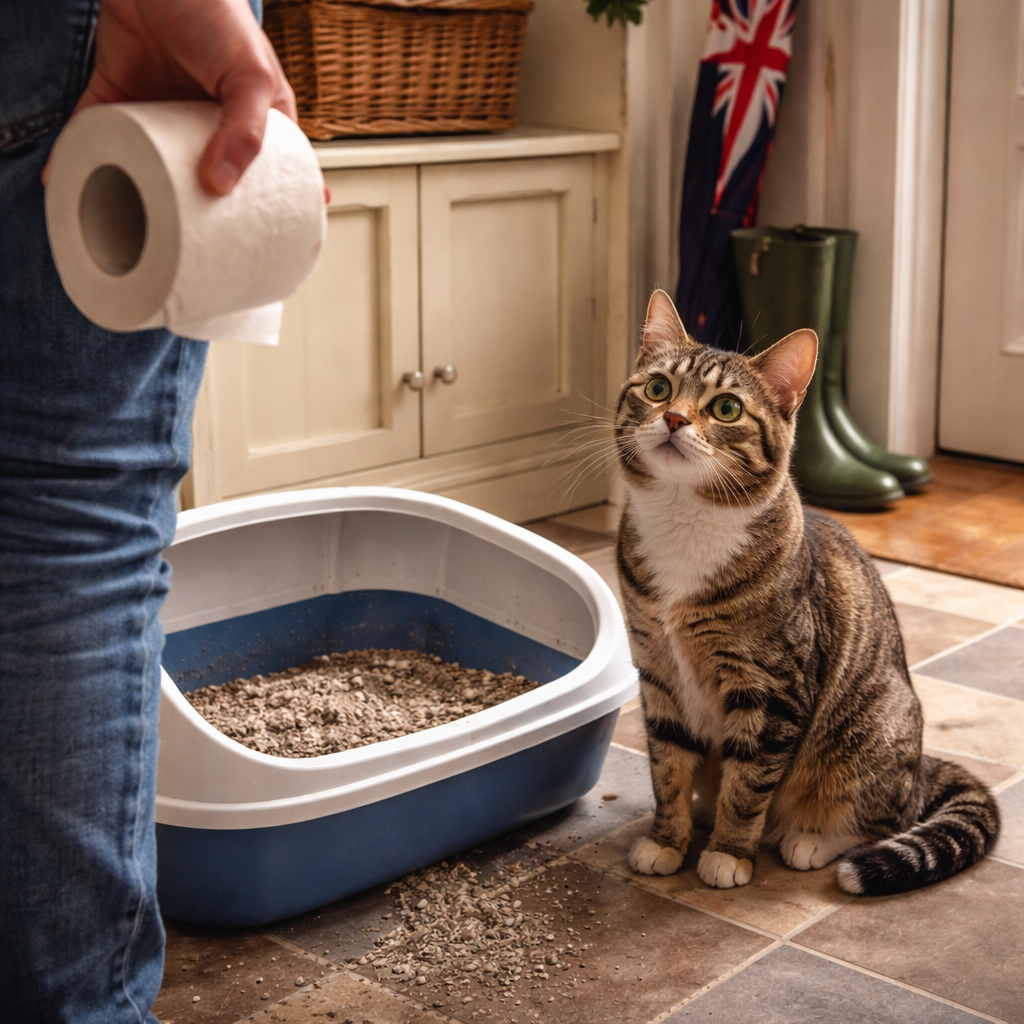
Watch the litter. Look for loose stools, a mushy texture, or a foul smell that seems new. Note if the cat has to go more often than usual. A sudden rise in vomiting, especially after a specific meal, can also be a clue.
Keep a simple diary. Write the date, what you fed, and any bathroom notes. A short table works well:
- Day 1 – Chicken dry food – No change.
- Day 2 – Tuna treat – Soft stool.
- Day 3 – No treats – Still soft.
Why does this matter? Your vet will ask for patterns. If the diary shows a clear link between a new ingredient and upset tummy, you have a strong hint that the food may be the trigger.
What to look for next?
- Frequent small vomits after meals.
- Flatulence or a bloated belly.
- Reduced appetite or picky eating.
These signs line up with the guidance from Purina’s overview of cat food allergies. The same source notes that true allergies are rare, but intolerances can still cause the gut trouble we see.
Another helpful read is the Purina article that explains why a diet trial is often needed. Knowing the basics helps you stay calm and systematic while you watch for those subtle gut clues.
Quick tips:
- Check the bowl each day for leftover bits.
- Never give table scraps without noting them.
- Use a dedicated feeding mat to keep track of spills.
Once you have a clear picture of the digestive signs, you’ll be ready to move on to the skin and coat clues.
Step 2: Look for Skin and Coat Reactions
Now that you’ve logged the gut signs, let’s talk about the coat. A lot of UK owners ask how to spot food allergy symptoms in cats uk when the cat starts itching or losing fur.
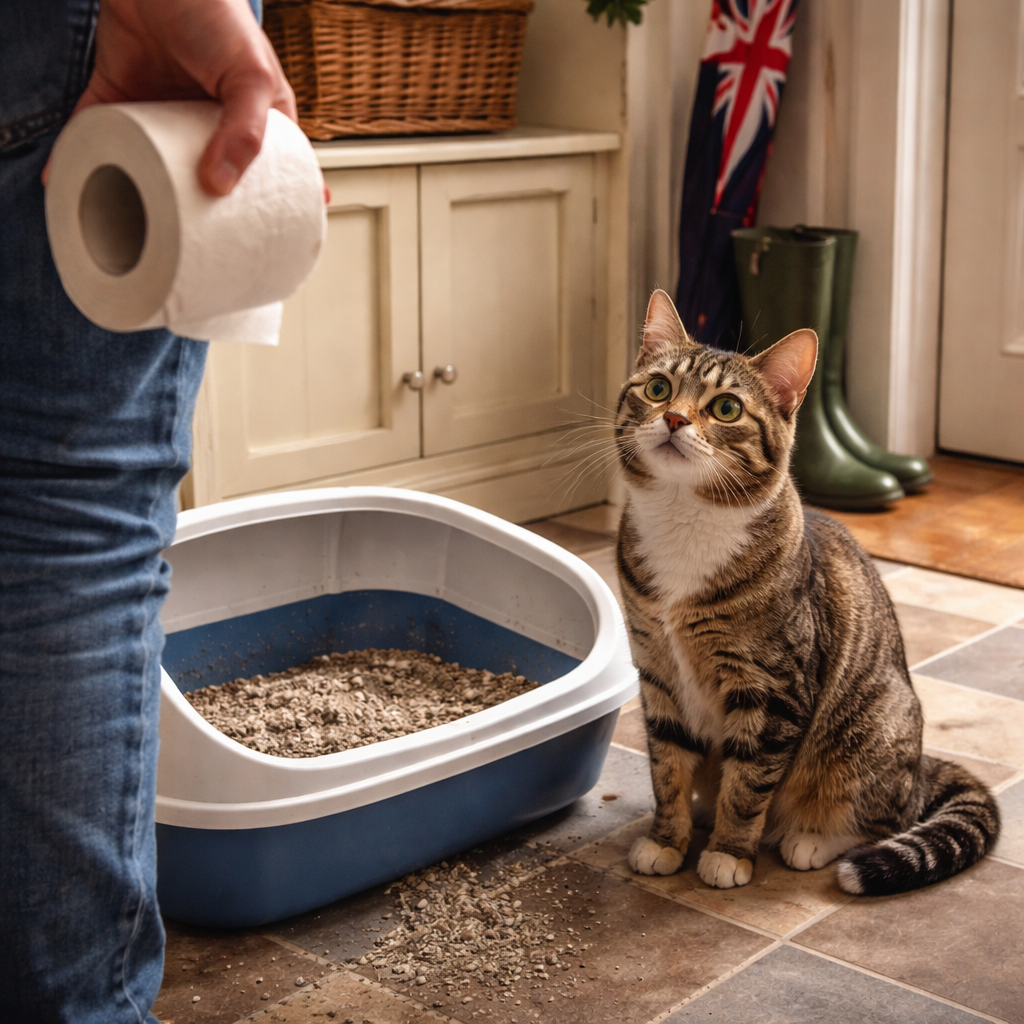
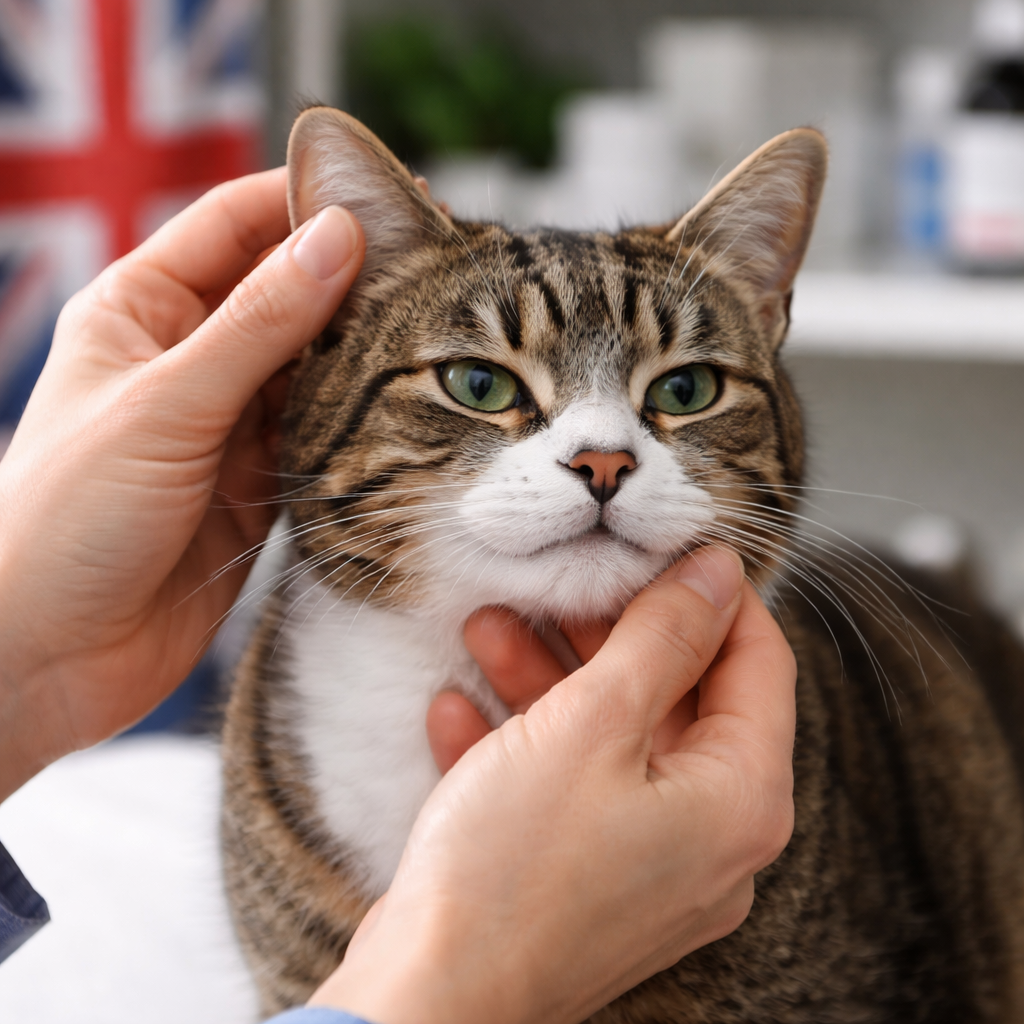
Common skin signs include red patches around the face, especially the ears, muzzle, and chin. You might see bald spots or scabs on the back or belly. Some cats will over‑groom, pulling out hair until the skin looks pink and raw.
Royal Canin explains that the immune system can mistake food proteins for a threat, causing inflammation that shows up on the skin Spotting the signs of a cat food allergy. The PDSA adds that itching can be confused with flea bites, so a vet check is wise Food allergy in cats.
Here are the main coat clues to watch for:
- Hair loss around the eyes, ears, or tail base.
- Dark, crusty patches that look irritated.
- Constant licking of paws or the belly.
- Odour from the ears or a waxy discharge.
Why do these matter? The skin is a visible window. If the cat’s coat changes after a new food is introduced, the link is easier to see than a hidden gut upset.
What to do next?
- Gently part the fur and look for redness or scabs.
- Feel the skin – is it warm or swollen?
- Take photos each day to track progress.
Remember to rule out parasites first. Flea dermatitis can look just like a food reaction, and the vet will likely treat that before moving to a diet trial.
Quick tips for coat checks:
- Use a soft brush to spot bald spots without hurting the cat.
- Check the ears for a smelly wax buildup.
- Keep a photo log on your phone for side‑by‑side comparison.
If you notice any of these signs, you’re gathering solid evidence for a possible intolerance. The next step is the elimination trial.
Step 3: Conduct a Simple Elimination Trial
Now we get to the part that many owners find tricky: how to spot food allergy symptoms in cats uk by testing a new diet. An elimination trial is the gold standard for finding the culprit.
The idea is simple. You feed the cat a single, novel protein source that it has never eaten before, and you watch for changes. The trial must be strict – no treats, no table scraps, no other cats’ food.
First, talk to your vet. They can help you pick a suitable novel protein or a hydrolysed diet. FirstVet outlines the steps in detail Food trial for cats. The same article notes that the trial usually lasts 6‑8 weeks for skin issues and 2‑4 weeks for tummy problems.
Here’s a step‑by‑step plan:
- Pick the diet. Choose a hypoallergenic commercial food or a hydrolysed formula.
- Buy enough. Stock enough for the whole trial so you don’t run out.
- Set feeding times. Offer the new food at the same times each day. Keep a diary of each meal.
- Block all other food. Ask family and visitors not to give any treats. Even a tiny bite can reset the trial.
- Watch and record. Note any vomiting, stool changes, or itching each day.
- Phase 2 – challenge. After the initial period, re‑introduce the old food in tiny amounts and see if symptoms flare.
- Phase 3 – back to the new food. If symptoms return, go back to the novel diet until they clear.
Why is the challenge phase important? It tells you whether the original food was really the cause. If symptoms pop up within a few days, you’ve likely found the trigger.
Below is a quick visual of the phases:
| Phase | Duration | Goal |
|---|---|---|
| Phase 1 | 6‑8 weeks | See if symptoms improve on a single protein. |
| Phase 2 | 2 weeks | Re‑introduce old food in tiny bits. |
| Phase 3 | 2‑4 weeks | Confirm symptoms return and then resolve. |
Remember to keep the cat hydrated with fresh water only. No milk or flavored drinks.
For more detail on the trial steps, you can also read the FirstVet guide again. It stresses the need for patience – the trial can be boring, but the payoff is a clear diet plan.
Quick tips for a smooth trial:
- Place the new bowl in a quiet spot.
- Mix a tiny bit of the new food with the old at first, then fully switch.
- Reward the cat with extra playtime, not food.
When the trial ends, you’ll have solid evidence to discuss with the vet. If the cat’s skin and gut are back to normal, you’ve likely uncovered a food trigger.
Step 4: Compare Symptoms and Decide When to See a Vet
At this stage you’ve gathered data from the litter box, the coat, and the diet trial. The big question is: how to spot food allergy symptoms in cats uk and know when a vet visit is needed?
First, line up the symptoms you saw before the trial with what changed during the trial. Use a simple comparison table:
| Symptom | Before trial | During trial | Improved? |
|---|---|---|---|
| Loose stools | Yes | Week 4 | Yes |
| Itchy chin | Yes | Week 2 | Partial |
| Vomiting | Occasional | Week 5 | No |
If most signs improve, you have a strong case that the food was the issue. If the signs stay the same, the vet may look at environmental allergies or other health problems.
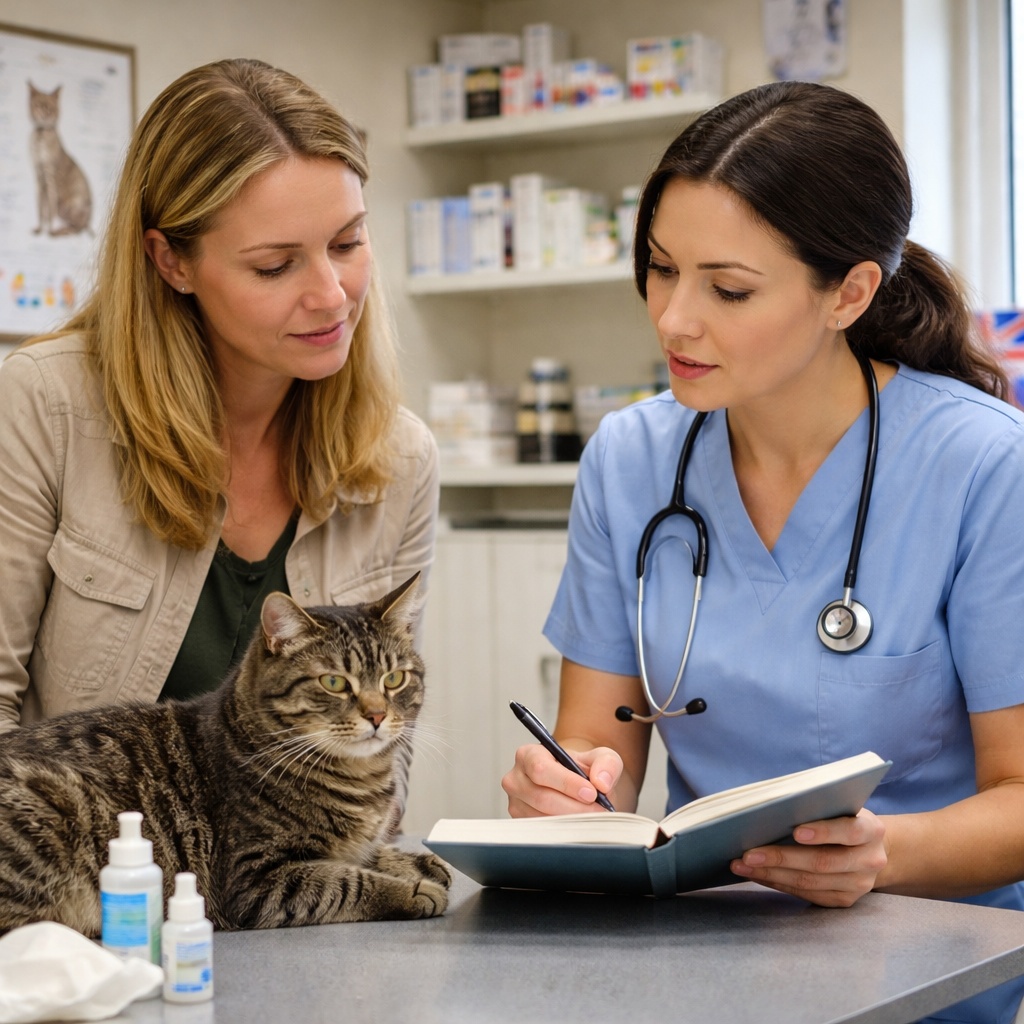
The vet will also run tests to rule out parasites or infections. As Purina notes, “symptoms aren’t usually specific, and the triggers can be inconsistent” Purina article. That’s why a professional opinion matters.
When should you call the vet?
- If the cat is losing weight fast.
- If there’s persistent vomiting for more than two days.
- If the skin looks inflamed, red, and has sores that don’t heal.
- If you notice blood in the stool or vomit.
Even if the trial looks successful, a vet can help you pick a long‑term diet that meets all nutritional needs. They’ll also advise on how to keep other cats from sneaking in the old food.
For extra guidance on diet choices, you might read the PDSA food allergy page and the Royal Canin guide. Both give practical tips on feeding and monitoring.
Quick checklist before the vet call:
- Bring your symptom diary.
- Note any foods you tried, including treats.
- Have a list of all meds or supplements the cat is on.
- Be ready to discuss the trial phases you completed.
With this plan you’ll feel confident that you’ve done everything you can at home. The vet will then add the final piece to the puzzle.
FAQ
What are the first signs that my cat might have a food allergy?
When you’re trying to learn how to spot food allergy symptoms in cats uk, the earliest clues are often a soft stool, occasional vomits, or a sudden itch around the face. You may also see the cat licking its paws more than usual. Keep a simple diary of meals and bathroom notes to catch the pattern early.
How long should an elimination trial last before I see results?
For most UK cats, a trial of 6‑8 weeks is needed for skin issues, while tummy problems can show improvement in 2‑4 weeks. The key is to give the new food 100 % of the cat’s diet during that time. If you see a clear drop in itching or looser stools after a few weeks, that’s a good sign.
Can I use treats during the food trial?
No. Treats are a common way to slip in hidden proteins that ruin the trial. Even a tiny biscuit can bring back the symptoms you’re trying to avoid. If you need to reward your cat, use extra playtime or a gentle petting session instead.
What if my cat refuses to eat the new diet?
Some cats are picky. Warm the new food slightly, or mix a tiny amount of the old food at first and then slowly increase the new proportion. If the cat still won’t eat, talk to the vet about a different novel protein or a hydrolysed formula.
How do I know if the problem is a food allergy or something else?
Look at the whole picture. Food issues often show up together in the gut and coat. If you’ve ruled out fleas, mites, and infections with a vet, and the symptoms improve on a single‑ingredient diet, you’re likely dealing with a food intolerance.
Is an at‑home test reliable for finding food allergies?
At‑home kits can give clues about which proteins your cat may react to, but they are not a medical diagnosis. Use the test results to guide a vet‑approved diet trial. It’s a helpful piece of the puzzle when you’re learning how to spot food allergy symptoms in cats uk.
Where can I find more tips on setting up a diet trial?
Check out the guide Elimination Diet Cat UK: A Practical Guide for UK Cat Owners for step‑by‑step advice. It walks you through buying the right food, keeping the cat indoor, and tracking results.
How do other pet owners manage similar issues?
Many owners share ideas on forums and blogs. For a broader view of pet health tools, you might explore How to Choose and Use an AI SEO Audit Tool in 2026. While not about cats, it shows how clear step‑by‑step guides help people solve problems.
Can I combine a food trial with other allergy tests?
Yes, but only under vet supervision. Some vets will run skin scrapings or blood work to rule out flea dermatitis or environmental allergies while you run the food trial. This dual approach can speed up the answer to how to spot food allergy symptoms in cats uk.
What should I do after the trial if symptoms return?
Return to the hypoallergenic diet until the signs fade, then discuss re‑introducing ingredients one by one with the vet. This careful re‑challenge helps pinpoint the exact protein that caused the reaction.
Are there any online resources that explain cat allergies clearly?
The Photo Booth Rental Murrieta article isn’t about cats, but it shows how a step‑by‑step guide can make a complex topic easy to follow. Look for similar structured guides from trusted UK pet sites.
How do I keep other cats from eating the trial food?
Use separate feeding rooms or a microchip‑controlled feeder. The FirstVet guide suggests feeding all cats the same new diet if possible, or keeping the trial cat indoors during meals.
What if my cat has both skin and gut symptoms?
When both appear, the trial may need a longer skin‑focused phase (up to 12 weeks). Keep a detailed diary for each symptom type. Improvement in both areas strengthens the case that the food was the cause.
Can stress affect the trial results?
Yes. A stressed cat may eat less or have looser stools unrelated to food. Keep the environment calm, and avoid sudden changes in routine during the trial period.
Where can I learn about other pet health tools?
For a look at tech tools, see Best Social Media Automation Tools for 2026: Boost Your Workflow. It’s a reminder that the right tool, even for marketing, makes a big difference.
Is there a video that walks through a food trial?
Yes, many vets post videos on YouTube. While we can’t link directly here, searching “cat food trial guide” will bring up step‑by‑step visual aids that match the process we described.
Understanding how to spot food allergy symptoms in cats uk takes a bit of detective work, but it’s worth the effort. By watching the gut, checking the coat, running a disciplined elimination trial, and knowing when to call the vet, you’ll give your cat the best chance at a happy, healthy life. If you need extra help, the at‑home test from UK Pet Food Intolerance can add useful clues, but always pair it with professional advice. Start today, keep notes, and soon you’ll see the difference a proper diet can make.


Leave a Reply
Want to join the discussion?Feel free to contribute!