
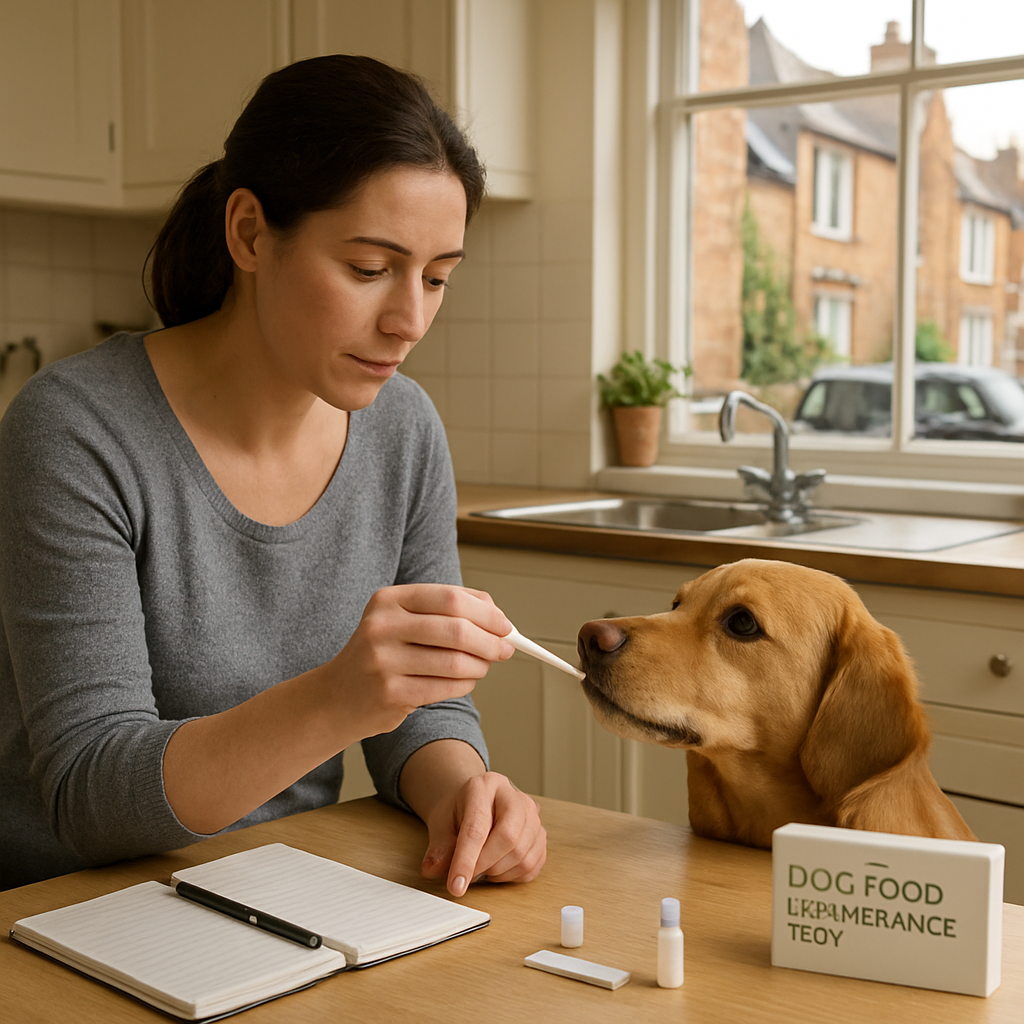
How to identify dog food intolerance uk: a practical step‑by‑step guide
Let me be honest: you’ve probably watched your pup’s coat go from glossy to dull in the blink of an eye, or maybe your cat’s tummy has been throwing a tantrum more often than a toddler in a candy aisle.
Sound familiar? That could be more than a coincidence. Many pet owners in the UK are turning to food intolerance as the hidden culprit behind digestive upset, itching, and those stubborn loose stools that just won’t quit.
So, what do you do when you’re faced with a mystery that feels like a puzzle with missing pieces? First, pause and notice the pattern. Is the problem only around mealtimes? Does it flare after a new brand lands on the shelf? A little diary can do wonders: jot down dates, food changes, and symptoms.
Next, rule out the obvious. A quick vet visit can screen for infections or allergies that aren’t diet‑related. If everything checks out, the next step is to look at the menu your pet is eating. Think about the ingredients that come up in every brand you’ve tried – wheat, corn, chicken, and so on.
Now, imagine a test that lets you keep your pet at home, collect a small sample, and get a clear answer without a trip to the lab. That’s where at‑home food intolerance kits come in. They’re simple to use, give you results online, and provide a guide you can use to tweak the diet safely.
Here’s a quick, practical checklist to get started: 1. Keep a symptom log for two weeks. 2. Pick a brand with the least ingredients you suspect. 3. Use a test kit to analyse your pet’s tolerance. 4. Adjust the diet based on the findings and watch for improvement.
Remember, it’s not a quick fix, but it is a clear, evidence‑led path that can transform how your pet feels day‑to‑day.
Ready to find the root of those itchy nights and restless mornings? Let’s dive in.
TL;DR
If your dog’s coat is dull, tummy uneasy or itching spikes, you’re chasing a way to identify dog food intolerance UK without a lab visit. Our at‑home test kit captures a sample, delivers online results, and guides you to tweak the diet safely—so you can say goodbye to restless nights.
Step 1: Spot the Symptoms
Let’s be honest – if you’ve seen your pup’s coat go from glossy to dull in a blink, you’re already on the right track.
The first clue is always a pattern that shows up every time your dog digs into the bowl. A sudden itch, a bout of loose stools, or a tummy rumble right after a meal – those are the early flags you should watch.
So, what should you do next? Start a symptom diary. Grab a notebook or use a simple app, and log the date, the exact brand and portion size, and any reaction that follows.
Keep it short but consistent – a few sentences per entry is enough. After two to three weeks, you’ll have a handful of data points that can reveal a clear picture.
Spotting the Pattern
Look for spikes that line up with a new batch or a brand change. If your dog’s stomach starts to protest right after switching from, say, “Classic Chicken” to “Premium Beef,” that’s a strong signal.
Notice also the type of reaction: itching ears, a dry, flaky coat, or a persistent sneeze. These symptoms often surface within hours of the offending food, so the timing is key.
Once you’ve identified a potential trigger, cross‑check it with the ingredient lists of the foods you’ve tried. Common culprits in the UK market are wheat, corn, and chicken by‑products.
If you see the same ingredient repeatedly showing up with symptoms, you’re on to something. Don’t jump to a vet visit just yet – a food sensitivity could explain a lot.
Want to dive deeper? Platforms like Umbrello offer at‑home kits that can help you pinpoint sensitivities without a lab trip.
Alternatively, XLR8Well provides a straightforward sample collection process with online results that give you a clear action plan for tweaking your dog’s diet.
Once you have the data, start eliminating one ingredient at a time and observe the changes. It’s a bit of trial and error, but the insights you gain are worth the effort.
The goal is to build a clearer picture, not to blame the vet or the food brand outright. This first step sets the stage for the next part of your journey.
Above, you can see a typical test kit in action, giving you a sense of how simple the process is. The video walks you through sample collection, packaging, and sending it off to a lab.
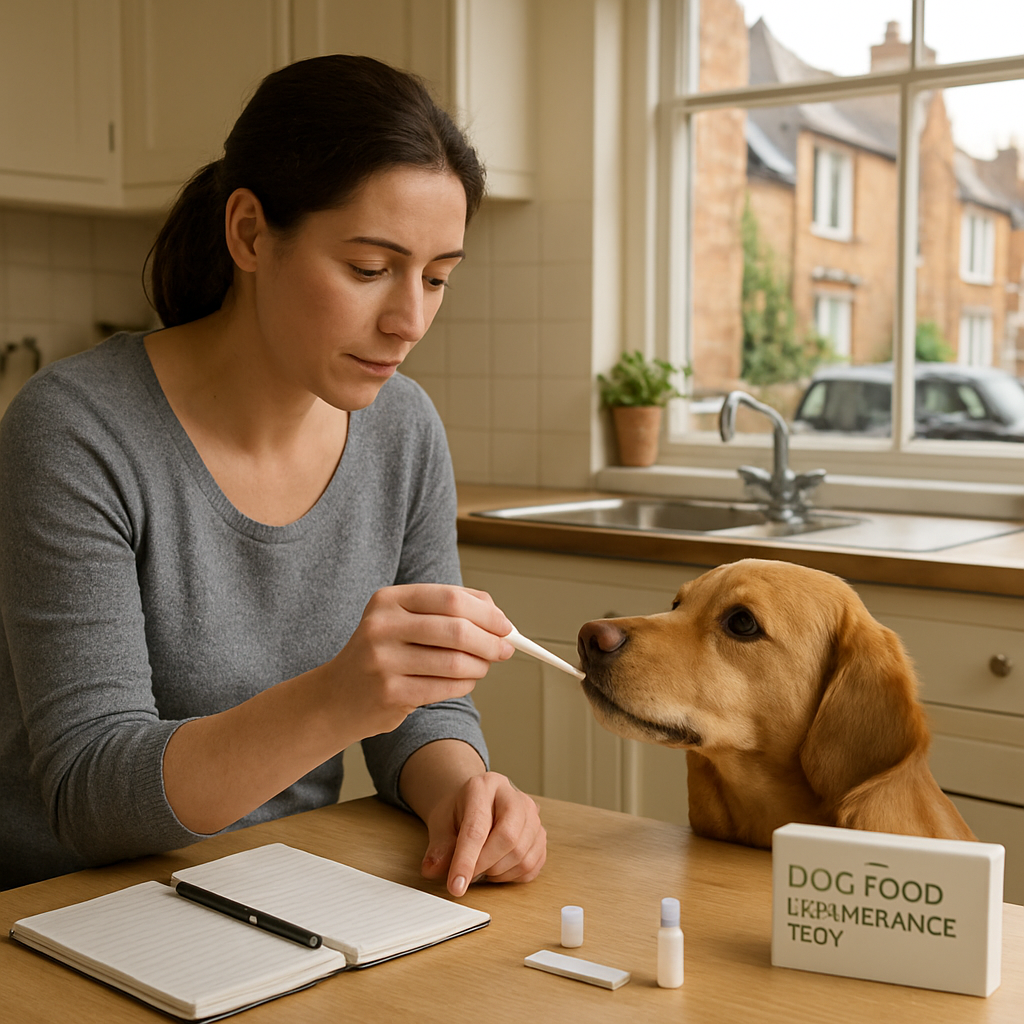
Now that you’ve spotted the symptoms and gathered a solid diary, you’re ready to move on to the next step – actually testing your dog’s food tolerance. Keep the records handy, and you’ll have a solid foundation for the next phase.
Step 2: Keep a Food Diary
Picture this: you’re pouring a bowl of kibble, and a few minutes later your pup starts scratching or has a sudden tummy rumble. The first instinct is to blame the brand, but the real trick is to capture every detail before you jump to conclusions. That’s why a food diary is the unsung hero of uncovering food intolerance.
Why a diary matters
Dogs don’t tell you what’s wrong, they only show you symptoms. By logging each meal, portion size, brand and any treats, you create a timeline that turns vague patterns into clear evidence. It’s the same way a vet charts a history—only you’re doing it at home, and the data you collect can steer you right to the culprit.
How to set it up
Grab a simple notebook, a spreadsheet or an app—whatever feels natural. Record:
- Food type: dry, wet, homemade, or a mix.
- Brand and batch number (if available).
- Portion size and any extra supplements or treats.
- Feeding time and your pup’s reaction.
- Any symptoms that pop up: itching, flatulence, loose stools, or behavioural changes.
Consistency is key: jot down every meal for at least 14 days. That two‑week window gives you enough data to spot repeat spikes and rule out random flare‑ups.
Quick tip: use a template
If the idea of starting from scratch feels daunting, try this free benefits of keeping a dog food diary guide. It’s packed with a ready‑made table that makes logging a breeze.
Spotting patterns
Once you’ve got a stack of entries, look for dates that line up with symptoms. Did itching start after you switched from brand X to brand Y? Did gas spike after a particular batch of wet food? Those are your red flags. Don’t just eyeball it; colour‑code your notes if that helps you see the story at a glance.
Turning data into action
Now that you’ve identified a suspect ingredient or brand, you can test your hypothesis. A simple step is to eliminate that food for a week and see if symptoms recede. If they do, you’ve found a likely trigger. If nothing changes, move on to the next suspect.
When to bring in a test
If the diary points to a complex pattern—say, multiple foods or an ingredient you can’t isolate—a home‑based intolerance test can confirm the findings. UK Pet Food Intolerance’s at‑home kit takes a small sample, sends it to accredited labs, and delivers clear guidance on which foods to avoid or re‑introduce. It’s a natural next step when the diary alone can’t give a definitive answer.
Remember, a diary isn’t a diagnostic tool on its own, but it’s the foundation that makes any subsequent test worthwhile. The more accurate your records, the faster you’ll narrow down what’s truly bothering your pup.
Step 3: Choose an Elimination Diet
So you’ve logged a few red‑flag meals and you’re ready to put the theory to work. The trick is picking an elimination diet that’s simple enough to stick to, yet strict enough to unmask the culprit.
First thing: decide how many foods you want to cut out. If you’re dealing with a single suspected protein, you can keep things neat by ditching just that one. But if you’ve spotted several potential offenders, a broader sweep is safer.
Think of it like a mystery novel – you need to remove every suspect, then re‑introduce them one by one to see which one stirs up the drama.
Single‑Protein vs. Multi‑Ingredient Trials
Single‑protein diets keep the variables tight. You feed your pup only one type of meat or fish for 4‑6 weeks, then slowly bring back others. It’s the gold standard when you suspect a specific protein is the villain.
Multi‑ingredient trials are handy if you’re unsure whether a grain or preservative is at fault. In this case, you eliminate everything on your suspect list, then re‑introduce one ingredient group at a time.
Practical Tips for a Smooth Start
1. Read the labels – look for hidden wheat, corn, soy or artificial colours. If you’re unsure, ask the retailer for a full ingredient list.
2. Choose a base food you love – you’ll be feeding it twice as often, so it should be tasty and safe. Raw, single‑protein meals are a favourite for many owners, as they cut out a lot of the usual suspects.
3. Keep a tidy diary – note the brand, batch, feeding time and any reaction. Consistency is key to spotting real patterns.
Does this sound like a lot of work? Not really – the bulk of the effort is in the first week, after which you simply watch and record.
Re‑Introduction: The Slow‑Mo Method
Once you’ve hit the 4‑week mark and your pup’s symptoms are flatlining, it’s time to bring back foods one by one. Wait at least seven days before adding the next item.
If a symptom re‑appears, that food is the offender. If not, you move on. Keep the diary handy; it’s the evidence you’ll need to explain the findings to your vet if you choose to involve them.
When to Pause the Diet
If your dog’s health feels worse – weight loss, lethargy, or new gastrointestinal signs – pause the trial. A severe reaction might mean you’ve eliminated something essential, or that a different underlying issue is at play.
In that case, reach out to a holistic vet or a nutritionist who can help tweak the plan safely.
Quick Comparison Table
| Feature | Option | Notes |
|---|---|---|
| Scope of Elimination | Single‑Protein Diet | Fast, focused; ideal for protein‑related symptoms. |
| Scope of Elimination | Multi‑Ingredient Diet | Broader; covers grains, additives, and more. |
| Typical Duration | 4‑6 weeks | Enough time for gut to heal and symptoms to stabilize. |
Want a real‑world example? Many owners who started with a single‑protein trial found that a sudden flare in itching vanished after six weeks. Then, by re‑introducing chicken after a week’s break, the skin settled back into its usual shine.
And if you’re curious how a raw, single‑protein food can fit into this, the ProDog raw feeding guide gives a handy rundown of how to structure a diet free from common allergens.
So, what’s the next move? Pick a plan that fits your dog’s current diet, stick to the diary, and watch for the subtle signs that tell you whether the culprit is back on the menu.
Remember, patience is part of the process – the clearer the data you collect, the sooner you can get your pup feeling like the happy, healthy companion you know them to be.
Step 4: Re‑introduce Foods Safely
After a clean break from the suspect ingredients, you’re ready to bring the food back, one bite at a time. Think of it like a detective’s final interrogation – you only ask one suspect a question, then wait for the reaction.
First, give your pup a full week on the new, clean diet. Watch for any subtle itchiness, a whisper of gas or a sudden change in coat shine. If all looks calm, it’s time to roll out the first test piece.
Step‑by‑step re‑introduction checklist:
- Choose a single item. Pick a single protein, grain or treat that was on your elimination list.
- Small dose. Start with a quarter of the usual portion – a nibble is enough to trigger a response.
- Observe. Keep a diary for 48‑72 hours. Note scratching, belly bloating or any mood shift.
- Wait. If no signs pop up, let your dog settle for at least a week before the next round.
Why the strict pacing? Your dog’s gut needs time to reset. A sudden spike can mask a mild intolerance or, worse, create a new problem.
Let’s run through a quick example: Maria’s labrador, Max, had a flare‑up after a switch to a wheat‑based kibble. After a two‑week elimination, she re‑introduced a small spoonful of beef once a day. No itching, no gas – good sign. She waited a week, then added a single carrot to the mix. Within 48 hours, Max started licking his paws again. The carrot was the culprit. Now he’s on a grain‑free, single‑protein regime and his coat is shining again.
Keep the diary handy. A visual log can turn a vague “maybe” into concrete evidence. Colour‑code symptoms – yellow for mild, red for obvious. This makes the pattern obvious at a glance.
If you’re feeling unsure, the Elimination Diet Dog UK: A Practical Guide for Pet Owners walks you through each step with clear examples and a printable template.
Remember, you’re not testing for an allergy – you’re looking for a tolerance window. If you find a food that keeps the symptoms at bay, you can keep it, or you can use it as a baseline to re‑introduce others safely.
Now, what about the environment? A hot, sunny day can amplify itching or gastrointestinal upset. If your dog spends time outdoors during re‑introduction, consider a shaded area. Umbrello offers durable, UV‑protected patio umbrellas that keep your pup cool and calm – a handy side‑kick while you’re fine‑tuning the diet.
Once you’ve cycled through all suspects, you should have a clear “do‑not‑eat” list and a handful of safe favourites. This gives you and your vet a solid foundation to build a long‑term nutrition plan that keeps your pet healthy and happy.
 .
.
Step 5: Evaluate Results and Adjust
You’ve done the hard yards. You’ve tracked symptoms, run an elimination plan, and perhaps used an at‑home test to flag triggers. Now it’s time to translate that data into real, workable changes for your dog.
This is the moment where the numbers meet daily life. If the results aren’t a clean yes or no, that’s normal. Use your symptom diary alongside the lab results to see where patterns truly align, not where they merely look obvious at first glance.
Here’s a practical seven‑step approach you can actually follow:
- Compare results with your symptom diary. Do improvements line up with a specific ingredient you avoided? If yes, you’ve got a solid lead.
- Discuss the findings with your vet or a veterinary nutritionist. Ask for an interpretation of the lab report in the context of your pet’s symptoms.
- Establish a safe baseline diet based on the results. Feed it consistently for 2–3 weeks while you monitor changes.
- Plan a careful re‑introduction schedule. Re‑introduce one item at a time, waiting 7–14 days before testing the next, and document every reaction.
- Track outcomes with colour‑coded notes. Yellow for mild signs, red for clear flare‑ups, helps you see trends quickly.
- Be mindful of delayed reactions. Some responses don’t show up for 24–72 hours after a test bite, so keep the diary active for several days after each reintroduction.
- Watch for environmental confounders. Heat, exercise, or stress can mimic or mask symptoms—note these in the diary too.
What happens next depends on what you discover. If a single ingredient consistently trips symptoms, you’ve likely found a trigger. If several foods cause mild responses, you may need to broaden the elimination or work with a nutritionist to tailor a long‑term plan.
In practice, we see owners succeed when they stick to a clear baseline and reintroduce foods slowly. A dog might tolerate a hydrolysed protein base well, then react to a common allergen only after a month of testing—proof that time and method matter more than guessing.
For extra clarity, our at‑home tests deliver straightforward results online, then guide you on next steps. Platforms like UK Pet Food Intolerance simplify turning lab data into practical diet choices you can follow at home. To understand the elimination diet concept further, you can read this overview from cerascreen: Elimination diets and intolerance testing explained.
Does this feel doable? Yes. Start by choosing a 2–3 week baseline, then schedule your first reintroduction window. Small, steady steps beat big leaps every time.
Step 6: Long‑Term Monitoring and Adjustments
Now that you’ve cracked the code and found the trigger, the real work begins: keeping your pup thriving long after the test bite.
1. Set a rhythm for monitoring
Think of it like a regular check‑in. Pick a simple schedule: diary entries every 3‑4 days for the first month, then once a week once things level out.
Why? Symptoms can flare up weeks after a change, especially if the gut is still healing. Regular notes catch those late‑onset reactions before they become big problems.
2. Keep your diary alive but lightweight
Don’t overload it. A quick table on a phone or a sticky note works. Note the date, the food batch, any treats, and a 1‑2 word symptom tag (itchy, flatulent, calm).
Colour‑code the tags—red for clear flare, yellow for mild. That visual cue makes spotting patterns a breeze.
3. Use the lab report as a roadmap
Your at‑home kit will give you a list of ingredients to avoid and a baseline diet to start with. Treat that report like a map: follow the avoidance path, then slowly re‑introduce one ingredient at a time.
If you’re curious how hydrolysed diets work in practice, check out Acorn House Vets’ guide on hydrolysed diets. It explains why a protein broken down into smaller pieces can be gentler on a sensitive gut.
Practical tip:
Set a reminder on your phone for the first re‑introduction day. That way you won’t forget to start the week‑long observation period.
4. Re‑introduce with patience
Give each new food a full seven days before adding another. If symptoms pop up, mark that ingredient as a culprit and move on.
Remember, the goal isn’t to eliminate everything but to find a safe, balanced menu that keeps your dog comfortable.
5. Track long‑term health markers
Beyond the diary, keep an eye on weight, coat sheen, and overall energy. If your pup starts losing weight or looks lethargic, pause and reassess.
It can help to photograph your dog’s coat every month; visual evidence shows subtle changes you might miss otherwise.
6. Stay flexible and revisit the plan
Food tolerance can change with age, activity level, and even stress. Plan a quarterly review: re‑order a small sample kit, run a fresh test, and adjust the diet as needed.
Think of it as a living document—your dog’s needs evolve, and so should their meals.
7. When to involve a vet or nutritionist
If symptoms recur despite adjustments, or if you notice new issues (e.g., weight loss, persistent vomiting), bring a vet into the conversation. They can run supplementary tests to rule out other conditions.
Many vets are happy to interpret your test kit results and help fine‑tune the plan.
8. Celebrate small wins
Noticing a shinier coat or a calm belly after a month of adjustments? Give yourself a pat on the back. Positive reinforcement keeps you motivated and shows your dog that change works.
Keep the momentum going by sharing your progress on a private group or with a friend who’s also on a food trial.
So, what should you do next? Stick to your monitoring rhythm, trust the data, and be ready to tweak as your dog’s body tells you. With a steady plan and a dash of patience, you’ll turn that food intolerance mystery into a long‑term solution.
FAQ
What are the earliest signs that my dog might be food intolerant?
First, look for skin or gut clues that keep popping up after meals. A shiny coat that suddenly feels dull, a scratch‑y rash that won’t clear even after baths, or a stomach that gurgles and then ends in loose stools – those are the red flags we see most often. It’s not about waiting for a vet diagnosis; it’s about noticing the pattern every time you feed.
How do I start tracking symptoms without feeling overwhelmed?
Grab a simple notebook, phone app, or sticky note – whatever feels natural. Jot the date, the exact brand, the batch number if you can, and any reaction that shows up within 24 hours. Keep it short: a line for the meal and a line for any itch, gas or belly. After two weeks you’ll have a map of triggers without the clutter.
What does it mean if my dog’s symptoms only appear after a new food brand?
That’s the classic “food‑trigger” clue. A sudden change in the kibble mix – like a new grain or protein – can upset a sensitive gut. If you notice scratching or bloating just after you swap brands, it’s worth putting that food on the elimination list and testing a more basic diet for a couple of weeks.
Can I trust an at‑home test to spot intolerance or should I go straight to the vet?
At‑home kits give you a clear, lab‑backed snapshot of what foods your pet reacts to, and they’re far more convenient than a clinic visit. They don’t replace a vet’s assessment – you still need a professional check‑up to rule out other health issues. But for most owners, the kit is a practical first step to cut through the noise.
What’s the best way to re‑introduce foods once I’ve found a safe base?
Start with a single item at a time. Give your pup a small bite of the new food and wait seven days before adding another. Use the same diary style – note any itch, gas or change in energy. If nothing pops up, you can add another safe ingredient; if a flare occurs, you’ve found the culprit again and should keep it out of the mix.
How often should I repeat the test if my dog’s diet changes?
Every time you introduce a new ingredient, especially after a long period of stability, run a fresh sample. A quarterly check keeps the data up to date and lets you stay ahead of any shifts in tolerance that can happen with age or stress.
Conclusion
So, after all the digging, you’ve got a clearer picture of what might be ruffling your pet’s gut or skin. The evidence is in the diary, the lab data, and the subtle shifts you’ve watched.
What matters most is turning that evidence into a steady routine. Pick one safe base diet, keep a quick log, and let each new ingredient sit for seven days before re‑introducing another.
Remember, consistency beats perfection. A tidy notebook or a simple spreadsheet will do. Colour‑coding symptoms keeps the picture vivid, so you don’t get lost in the details.
If you spot a pattern that lines up with a specific food, it’s a sign your pet’s body is sending a clear message. Use that insight to build a menu that feels right for them, not just for you.
And don’t forget the human side: a calmer, happier pet means more walks, more cuddle time, and fewer vet visits. That’s the real win.
Next step? Review your findings weekly, tweak portions, and keep the dialogue open with your vet. A partnership that uses data makes every decision stronger.
You’ve got the tools, the knowledge, and the drive. Now it’s just a matter of patience and a little persistence. Your pet will thank you with wagging tails and a smoother tummy.


Leave a Reply
Want to join the discussion?Feel free to contribute!