
How to Manage Cat Food Intolerance UK: A Practical Guide for Owners
Imagine your cat’s whiskers twitching after a meal, a rumble in their tummy, or that familiar itch that never seems to go away.
We’ve all been there – watching a once‑happy pet look a little off, wondering if it’s the food they’re eating or something deeper.
In the UK, “cat food intolerance” is becoming a common conversation among owners who notice sudden changes in their cat’s behaviour or digestion. It’s not a medical diagnosis; it’s a clue that something in the diet might be irritating the gut or skin.
So, why does this matter for you and your feline friend?
When a cat reacts badly to a particular protein or grain, the signs can range from loose stools and gas to chronic itching and discomfort. These symptoms can be mistaken for allergies, infections or even stress, which means owners often wander down a long, confusing path of trial‑and‑error diets.
What would it feel like to cut through that confusion and find a clear answer?
At UK Pet Food Intolerance, we’ve helped many cat owners in the UK uncover the hidden culprits behind their pets’ upset stomachs and itchy skin. By using a simple at‑home sample kit, you get a reliable snapshot of the proteins and ingredients your cat might be reacting to.
The real beauty is that the process is straightforward: a small cheek swab, a quick email of the sample, and a few days later you receive an online report that explains what’s going on.
Once you have that information, you can work with your vet or a trusted nutritionist to craft a diet that’s gentle and balanced, giving your cat relief and peace of mind.
Imagine the relief of seeing your cat’s coat shine again, their belly feel lighter, and the evenings spent no longer worrying over the next meow.
Ready to explore what might be lurking in that bag of kibble?
Let’s dive in and uncover the steps that bring clarity and comfort back to your cat’s life.
TL;DR
TL;DR: If your cat’s tummy’s rumbling or skin’s itching after meals, a food intolerance could be the culprit. An at‑home test kit gives clear, lab‑backed results, letting you tweak diet safely with vet support. Ready to find the real trigger? Let’s get started.
Once you spot the problem, you’ll see a calmer, happier cat and peace of mind for you.
Understanding Cat Food Intolerance: Symptoms & Causes
Ever notice your kitty’s tail twitching just after a bowl, or a sudden burst of gassy rumble that leaves you both bewildered and a little worried? That’s often the first sign that a food intolerance might be lurking under the surface. Unlike a classic allergy, food intolerance doesn’t trigger an immediate immune flare‑up; instead, it’s a slower, more subtle irritation that can pile up over time.
We’ve seen cats that go from purring contentment to scratching themselves madly, to dropping a few loose stools per day. It can feel like a mystery: is it a new brand of kibble, a seasonal change, or something deeper? The truth is, there are a handful of common culprits that most UK cat owners overlook.
Protein is the star of the show. Chicken, beef, fish—any of these can become the villain if your cat’s gut is sensitive. In practice, you might find that the first protein your cat eats in a week triggers a reaction, and that reaction can look a lot like a flare‑up of skin itching or an upset stomach.
Grains are another suspect. Wheat, corn, and even barley can irritate sensitive digestive tracts. Some cats have a hard time breaking down the starches, leading to gas, bloating, and even a slightly sour smell in the litter box. You might think your cat loves crunchy kibble, but that crunch could be a clue.
Now, let’s talk symptoms. Loose stools and diarrhoea are the classic signs, but don’t overlook the quieter ones—frequent licking of paws, red or flaky skin patches, and a general lack of appetite. If you notice any of these, jot them down; you’ll need a clear record for your vet or for an at‑home test kit.
It’s worth noting that the onset can be delayed. You might feed your cat a new brand last month and only see issues now. That lag time is typical of food intolerance, making it tricky to pin down without a systematic approach.
So, how do you crack the code? Start with a simple observation diary: note what your cat eats each day, any changes in behaviour, and when symptoms appear. Pair that with a reliable test—our Essential Pet Intolerance Test gives you lab‑backed insight into which proteins or ingredients are causing trouble.
After you’ve identified the offenders, the next step is an elimination diet. Swap out the problematic ingredient for a single, novel protein like rabbit or duck. Keep everything else constant for at least 4–6 weeks to see if symptoms fade. Once they do, you’ve found the trigger.
During the process, it helps to give your cat a bit of extra comfort—think cozy blankets or a new scratching post to keep them distracted and less stressed. Speaking of scratching posts, a well‑chosen wall‑mounted option can reduce stress‑related gut upset. Check out this guide on cat scratching posts that can keep your kitty’s claws and tummy happy.
Step 1: Observe Your Cat – Documenting Food‑Related Behaviour
Let’s start where the mystery actually begins: in your kitchen, at the cat‑bowl, and in your notebook. You’re about to become the detective, the chronicler, and the best‑friend all at once.
Why Observation Matters
We’ve seen it – the sudden itch, the wobble after a meal, that frantic pawing that turns a quiet evening into a drama. Those are clues, not complaints. If you capture them, you’ll have evidence to talk to a vet, to test, or to tweak the diet yourself.
Set Up Your Diary
Grab a small notebook or a simple spreadsheet. Note the time, the brand and type of food (kibble, wet, treats), the portion size, and any immediate reactions. Keep the layout the same each day; consistency makes patterns pop.
Example line: 18:30 – Whiskas Chicken Kibble, 20 g – Cat sits for 3 min, then starts scratching at the ears. The more detail, the better, but don’t get lost in minutiae – focus on what feels significant.
What to Look For
Look for:
- Immediate signs: pawing, shaking head, or drooling within 10 minutes.
- Delayed reactions: loose stools, gas, or increased scratching after a meal.
- Behavioural shifts: change in appetite, hiding, or vocalising.
Don’t be afraid to jot a quick note even if you’re unsure. The pattern may emerge later.
Using the Data Wisely
Once you’ve logged two weeks, start spotting trends. “Every time I feed brand X, the cat scratches more,” or “The wet food from brand Y seems to cause loose stool.” Those are your test clues.
Remember, this isn’t a diagnostic test – it’s a map. You’ll still need veterinary input, but the map will make the conversation focused and productive.
Quick Tips for Accuracy
• Use the same measuring spoon or scale each time you portion food.
• Avoid mixing brands or types on the same day – keep it one brand per meal if possible.
• Note any treats, medications, or changes in water temperature, as they can confound the data.
All the details you collect now could be the difference between guessing and knowing.
That video walks you through a simple observation routine you can start right away. Give it a watch and then grab your notebook.
Once you’re comfortable, it’s time to add a visual cue. A quick photo of the food bowl with a timestamp can make the records even clearer.
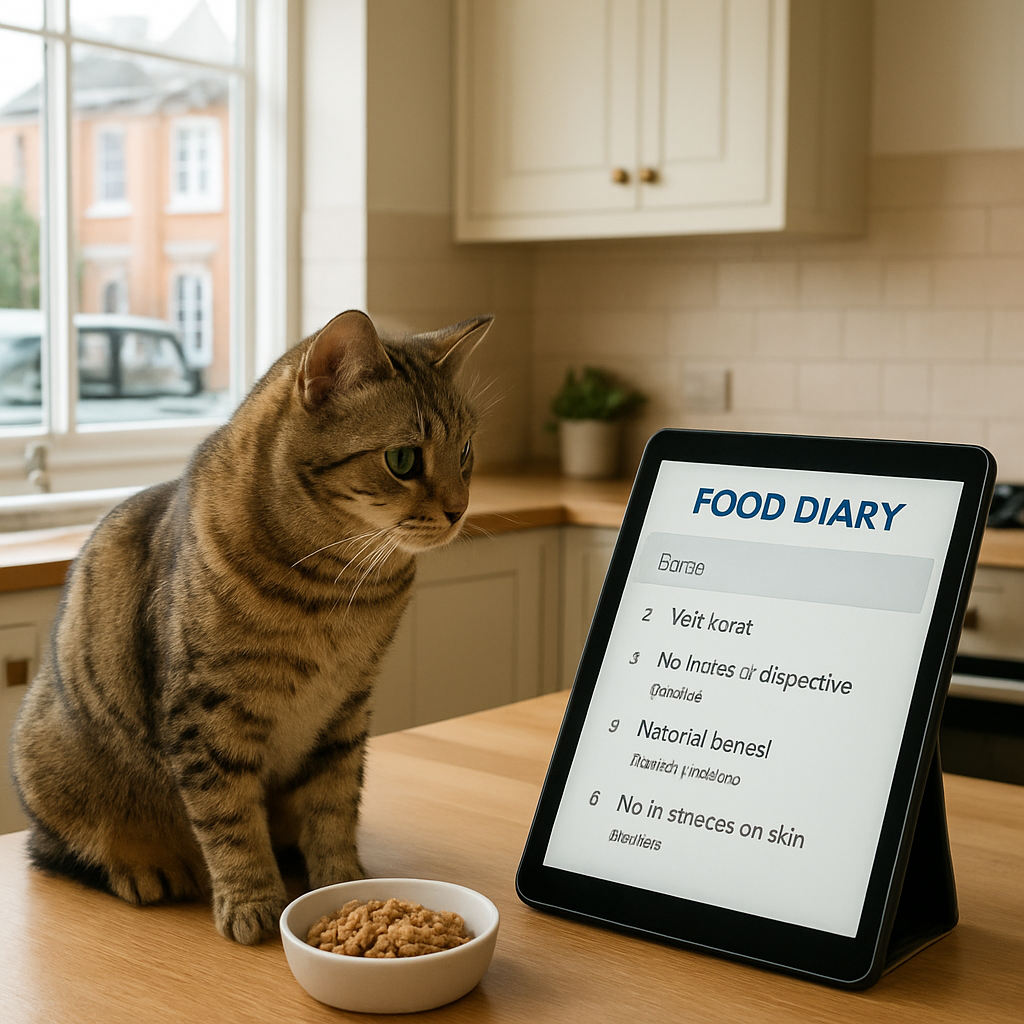
Finally, keep in mind that a cat’s reaction can be subtle – a brief pause, a slightly altered sniff, or a momentary twitch. Your observations may need to be as detailed as a cat’s whiskers to catch the real culprit.
When you feel ready, share your diary with a vet or a trusted nutritionist. The data you’ve collected is the first step toward a clearer, calmer future for your feline friend.
For more on how food allergies can show up in cats, you might want to read Purina’s guide to cat food allergies. If you’re curious about alternative diets, Bella & Duke’s comprehensive raw feeding guide can give you another angle.
Step 2: Choosing a Trial‑and‑Error Diet
We’ve got your food diary. Now it’s time to decide which mystery meal to test first. The trick is to start small, keep the list tight, and watch what the kitty does.
Pick a Single Protein
When your cat’s symptoms flare after a certain brand, look for the main protein source in that food. Switch to a brand that uses a completely different animal—turkey if the culprit was chicken, or rabbit if it was beef.
Single‑protein formulas minimise the chance of a hidden allergen sneaking in. A quick search shows that most limited‑ingredient diets focus on one protein and a handful of complementary ingredients, which is exactly what you want for a clean test.
Limit the Carbohydrate List
Avoid foods that pile on grains, beans, or starches. Stick to recipes that list whole‑grain or vegetable sources only if you’re certain your cat can digest them.
Carb‑heavy foods can mask the reaction to the protein, making the trial inconclusive. If you’re unsure, choose a grain‑free option. The limited‑ingredient guide on Cats.com gives you a quick rundown of which brands keep carbs to a minimum.
Start with One New Brand
Give your cat 5‑7 days of the new food. Keep a diary of appetite, stool colour, and any signs of itching or hives. Record the exact amount each meal so you can compare intake levels.
Don’t add other new foods at the same time; you’ll be left guessing. If your cat’s symptoms improve or stay the same, you’ve got a data point.
Use a Trial‑and‑Error Sheet
Mark each food on a simple spreadsheet: Brand, Protein, Carb, Start Date, End Date, Notes. Colour‑code the results—green for “no reaction,” red for “worsening.”
This visual cue lets you spot patterns quickly. If the same protein shows a red trend across two brands, it’s likely the culprit.
When to Call in the Lab
After you’ve tried at least two different proteins, it’s time to see the lab’s verdict. Send a cheek swab or a small faecal sample to an accredited test kit and let the science do its job.
Nextmune’s trial instructions walk you through the exact sampling process, so you won’t miss anything.
Key Take‑aways
• Keep the trial short—five to seven days is enough to see a reaction.
• Stick to one new brand at a time.
• Record everything in a simple diary or spreadsheet.
• Use a lab test after two trials to confirm the culprit.
So, what’s the first brand you’ll give your feline friend a taste of? Start with a single‑protein, grain‑free option, watch the reaction, and let the data guide you toward a calmer, happier cat.
Step 3: Monitoring and Adjusting – Reading Results
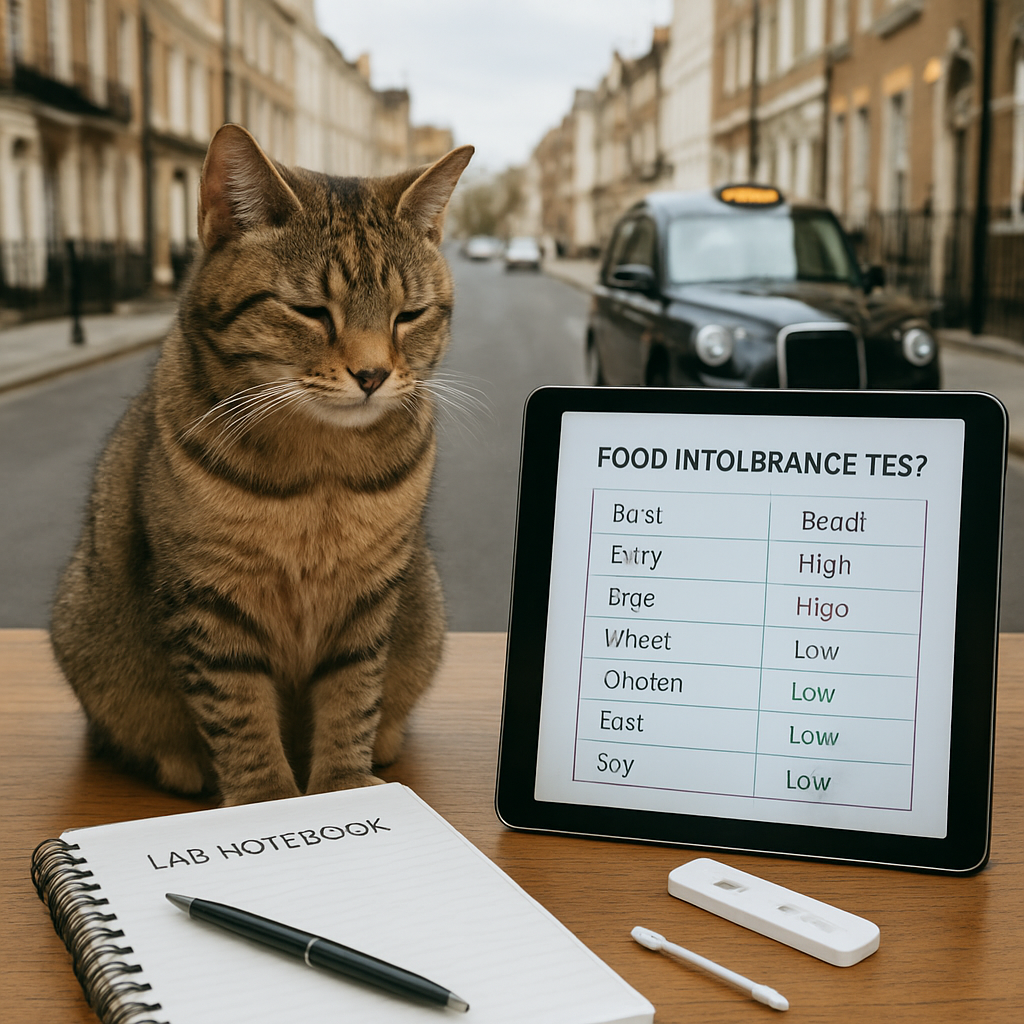
So, you’ve got your test kit on the table, the cheek swab tucked into a neat envelope, and the lab results are on your screen. What do you do next? This is where the magic of data turns into actionable tweaks for your kitty.
Read the headline first
Your online report will start with a clear list of proteins flagged as likely culprits. Think of it like a grocery list you’re no longer allowed to touch – the proteins that are causing the flare‑ups.
Check the confidence level
Most labs give a percentage or a confidence score. A 95 % score is strong, but if it’s 70 %, keep an eye on it and maybe cross‑check with a second test. It’s the lab’s way of saying, “I’m pretty sure, but the cat’s body might still surprise me.”
Map it back to your trial diary
Now pull up the spreadsheet you’ve been keeping. Colour‑code the days you fed the suspected protein – red for symptoms, green for no reaction. The lab results should match the pattern you’ve seen. If they don’t, it’s time to dig deeper or talk to your vet.
Decide on the next step
Here are your options, laid out in plain terms:
| What to Do | Why It Matters | How to Implement |
|---|---|---|
| Switch to a single‑protein brand | Reduces the chance of hidden allergens. | Choose a brand that lists only the culprit protein and a simple carb source. |
| Try a hydrolysed protein diet | Protein is broken down into small peptides, less likely to trigger an immune response. | Look for a vet‑recommended hydrolysed option; many commercial brands list “hydrolysed” on the label. |
| Adjust portion sizes | Over‑feeding can mask symptoms and worsen reactions. | Use a kitchen scale or measuring cup – see Cattree’s guide on measuring cat food intake for a simple routine. |
Remember, the goal is to give your cat a clean slate. If the lab points to chicken, for instance, the next diet should avoid chicken entirely and use a truly novel protein like duck or venison.
What if the results are ambiguous?
Sometimes the lab flags two proteins or gives a low confidence score. In that case, run a shorter trial – say five days – and watch for a clear change. If nothing happens, consider a hydrolysed diet as a safe middle ground.
Keep the diary handy
Your diary is still your best friend. Record not just what food you fed, but also the cat’s mood, any scratching, or changes in stool colour. The more granular the data, the easier it is to spot subtle patterns.
Get a second opinion if needed
If the results are still confusing after a couple of trials, bring the report to a vet who specialises in dermatology or nutrition. They can interpret the numbers in the context of your cat’s overall health.
When you’re ready to transition back
Once you’ve identified the culprit, re‑introduce the new diet gradually, just like you did with the trial. A slow switch over a week helps the gut settle and keeps the cat comfortable.
Quick checklist before you start a new trial
- Confirm the protein source on the label.
- Make sure there are no hidden grains or soy.
- Check the lab’s confidence score.
- Set a 5‑day observation window.
- Keep your diary ready.
Want to learn how different proteins work for cats? The Skin Vet guide on exclusion diet trial choices dives into hydrolysed vs single‑protein options – a useful read if you’re deciding between the two.
Step 4: When to Seek Professional Advice
We’re halfway through the mystery trail. You’ve noted symptoms, logged a diary, and maybe even ran an at‑home test. The next question is: when is it time to bring in the pros?
There’s no hard‑and‑fast rule, but a few red flags should tip you off.
1. Persistent or worsening symptoms
If your cat keeps scratching, has loose stools or is just generally off, even after a clean‑diet trial. Do you notice a pattern that repeats every time you switch food? That’s a cue to call the vet.
2. Confusing test results
If the numbers are close together or you’re not sure which protein to avoid, it’s safer to get a vet’s eye on the report. They can explain confidence scores and how they match what you’ve seen in your diary.
3. Mixed reactions or new symptoms
Sometimes a cat will get better on a new food but then develop a new itch or gastrointestinal upset elsewhere. That mix‑up is a classic hint that you need professional guidance.
4. Underlying health conditions
If your cat has kidney disease, liver issues or an autoimmune condition, a vet can help you pick a diet that’s safe for all the health concerns. They’ll weigh the benefits of a hydrolysed diet against the cat’s overall nutrient needs.
5. You’re feeling stuck
After several cycles of trial and error, the path can feel murky. A veterinary dietitian can map out the next steps and prevent you from cycling endlessly. They’ll also spot cross‑contamination risks in your kitchen that you might not notice.
How a vet can help you decode the data
They’ll read the lab’s confidence score, match it to the diary entries, and identify the real culprit. In some cases they’ll recommend a brand‑specific diet, like a hydrolysed product from Royal Canin that’s designed for sensitive cats. Royal Canin’s veterinary-exclusive diet options are a common choice for owners who need a controlled environment.
Practical checklist before the appointment
- Bring the lab report and your diary.
- List all foods, treats and supplements your cat has had in the past month.
- Note any changes in behaviour, appetite or litter box habits.
- Mark any recent vet visits or medications.
- Write down questions you want answered.
Having that ready turns a vague chat into a focused, productive session.
What to expect in the consult
The vet will look at the whole picture – symptoms, test data, and your lifestyle. They may suggest a new elimination trial, a different protein source or a fully hydrolysed diet. They’ll explain the science behind each option and set realistic timelines for seeing improvement.
After the consult – staying on track
Once the vet gives you a plan, stick to it. Gradual transitions, a clear feeding schedule and continued diary logging keep the cat comfortable. And remember, the goal is a long‑term solution, not a quick fix. Consistency beats sporadic changes.
Feeling overwhelmed? Take it one step at a time. You’re already doing the right thing by seeking professional advice when the signs get louder.
That’s the end of Step 4 – you’re almost ready to bring the mystery cat to a vet and close the loop. Stay curious, keep the data handy, and let the expert help you turn the clues into a clear plan.
Step 5: Long‑Term Feeding Strategy
So, you’ve got your culprit identified, you’ve swapped out the offending protein, and your kitty is already showing a little relief. The next step isn’t a new mystery – it’s a steady plan to keep that relief coming.
Laying the Foundation
First things first: lock in a routine that feels natural for you and your cat. Think of a feeding timetable like a daily walk – predictable and comforting.
Set a consistent meal window each day. Cats thrive on rhythm, so choose times that fit your own schedule, like breakfast, lunch and a light snack in the evening. It helps avoid the “late‑night nibble” that can upset the gut.
Use the same bowls, on the same shelf. Cats can get unsettled by changing their food station, so keep it familiar.
Sticking to the Plan
Now, keep the diet simple. Once you’ve identified the safe protein, stick with that brand and recipe for the long haul. Switching back and forth only muddies the water and can trigger a flare‑up.
If you need a new brand – say a different flavour or wet/dry mix – choose one that’s built on the same base protein and free from the identified allergens.
Record a small note in your diary each day: what was fed, how much, and any immediate reaction. A quick line keeps the data tidy and lets you spot patterns if symptoms creep back.
Fine‑Tuning Over Time
Even a stable diet can benefit from subtle tweaks. Check your cat’s weight, coat condition and energy level every month. If your pet is gaining weight, trim the portion slightly. If you notice a dip in appetite, a slight increase might help.
Remember the “one‑in‑four rule”: give your cat a new treat or supplement only once in four weeks, and observe for two days. That way you avoid accidental re‑introduction of a trigger.
Check‑In Checklist
- ✅ Confirm the protein source on every package.
- ✅ Avoid cross‑contamination – keep dry and wet food on separate shelves.
- ✅ Keep a one‑page log: date, food, portion, reaction.
- ✅ Review weight and coat at each vet visit.
- ✅ Re‑evaluate any new treats or medications.
Do you ever wonder if you’re doing enough? The answer is simple: consistency beats intensity. A steady, low‑stress feeding routine is more effective than a frantic switch‑up every few weeks.
When to Call in the Experts Again
Sometimes, after a few months, you may notice a subtle change – a slight increase in loose stools or an odd scratch. That’s a cue to re‑visit the lab or your vet. A fresh sample can confirm whether the original trigger remains the culprit or if a new one has emerged.
UK Pet Food Intolerance offers at‑home tests that are quick to use and deliver clear guidance. What we’ve seen work best for owners is to pair a lab result with a real‑world observation diary – the two together give a full picture.
Final Thought
In the end, the long‑term feeding strategy is about creating a calm, predictable environment for your cat. Think of it as setting a gentle rhythm that keeps the gut happy and the skin calm.
So, keep the routine, keep the notes, and keep your kitty comfortable. If you ever feel stuck, a quick check‑in with a vet or a new sample can put you back on track.
Ready to set the stage for lasting comfort? Start with the basics, stay consistent, and your cat will thank you with a smoother tummy and a shinier coat.
For more on how diet shapes your cat’s health, the Cats Protection feeding guide offers practical tips you can incorporate right away.
FAQ
What exactly is cat food intolerance in the UK?
Cat food intolerance happens when a kitty’s gut or skin reacts to a particular protein, grain or additive that’s in its food. It’s not a true allergy – the immune system isn’t fighting the protein, it’s just irritated by it. In the UK, around 1‑2% of cats have this issue, but it can be trickier to spot because the signs overlap with other conditions.
How can I tell if my cat has an intolerance?
Look for loose stools, gas or a sudden itch that comes after a meal. If the problem pops up every time you give a certain brand, that’s a hint. Keep a simple diary for a couple of weeks – note the food, timing and any reaction. The pattern usually points you to the culprit.
What are the most common triggers in UK cat foods?
The big offenders are chicken, beef, fish and dairy. Even “grain‑free” kibble can hide wheat or barley in the mix. Some cats also react to common additives like carrageenan or certain preservatives. If a brand uses a single, novel protein, that’s usually a safer bet for testing.
How does an at‑home test work and is it reliable?
At‑home kits are simple: you swab the cat’s cheek or take a small faecal sample, seal it in the supplied envelope and drop it in the post. A certified lab checks the sample for antibodies that flag proteins your cat’s immune system has seen before. The results are usually clear, but they’re best combined with your diary for context.
After receiving results, what should I do next?
Start by eliminating the identified protein from the diet. Switch to a single‑protein, grain‑free brand that uses a novel source like duck or rabbit. Feed that for 8–12 weeks, keep the diary, and watch for changes in stool and itching. If symptoms clear, the diet is likely the answer.
Can I manage symptoms without changing the diet?
Short‑term fixes such as anti‑itch shampoos or probiotic supplements can help, but they’re only band‑aid. Without removing the trigger, the underlying irritation remains. Think of it like trying to patch a leak – you’ll need to fix the source for lasting relief.
How long does it take for a cat to recover once the diet is adjusted?
Most cats notice improvement within 2–4 weeks of the new diet. It can take a bit longer for skin symptoms to fully resolve, sometimes up to a month. Patience is key – give the gut time to reset, and keep the feeding routine steady.
When should I seek veterinary advice?
If symptoms persist after two elimination trials, or if the cat develops new issues such as vomiting, lethargy or weight loss, it’s time to see a vet. A professional can rule out other health problems and help tailor a diet that meets all nutritional needs while staying safe for your cat’s sensitivities.
Conclusion
So here we are, the end of a long walk through the maze of cat food intolerance in the UK.
What’s the one thing you can take away? Start simple: keep a tidy diary, test one ingredient at a time, and give your cat the same routine for 8‑12 weeks before judging.
Do you remember the first time you spotted a rash after a new kibble? That moment was the turning point. If you’ve been on a cycle of trial‑and‑error, the same principle still applies – consistency beats panic.
Now, why do we keep stressing the diary? Because numbers are the cat’s truth‑serum. One day of a new protein, followed by two weeks of observation, turns vague symptoms into clear data.
And if you hit a wall, it’s perfectly fine to bring a vet into the picture. A quick look at the lab report, paired with your notes, gives a professional a solid starting point.
At the end of the day, the goal is simple: a calmer cat, a happier owner, and a feeding routine that feels like second nature.
So, grab a pen, log the next meal, and keep that momentum going. Your cat’s comfort is just a few organised steps away today.


Leave a Reply
Want to join the discussion?Feel free to contribute!