

Dog Gas and Bloating Caused by Food Intolerance UK – A Practical Guide for Owners
Imagine you’re walking your Labrador, Max, through the local park on a breezy Tuesday. Suddenly he lets out a loud grunt, pauses, then lets out a series of smelly bursts that make the whole bench gag. You think it’s just a funny quirk, but over the next week Max’s tummy starts to rumble louder, he paws at his belly, and his stools become looser. You start to wonder if the gas and bloating are just a normal part of his diet or if something else is at play. This is a common scene for many UK dog owners who face dog gas and bloating caused by food intolerance uk. Spotting the right signs early can save you stress, vet bills, and keep your dog comfortable. In this guide we’ll walk you through how to recognise the signs, run a simple elimination diet, manage flare‑ups at home, compare the best hypoallergenic foods on the market, and know when a vet visit is needed. By the end you’ll have a clear, step‑by‑step plan you can start using today.
Recognising the Signs of Food‑Related Gas and Bloating
Dog gas and bloating caused by food intolerance uk often starts with subtle clues. You might hear a low rumble in your dog’s tummy (borborygmus) or notice a sudden increase in flatulence. According to the PDSA, flatulence occurs when gas builds up in the intestines and can be normal, but if it’s excessive, it may signal a digestion problem.
Key signs to watch for include:
- Frequent or very smelly farting.
- Abdominal discomfort – your dog may whine, pace, or lie down with a sore belly.
- Accompanying symptoms such as vomiting, diarrhoea, or weight loss.
- Changes in appetite or energy levels.
Veterinary experts also note that swallowed air from eating too fast can add to the problem. Using a slow‑feed bowl can reduce this intake.
Here’s what I mean: if you see a pattern where Max’s gas spikes after a new treat or a sudden diet change, that’s a red flag. The VCA Hospitals guide explains that proteins like soy or peas, and high‑fiber ingredients, can ferment in the gut and create sulfur‑rich gases that smell worse.
Why does this matter? When gas builds up, it can stretch the stomach wall, leading to bloating that feels painful. In severe cases, bloating can compress vital organs and become an emergency. Therefore, keep a simple symptom log. Record the date, what was eaten, and any gas or tummy noises. Over a week, patterns often emerge.
Actionable tips:
- Switch to a puzzle feeder or raised bowl to slow eating.
- Eliminate obvious gas triggers like dairy, fatty table scraps, or raw beans.
- Monitor your dog’s weight; unexpected loss may signal a deeper issue.
For more detailed signs, see the PDSA article on dog flatulence and gas and the VCA Hospitals guide on dogs and gas. 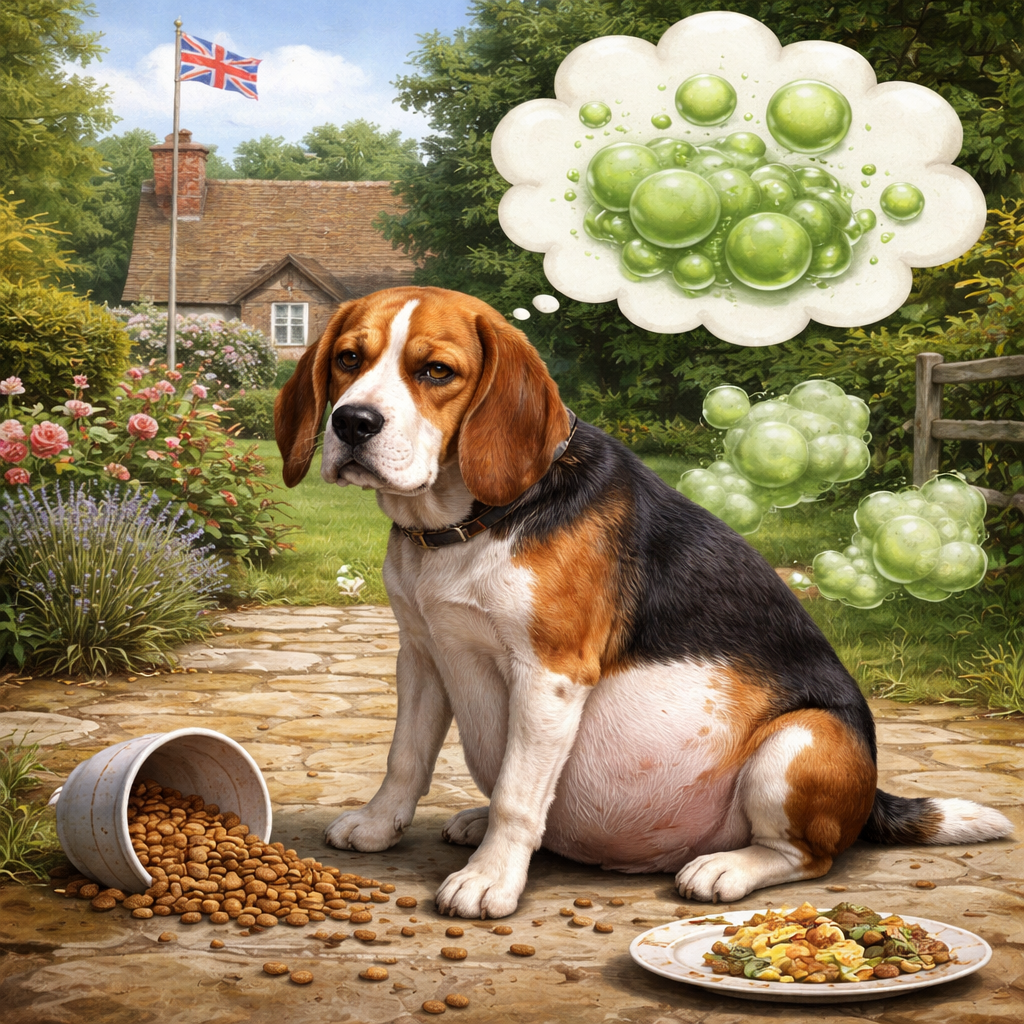
Eliminating Suspect Ingredients: A Step‑by‑Step Elimination Diet
When you suspect dog gas and bloating caused by food intolerance uk, the most reliable way to pinpoint the trigger is an elimination diet. This method removes all potential allergens and then slowly re‑introduces them one at a time.
Step 1 – Gather Baseline Information
Start by noting every food, treat, and supplement your dog has had in the past month. Include hidden ingredients like broth or kibble toppers. A thorough record helps you pick truly novel proteins.
Step 2 – Choose a Novel Protein and Simple Carb
Pick a protein your dog has never eaten – duck, venison, rabbit, or even kangaroo. Pair it with a single carbohydrate like sweet potato or quinoa. The Elimination Diet Guide for Dogs recommends using a single source to avoid cross‑reaction.
Step 3 – Transition Slowly
Mix the new food with the old diet at a 10% to 90% ratio, increasing the new food each day over 7‑10 days. This gradual shift helps avoid a sudden upset that could mask the true cause.
During the elimination phase, feed only the chosen food and water. No treats, table scraps, or flavored chews. Keep the feeding schedule consistent – two meals a day, same times.
Step 4 – Record Observations
Use a simple log: date, meal amount, stool quality, gas episodes, and any skin changes. Look for reductions in flatulence and bloating after two weeks. If symptoms improve, you’ve likely removed the offending ingredient.
After 8‑12 weeks of stable improvement, begin the re‑introduction phase. Add one new ingredient back for three days and watch for a flare‑up. If gas spikes, that ingredient is a suspect.
For deeper guidance, check out Ultimate Pet Foods’ elimination diet article. It provides a handy checklist and sample logs.
Below is a short video that walks you through the first week of an elimination diet.
Actionable tips for a smooth diet trial:
- Weigh each portion to keep calories steady.
- Use a kitchen scale for accuracy.
- Keep treats separate; use small pieces of the same novel protein if needed.
Managing Flare‑Ups at Home and Knowing When to Call the Vet
Even with a careful elimination diet, occasional flare‑ups of dog gas and bloating caused by food intolerance uk can happen. Knowing how to calm your dog at home and when to seek professional help keeps the problem from getting worse.
Home Remedies That Really Work
1. **Probiotics** – Adding a daily probiotic chew or powder helps balance gut bacteria, reducing fermentation that creates gas.
2. **Digestive Enzymes** – These break down proteins and carbs more efficiently, lowering the amount of residue that feeds gas‑producing bacteria.
3. **Plain Yogurt** – A spoonful of unsweetened yogurt introduces friendly bacteria, but only if your dog tolerates dairy.
4. **Ginger** – A tiny pinch of fresh grated ginger mixed into food can soothe the stomach.
5. **Activated Charcoal** – Pet‑specific charcoal tablets can absorb excess gas; follow the dosage guide carefully.
The Vetnique article lists these options and warns that chronic gas paired with vomiting, diarrhoea, or weight loss should prompt a vet visit.
When to Call the Vet
If you notice any of the following, ring your vet straight away:
- Severe bloating that makes the belly feel hard.
- Repeated vomiting or watery diarrhoea.
- Loss of appetite for more than 24 hours.
- Sudden weight loss or lethargy.
- Signs of pain – whining, pacing, or reluctance to move.
These could signal a more serious condition like gastric torsion, a bacterial overgrowth, or a deeper food allergy. The PDSA explains that a vet may need to run blood tests, X‑rays, or an ultrasound to rule out other causes.
Here’s a practical routine you can adopt during a flare‑up:
- Offer a small bowl of boiled chicken breast (no skin) and rice – bland and easy to digest.
- Give a probiotic chew as per the label.
- Take a short walk to stimulate gut motility.
- Monitor for improvement within 12‑24 hours.
- If symptoms persist, call the vet and mention dog gas and bloating caused by food intolerance uk as a possible factor.
For more on home care, see the Vetnique guide to gas relief and the PDSA page on food allergies in dogs. 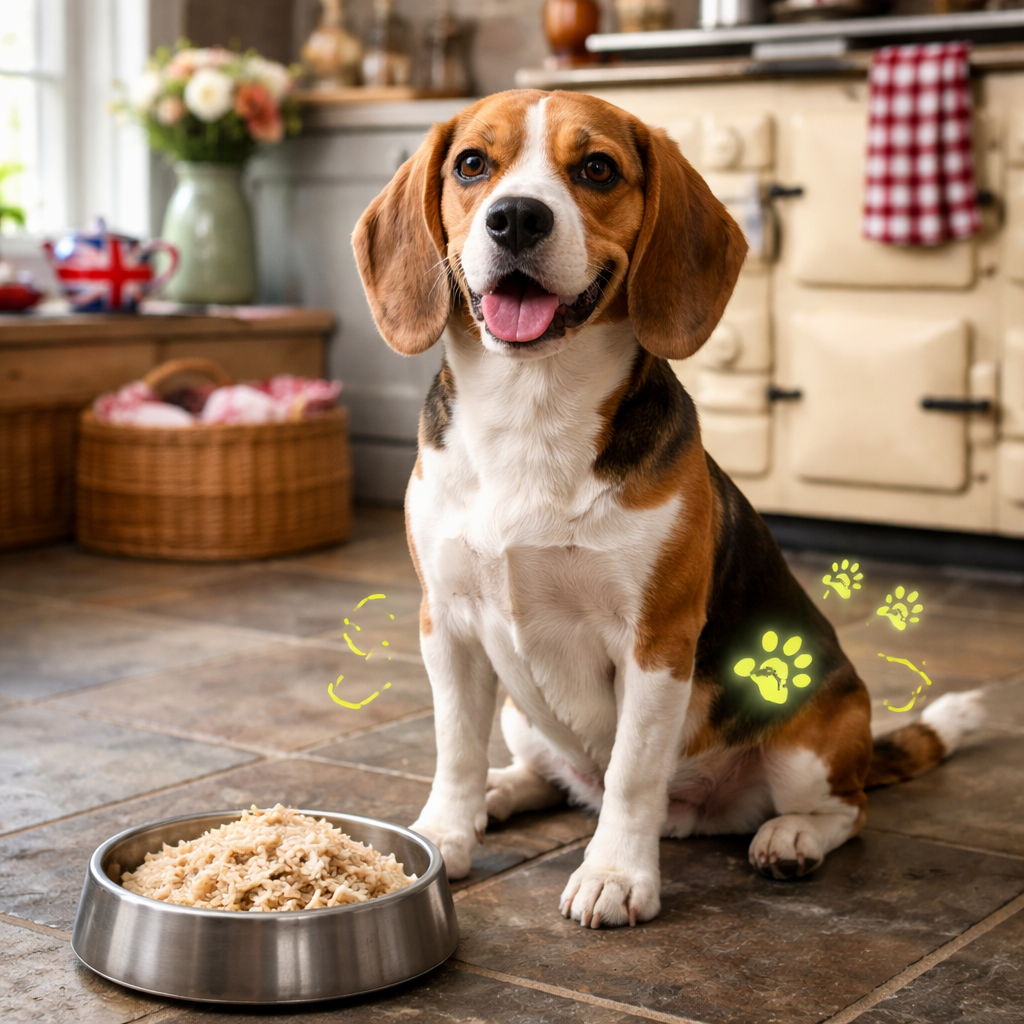
Internal link example: For a deeper dive on related digestive issues, read Dog Diarrhea Caused by Food Intolerance UK: Practical Steps for UK Pet Owners.
Comparing Popular Hypoallergenic Dog Foods Available in the UK
When you’ve identified that dog gas and bloating caused by food intolerance uk is linked to specific proteins, a hypoallergenic diet can keep the symptoms at bay. Below is a quick comparison of five widely available options in the UK.
| Brand | Protein Source | Main Benefit | Prescription Needed? | Price Tier (GBP) |
|---|---|---|---|---|
| Ultimate+ Hydrolysed (Ultimate Pet Foods) | Hydrolysed chicken | Low‑allergen, added prebiotics and omega‑3 | No | £1.80 /kg |
| Royal Canin Hydrolysed | Hydrolysed soy | Vet‑approved, supports skin health | Yes (vet prescription) | £2.20 /kg |
| Hill’s z/d | Hydrolysed soy | Clinically tested, balanced nutrition | Yes (vet prescription) | £2.10 /kg |
| Purina Pro Plan HA | Hydrolysed salmon | Fish‑based, no artificial additives | Yes (vet prescription) | £2.00 /kg |
| Blue Buffalo Ultra‑Hydrolysed | Hydrolysed poultry | Natural ingredients, limited filler | No | £1.90 /kg |
Why does the protein source matter? Hydrolysis breaks the protein into tiny peptides, making it less likely to trigger an immune response. If your dog is allergic to soy, choose a meat‑based hydrolysate like the Ultimate+ or Blue Buffalo option.
Things to consider when picking a food:
- Is a prescription required? Some vets prefer prescription formulas for severe cases.
- Does the brand add omega‑3 or prebiotics? These help skin and gut health.
- Price vs. frequency – a higher‑cost food may be worth it if it ends flare‑ups.
For a deeper dive into hydrolysed diets, read The Best Hydrolysed Dog Food Brands on the Market. For limited‑ingredient options, see Limited Ingredient Dog Food Guide. 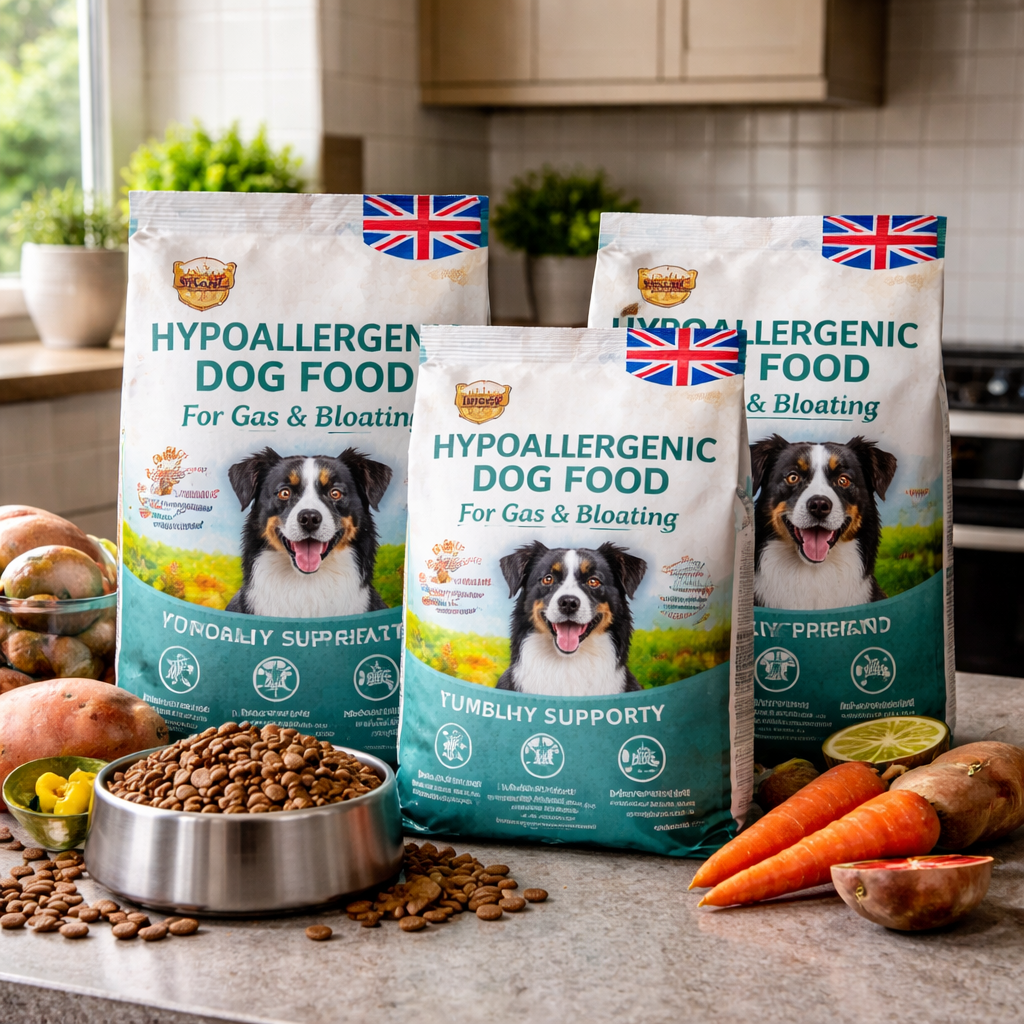
Backlink example: For a guide on using AI tools for audits, see How to Choose and Use an AI SEO Audit Tool in 2026.
Conclusion
Understanding dog gas and bloating caused by food intolerance uk starts with spotting the signs, then methodically testing ingredients, and finally giving your pup a diet that won’t set off the gut. By keeping a simple log, using a slow‑feed bowl, and following the elimination diet steps, you can narrow down the culprit in weeks rather than months. When flare‑ups happen, probiotic chews, bland meals, and gentle exercise often bring relief, but never ignore severe symptoms – a vet’s eye is essential. Choosing the right hypoallergenic food, whether it’s a hydrolysed prescription or a limited‑ingredient kibble, can keep the gas at bay for good.
If you feel ready, grab a home test kit from UK Pet Food Intolerance to get a clear picture of your dog’s sensitivities. Armed with that knowledge, you’ll be able to pick the best diet and enjoy more calm walks with a happy, flat‑gas‑free companion.
FAQ
What are the first signs that my dog’s gas is due to food intolerance?
The early clues are frequent, smelly flatulence, a rumbling tummy, and occasional stomach pain. If you also see loose stools, vomiting, or a drop in weight, it’s likely dog gas and bloating caused by food intolerance uk. Keep a daily log to catch patterns and discuss them with your vet.
How long should an elimination diet last before I see results?
Most vets recommend an 8‑12 week trial. In the first two weeks you should notice a drop in gas and bloating if the offending food was removed. Continue the diet for the full period to ensure hidden ingredients aren’t still causing a reaction.
Can I use probiotics to reduce my dog’s gas?
Yes. Daily probiotic chews or powders add good bacteria that out‑compete gas‑producing microbes. Look for products that list specific strains like Lactobacillus or Bifidobacterium. Pair them with a stable, hypoallergenic diet for the best effect on dog gas and bloating caused by food intolerance uk.
Is a slow‑feed bowl enough to stop all gas problems?
A slow‑feed bowl helps cut down the air your dog swallows, which can reduce some flatulence. However, if the gas comes from a true food sensitivity, you’ll still need an elimination diet and possibly a hypoallergenic food. Use the bowl as part of a broader plan.
When should I seek veterinary help for my dog’s bloating?
If the belly feels hard, the dog is in pain, or you see vomiting, diarrhoea, or rapid weight loss, call the vet immediately. These signs could mean a serious condition like gastric torsion. Mention that you suspect dog gas and bloating caused by food intolerance uk so the vet can run the right tests.
Are hydrolysed diets safe for all dogs?
Hydrolysed diets are designed to be nutritionally complete, but they may be pricey and some dogs dislike the texture. They’re safe for most adult dogs, but puppies, pregnant dogs, or those with specific health issues should only use them under veterinary guidance. They’re an excellent option for managing dog gas and bloating caused by food intolerance uk when other diets fail.


Leave a Reply
Want to join the discussion?Feel free to contribute!