
12 Common Dog Food Intolerance Symptoms Every UK Owner Should Recognise
Ever caught yourself watching your dog stare at his bowl, then suddenly sprint to the garden with a rumbling belly? You might be wondering if it’s just a quirky habit or something deeper.
Turns out, many pet parents experience the same confusion when their canine shows a mix of digestive upset, itchy skin, or unexpected gas. Those are classic dog food intolerance symptoms, and they can be subtle enough to slip past even the most attentive owner.
For example, Bella, a five‑year‑old Labrador, started developing a dry, flaky coat and occasional loose stools after switching to a new grain‑rich kibble. Her owner first blamed seasonal allergies, but the timing with the diet change hinted at a food‑related trigger. Another case: Max, a border collie, began having frequent trips to the garden after meals, coupled with a mild rash around his paws. In both stories, the real culprit was an intolerance to specific ingredients, not a vet‑diagnosed allergy.
So how do you spot these symptoms before they become chronic? Keep an eye on three main areas: digestive health (vomiting, diarrhoea, excess gas), skin condition (itching, redness, hair loss), and behaviour (lethargy, anxiety around mealtime). Jot down what your dog eats and any reactions – a simple notebook works wonders.
Once you’ve gathered a few weeks of observations, the next step is to narrow down the problem. An elimination diet can be effective, but it’s time‑consuming and requires strict feeding. That’s where a targeted home test can speed things up. Platforms like pet food elimination diet guide you through a structured approach, helping you isolate the offending ingredient without endless guesswork.
Actionable tip: start a 7‑day food diary today. Record every meal, snack, and any symptom you notice. If you see a pattern – say, itching spikes after chicken meals – consider a home intolerance test to confirm. The results will give you a clear list of foods to avoid, letting you craft a balanced, symptom‑free diet for your pup.
Remember, you don’t need to become a nutritionist overnight. Just watch, note, and act on the clues your dog is already giving you. With a bit of detective work, you can turn those frustrating dog food intolerance symptoms into a roadmap for a healthier, happier companion.
TL;DR
Dog food intolerance symptoms often show up as stomach upset, itchy skin, or lethargic behaviour, and spotting the pattern early saves your pup discomfort.
A simple 7‑day food diary plus a quick at‑home fur test lets you pinpoint triggers, so you can craft a balanced diet and enjoy a happier, healthier dog.
1. Persistent Itching and Hot Spots
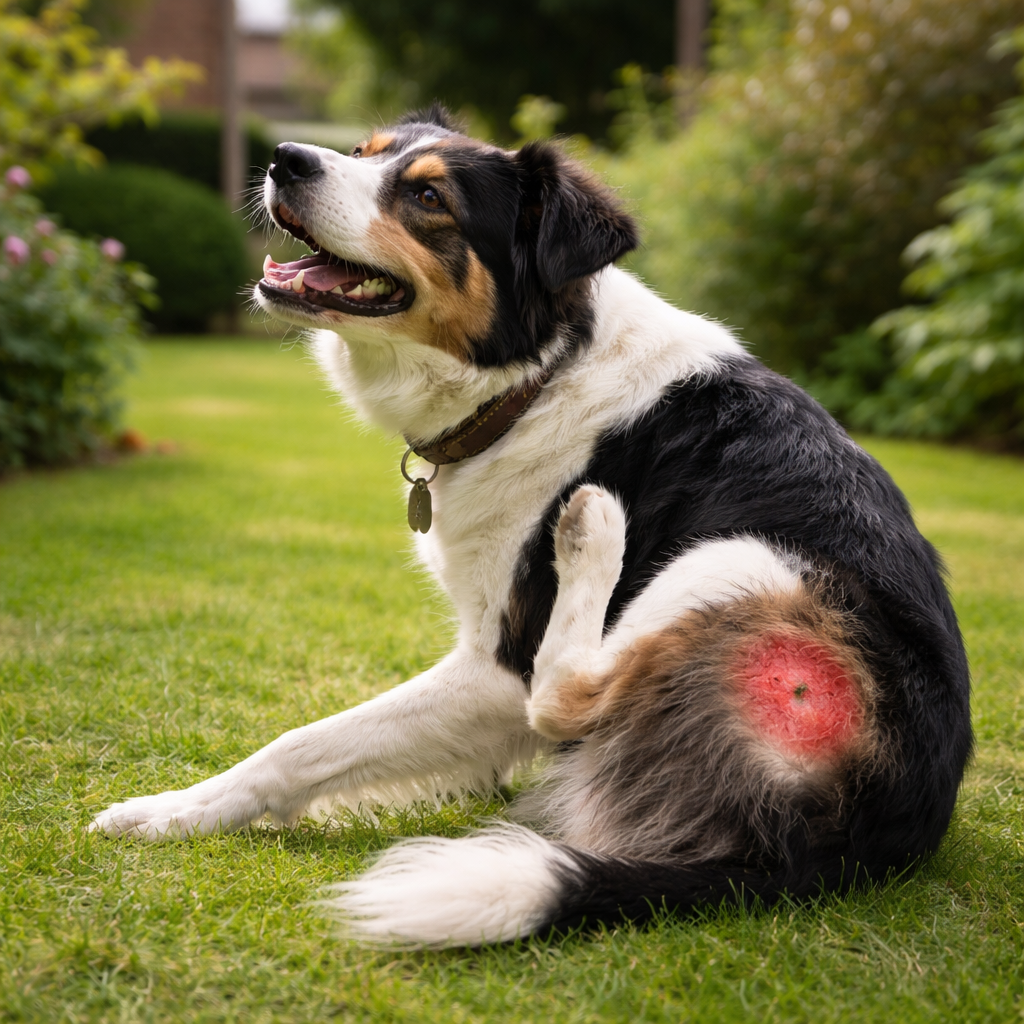
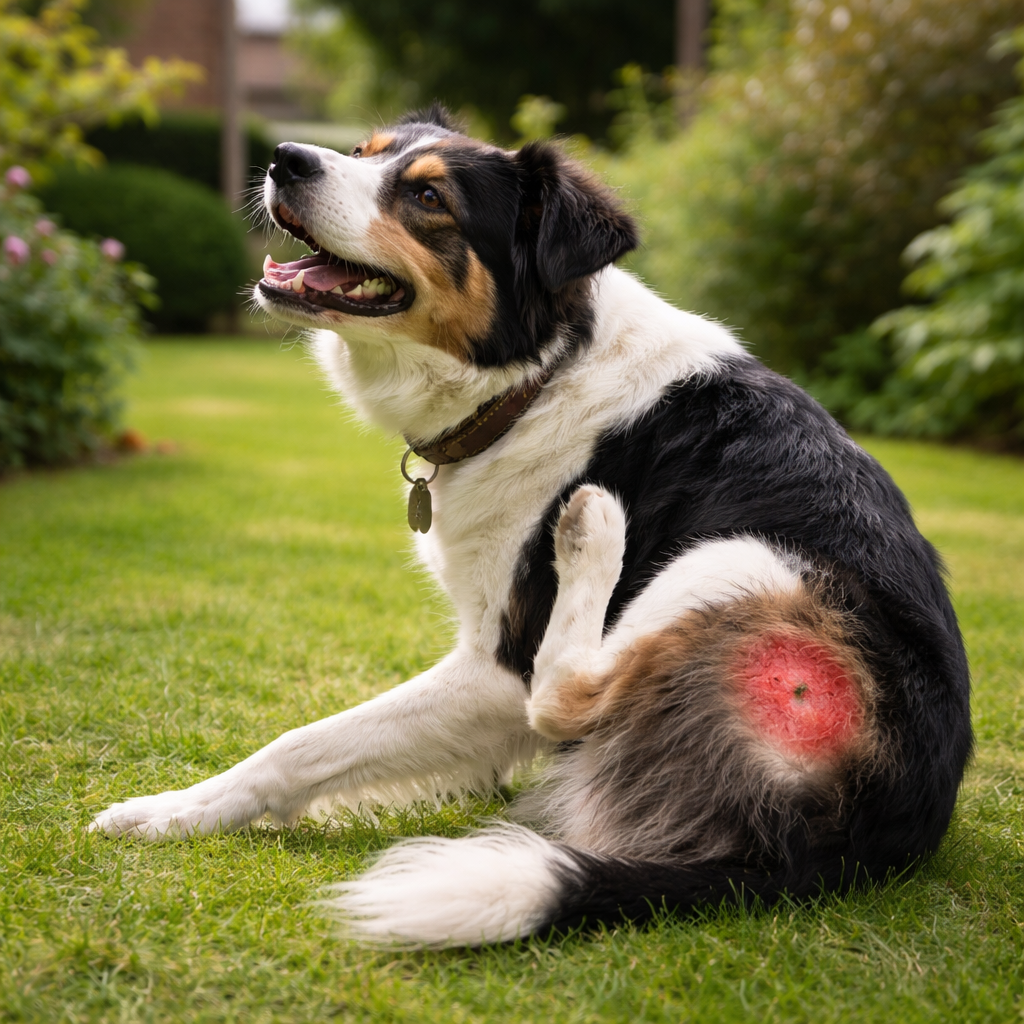
Ever watched your dog stare at you, then suddenly bolt to the garden, scratching at the same spot over and over? That frantic paw‑dance is a classic sign of persistent itching, and more often than not it’s tied to what’s on their plate.
Here are the top ways food intolerance can turn a happy pup into a restless scratch‑machine, plus practical steps you can take right now.
1. Red, inflamed patches that never seem to heal
When a particular protein or grain triggers an immune response, the skin can become a battlefield – you’ll notice reddish, raised areas that look like tiny volcanoes. They’re not just a cosmetic issue; they’re your dog’s way of saying, “something’s wrong inside.”
Tip: Keep a simple diary. Jot down every meal and any flare‑up. If chicken appears on three different days and the hot spot shows up each time, you’ve got a clue.
2. Constant licking or chewing of paws
It might look cute at first, but excessive paw‑licking often masks a deeper problem. Food‑related sensitivities can cause a dry, itchy sensation that spreads to the pads and nails.
Quick fix: After a walk, wipe paws with a gentle, fragrance‑free wipe and watch for changes. If the licking continues, consider an at‑home intolerance test from a trusted provider.
3. Seasonal‑like rashes that ignore the weather
Think it’s just pollen? Maybe, but if the rash pops up year‑round and matches certain meals, food is the culprit. These rashes often appear on the belly, chest, or behind the ears.
One resource that explains how external factors can mask food issues is XLR8Well’s holistic wellness guide. It’s worth a skim for a broader perspective.
4. Hair loss around hot spots
When the skin is irritated for days, the fur can thin or fall out in patches. You might see a bald circle on the flank or a patch on the neck that never regrows.
Our experience at UK Pet Food Intolerance shows that once the offending ingredient is removed, the coat often starts to fill in within a few weeks.
5. Secondary infections that make itching worse
Scratching opens the skin, inviting bacteria or yeast to move in. Suddenly, the mild itch becomes a full‑blown infection, and you might notice a foul smell or oozing discharge.
If you’re looking for a gentle way to calm the skin while you sort out the diet, try a calming topical like lavender soap. It’s soothing without harsh chemicals.
So, what should you do next? First, confirm the pattern with a food diary. Then, give an at‑home intolerance test a go – the results will pinpoint the exact triggers. While you wait, a supplement regimen can help rebuild skin health; for example, Great Bite Supplements offer omega‑rich formulas that support a calm, resilient coat.
Below is a short video that walks you through a quick at‑home fur sample collection – it’s easier than you might think.
Once you have the results, you’ll know exactly which ingredients to avoid, turning those endless hot‑spot cycles into a thing of the past.
2. Recurrent Diarrhoea or Loose Stools
Let’s be honest: recurrent diarrhoea or frequent loose stools can be a red flag that something in your dog’s diet isn’t agreeing with them. It’s not just a one-off wobble; it tends to pop up after certain meals or treats, and it can wear you down. The good news is you can often spot patterns quickly with a simple system.
In our experience, the first practical step is to track what your dog eats and when their stools change. A clear food diary helps you connect the dots between ingredients and gut behaviour, so you’re not guessing in the dark.
- Start a pattern check. Keep a daily note of meals, snacks, and any stool changes. Note the time of day, portion size, and whether a new treat was involved. Does the trouble come after chicken dinners or dairy treats? Small, consistent notes beat memory every time.
- Identify the usual suspects. Common triggers include dairy (lactose), certain grains, and protein sources your dog may not tolerate well. You don’t need to diagnose right away, but knowing the usual culprits helps you test ideas methodically. For many dogs, sticking to simple ingredients during a brief trial reduces GI stress.
- Hydration and stool quality matter. If your dog’s stools stay loose for more than a couple of days, keep fresh water available and consider a bland, easily digestible option recommended by your vet. Consistency is key—loose stools can quickly lead to dehydration, especially in puppies or older dogs.
- Consider an elimination mindset. An elimination diet can help isolate the offending ingredient, but it takes time and careful planning. If you’re pressed for time, at-home tests can offer quicker clues about which foods to avoid. Platforms like UK Pet Food Intolerance make it easier by guiding you through sample collection and delivering results online. In our experience, that clarity often shortens the guessing game.
- When to test or seek veterinary input. If diarrhoea is persistent, blood appears in the stool, or your dog acts unusually tired or in pain, it’s time to involve a vet. A professional check ensures there isn’t a more serious issue hiding behind the gut upset. See a vet promptly if new symptoms arise or if it lasts more than 24–48 hours.
- Long‑term management. Once you’ve identified triggers, switch to a hypoallergenic or limited‑ingredient diet under veterinary guidance, reintroducing foods gradually to monitor reactions. A well‑balanced plan, with appropriate fibre and hydration, helps restore normal stools and comfort. Remember, the goal is sustainable relief, not a quick fix.
For reference, consult reputable guides on dog diarrhoea and related symptoms to understand the spectrum of causes and when to escalate care. See resources such as dog diarrhea for context on how this symptom can arise from different pathways. And for a clearer path toward identifying sensitivities, the article on dog food intolerance symptoms offers practical insight into how gut and skin signals can co‑occur. dog food intolerance symptoms.
3. Excessive Gas and Bloating
Ever watched your dog let out a rumble that sounds like a tiny motorboat and then sprint off to the garden? That moment of sudden flatulence can feel embarrassing, but it’s actually a big clue that something in the diet isn’t agreeing with them.
We’ve all been there – you’re pouring the kibble, your pup eyes you like it’s the best thing since biscuits, and minutes later you hear that unmistakable pop. If it happens more than once a week, it’s time to look at the symptom as part of the bigger picture of dog food intolerance symptoms.
What’s really happening inside?
When a dog’s gut struggles to break down a particular ingredient, bacteria in the large intestine ferment the leftovers, producing gas. The result? Bloating, an uncomfortable belly, and the occasional comedic toot. It’s not just a funny moment – chronic gas can indicate an underlying intolerance to proteins, dairy, or even certain carbs like lactose.
According to PetMD’s guide on food allergies in dogs, gas and bloating sit alongside itching and diarrhoea as classic signs of both food allergies and intolerances. The article explains that while allergies involve the immune system, intolerances can appear on the very first exposure, making the gas show up quickly.
5 practical ways to tame the tummy
- Track the culprit. Keep a simple food diary for a week – note every meal, treat, and any post‑meal gurgles. Look for patterns: chicken broth one night, a burst of bubbles the next?
- Swap the protein. If you suspect chicken or beef, try a limited‑ingredient diet with a novel protein like duck or salmon. Many owners find that a single‑protein switch cuts the gas in half within a few days.
- Watch the carbs. Lactose intolerance is surprisingly common. If you’re giving milk‑based treats, replace them with a lactose‑free alternative or plain pumpkin puree.
- Mind the fibre. Too little fibre can slow gut transit, giving bacteria more time to ferment. Adding a spoonful of canned pumpkin or a commercial fibre supplement can smooth things out.
- Consider an at‑home test. Platforms like UK Pet Food Intolerance let you send a fur sample and get a clear breakdown of which ingredients are raising red flags – a handy shortcut when a full elimination diet feels overwhelming.
Does that list feel a bit much? Remember, you don’t have to do everything at once. Pick the step that feels most doable today and watch how your pup’s belly reacts over the next few meals.
Quick‑reference table
| Trigger | Typical sign | Fast‑fix tip |
|---|---|---|
| Chicken or beef protein | Sharp, noisy gas after meals | Switch to a novel protein (duck, salmon) |
| Lactose | Bloating, occasional diarrhoea | Cut dairy, add lactose‑free treats |
| Excessive grain | Slow, bloated belly | Introduce a limited‑ingredient, grain‑free diet |
What about the occasional “I’m not sure if it’s gas or something more serious?” That’s a fair worry. The VCA Hospitals article on adverse reactions to food in dogs reminds us that persistent bloating, pain, or a distended abdomen warrants a vet visit – it could be a sign of an underlying gastrointestinal issue beyond intolerance.
So, how do you move from “my dog’s a gas machine” to “we’ve got this under control”? Start with the diary, try one protein swap, and if the bubbles linger, a quick home test can give you the exact ingredient list you need to avoid. Your dog will thank you with calmer walks and fewer surprise symphonies from the garden.
4. Ongoing Ear Infections and Odour
Ever notice your pup scratching its ears a bit too enthusiastically, then catching a whiff of that not‑so‑pleasant, yeasty smell? It’s a clue that something deeper might be going on – and it often ties back to the same dog food intolerance symptoms we’ve been talking about.
When the ear canal gets irritated, the body reacts with inflammation, excess wax, and that stubborn odour. The culprit? An ingredient your dog’s gut can’t break down, spilling over into the ears via the immune system. Below are the most common patterns we see in the field, plus practical steps you can take right now.
1. Persistent itch‑and‑scratch cycle
Dogs with a food sensitivity will often shake their heads, rub their ears on the carpet, or dig their paws into the floor. The itch feels relentless – think of the moment when you can’t stop scratching an itchy sweater.
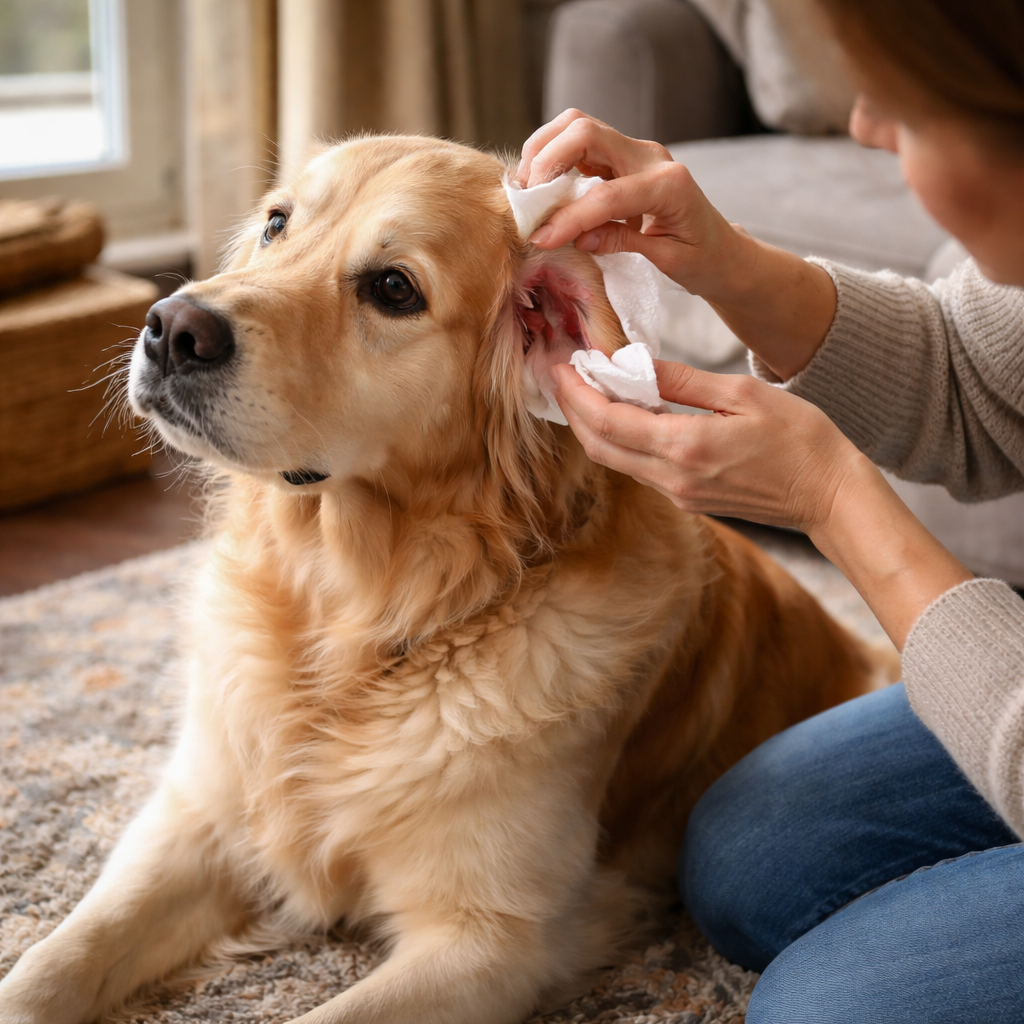
What to do: wipe the outer ear with a gentle, vet‑approved cleaner after each walk, and note if the scratching spikes after a particular meal. A short diary can reveal if chicken or dairy are the usual suspects.
2. Red, inflamed ear flap
If the pinna looks pinker than usual, feels warm to the touch, or even has a slight swelling, it’s a sign the inflammation has moved beyond the canal.
What to do: avoid cotton swabs – they can push debris deeper. Instead, use a soft cloth dampened with lukewarm water. And if the redness persists for more than 48 hours, a vet check is wise.
3. Thick, dark wax buildup
When a dog can’t process certain proteins, the ear produces extra cerumen that turns brown or black. It’s not just cosmetic – that wax can trap bacteria and fungi, feeding the odour.
What to do: a weekly ear cleaning routine helps. Look for a product that’s free of harsh chemicals and fragrance. In our experience, a simple saline solution works wonders for most owners.
4. A sour, yeasty smell
That unmistakable “old cheese” scent is a red flag. It often means the ear is harbouring an overgrowth of yeast, which thrives when the skin’s natural barrier is compromised by food‑related inflammation.
What to do: after cleaning, dry the ear thoroughly. Moisture is yeast’s best friend. If the odour lingers, consider an at‑home intolerance test – platforms like UK Pet Food Intolerance can pinpoint which ingredients might be fuelling the yeast bloom.
5. Behavioural changes – head‑tilting and balance issues
When the inner ear gets involved, you might see your dog tilt its head or seem a little unsteady. It’s not just a cute quirk; it’s a warning sign that the inflammation is affecting more than just the outer canal.
What to do: keep a close eye on any stumbling or sudden disorientation. Pair this observation with your food diary – a pattern emerging after a new treat could save you a trip to the vet.
So, how do we pull all this together? Start with three simple actions: (1) log every bite and every ear‑scratching episode, (2) establish a gentle cleaning routine, and (3) if the symptoms stack up, try an at‑home food intolerance test. The test gives you a clear list of ingredients to avoid, turning the mystery into a manageable plan.
Remember, ear infections can have many causes, from parasites to allergies, but food intolerance is a sneaky player that often goes unnoticed until the smell becomes unavoidable. By connecting the dots between what’s on the plate and what’s in the ear, you give your dog the best chance at a fresh‑scented, itch‑free life.
And finally, a quick tip for busy owners: set a reminder on your phone to check your dog’s ears after each walk. A minute of attention now can prevent weeks of discomfort later.
5. Unexplained Weight Loss or Poor Growth
Let’s be frank: noticing your dog losing weight or not growing the way they should is unsettling. It’s not something to brush off, especially if the change happens quickly or pairs with other symptoms. Weight shifts can be a clue that something in the diet or gut isn’t right.
In our experience, weight loss is one of the more telling dog food intolerance symptoms. It isn’t just about a skinnier frame; it can signal malabsorption, ongoing gut inflammation, or reduced appetite tied to discomfort. For context, experts note that nutritional issues related to food allergies and intolerances often show up with skin or GI signs and can lead to weight changes. Food allergy and food intolerance in dogs is a common pattern worth discussing with your vet. And if you want a broader read, many owners find weight concerns are discussed alongside diet in general care resources about weight management in dogs (weight loss in dogs).
So, what might this look like day to day? You could see your dog dropping pounds even if their appetite isn’t dramatically different, or a puppy isn’t putting on weight like expected. A dull coat, visible muscle loss, or reduced energy can accompany the scale changes. Some dogs also show less interest in food after meals or skip meals altogether, even when treats are tempting. If you’ve noticed these shifts alongside GI upset or persistent itching, you’re moving into the realm of dog food intolerance symptoms. Does that sound like your situation?
Does this really describe your dog? If weight loss is on your radar, start by mapping patterns to meals, treats, and any new ingredients. It’s not just the number on the scales—energy, mood, and activity matter just as much. In our experience, a targeted at‑home test can help pinpoint triggers faster, guiding you toward a diet that supports growth and comfort. Platforms like UK Pet Food Intolerance offer fur‑based tests with clear results and practical guidance to avoid the culprits. We’re not saying it fixes everything, but it can dramatically reduce the guesswork when growth or weight is at stake.
What about growth concerns in puppies or young dogs? Growth should be steady, not sporadic. If a young dog stalls on weight gain for a couple of weeks, especially after a diet change, it’s worth investigating whether a dietary intolerance could be involved. The goal is steady nutrients for development, not one more mystery to solve alone.
When should you seek urgent help? If weight loss is rapid, accompanied by dehydration, vomiting, or lethargy, contact a vet promptly. Severe or sudden changes can signal problems beyond intolerance, and timely care matters. Weight issues can also reflect other health concerns, so a professional check‑in is wise if you’re unsure where to start.
Actionable next steps: keep a simple weekly weigh‑in, track appetite and energy, and note any correlations with meals or treats. Review the diet for potential triggers and consider a short, supervised elimination approach. If you want quicker clarity, discuss an at‑home fur test with your vet or a reputable provider to identify ingredients to avoid. And yes, maintain good hydration and small, nutrient‑dense meals to support any recovery or growth within a balanced plan.
Understanding the Difference Between Food Intolerance and Allergy
Let’s cut through the confusion. When your dog shows digestive upset or itchy skin, it’s natural to wonder whether it’s a true allergy or a simpler intolerance. The two are related, but the causes and the way we manage them are different. In our experience with dog owners, spotting the distinction early saves a lot of frustration and wasted meals.
So what exactly is the difference? A true food allergy happens when a dog’s immune system reacts to a specific ingredient, usually a protein, as if it were a threat. That response can show up as skin problems, itching, red ears, or even swelling. Food intolerances, on the other hand, are about the gut not tolerating a certain ingredient. They can cause vomiting, diarrhoea, gas, or tummy discomfort without a direct immune reaction.
Does this really matter? Yes, because it guides your next steps. Allergies often require strict avoidance of the trigger, possibly with a veterinary diet and close monitoring. Intolerances can sometimes be managed by adjusting the diet, trial and error, and targeted tests to identify offenders. It’s not the same as a general sensitivity or environmental allergies, which can muddy the signal.
Key signs that point in a different direction
Dogs with true allergies tend to show skin related signs that come on after exposure. Think itchy patches, red inflamed areas, recurring hot spots, and ear problems. For intolerances, you’ll more often see GI issues after meals, like vomiting, diarrhoea, bloating, or flatulence. Both can share symptoms, which is why careful observation matters.
Time matters too. Allergic reactions can appear within hours of eating the culprit or after repeated exposure. Intolerances may be immediate or delayed depending on the ingredient and the dog. Some dogs with lactose intolerance, for example, react soon after dairy, while others bruise along more slowly.
How to approach this practically
- Keep a simple 7 to 14 day food diary. Note meals, treats, and any symptoms. Patterns are easier to spot when you write them down.
- Identify likely triggers. Common culprits include dairy, certain grains, and particular proteins. For many dogs, a limited ingredient or novel protein diet helps you see clearer results.
- Consider at home testing as a step. Platforms like UK Pet Food Intolerance can provide fur‑based insight to help you avoid the wrong foods while you test at home. In our experience, this speeds up the learning curve. In our experience, many owners find at‑home fur tests helpful to narrow down triggers quickly.
- Always involve a vet when weight loss, severe diarrhoea, or persistent itching occur. They can rule out other conditions and guide a safe elimination plan.
To help you make sense of the difference, here are two reputable guides that dig into the topic. Chewy’s guide to dog food allergies vs food intolerances explains the real‑world distinction between allergies and intolerances, and Skippers’ practical tips you can apply today offers actionable steps you can try with your dog. These resources can help you understand dog food intolerance symptoms and how to approach testing and diet changes with confidence.
Conclusion
We’ve walked through the tell‑tale dog food intolerance symptoms – itchy hot spots, loose stools, gas, ear odours and even unexpected weight loss – and you now have a toolbox of everyday checks.
Remember, the first sign is often something you see day to day: a sudden scratch after a chicken treat or a rumble in the belly after a new kibble. If you spot a pattern, jot it down – a simple notebook or phone note works just as well as a fancy app.
From there, the next step is to narrow the culprit. A short‑term elimination diet or, for many busy owners, an at‑home fur test can give you a clear list of ingredients to avoid without months of guessing.
Never forget the vet’s role. When symptoms are severe – rapid weight loss, blood in the stool or a painful hot spot – professional advice is essential before any diet tweak.
So, what should you do now? Grab a pen, start a 7‑day food diary, and consider a quick home test to speed up the process. It’s a low‑cost way to get the answers you need and get your dog back to feeling comfortable.
With the right observations and a little guidance, those confusing dog food intolerance symptoms become a manageable roadmap rather than a mystery.
FAQ
What are the most common dog food intolerance symptoms?
Most owners first notice an itchy hot spot, a sudden rash or a bout of scratching that seems to follow a particular meal. You’ll also see loose stools, frequent gas, or a bloated belly that appears after the same kibble. Occasionally a dog will develop a lingering ear odour or lose a little weight for no obvious reason. All of these clues together usually point to dog food intolerance symptoms.
How can I tell if my dog’s upset tummy is from food or something else?
Start by noting the timing – if the stomach rumble, diarrhoea or vomiting happens within a few hours of a new treat, food is a strong suspect. Keep a simple 7‑day diary of everything your pup eats and any gut reaction. If the pattern repeats with the same ingredient, you’ve got a likely intolerance. If the upset occurs randomly or after walks, stress or parasites might be the cause.
Is an at‑home fur test reliable for spotting food triggers?
In our experience the fur‑based test gives a clear list of ingredients that your dog’s immune system reacts to, which lines up nicely with the symptoms you’ve been tracking. It isn’t a medical diagnosis, but it does narrow the field so you don’t have to guess for weeks. Pair the results with a short elimination trial and you’ll usually see the symptoms fade within ten days.
What should I do while waiting for the test results?
While the lab analyses the sample, you can start a short‑term elimination diet using a single, novel protein like duck or salmon and a simple carbohydrate such as sweet potato. Feed only that mix for ten days, watching for any return of itching, gas or loose stools. If the symptoms disappear, you’ve already got a strong indication of what to avoid once the full report arrives.
Can I use the test results to create a balanced diet for my dog?
Absolutely – the report highlights which foods to steer clear of, and you can then choose a commercial limited‑ingredient diet or formulate a home‑cooked recipe that excludes those triggers. Make sure the new plan still supplies all the essential nutrients; most reputable brands label themselves as “complete and balanced” for the specific life stage of your dog. A quick chat with your vet can confirm the nutrient balance.
When is it necessary to call the vet instead of relying on a home test?
If your dog is losing weight rapidly, has blood in the stool, shows signs of severe pain, or the skin is oozing and infected, you need professional help straight away. Those are red‑flag signs that go beyond a simple intolerance and could indicate an underlying infection or another medical condition. The vet can run blood work, rule out parasites and decide whether a diet change is safe.
How often should I repeat the food intolerance test?
Most owners only need one test unless the diet changes dramatically – for example, switching to a raw diet or adding new treats, consider a fresh test after a few weeks of stable health. Otherwise, keep the original results as a reference and simply monitor any new symptoms that arise.


Leave a Reply
Want to join the discussion?Feel free to contribute!